Cozy & Creamy Mushroom and Wild Rice Soup (Lightened Up Recipe)
Mushroom And Wild Rice Soup Light Recipe
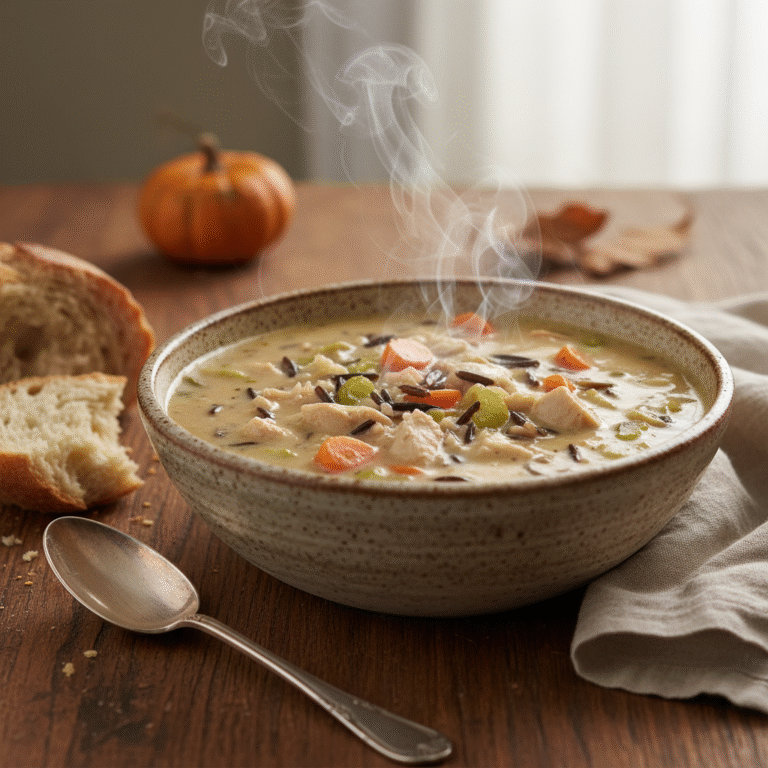
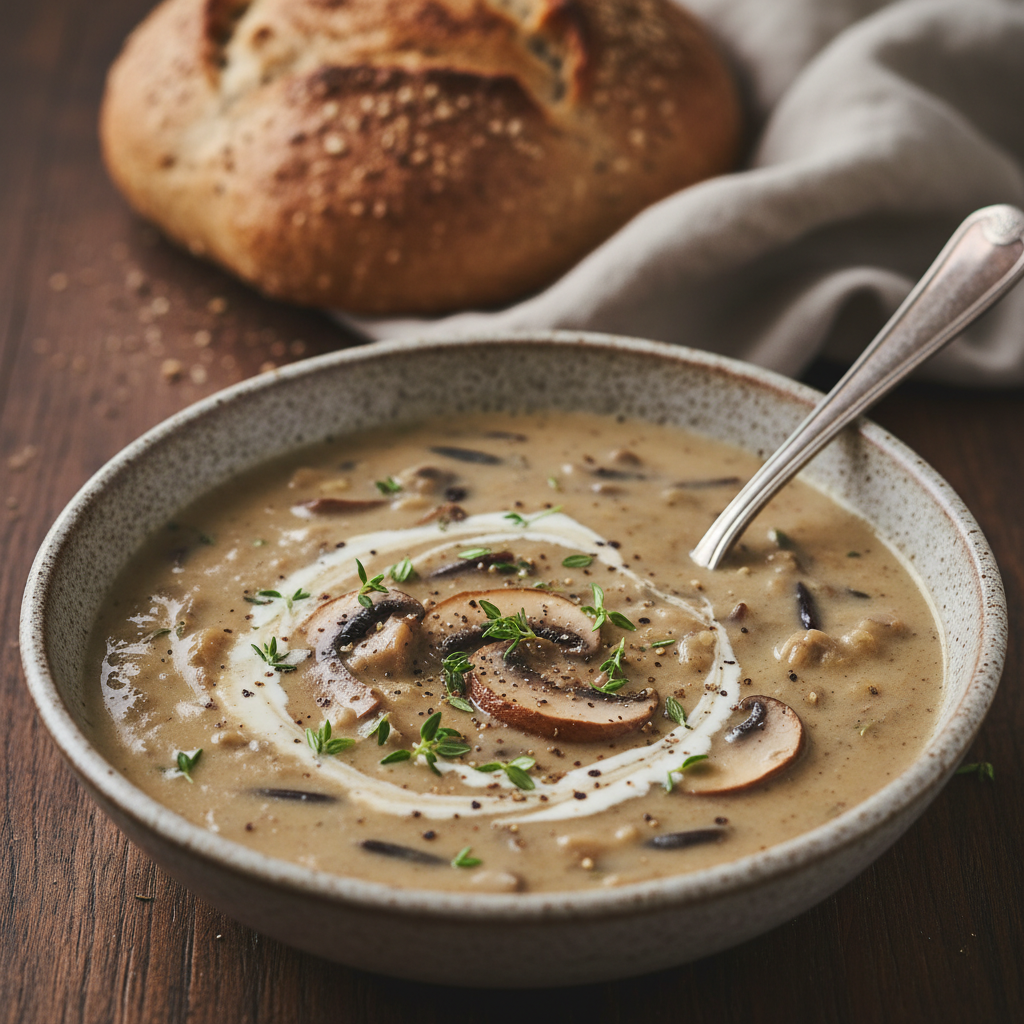
This hearty yet healthy Mushroom and Wild Rice Soup offers the perfect balance of earthy flavors and creamy texture without the heavy calories. Packed with nutritious vegetables, protein-rich wild rice, and savory herbs, it is the ultimate comfort food for chilly nights that won’t weigh you down.
15 minutes
45 minutes
1 hour
6 servings
Soup
Stovetop
American
Vegetarian
There is something undeniably magical about the combination of earthy mushrooms and nutty wild rice. It is a pairing that speaks to the soul of rustic cooking, evoking images of cabin retreats and crisp autumn evenings. However, traditional recipes for creamy mushroom soups often rely heavily on cups of heavy cream and sticks of butter, turning what should be a nutritious bowl of comfort into a caloric indulgence that leaves you feeling sluggish. This Light Mushroom and Wild Rice Soup recipe changes the narrative completely. We have meticulously crafted a version that retains all the velvety, luxurious texture you crave but achieves it through smarter cooking techniques and lighter ingredients. By utilizing a simple roux and a blend of milk and broth, rather than pure cream, we create a base that is silky and rich without being overpowering. The star of the show, however, is the depth of flavor built through layering. We take the time to properly brown the mushrooms, unlocking deep umami notes that permeate every spoonful. The wild rice adds a delightful chewiness and a toasted nuttiness that contrasts beautifully with the tender vegetables. This soup is not just a meal; it is a warm embrace in a bowl. It is perfect for meal prep, arguably tasting even better the next day as the flavors meld, and it serves as a fantastic way to incorporate more plant-based diversity into your diet. Whether you are looking for a light weeknight dinner or a sophisticated starter for a dinner party, this soup strikes the perfect balance between health-conscious eating and pure culinary indulgence.
History & Origins
The history of this dish is a fascinating convergence of indigenous North American ingredients and European culinary techniques. Wild rice, or Zizania, is not actually a rice at all but an aquatic grass native to the Great Lakes region of North America. For centuries, it has been a staple food source and a sacred element of the culture for the Ojibwe and other Native American tribes in the region, who traditionally harvest it by canoe. Known as ‘manoomin’ (the good berry), it was highly prized for its nutritional value and storage longevity. The integration of wild rice into creamy soups is a more modern evolution, likely stemming from the European tradition of cream-based bisques and chowders brought by settlers to the Midwest, particularly in Minnesota, which is often called the official state grain of Minnesota. Mushroom soup itself has roots in French cuisine, with Potage aux Champignons being a classic preparation. The marriage of these two distinct elements—the French-style creamy mushroom base and the indigenous American wild rice—created a unique regional classic often found in the Upper Midwest of the United States. Over the decades, this soup became a diner and church-basement staple, often prepared with canned condensed soups for convenience. However, the culinary movement towards whole foods has reclaimed this dish, returning it to its roots of fresh fungi, real harvest grains, and aromatic mirepoix, elevating it from a casserole ingredient to a gourmet meal.
Why This Recipe Works
This recipe succeeds where many ‘light’ versions fail because it prioritizes flavor extraction over fat content. In many standard recipes, fat is used as a crutch to provide flavor and mouthfeel. Here, we replace that reliance with technique. First, we insist on searing the mushrooms. Many people simply sweat mushrooms, which results in a rubbery texture and mild flavor. By cooking them in a hot pot until they release their liquid and then brown, we develop a Maillard reaction that creates a savory, meaty foundation essential for a satisfying soup. Second, the thickening method uses a classic roux (flour and a small amount of butter/oil) combined with low-fat milk and vegetable broth. This mimics the viscosity of heavy cream without the saturated fat. The starch from the flour swells and stabilizes the milk proteins, preventing curdling and creating a glossy, smooth consistency. Finally, the choice of wild rice is crucial. True wild rice holds its structure even after simmering in liquid, providing a necessary textural contrast to the creamy broth. If we used white rice, it would disintegrate into mush. The wild rice remains distinct and chewy, ensuring that every bite has substance. The addition of fresh thyme and a splash of soy sauce or tamari acts as a secret weapon, boosting the umami profile significantly without making the dish taste like Asian cuisine.
Why You’ll Love This Recipe
- ✓Significantly lower in calories than traditional cream soups.
- ✓Packed with fiber and protein from the wild rice blend.
- ✓Deep, earthy umami flavor from caramelized mushrooms.
- ✓Freezer-friendly and excellent for meal prep.
- ✓Vegetarian-friendly and easily adaptable to vegan diets.
- ✓Ready in under an hour with simple pantry staples.
Equipment You’ll Need
- ✓Large Dutch oven or heavy-bottomed soup pot
- ✓Chef’s knife
- ✓Cutting board
- ✓Measuring cups and spoons
- ✓Wooden spoon or spatula
- ✓Whisk
Ingredients
- ✓1 cup uncooked wild rice blend
- ✓1 tablespoon olive oil
- ✓2 tablespoons unsalted butter
- ✓1 pound cremini (baby bella) mushrooms, sliced
- ✓1 medium yellow onion, diced
- ✓2 large carrots, peeled and diced
- ✓2 stalks celery, diced
- ✓3 cloves garlic, minced
- ✓1 teaspoon dried thyme (or 1 tablespoon fresh)
- ✓1/3 cup all-purpose flour
- ✓4 cups vegetable broth (low sodium)
- ✓2 cups 2% milk (or unsweetened almond milk for dairy-free)
- ✓1 tablespoon soy sauce or tamari
- ✓Salt and freshly cracked black pepper to taste
- ✓Fresh parsley for garnish
Instructions
- Rinse the wild rice thoroughly under cold water. In a small pot, cook the wild rice according to package instructions (usually boiling in water for about 40-45 minutes until tender). Drain any excess water and set aside. (Tip: Doing this separately ensures the rice doesn’t soak up all the soup broth).
- While the rice cooks, heat the olive oil and butter in a large Dutch oven or soup pot over medium-high heat.
- Add the sliced mushrooms to the pot. Cook them undisturbed for 3-4 minutes until they start to brown, then stir and cook for another 3-4 minutes until they are golden brown and have released their moisture.
- Reduce the heat to medium. Add the diced onion, carrots, and celery (the mirepoix). Sauté for about 5-7 minutes until the vegetables are softened and the onions are translucent.
- Stir in the minced garlic and thyme, cooking for just 1 minute until fragrant to avoid burning the garlic.
- Sprinkle the flour over the vegetables and mushrooms. Stir constantly for 2 minutes to cook out the raw flour taste. The mixture will look thick and pasty.
- Slowly pour in the vegetable broth while whisking constantly to prevent lumps from forming. Scrape the bottom of the pot to release any browned bits (fond).
- Bring the mixture to a simmer. Let it bubble gently for 5-10 minutes until the soup has thickened slightly.
- Stir in the milk, soy sauce, and the cooked wild rice. Simmer for another 5 minutes to let everything heat through. Do not let it come to a rolling boil once the milk is added to prevent curdling.
- Taste and season generously with salt and freshly cracked black pepper. Serve hot, garnished with fresh parsley.
Expert Cooking Tips
- ✓Cook the rice separately to control the texture and prevent the soup from becoming too starchy.
- ✓Don’t rush browning the mushrooms; this is the source of the deep savory flavor.
- ✓Use low-sodium broth so you can control the saltiness of the final dish.
- ✓If the soup is too thick, add a splash more broth or water; if too thin, simmer a bit longer.
- ✓Room temperature milk incorporates better into the hot soup than cold milk.
Substitutions and Variations
This recipe is incredibly flexible and can be adapted to suit various dietary needs and pantry availability. For a gluten-free version, substitute the all-purpose flour with a high-quality 1:1 gluten-free flour blend or use cornstarch (dissolved in a little cold water first) to thicken the soup at the end. To make this recipe vegan, swap the butter for vegan butter or more olive oil, use vegetable broth, and replace the dairy milk with unsweetened almond milk, oat milk, or a can of light coconut milk for extra creaminess. If you cannot find cremini mushrooms, white button mushrooms work well, though they have a milder flavor; shiitake mushrooms can be added for a more intense, earthy profile. You can also add protein by stirring in cooked shredded chicken or turkey, making it a ‘leftover makeover’ meal. For the rice, while a wild rice blend is recommended for texture, pure wild rice works beautifully, or even brown rice in a pinch, though brown rice will yield a softer texture.
Common Mistakes to Avoid
One of the most common mistakes with this soup is undercooking or overcooking the rice within the broth. Cooking the rice directly in the soup often leads to the rice absorbing too much liquid, turning the soup into a thick stew or risotto-like consistency by the next day. Cooking it separately solves this. Another error is washing the mushrooms under running water immediately before cooking without drying them; wet mushrooms steam instead of sear. Wipe them with a damp cloth or wash and dry them thoroughly. Additionally, rushing the roux stage can result in a floury, raw taste. Ensure you cook the flour and vegetable mixture for at least two minutes before adding liquid. Finally, boiling the soup vigorously after adding the milk can cause the dairy to separate or curdle, resulting in a grainy texture. Keep it at a gentle simmer once the dairy is introduced.
Serving Suggestions
This Mushroom and Wild Rice Soup is substantial enough to be a main course but pairs beautifully with sides that offer textural contrast. A slice of crusty sourdough bread, a warm baguette, or garlic knots are perfect for dipping and soaking up the creamy broth. For a lighter pairing, serve it alongside a crisp green salad with a sharp vinaigrette (like lemon-dijon) to cut through the creaminess of the soup. Roasted vegetables, such as asparagus or Brussels sprouts, also make excellent sides. To elevate the presentation for a dinner party, serve the soup in bread bowls or garnish with a drizzle of truffle oil and homemade croutons. A glass of Chardonnay or a light Pinot Noir pairs exceptionally well with the earthy mushroom flavors.
Storage and Reheating Tips
This soup stores remarkably well, making it a meal prep favorite. Allow the soup to cool completely before transferring it to an airtight container. It will keep in the refrigerator for up to 4-5 days. Note that the soup will thicken as it sits because the rice continues to absorb moisture. When reheating on the stovetop or in the microwave, you will likely need to stir in a splash of water, broth, or milk to loosen it back to your desired consistency. For freezing, this soup works better than heavy cream-based soups, but there may still be slight texture changes. To freeze, portion it into freezer-safe bags or containers and freeze for up to 3 months. Thaw overnight in the refrigerator before reheating gently over low heat. If you plan to freeze strictly for later, consider freezing the soup base and the rice in separate containers and combining them upon reheating for the best texture.
Nutrition Facts (Estimated)
| Serving Size | 1.5 cups |
| Calories | 245 |
| Fat | 7g |
| Saturated Fat | 3g |
| Unsaturated Fat | 3.5g |
| Trans Fat | 0g |
| Cholesterol | 15mg |
| Sodium | 480mg |
| Carbohydrates | 38g |
| Fiber | 4g |
| Sugar | 6g |
| Protein | 10g |
Frequently Asked Questions
Can I cook the rice directly in the soup pot?
Yes, you can, but it requires careful liquid management. If you cook it in the pot, add an extra 1-2 cups of broth and simmer for 45 minutes. Be aware that the rice will release starch, making the soup thicker, and leftovers will become very dense as the rice absorbs the liquid.
What is the difference between wild rice and wild rice blend?
Pure wild rice is actually an aquatic grass with a firm, chewy texture and very dark color. A wild rice blend usually contains true wild rice mixed with brown rice, red rice, and sometimes white rice. Blends are cheaper and cook slightly faster, but both work in this recipe.
How can I make this soup even creamier without heavy cream?
You can puree a portion of the soup. Before adding the rice, take out about 1 cup of the mushroom and vegetable broth mixture, blend it until smooth, and return it to the pot. You can also use evaporated milk instead of regular milk for a richer texture.
Can I use dried mushrooms?
Absolutely. Rehydrating dried porcini or shiitake mushrooms adds an incredible depth of flavor. Soak them in hot water, chop them, and add them with the fresh mushrooms. You can also strain the soaking liquid and use it as part of the vegetable broth.
Is this soup gluten-free?
As written, it is not because of the all-purpose flour. However, you can easily make it gluten-free by using a 1:1 gluten-free flour blend for the roux or thickening the soup with a cornstarch slurry at the end.
Why did my milk curdle?
Milk curdles if the heat is too high or if there is too much acid present. Ensure you reduce the heat to a low simmer before adding the milk and do not let it boil vigorously afterwards.
Can I use instant wild rice?
Yes, but adjust the cooking time. Instant rice is pre-cooked and dried, so it will only need 5-10 minutes in the soup. Add it at the very end so it doesn’t turn to mush.
What herbs go best with this soup?
Thyme is the classic pairing, but rosemary, sage, and parsley are also excellent. A bay leaf added during the simmering process (and removed before serving) adds a nice background flavor.
Conclusion
This Mushroom and Wild Rice Soup proves that you do not need to sacrifice flavor for health. It is a testament to how simple, wholesome ingredients can come together to create something truly luxurious. Whether you are a long-time fan of wild rice or trying it for the first time, this recipe is sure to become a regular in your kitchen rotation. It warms you from the inside out, offering the perfect antidote to a cold day while keeping your nutrition goals on track. Gather your ingredients, get that pot simmering, and enjoy the incredible aroma that will fill your home. Happy cooking!