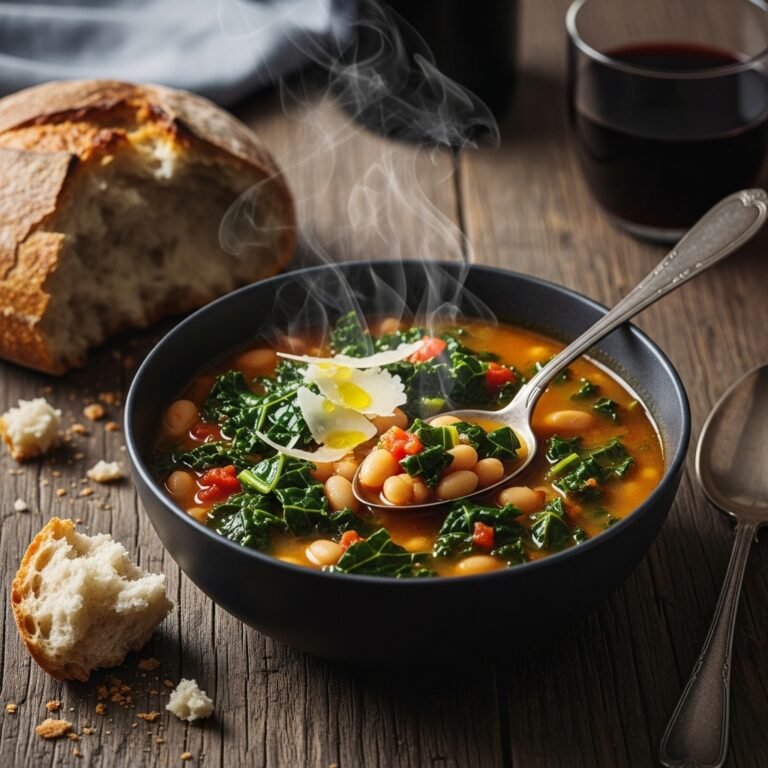
Soul-Warming Moroccan Chickpea and Vegetable Stew: A Vegan Feast
Moroccan Chickpea And Vegetable Stew Recipe
Experience the vibrant flavors of North Africa with this hearty Moroccan Chickpea and Vegetable Stew. Bursting with warming spices like cumin and cinnamon, tender sweet potatoes, and protein-packed chickpeas, this one-pot wonder is the ultimate comfort food for any night of the week.
20 minutes
40 minutes
1 hour
6 servings
Main Course
Stovetop
Moroccan
Vegan
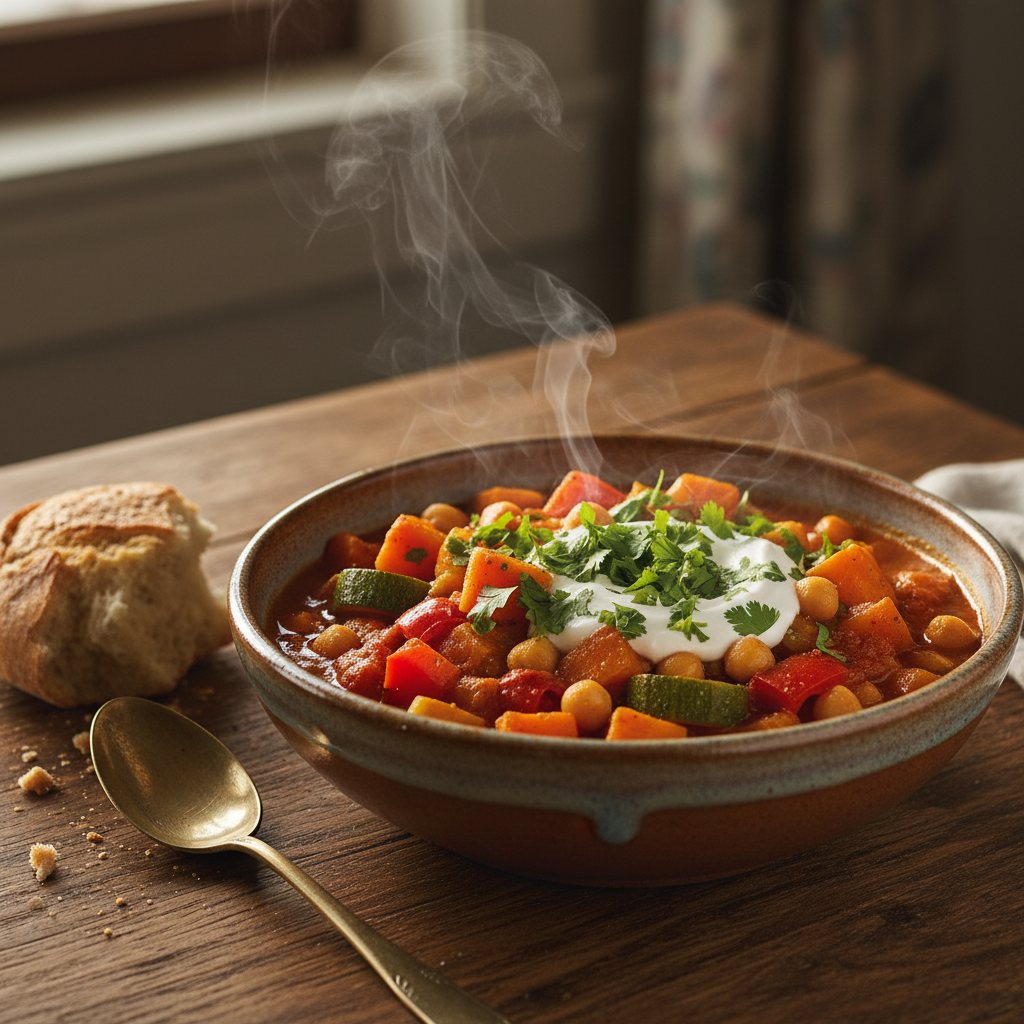
There is something undeniably magical about the way scents can transport you to a different corner of the world, and this Moroccan Chickpea and Vegetable Stew is a first-class ticket to the bustling spice markets of Marrakesh. As the stew simmers, your kitchen will be filled with an intoxicating aroma of toasted cumin, coriander, cinnamon, and ginger, promising a meal that is as comforting as it is flavorful. This dish is a celebration of texture and balance; the creaminess of the chickpeas contrasts beautifully with the tender chunks of sweet potato and the slight crunch of fresh bell peppers, while the broth strikes a perfect harmony between savory, spicy, and subtly sweet notes derived from dried apricots or golden raisins. Unlike many heavy stews that leave you feeling weighed down, this vegetable-forward recipe is surprisingly light yet incredibly satiating, thanks to the fiber-rich chickpeas and abundance of fresh produce. It is a dish that embodies the concept of ‘eating the rainbow,’ featuring deep reds from tomatoes, vibrant oranges from carrots and sweet potatoes, and fresh greens from a finishing scatter of cilantro. Whether you are a dedicated vegan, a health-conscious foodie, or simply someone looking to spice up their weeknight dinner rotation, this stew delivers on all fronts. It is robust enough to stand alone as a main course but versatile enough to be served alongside fluffy couscous or crusty bread. This recipe is not just about sustenance; it is about slowing down and savoring the rich, complex culinary heritage of North Africa right at your dining table.
History & Origins
The culinary traditions of Morocco are as diverse and colorful as the country’s history itself, serving as a melting pot of Berber, Arab, Andalusian, and Mediterranean influences. This Chickpea and Vegetable Stew draws heavy inspiration from the traditional ‘Tagine,’ a slow-cooked savory stew named after the distinctive earthenware pot with a conical lid in which it is cooked. The Berbers, the indigenous people of North Africa, are credited with the invention of the tagine pot, which was designed to capture steam and return moisture to the food, a crucial innovation in arid climates. Over centuries, as trade routes expanded, exotic spices were introduced to the region. The Arabs brought spices like cinnamon, ginger, and saffron from the East, while the Moors introduced olives and olive oil from Andalusia. The inclusion of tomatoes and potatoes came much later, following the Columbian Exchange, yet they were quickly adopted into the local gastronomy. Chickpeas, or ‘garbanzo beans,’ have been a staple in the Mediterranean and Middle East for thousands of years, valued for their long shelf life and high nutritional content. In traditional Moroccan cooking, meals are often communal, served from a single central plate where families gather around to eat, often using bread as a utensil. This stew honors those communal roots, offering a large, bountiful yield meant to be shared. While this recipe is adapted for a modern stovetop Dutch oven rather than a clay tagine, it respects the ancient method of layering flavors and slow-simmering ingredients to create a sauce that is rich, complex, and deeply steeped in history.
Why This Recipe Works
This recipe succeeds because it meticulously builds layers of flavor rather than dumping everything into the pot at once. We start by blooming the spices—cumin, coriander, turmeric, cinnamon, and smoked paprika—in hot oil. This technique, often used in Indian and North African cooking, releases the essential oils in the spices, making their flavor far more potent and aromatic than if they were simply boiled in liquid. The choice of ingredients also plays a pivotal role in the success of this dish. We use sweet potatoes and carrots to provide a natural earthiness and sweetness that counteracts the acidity of the canned tomatoes. The addition of a handful of dried fruit, such as chopped apricots or golden raisins, is the ‘secret weapon’ here; it provides occasional bursts of sweetness that cut through the savory, spiced broth, creating a complex flavor profile known as ‘agrodolce’ in the Mediterranean—a sweet and sour balance that keeps the palate engaged. Furthermore, the use of chickpeas acts as a perfect sponge, absorbing the spiced tomato broth while retaining their shape and texture, ensuring the stew doesn’t turn into mush. Finally, finishing the dish with fresh lemon juice and cilantro brightens the heavy, warm flavors, adding a necessary acidic ‘lift’ right at the end. This balance of fat, acid, heat, and sweet is why this specific version of the stew yields restaurant-quality results at home.
Why You’ll Love This Recipe
- ✓One-pot meal for easy cleanup
- ✓High in plant-based protein and fiber
- ✓Freezer-friendly and perfect for meal prep
- ✓Naturally vegan and gluten-free
- ✓Rich, complex flavor profile ready in under an hour
Equipment You’ll Need
- ✓Large Dutch oven or heavy-bottomed pot
- ✓Chef’s knife
- ✓Cutting board
- ✓Measuring spoons and cups
- ✓Wooden spoon
- ✓Can opener
Ingredients
- ✓2 tbsp olive oil
- ✓1 large yellow onion, diced
- ✓3 cloves garlic, minced
- ✓2 large carrots, peeled and sliced into rounds
- ✓1 large sweet potato, peeled and cubed (1-inch pieces)
- ✓1 red bell pepper, diced
- ✓2 tsp ground cumin
- ✓1 tsp ground coriander
- ✓1 tsp ground cinnamon
- ✓1 tsp ground turmeric
- ✓1/2 tsp smoked paprika
- ✓1/4 tsp cayenne pepper (optional for heat)
- ✓2 cans (15 oz each) chickpeas, rinsed and drained
- ✓1 can (28 oz) crushed tomatoes
- ✓3 cups vegetable broth
- ✓1/3 cup dried apricots, chopped (or golden raisins)
- ✓Salt and black pepper to taste
- ✓1 lemon, juiced
- ✓1/2 cup fresh cilantro, chopped
- ✓Greek yogurt or coconut yogurt for serving (optional)
Instructions
- Heat the olive oil in a large Dutch oven over medium heat. Once shimmering, add the diced onion and cook for 5 minutes until translucent and soft.
- Add the sliced carrots and red bell pepper to the pot. Cook for another 5-7 minutes, stirring occasionally, until the vegetables begin to soften.
- Add the minced garlic, cumin, coriander, cinnamon, turmeric, smoked paprika, and cayenne pepper. Stir constantly for 1 minute until the spices are fragrant. Be careful not to burn the garlic.
- Stir in the cubed sweet potatoes, ensuring they are coated in the spice mixture.
- Pour in the crushed tomatoes (with their juices) and the vegetable broth. Stir well to combine, scraping up any browned bits from the bottom of the pot.
- Add the rinsed chickpeas and chopped dried apricots. Season generously with salt and black pepper.
- Bring the mixture to a boil, then reduce the heat to low. Cover the pot and let it simmer gently for 25-30 minutes, or until the sweet potatoes are fork-tender.
- Remove the lid and let it simmer for an additional 5-10 minutes if you prefer a thicker stew consistency.
- Remove from heat. Stir in the fresh lemon juice and half of the chopped cilantro. Taste and adjust seasoning, adding more salt or lemon if needed.
- Ladle into bowls and garnish with the remaining cilantro and a dollop of yogurt if desired. Serve warm with crusty bread or over couscous.
Expert Cooking Tips
- ✓Toast your spices: Do not skip the step of cooking the spices in the oil and onions; this ‘blooming’ process is essential for depth of flavor.
- ✓Cut veggies uniformly: Ensure your sweet potato cubes are roughly the same size so they cook evenly.
- ✓Control the texture: If you prefer a creamier stew, you can take a potato masher and lightly mash some of the sweet potatoes and chickpeas directly in the pot before serving.
- ✓Let it rest: Like many stews, this tastes even better the next day after the flavors have had time to meld together.
- ✓Adjust the liquid: If the stew becomes too thick while simmering, splash in a little more broth or water.
Substitutions and Variations
This recipe is incredibly flexible and forgiving. If you don’t have sweet potatoes, butternut squash or regular Yukon Gold potatoes make excellent alternatives, though squash may cook slightly faster. For the greens, you can stir in fresh spinach or kale during the last 5 minutes of cooking for an extra nutrient boost. If you are out of chickpeas, white beans (cannellini) or lentils work well, though lentils will change the cooking time and liquid ratio. The dried apricots add a traditional sweetness, but golden raisins, regular raisins, or chopped dates are perfect substitutes. If you don’t have fresh garlic, use 1 teaspoon of garlic powder, adding it with the other spices. For those who are not strictly vegan, chicken broth can replace vegetable broth for a richer flavor. Finally, if you lack the individual spices, a high-quality ‘Ras el Hanout’ spice blend can be used as a comprehensive substitute.
Common Mistakes to Avoid
One of the most common mistakes is rushing the onion sautéing process; taking the time to soften the onions builds the savory base of the dish. Another pitfall is adding the garlic too early; garlic burns much faster than onions, so it should always go in for just the last minute of the aromatics stage. Overcooking the sweet potatoes is another issue; they should be tender but not disintegrating, or the stew will lose its varied texture. Be careful with the cayenne pepper; spice levels can vary by brand, so start with less and add more to taste. Lastly, do not forget the acid! The lemon juice added at the end is crucial for cutting through the richness of the stew; omitting it will leave the dish tasting flat.
Serving Suggestions
This stew is a complete meal on its own, but it pairs wonderfully with a variety of sides. Traditionally, it is delicious served over fluffy couscous, which soaks up the flavorful sauce. For a gluten-free option, serve it over quinoa or steamed jasmine rice. Warm, crusty bread or warm pita is excellent for dipping. To elevate the presentation, top each bowl with a dollop of plain Greek yogurt (or coconut yogurt for vegans), a sprinkle of toasted sliced almonds for crunch, and extra fresh herbs. A side of marinated olives or a simple cucumber and tomato salad with mint adds a refreshing contrast to the warm, spiced stew.
Storage and Reheating Tips
This stew stores beautifully and is an excellent candidate for meal prep. Allow the stew to cool completely to room temperature before transferring it to an airtight container. It will keep in the refrigerator for up to 4-5 days. For freezing, portion the cooled stew into freezer-safe bags or containers, leaving about an inch of space for expansion. It can be frozen for up to 3 months. To reheat, thaw overnight in the refrigerator if frozen, then warm gently on the stovetop over medium-low heat, adding a splash of water or broth if the stew has thickened too much. You can also reheat individual portions in the microwave, stirring halfway through heating.
Nutrition Facts (Estimated)
| Serving Size | 1 bowl (approx 350g) |
| Calories | 320 |
| Fat | 8g |
| Saturated Fat | 1g |
| Unsaturated Fat | 6g |
| Trans Fat | 0g |
| Cholesterol | 0mg |
| Sodium | 450mg |
| Carbohydrates | 52g |
| Fiber | 14g |
| Sugar | 12g |
| Protein | 12g |
Frequently Asked Questions
Can I make this in a slow cooker?
Yes! Sauté the onions, garlic, and spices in a pan first to unlock their flavor, then transfer everything to the slow cooker. Cook on Low for 6-8 hours or High for 3-4 hours.
Is this recipe spicy?
It has a warmth to it from the spices, but it isn’t necessarily ‘hot’ unless you add the cayenne pepper. You can omit the cayenne entirely for a mild, kid-friendly version.
What is Ras el Hanout and can I use it here?
Ras el Hanout is a famous Moroccan spice blend. Yes, you can use about 2 tablespoons of it in place of the individual cumin, coriander, cinnamon, and turmeric listed in this recipe.
Can I use dried chickpeas instead of canned?
Absolutely. You will need to soak and cook the dried chickpeas separately until they are tender before adding them to the stew, or the cooking time will be significantly longer.
How can I add more protein to this dish?
While chickpeas are a great source of protein, you can also add quinoa, tofu, or even stir in some red lentils (adjusting liquid as needed). For non-vegans, shredded chicken or lamb works well.
Can I use pumpkin instead of sweet potato?
Yes, pumpkin or butternut squash are great substitutes. Just keep an eye on them as they may cook faster than sweet potatoes.
Is this dish gluten-free?
Yes, the stew itself is naturally gluten-free. Just ensure you serve it with gluten-free sides like rice or gluten-free bread.
What if I don’t like cilantro?
Fresh parsley is a perfect substitute for cilantro in this dish, offering a fresh, herbal note without the soapy flavor some people perceive in cilantro.
Do I have to peel the sweet potatoes?
It is recommended for the best texture, but if you wash them thoroughly, you can leave the skin on for extra fiber and a more rustic feel.
Why does my stew taste bland?
Stews often need a generous amount of salt to bring out the flavors of the vegetables. Try adding a bit more salt and definitely don’t skip the lemon juice at the end!
Conclusion
This Moroccan Chickpea and Vegetable Stew is more than just a recipe; it is a comforting embrace in a bowl. It proves that healthy, plant-based eating does not have to mean sacrificing flavor or satisfaction. With its rich tapestry of spices, hearty vegetables, and tender chickpeas, it satisfies the appetite and warms the soul. Whether you are cooking for a crowd or prepping lunches for the week, this stew is reliable, forgiving, and endlessly delicious. We hope this dish brings a touch of Moroccan warmth to your kitchen. Don’t forget to pin this recipe for later and share your creation with us on social media!