Lighter White Bean and Kale Sausage Soup: A Cozy, Nutrient-Packed Weeknight Dinner
White Bean And Kale Sausage Soup Lighter Recipe
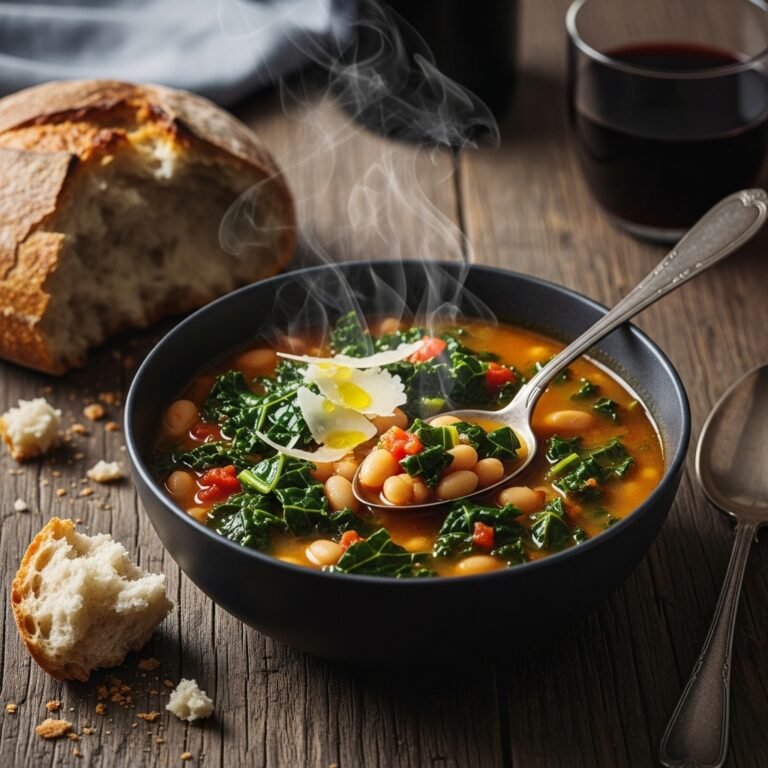
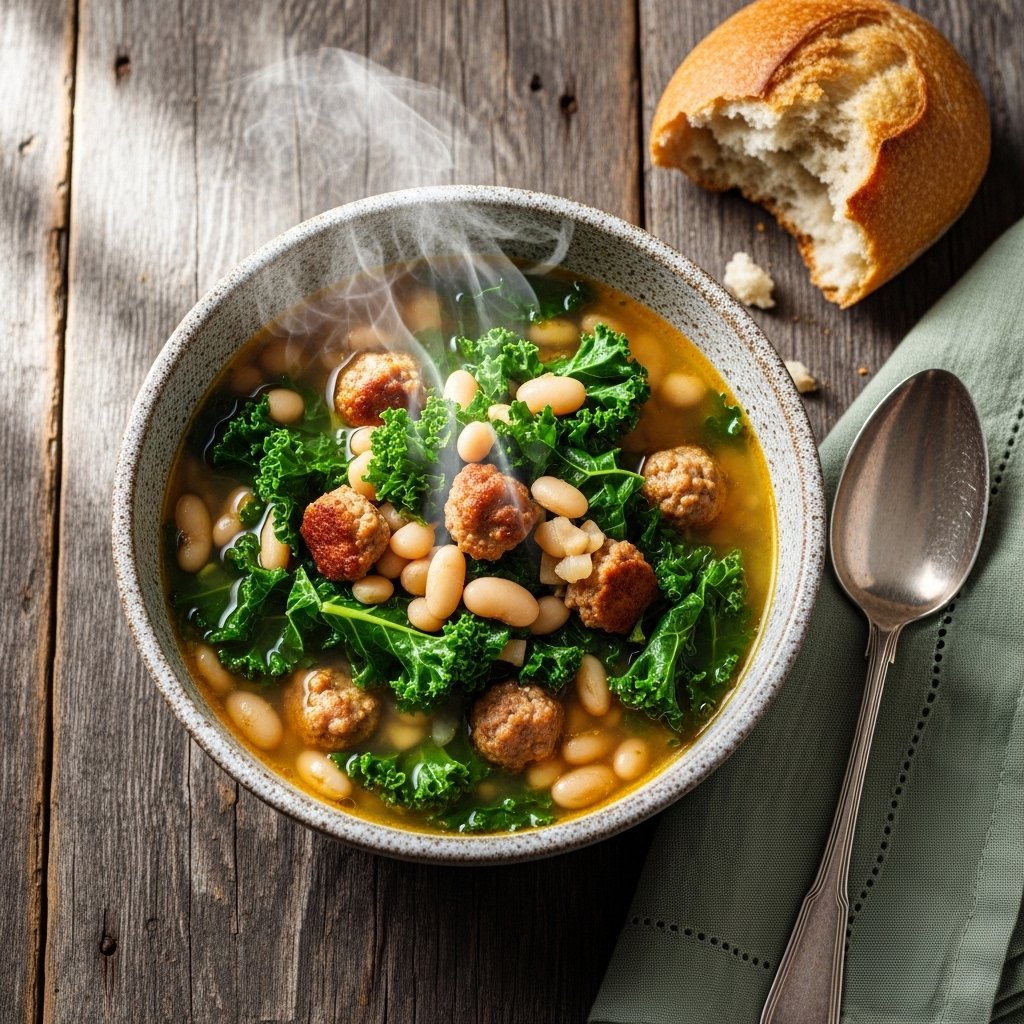
This lighter take on the classic Tuscan soup marries creamy white beans, tender kale, and savory sausage in a flavorful broth without the heavy cream. It is a wholesome, high-protein meal that comes together in under 45 minutes, perfect for warming up chilly evenings.
15 minutes
30 minutes
45 minutes
6 servings
Main Course
Stovetop
Italian-American
Gluten-Free
There is something profoundly comforting about a bowl of soup that manages to be both hearty and light at the same time. This Lighter White Bean and Kale Sausage Soup is the culinary equivalent of a warm embrace on a rainy day. While many traditional creamy sausage soups rely heavily on heavy cream or potatoes to create body, this recipe takes a different, more vibrant approach. We focus on the natural creaminess of cannellini beans—mashing half of them to thicken the broth naturally—and the robust texture of fresh kale to create a soup that satisfies hunger without weighing you down.
The magic of this dish lies in the layering of flavors. We start with a foundation of aromatic vegetables—onions, carrots, and celery—sautéed until tender, releasing their natural sugars. The addition of lean turkey or chicken sausage provides that essential savory punch and fennel-infused richness, but with significantly less saturated fat than traditional pork sausage. As the soup simmers, the kale wilts just enough to become tender while retaining its structural integrity and bright green hue, offering a delightful chew against the softness of the white beans.
What truly elevates this soup from ‘good’ to ‘unforgettable’ is the finish. A splash of fresh lemon juice added right at the end brightens the entire pot, cutting through the savory notes and highlighting the earthiness of the greens. A sprinkle of red pepper flakes adds a gentle heat that lingers on the palate. This soup isn’t just a meal; it is a testament to how simple, wholesome ingredients can come together to create something deeply nourishing. Whether you are meal-prepping for a busy week or looking for a quick, healthy dinner that the whole family will love, this recipe delivers on all fronts. It is rustic, elegant, and incredibly good for you.
History & Origins
The lineage of white bean and kale soup can be traced back to the rustic kitchens of Tuscany, Italy. This region is famous for its ‘cucina povera’ or ‘peasant cooking,’ a culinary philosophy that emphasizes utilizing simple, locally available, and inexpensive ingredients to create filling and nutritious meals. Historically, beans were a staple protein source for the working class in Italy, earning Tuscans the nickname ‘mangiafagioli’ or ‘bean eaters.’
One of the most famous ancestors of this dish is ‘Ribollita,’ a hearty potage made with bread, cannellini beans, lacinato kale (often called Tuscan kale or dinosaur kale), and inexpensive vegetables. Unlike the soup we are making today, Ribollita was traditionally a way to use up leftover minestrone or vegetable soup, reboiled (‘ribollita’) with stale bread to thicken it into a porridge-like consistency. Another close relative is ‘Zuppa Toscana,’ popularized in America by restaurant chains, which typically features spicy sausage, potatoes, and a heavy splash of cream.
Our lighter version bridges the gap between these historical giants. It borrows the bean-forward, vegetable-centric focus of the traditional Tuscan stews but incorporates the savory sausage element of the Zuppa Toscana, all while modernizing the nutritional profile. In the mid-20th century, as Italian immigrants brought their food traditions to the United States, these soups evolved. The introduction of commercially available kale in American supermarkets in the 2000s saw a resurgence of these rustic recipes, transforming them from old-world staples into modern superfood bowls. Today, this soup represents a beautiful blend of old-world Italian practicality and modern health-conscious sensibilities, celebrating the timeless combination of greens and beans.
Why This Recipe Works
This recipe works exceptionally well because it employs specific culinary techniques to maximize flavor and texture while minimizing calories. First, the decision to use lean chicken or turkey sausage instead of high-fat pork sausage is crucial. It provides the necessary protein and savory spices (like fennel, sage, and garlic) that flavor the broth, but it prevents the soup from becoming greasy. This keeps the mouthfeel clean and light.
Secondly, the texture management in this soup is scientifically designed for satisfaction. By blending or mashing a portion of the white beans before adding them back to the pot, we release their starch into the liquid. This creates a velvety, rich consistency that mimics the mouthfeel of heavy cream or flour-based rouxs, but with added fiber and zero dairy. It binds the broth to the ingredients so that every spoonful is cohesive rather than watery.
Thirdly, the timing of the kale addition is key. Kale is a robust cruciferous vegetable that requires heat to break down its fibrous cell walls, but overcooking it leads to a mushy texture and a loss of vibrant color. By adding the kale in the final few minutes of simmering, we ensure it remains ‘al dente’ and retains its potent vitamins and antioxidants. Finally, the acid-fat balance is perfected with the lemon juice garnish. The acidity neutralizes any heaviness from the sausage and beans, stimulating the taste buds and making the salt and herbs taste more pronounced without actually adding more sodium. This interplay of texture, timing, and acidity guarantees a restaurant-quality result at home.
Why You’ll Love This Recipe
- ✓Under 400 calories per serving but incredibly filling.
- ✓High in fiber and protein due to the white beans and kale.
- ✓Dairy-free creaminess achieved by mashing beans.
- ✓One-pot meal for easy cleanup.
- ✓Freezes beautifully for healthy meal prep.
Equipment You’ll Need
- ✓Large Dutch oven or heavy-bottomed soup pot
- ✓Wooden spoon
- ✓Chef’s knife
- ✓Cutting board
- ✓Potato masher or immersion blender
- ✓Measuring cups and spoons
Ingredients
- ✓1 tbsp olive oil
- ✓1 lb spicy or mild Italian turkey sausage (casings removed)
- ✓1 large yellow onion, diced
- ✓3 large carrots, peeled and diced
- ✓2 stalks celery, diced
- ✓4 cloves garlic, minced
- ✓6 cups low-sodium chicken or vegetable broth
- ✓2 (15 oz) cans cannellini beans, drained and rinsed
- ✓1 tsp dried oregano
- ✓1/2 tsp dried thyme
- ✓1/4 tsp red pepper flakes (optional)
- ✓1 bunch curly kale or lacinato kale, stems removed and chopped
- ✓1 tbsp fresh lemon juice
- ✓Salt and black pepper to taste
- ✓Freshly grated Parmesan cheese (for serving)
Instructions
- Heat the olive oil in a large Dutch oven or soup pot over medium-high heat.
- Add the turkey sausage to the pot. Break it apart with a wooden spoon and cook until browned and cooked through, about 5-7 minutes. Transfer the sausage to a plate lined with paper towels, leaving about 1 tablespoon of fat in the pot (add a little more olive oil if the pot is too dry).
- Add the chopped onion, carrots, and celery to the pot. Sauté for 5-6 minutes until the onions are translucent and the vegetables begin to soften.
- Stir in the minced garlic, oregano, thyme, and red pepper flakes. Cook for another minute until fragrant, being careful not to burn the garlic.
- Pour in the chicken broth and scrape the bottom of the pot to release any browned bits (fond).
- Take one can of the rinsed cannellini beans and mash them with a fork or potato masher until smooth. Alternatively, blend them with a splash of broth. Add both the mashed beans and the whole beans (from the second can) into the pot.
- Return the cooked sausage to the pot. Bring the mixture to a boil, then reduce the heat to low and simmer, uncovered, for 15 minutes to allow flavors to meld.
- Stir in the chopped kale. Simmer for an additional 3-5 minutes, or until the kale is wilted and tender but still bright green.
- Remove from heat. Stir in the fresh lemon juice. Taste and adjust seasoning with salt and black pepper as needed.
- Ladle into bowls and serve hot, topped with freshly grated Parmesan cheese if desired.
Expert Cooking Tips
- ✓Use a parmesan rind: If you have a leftover rind from a block of parmesan cheese, throw it into the broth while it simmers for a massive umami boost. Remove before serving.
- ✓Don’t skip the mash: Mashing half the beans is the secret to the creamy texture without dairy. Do not skip this step!
- ✓Kale preparation: Massage the kale briefly with your hands before chopping to break down some fibers, or remove the tough stems completely for a better texture.
- ✓Sausage choice: If you can’t find bulk sausage, buy links and squeeze the meat out of the casings.
- ✓Broth quality: Since this is a broth-based soup, use a high-quality bone broth or vegetable stock for the best depth of flavor.
- ✓Acid adjustment: If the soup tastes ‘flat’ after cooking, it likely needs more lemon juice or a splash of white wine vinegar, not just more salt.
Substitutions and Variations
This recipe is incredibly versatile and forgiving. If you cannot find cannellini beans, Great Northern beans or Navy beans are excellent substitutes as they also have a creamy texture. Chickpeas can work in a pinch, though the soup will be less creamy. For the greens, if you aren’t a fan of kale, Swiss chard or fresh spinach are great alternatives; just note that spinach wilts much faster, so add it in the last minute of cooking. Vegetarian or vegan? Simply swap the turkey sausage for a plant-based sausage crumble or use smoked paprika and fennel seeds to mimic the sausage flavor, and use vegetable broth instead of chicken broth. You can also omit the sausage entirely and add more beans or diced potatoes for bulk. If you don’t have fresh lemon, a splash of apple cider vinegar provides a similar brightening effect.
Common Mistakes to Avoid
The most common mistake with this soup is overcooking the kale. Kale can turn an unappealing brownish-green and become slimy if boiled for too long. Make sure to add it only at the very end. Another mistake is under-seasoning the vegetables during the sauté phase. It is important to season your onions, carrots, and celery with a pinch of salt as they cook to build flavor layers. Also, be wary of the sodium content in your broth and canned beans; always rinse your beans thoroughly to remove excess salt and metallic tastes, and opt for low-sodium broth so you can control the seasoning yourself. Finally, don’t let the garlic burn when you add it to the hot oil; burned garlic will introduce a bitter taste that permeates the entire batch.
Serving Suggestions
This soup is a complete meal on its own, but it pairs beautifully with a slice of crusty, whole-grain artisan bread or a piece of garlic naan for dipping. For a lighter pairing, serve it alongside a crisp arugula salad with a lemon vinaigrette to echo the citrus notes in the soup. If you want to add a touch of luxury, drizzle a high-quality extra virgin olive oil over the top just before serving, or add a dollop of pesto for a basil-infused twist. A glass of crisp white wine, such as a Pinot Grigio or Sauvignon Blanc, complements the herbal and citrus elements of the dish perfectly.
Storage and Reheating Tips
This soup stores exceptionally well, making it a prime candidate for meal prep. Allow the soup to cool completely before transferring it to airtight containers. It will keep in the refrigerator for up to 4-5 days. In fact, the flavors often improve the next day as the ingredients have more time to mingle. To freeze, place cooled soup in freezer-safe bags or containers, leaving about an inch of space for expansion. It can be frozen for up to 3 months. When reheating, thaw overnight in the fridge and warm it on the stovetop over medium heat. You may need to add a splash of water or broth if the soup has thickened too much in the fridge.
Nutrition Facts (Estimated)
| Serving Size | 1.5 cups |
| Calories | 320 |
| Fat | 10g |
| Saturated Fat | 2.5g |
| Unsaturated Fat | 7g |
| Trans Fat | 0g |
| Cholesterol | 45mg |
| Sodium | 680mg |
| Carbohydrates | 34g |
| Fiber | 9g |
| Sugar | 4g |
| Protein | 24g |
Frequently Asked Questions
Can I use frozen kale instead of fresh?
Yes, absolutely. Frozen kale is a convenient substitute. Since it is usually pre-blanched, you can add it directly to the pot. You might need slightly less cooking time at the end.
Is this soup spicy?
It depends on the sausage you choose. If you use ‘hot’ Italian sausage and the red pepper flakes, it will have a kick. To keep it mild, use sweet Italian sausage and omit the red pepper flakes.
Can I make this in a slow cooker?
Yes. Brown the sausage and aromatics in a skillet first, then transfer everything (except the kale and lemon juice) to the slow cooker. Cook on Low for 6-7 hours or High for 3-4 hours. Stir in the kale and lemon juice during the last 30 minutes.
How can I make this soup thicker?
If mashing half the beans didn’t make it thick enough for your liking, you can mix 1 tablespoon of cornstarch with 2 tablespoons of cold water and stir it into the simmering soup. Let it cook for another minute to thicken.
Can I use dried beans instead of canned?
Yes, but you will need to soak and cook the dried beans separately before adding them to the soup, as the acid in the tomatoes (if used) or broth can prevent beans from softening properly. It adds significant time to the recipe.
Is this recipe Whole30 compliant?
It can be! Ensure your sausage is sugar-free and compatible (check labels carefully), and use compliant broth. The beans, however, are legumes, which are generally not allowed on standard Whole30, so this is better suited for a modified plan or general healthy eating.
Can I add potatoes?
Definitely. If you want a heartier soup closer to a Zuppa Toscana, add 2 cups of diced Yukon Gold potatoes along with the broth. You may need to simmer the soup a bit longer (about 15-20 minutes) until the potatoes are tender.
What if I don’t have a potato masher?
You can use a fork to mash the beans on a cutting board before adding them, or use an immersion blender to pulse the soup 2-3 times directly in the pot (be careful not to blend the sausage chunks).
Conclusion
This Lighter White Bean and Kale Sausage Soup proves that healthy eating doesn’t have to mean sacrificing comfort or flavor. By making smart swaps like turkey sausage and using beans for creaminess, you create a meal that feels indulgent but fuels your body with essential nutrients. It is the kind of recipe that stays in your rotation year-round—warming enough for winter, yet light enough for spring. We hope this soup brings a sense of cozy warmth to your kitchen. Don’t forget to pin this recipe for later and leave a comment if you try it!