Ultimate Healthy Quinoa and Black Bean Burrito Bowl with Cilantro Lime Dressing
Quinoa And Black Bean Burrito Bowl Healthy Recipe
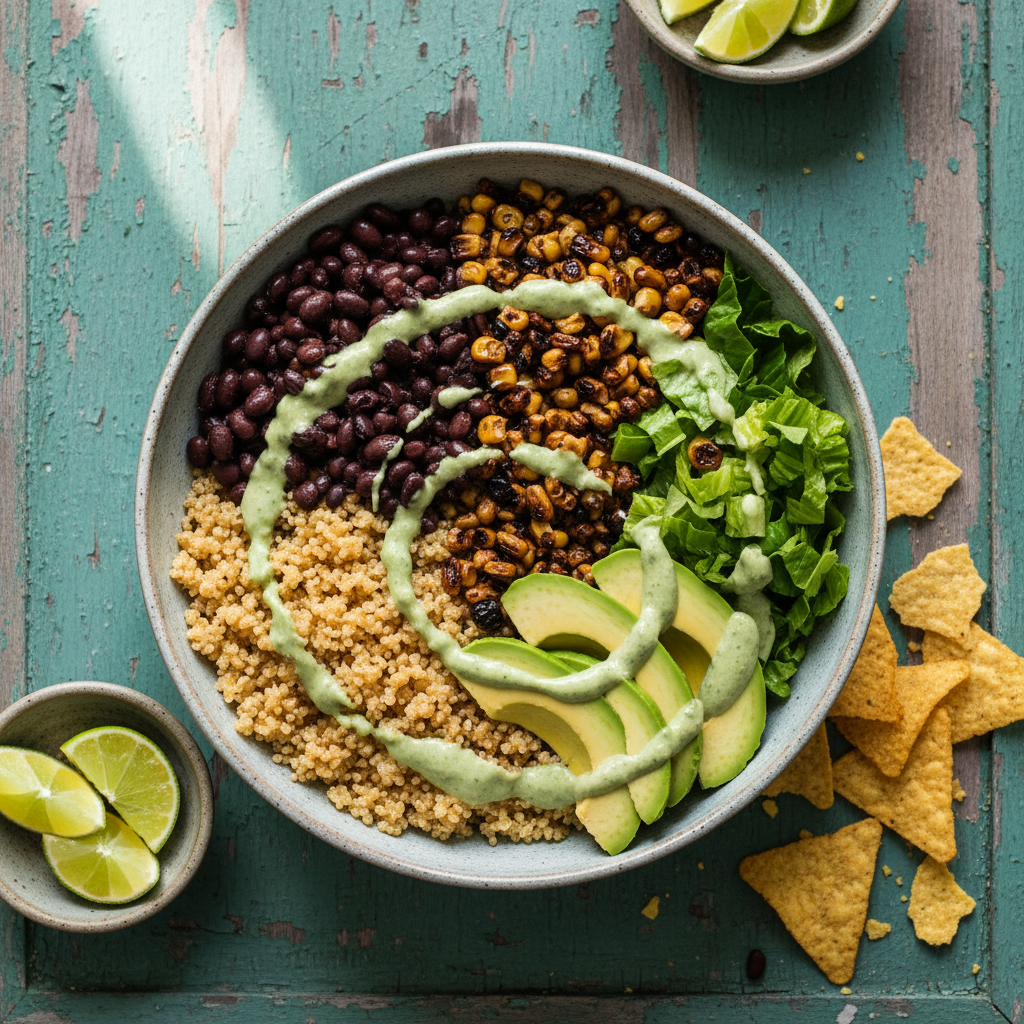
This vibrant Quinoa and Black Bean Burrito Bowl is the ultimate meal-prep champion, packed with plant-based protein and zesty flavors. Ready in under 30 minutes, it features fluffy quinoa, smoky seasoned black beans, and a rainbow of fresh toppings drizzled with a creamy homemade cilantro lime dressing.
15 minutes
20 minutes
35 minutes
4 servings
Main Course
Stovetop
Mexican-Fusion
Gluten-Free
In the world of healthy eating, few dishes manage to bridge the gap between comforting satisfaction and nutritional density quite like the Quinoa and Black Bean Burrito Bowl. We have all experienced the mid-week dinner dilemma: the craving for something savory, spicy, and filling, warring against the desire to keep things light and wholesome. This recipe is the answer to that struggle. It deconstructs the classic, beloved burrito, stripping away the heavy, refined-flour tortilla and replacing the white rice with protein-packed, nutty quinoa. But make no mistake—this is not a salad that leaves you hungry an hour later. It is a robust, hearty meal that stands on its own.
The magic of this bowl lies in the layering of textures and temperatures. You have the warm, earthy base of cumin-spiced quinoa and savory black beans, contrasted against the crisp, cool crunch of fresh romaine lettuce, the juicy burst of cherry tomatoes, and the buttery smoothness of ripe avocado. It is a symphony of mouthfeel that keeps every bite interesting. Furthermore, this dish is a visual feast; the vibrant greens, reds, yellows, and deep blacks create a ‘eat the rainbow’ experience that is as Instagram-worthy as it is delicious.
Perhaps the most critical component, however, is the dressing. A dry burrito bowl is a sad affair, but this recipe includes a zesty, herbaceous Cilantro Lime Dressing that ties everything together. It brightens the earthy grains and cuts through the richness of the avocado. Whether you are a dedicated meal-prepper looking for a lunch that holds up in the fridge, a busy parent needing a 30-minute dinner, or someone exploring plant-based cuisine without sacrificing flavor, this burrito bowl is destined to become a staple in your rotation. It is customizable, allergen-friendly, and undeniably delicious.
History & Origins
To understand the origins of the Burrito Bowl, we must first look at the evolution of the burrito itself and the rise of quinoa as a global superfood. The burrito, traditionally a flour tortilla wrapped around a filling of meat and beans, has roots in Northern Mexico, specifically the state of Chihuahua. However, the massive, overstuffed version we know today—often filled with rice, salsa, cheese, and guacamole—is widely attributed to the ‘Mission Burrito’ style that originated in the Mission District of San Francisco in the 1960s. This style emphasized quantity and variety, becoming a staple of Californian cuisine.
The ‘bowl’ concept is a more modern invention, largely popularized in the early 2000s by fast-casual chains like Chipotle Mexican Grill. As the low-carb diet trends (like Atkins and later Paleo and Keto) gained momentum, consumers sought the flavors of the Mission burrito without the carbohydrate-heavy tortilla. Thus, the ‘naked burrito’ or ‘burrito bowl’ was born, transforming a handheld street food into a fork-and-bowl dining experience.
Parallel to this was the global rediscovery of quinoa. Quinoa (Chenopodium quinoa) is not actually a grain but a seed, cultivated for over 5,000 years by the indigenous peoples of the Andes mountains in South America. The Incas referred to it as the ‘mother grain’ and considered it sacred. Following the Spanish conquest, quinoa cultivation was suppressed in favor of European crops like wheat, only to survive in remote communities. In the 21st century, quinoa exploded onto the Western health food scene due to its status as a complete protein—containing all nine essential amino acids—and its gluten-free nature. This recipe represents the fusion of these two histories: the bold, spicy flavors of Mexican-American street food combined with the ancient, nutrient-dense staple of the Andes, creating a modern classic that reflects our current desire for functional, flavorful nutrition.
Why This Recipe Works
This recipe succeeds because it meticulously addresses the three pillars of a satisfying meal: flavor balance, textural contrast, and macronutrient satiety. Many health-focused bowls fail because they rely on unseasoned grains and raw vegetables, resulting in a bland experience. Here, we treat the quinoa not just as a filler, but as a flavor vehicle. By cooking the quinoa in vegetable broth rather than plain water and infusing it with lime juice and cilantro immediately after cooking, the base of the bowl carries its own weight in flavor.
Secondly, the black beans are not simply drained and dumped from a can. We briefly sauté them with aromatics like garlic, cumin, and smoked paprika. This ‘blooming’ of spices releases their essential oils, deepening the flavor profile and transforming simple canned beans into a savory, smoky protein source that mimics the complexity of slow-cooked meats.
Finally, the dressing acts as the emulsifying agent that marries the hot and cold elements. The acidity of the lime juice and vinegar breaks down the slight bitterness of the greens and cuts through the starchiness of the beans and quinoa. Nutritionally, the combination of fiber from the beans and quinoa, healthy fats from the avocado and olive oil, and protein ensures a slow release of energy, preventing the blood sugar spike and crash associated with white rice burritos. It works because it feels indulgent while being chemically designed to fuel your body efficiently.
Why You’ll Love This Recipe
- ✓High-Protein & Fiber-Rich: Keeps you full for hours.
- ✓Naturally Gluten-Free & Vegan: Suitable for almost all dietary needs.
- ✓Meal-Prep Friendly: Ingredients store well separately for up to 4 days.
- ✓Customizable: A perfect ‘clean out the fridge’ meal.
- ✓Nutrient Dense: Packed with vitamins from fresh, raw veggies.
- ✓Budget-Friendly: Utilizes affordable pantry staples like beans and quinoa.
Equipment You’ll Need
- ✓Fine-mesh sieve
- ✓Medium saucepan with lid
- ✓Large skillet
- ✓Blender or Food Processor
- ✓Chef’s Knife
- ✓Cutting Board
- ✓Measuring cups and spoons
Ingredients
- ✓1 cup uncooked quinoa, rinsed thoroughly
- ✓2 cups vegetable broth (low sodium)
- ✓2 cans (15 oz each) black beans, rinsed and drained
- ✓1 tablespoon olive oil
- ✓1 teaspoon ground cumin
- ✓1 teaspoon smoked paprika
- ✓1/2 teaspoon garlic powder
- ✓1 cup corn kernels (fresh, frozen, or canned)
- ✓2 cups romaine lettuce, chopped
- ✓1 cup cherry tomatoes, halved
- ✓1 large avocado, sliced
- ✓1/4 cup red onion, finely diced
- ✓For the Dressing: 1 cup fresh cilantro (leaves and tender stems)
- ✓For the Dressing: 1/4 cup extra virgin olive oil
- ✓For the Dressing: 2 tablespoons fresh lime juice
- ✓For the Dressing: 1 clove garlic
- ✓For the Dressing: 1 tablespoon maple syrup or agave
- ✓For the Dressing: Salt and pepper to taste
Instructions
- 1. Prepare the Quinoa: Place the quinoa in a fine-mesh sieve and rinse under cold water for at least 30 seconds to remove the bitter saponin coating. In a medium saucepan, combine the rinsed quinoa and vegetable broth. Bring to a boil over high heat, then reduce heat to low, cover, and simmer for 15 minutes or until the liquid is absorbed. Remove from heat and let it sit, covered, for 5 minutes. Fluff with a fork.
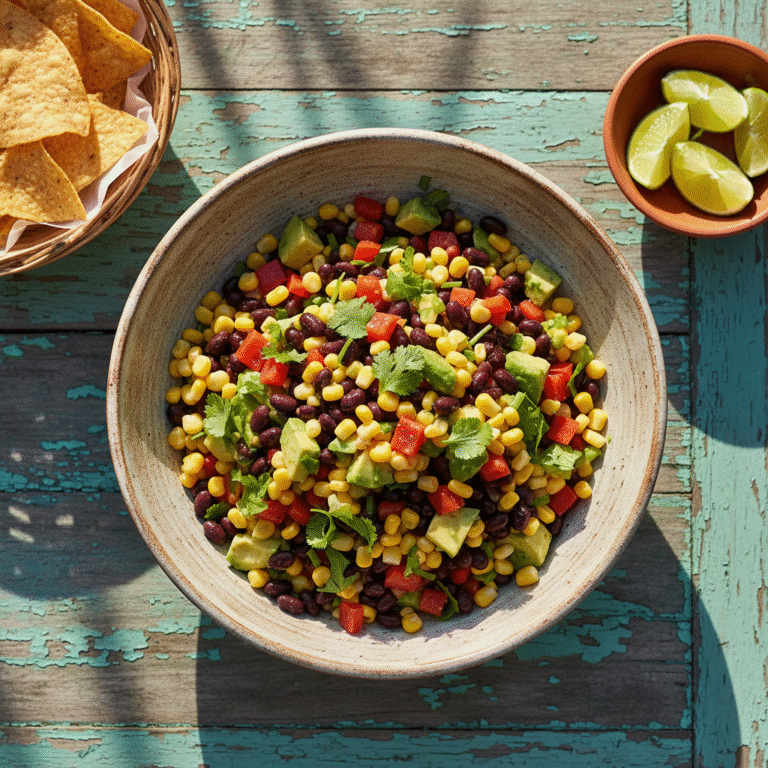
- 2. Season the Beans: While the quinoa cooks, heat 1 tablespoon of olive oil in a large skillet over medium heat. Add the drained black beans and corn. Stir in the cumin, smoked paprika, garlic powder, and a pinch of salt. Sauté for 5-7 minutes until the beans are heated through and fragrant. Remove from heat.
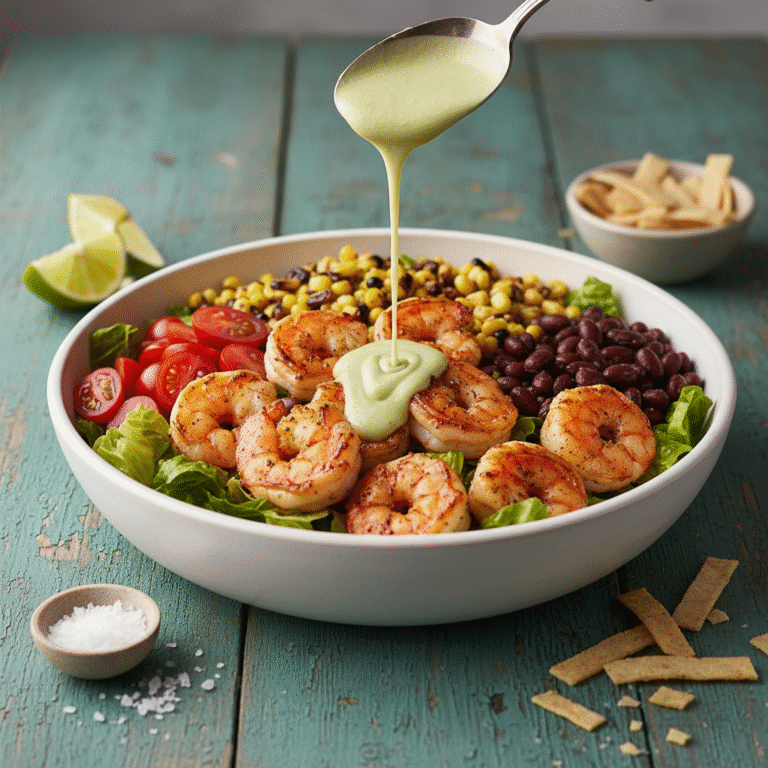
- 3. Make the Dressing: In a blender or food processor, combine the cilantro, 1/4 cup olive oil, lime juice, garlic clove, maple syrup, salt, and pepper. Blend until smooth and creamy. If the dressing is too thick, add water one teaspoon at a time until desired consistency is reached.
- 4. Prep Vegetables: While the cooked components cool slightly, chop the romaine lettuce, halve the cherry tomatoes, dice the red onion, and slice the avocado.
- 5. Assemble the Bowls: Divide the cooked quinoa among four bowls. Top each with an equal portion of the black bean and corn mixture. Arrange the lettuce, tomatoes, avocado, and red onion around the bowl.
- 6. Serve: Drizzle generously with the cilantro lime dressing right before serving. Garnish with extra lime wedges or cilantro if desired.
Expert Cooking Tips
- ✓Rinse the Quinoa: Never skip rinsing quinoa! It is coated in saponin, a natural pesticide that tastes soapy and bitter. A thorough rinse ensures a nutty, pleasant flavor.
- ✓Broth over Water: Cooking grains in vegetable broth instead of water instantly adds depth and savory notes to the base of your bowl.
- ✓Char the Corn: If you have a few extra minutes, cook the corn in a hot, dry cast-iron skillet until it gets slightly charred before adding it to the beans for a smoky flavor.
- ✓Ripen Avocados: To speed up avocado ripening, place them in a paper bag with a banana or apple for 1-2 days.
- ✓Dressing Consistency: Use the dressing as a marinade for chicken or tofu if you decide to add extra protein.
- ✓Texture Check: Don’t overcook the quinoa; it should have a slight bite (al dente) and the little white tails should be visible.
Substitutions and Variations
This recipe is incredibly flexible. If you don’t have quinoa, brown rice, farro, or cauliflower rice (for a low-carb option) make excellent bases. For the protein, pinto beans or chickpeas can easily replace black beans. If you are not strictly vegan, grilled chicken breast, ground turkey, or shredded beef are classic additions. For the dressing, if you have the genetic trait that makes cilantro taste like soap, swap it for flat-leaf parsley or basil, and increase the lime juice slightly for zest. You can also swap the maple syrup for honey. If fresh corn isn’t in season, fire-roasted canned corn adds a great depth of flavor. For a dairy kick, add a sprinkle of cotija cheese, feta, or a dollop of sour cream or Greek yogurt.
Common Mistakes to Avoid
The most common mistake is serving the bowl with wet, mushy quinoa. This happens if you use too much liquid or don’t let it steam off the heat after cooking. Another error is under-seasoning the individual components; remember to salt your quinoa, season your beans, and dress the salad greens. Don’t dress the salad greens until you are ready to eat, otherwise, the acid in the dressing will wilt the lettuce and make the bowl soggy. Finally, avoid using rock-hard, under-ripe avocados; they add an unpleasant waxy texture. If your avocado isn’t ready, guacamole is a better store-bought alternative than bad fresh avocado.
Serving Suggestions
Serve these bowls with a side of warm corn tortillas or a basket of salty tortilla chips for scooping. A cold beverage pairs perfectly with the spices; try a sparkling water with lime, a classic horchata, or a skinny margarita for a festive dinner. If you like heat, put a bottle of Cholula or Tapatío hot sauce on the table. For a dinner party, set up a ‘bar’ style service where guests can build their own bowls from the separate ingredients.
Storage and Reheating Tips
For meal prep, store the cooked quinoa and bean mixture in one container (these can be reheated together) and the cold fresh ingredients (lettuce, tomatoes, onions) in a separate container. Store the dressing in a small jar or dressing cup. The avocado is best cut fresh, but if storing, squeeze lime juice over it and press plastic wrap directly onto the surface to prevent browning. The cooked components will last 4-5 days in the refrigerator. To reheat, microwave the quinoa and beans for 60-90 seconds, then assemble the cold toppings and dressing. You can freeze the quinoa and bean mixture for up to 3 months, but do not freeze the fresh vegetables.
Nutrition Facts (Estimated)
| Serving Size | 1 bowl |
| Calories | 485 |
| Fat | 18g |
| Saturated Fat | 2.5g |
| Unsaturated Fat | 14g |
| Trans Fat | 0g |
| Cholesterol | 0mg |
| Sodium | 420mg |
| Carbohydrates | 62g |
| Fiber | 14g |
| Sugar | 4g |
| Protein | 18g |
Frequently Asked Questions
Is quinoa a complete protein?
Yes, unlike most plant-based grains, quinoa contains all nine essential amino acids that our bodies cannot produce on their own, making it a complete protein source similar to meat.
Can I make this recipe keto-friendly?
To make this keto-friendly, replace the quinoa with cauliflower rice and omit the corn and beans. Increase the avocado and perhaps add a fatty protein like grilled steak or cheese to hit your macro goals.
Why is my quinoa mushy?
Mushy quinoa usually results from overcooking or using too much liquid. Stick to a 1:2 ratio of quinoa to liquid, and crucially, let it sit covered off the heat for 5 minutes to absorb remaining steam.
Can I use canned beans without cooking them?
You can, but sautéing them with spices significantly improves the flavor and texture. If you are in a rush, at least rinse them thoroughly and toss them with the spices before adding to the bowl.
Is this dish spicy?
As written, it is mild with a smoky flavor from the paprika. If you want heat, add cayenne pepper to the beans, use a serrano pepper in the dressing, or top with jalapeños.
How do I keep the avocado from turning brown in meal prep?
Avocado oxidizes quickly. The best method is to cut it fresh. If that’s not possible, toss cubed avocado in plenty of lime juice and store it in an airtight container with as little air as possible.
Can I use instant quinoa?
Yes, instant or ‘boil-in-bag’ quinoa works fine. Just follow the package instructions for cooking times, as they will differ from raw quinoa.
Is this recipe suitable for children?
Absolutely. It is colorful and interactive. For picky eaters, you can serve the ingredients separately on a plate (deconstructed) so they can choose what they eat. You might want to reduce the garlic/onion for very sensitive palates.
Conclusion
The Quinoa and Black Bean Burrito Bowl is more than just a sum of its ingredients; it is a testament to how fresh, whole foods can be transformed into a meal that is comforting, exciting, and deeply nourishing. It proves that ‘fast food’ can be healthy and that plant-based meals can satisfy even the heartiest appetites. By mastering this simple assembly of grains, proteins, and fresh vegetables, you unlock endless variations to keep your healthy eating journey on track. So, grab those limes, rinse that quinoa, and get ready to enjoy a bowl that tastes as good as it makes you feel. Don’t forget to pin this recipe for your next meal-prep Sunday!