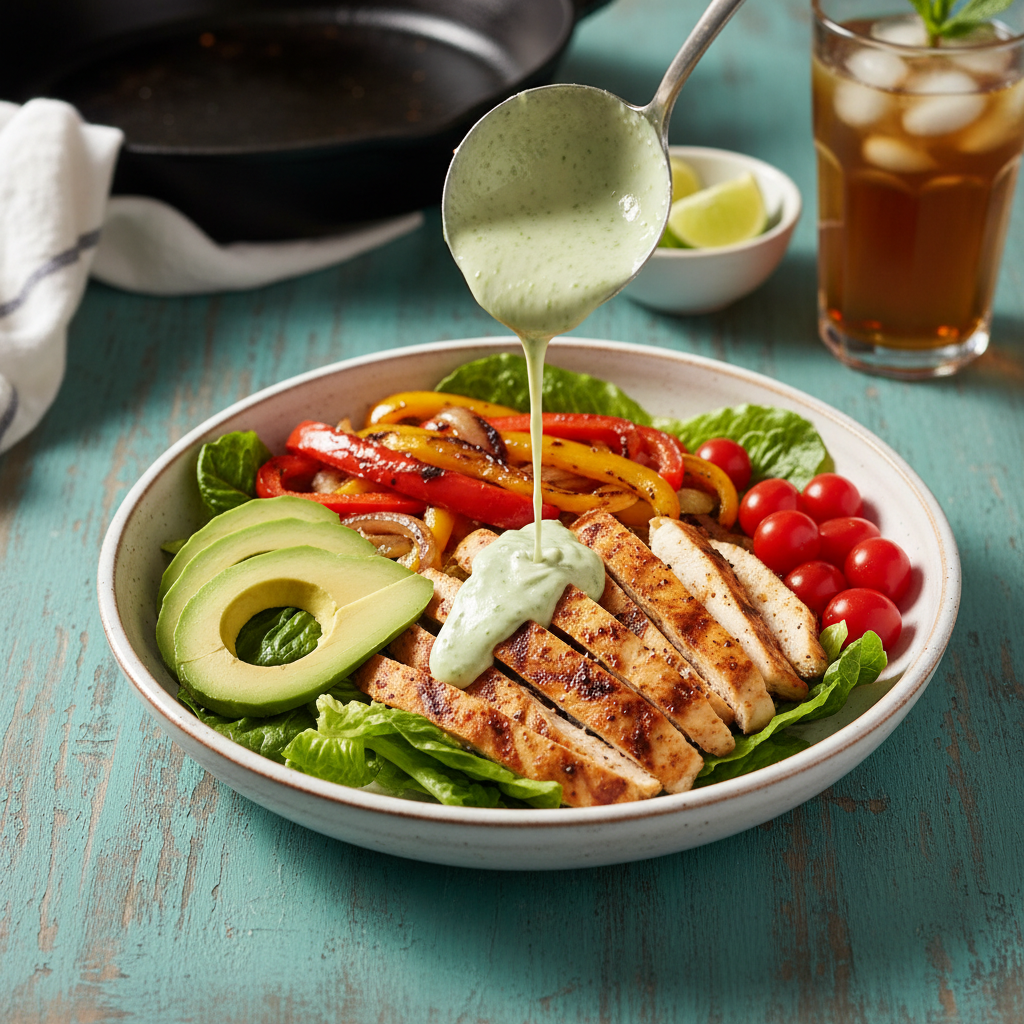
Ultimate Chicken Fajita Salad with Creamy Cilantro-Lime Yogurt Dressing
Chicken Fajita Salad With Yogurt Dressing Recipe
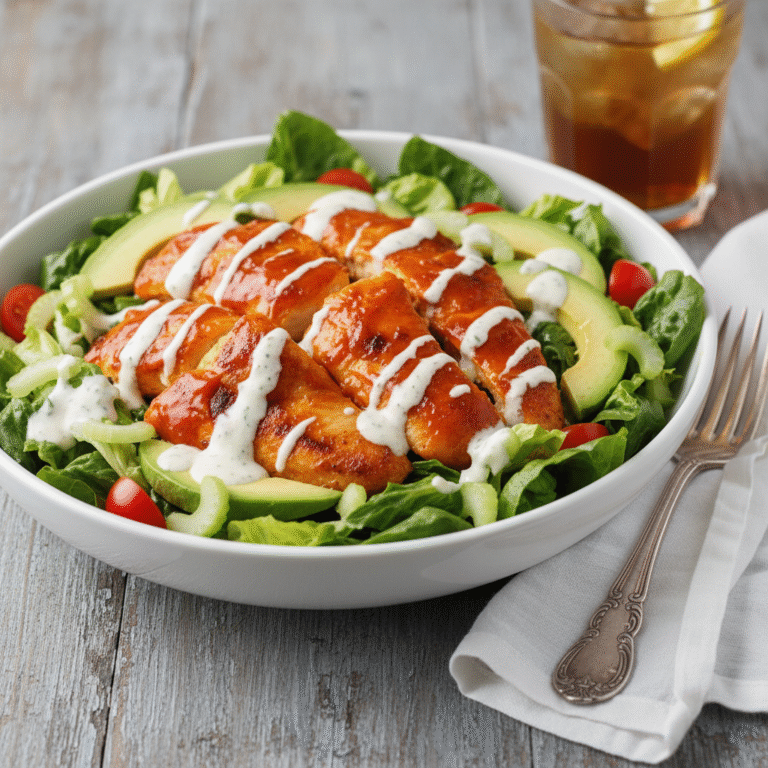
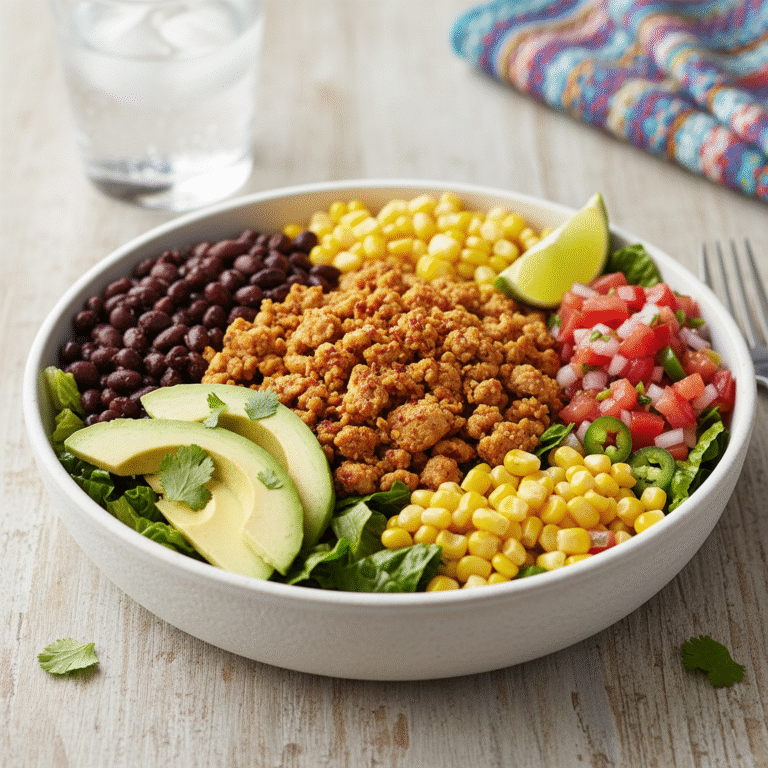
This vibrant Chicken Fajita Salad offers all the sizzling, smoky flavors of your favorite Tex-Mex restaurant without the heavy carbs. Featuring perfectly spiced seared chicken, charred bell peppers, and onions atop a bed of crisp greens, it is finished with a protein-packed, zesty cilantro-lime yogurt dressing that you will want to put on everything.
20 minutes
15 minutes
35 minutes
4 servings
Main Course
Stovetop / Sauté
Tex-Mex
Gluten-Free
There is a distinct, almost magnetic pull that happens the moment a server walks through a restaurant dining room carrying a sizzling cast-iron platter of fajitas. The sound, the rising steam, and the intoxicating aroma of charred peppers and onions sautéed in spices are enough to make anyone’s mouth water. However, traditional fajita platters, often loaded with heavy flour tortillas, mounds of rice, and generous scoops of sour cream, can sometimes leave you feeling weighed down rather than energized. Enter this Ultimate Chicken Fajita Salad with Creamy Cilantro-Lime Yogurt Dressing—a recipe designed to capture that exact sensory experience while delivering a fresh, nutrient-dense meal that fits perfectly into a balanced lifestyle. This dish is a masterclass in texture and temperature contrast. We take the hallmark elements of great fajitas—juicy chicken breast marinated in cumin, chili powder, and lime, alongside sweet bell peppers blistered to perfection—and serve them warm over cool, crunchy romaine lettuce. The result is a salad that feels like a hearty main course rather than a side dish. The real game-changer here, however, is the dressing. Instead of a calorie-laden ranch or a heavy sour cream topping, we utilize Greek yogurt as the base. This provides that essential creamy mouthfeel and cooling counterpoint to the spicy chicken, but with an added boost of protein and probiotics. Infused with fresh cilantro, zesty lime juice, and a kick of garlic, the dressing ties the smoky and fresh elements together seamlessly. Whether you are meal-prepping for a busy work week, looking for a lighter summer dinner, or simply craving Tex-Mex flavors on a Tuesday night, this salad checks every box. It is vibrant, colorful, deeply flavorful, and proves that eating healthy does not mean sacrificing the comfort food factor.
History & Origins
The history of the fajita is a fascinating tale of culinary evolution that traces its roots back to the ranch lands of South Texas and Northern Mexico in the 1930s and 1940s. The term ‘fajita’ is derived from the Spanish word ‘faja,’ meaning ‘belt’ or ‘girdle,’ which referred to the diaphragm muscle of the steer, known as skirt steak. During cattle roundups, ranch hands (vaqueros) were often given the less desirable cuts of meat as part of their pay. To make this tough cut of beef palatable, the vaqueros learned to pound the meat to tenderize it, marinate it in lime juice to break down the fibers, and grill it rapidly over hot mesquite coals. For decades, this dish remained a regional secret, a backyard staple known only to the families of the Rio Grande Valley. It wasn’t until the late 1960s and early 1970s that the fajita began its ascent into mainstream American dining. Sonny Falcon, often called ‘The Fajita King,’ opened the first commercial fajita taco stand in Kyle, Texas, in 1969. Shortly after, Ninfa Laurenzo of the legendary Ninfa’s in Houston began serving ‘tacos al carbon’ on sizzling platters, popularizing the theatrical presentation we know today. As the dish exploded in popularity across the United States in the 1980s, the definition of fajitas expanded. No longer restricted to skirt steak, menus began offering shrimp, vegetable, and chicken fajitas to cater to broader tastes. The Chicken Fajita Salad is the modern descendant of this lineage. As health-conscious dining trends emerged in the late 90s and 2000s, particularly the low-carb and paleo movements, chefs began deconstructing the classic fajita platter. By removing the tortilla and increasing the ratio of fresh vegetables, the Fajita Salad was born, retaining the soul of the vaqueros’ original campfire cooking while adapting to the dietary needs of the contemporary diner.
Why This Recipe Works
This recipe succeeds because it relies on the fundamental principles of flavor balancing: fat, acid, heat, and texture. First, the marinade serves a dual purpose. The acidity from the lime juice begins to denature the proteins in the chicken, acting as a tenderizer, while the olive oil serves as a vehicle for the fat-soluble spices (cumin, paprika, and chili powder) to penetrate the meat. When this marinated chicken hits the hot skillet, the sugars in the marinade caramelize, creating a flavorful crust (the Maillard reaction) while keeping the interior juicy. Second, the cooking method for the vegetables is crucial. By cooking the peppers and onions over high heat, we achieve a ‘char’ or blister on the skin which mimics the smoky flavor of an outdoor grill, adding depth that boiled or steamed vegetables simply cannot provide. The salad base adds the necessary textural contrast; the crisp, water-heavy romaine lettuce provides a refreshing crunch that cuts through the savory spices of the warm toppings. Finally, the yogurt dressing is the bridge that connects the components. Traditional fajitas use sour cream to cool down the palate. By swapping this for Greek yogurt, we mimic that cooling effect and creamy texture but add a tanginess that brightens the entire dish. The lactic acid in the yogurt pairs exceptionally well with the cilantro and lime, creating a sauce that is rich enough to coat the greens but light enough not to overpower the delicate char on the vegetables.
Why You’ll Love This Recipe
- ✓High-protein and low-carb meal perfect for keto or paleo diets.
- ✓Greek yogurt dressing offers a creamy texture with a fraction of the calories of mayo-based sauces.
- ✓Ready in under 45 minutes, making it ideal for weeknight dinners.
- ✓Versatile components that are excellent for meal prepping ahead of time.
- ✓Delivers authentic Tex-Mex smoky and spicy flavors in a fresh salad format.
Equipment You’ll Need
- ✓Large Cast Iron Skillet or Heavy Bottom Pan
- ✓Chef’s Knife
- ✓Cutting Board
- ✓Small Mixing Bowl (for dressing)
- ✓Large Mixing Bowl (for chicken)
- ✓Whisk
- ✓Tongs
Ingredients
- ✓1.5 lbs Boneless skinless chicken breasts, sliced into strips
- ✓2 tbsp Olive oil, divided
- ✓1 tbsp Fresh lime juice
- ✓2 tsp Chili powder
- ✓1 tsp Ground cumin
- ✓1 tsp Smoked paprika
- ✓1 tsp Garlic powder
- ✓1/2 tsp Salt
- ✓1/2 tsp Black pepper
- ✓1 Large Red bell pepper, sliced
- ✓1 Large Green bell pepper, sliced
- ✓1 Large Yellow onion, sliced into strips
- ✓1 large head Romaine lettuce, chopped
- ✓1 cup Cherry tomatoes, halved
- ✓1 Avocado, sliced
- ✓1/2 cup Plain Greek yogurt (non-fat or full fat)
- ✓1/4 cup Fresh cilantro, chopped
- ✓1 tbsp Lime juice (for dressing)
- ✓1 clove Garlic, minced
- ✓Water or Milk (to thin dressing, approx 1-2 tbsp)
Instructions
- 1. Prepare the Marinade: In a large bowl, combine the sliced chicken strips with 1 tablespoon olive oil, 1 tablespoon lime juice, chili powder, cumin, smoked paprika, garlic powder, salt, and pepper. Toss well to coat evenly. Let it marinate for at least 15 minutes while you prep the vegetables.
- 2. Make the Dressing: While the chicken marinates, prepare the dressing. In a small bowl, whisk together the Greek yogurt, chopped cilantro, 1 tablespoon lime juice, and minced garlic. Add water or milk one tablespoon at a time until the dressing reaches your desired pourable consistency. Season with a pinch of salt to taste. Refrigerate until serving.
- 3. Sear the Vegetables: Heat a large cast-iron skillet over medium-high heat. Add 1/2 tablespoon of olive oil. Once hot, add the sliced bell peppers and onions. Cook for 5-7 minutes, tossing occasionally, until the vegetables are tender-crisp and have nice charred edges. Remove vegetables from the skillet and set aside.
- 4. Cook the Chicken: Wipe the skillet carefully if needed (though the veggie fond adds flavor). Add the remaining 1/2 tablespoon of olive oil. Add the chicken strips in a single layer (cook in batches if necessary to avoid overcrowding). Cook for 3-4 minutes per side undisturbed to get a good sear, then toss and cook until the internal temperature reaches 165°F (74°C).
- 5. Assemble the Salad base: In large serving bowls, create a bed of chopped romaine lettuce. Top with cherry tomatoes.
- 6. Add Warm Toppings: Top the cool lettuce with the warm sautéed peppers, onions, and cooked chicken strips. Add the fresh avocado slices on top.
- 7. Dress and Serve: Drizzle the creamy cilantro-lime yogurt dressing generously over the salad. Garnish with extra cilantro or a lime wedge if desired. Serve immediately.
Expert Cooking Tips
- ✓Do not overcrowd the pan when cooking chicken; this causes it to steam rather than sear.
- ✓Use a cast-iron skillet if possible to get the best char on the vegetables.
- ✓Let the chicken rest for 3-4 minutes after cooking before slicing further or serving to retain juices.
- ✓If you prefer a spicier kick, add a pinch of cayenne pepper to the marinade.
- ✓Ensure your lettuce is completely dry after washing so the dressing sticks properly.
- ✓Room temperature lemons and limes yield more juice than cold ones.
- ✓Slice your onions and peppers to a similar thickness so they cook at the same rate.
Substitutions and Variations
This recipe is incredibly flexible and allows for numerous substitutions based on dietary needs or pantry availability. For the protein, you can easily swap the chicken breast for skirt steak, flank steak, or shrimp. If using shrimp, reduce the cooking time significantly. For a vegetarian option, portobello mushrooms or firm tofu slices work wonderfully with the same marinade. If you are dairy-free, the Greek yogurt in the dressing can be replaced with a plant-based yogurt (like coconut or almond based) or a dairy-free sour cream; alternatively, a simple vinaigrette with lime and olive oil works well. For the greens, while romaine provides the traditional crunch, you can substitute it with spinach, kale (massaged with oil), or a spring mix. If you don’t have smoked paprika, regular paprika is fine, though you will miss a subtle smoky note. The red onion can be swapped for white or yellow onion, and any color of bell pepper is acceptable.
Common Mistakes to Avoid
One of the most common mistakes with this recipe is overcrowding the pan. When you pile too much chicken or too many vegetables into the skillet at once, the temperature drops, and the moisture released steams the food instead of searing it. This results in rubbery chicken and soggy vegetables without that signature fajita char. Another mistake is dressing the salad too early. The acidity and moisture in the dressing will cause the lettuce to wilt rapidly; always dress immediately before eating. Additionally, make sure not to overcook the chicken breast, as it can become dry and stringy very quickly; use a meat thermometer to pull it off the heat right at 165°F. Finally, don’t skip the resting time for the meat, even if it’s just a few minutes, as cutting into it immediately will cause the flavorful juices to run out onto the plate instead of staying in the meat.
Serving Suggestions
This salad is a complete meal on its own, but it can be paired with several sides to stretch it further or add variety. A side of black beans or seasoned Mexican rice makes for a heartier dinner. For a fun crunch, serve with a side of blue corn tortilla chips or crumble a few chips on top of the salad as croutons. If you are not strictly low-carb, you can serve warm flour or corn tortillas on the side so guests can make mini tacos if they wish. Beverage-wise, this pairs beautifully with a cold sparkling water with lime, a classic margarita, or a crisp Mexican lager. For dessert, a light fruit salad with melon and chili-lime salt complements the meal perfectly.
Storage and Reheating Tips
To store this dish properly, it is essential to keep the components separate. Store the cooked chicken and sautéed vegetables in one airtight container, and they will keep in the refrigerator for up to 4 days. The chopped lettuce and fresh toppings like tomatoes should be stored in a separate container or ziplock bag with a paper towel to absorb excess moisture. The avocado should be cut fresh when serving to prevent browning, or stored submerged in water or with lime juice in an airtight container. The yogurt dressing should be stored in a jar or small container and will last for 5-6 days in the fridge. To reheat, warm the chicken and peppers in a skillet or microwave until hot, then assemble over the cold lettuce. Do not freeze the salad greens or the dressing, as the textures will be ruined upon thawing.
Nutrition Facts (Estimated)
| Serving Size | 1 large salad bowl |
| Calories | 465 |
| Fat | 22g |
| Saturated Fat | 4g |
| Unsaturated Fat | 16g |
| Trans Fat | 0g |
| Cholesterol | 95mg |
| Sodium | 650mg |
| Carbohydrates | 18g |
| Fiber | 7g |
| Sugar | 8g |
| Protein | 42g |
Frequently Asked Questions
Can I use chicken thighs instead of breasts?
Absolutely. Boneless, skinless chicken thighs are actually more forgiving and flavorful. They may require an extra minute or two of cooking time compared to breasts.
Is this recipe keto-friendly?
Yes, this recipe is very keto-friendly. The chicken and vegetables are low in carbs, and the Greek yogurt dressing is a high-protein, lower-carb fat source. Just be mindful of the onion and tomato quantities if you are on a very strict carb limit.
Can I make this salad ahead of time for meal prep?
Yes, it is excellent for meal prep. Portion the lettuce into containers, and place the cooked chicken and peppers in a separate divider or small container inside so you can heat them up without wilting the lettuce. Keep the dressing in a separate small cup.
How can I make the dressing dairy-free?
You can substitute the Greek yogurt with a plain, unsweetened dairy-free yogurt (almond or coconut work best) or use a vegan mayonnaise base, though the nutrition profile will change.
Do I have to use a cast-iron skillet?
No, you can use any heavy-bottomed non-stick or stainless steel pan. However, cast iron retains heat the best, which helps achieve that restaurant-style char on the meat and veggies.
Is the dressing spicy?
The dressing as written is not spicy; it is tangy and creamy. If you want heat in the dressing, you can blend in a slice of jalapeño or add a dash of cayenne pepper.
What can I do with leftover dressing?
The cilantro-lime yogurt dressing is very versatile. You can use it as a dip for raw veggies, a sauce for fish tacos, or a spread on turkey sandwiches.
Can I grill the chicken instead of pan-searing?
Yes, grilling adds an amazing smoky flavor that fits the theme perfectly. Grill the chicken strips (or whole breasts and slice later) over medium-high heat until cooked through.
Conclusion
The Chicken Fajita Salad with Yogurt Dressing bridges the gap between indulgent comfort food and clean eating. It proves that you don’t need deep fryers or heavy sauces to create a meal that is satisfying and full of bold flavors. By focusing on fresh ingredients, proper searing techniques, and a homemade dressing that packs a punch, you elevate a simple salad into a dinner event. Whether you are looking to stick to your nutritional goals or just want a delicious way to use up summer produce, this recipe is sure to become a regular in your kitchen rotation. Give it a try, and you might find yourself preferring the salad version over the sizzling platter next time!