The Ultimate Low-Carb Shrimp Cauliflower Fried Rice: Better Than Takeout
Cauliflower Fried Rice With Shrimp Low Carb Recipe
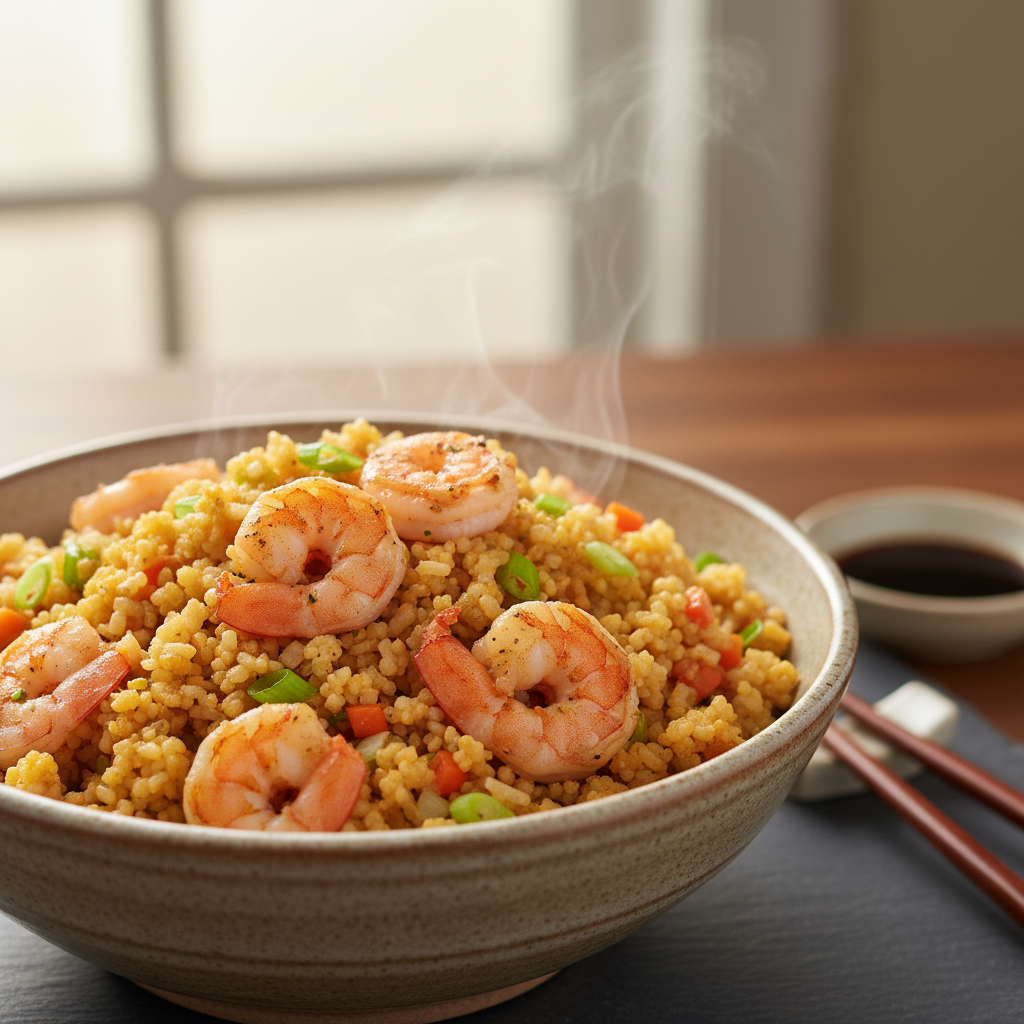
Satisfy your Chinese takeout cravings without the heavy carbs using this vibrant Shrimp Cauliflower Fried Rice recipe. Ready in under 30 minutes, this keto-friendly dish is packed with succulent shrimp, fluffy eggs, and savory Asian flavors, making it the perfect guilt-free weeknight dinner.
15 minutes
15 minutes
30 minutes
4 servings
Main Course
Stir-Fry
Asian-Fusion
Low-Carb
There is something undeniably comforting about a steaming bowl of fried rice. It is the quintessential comfort food—salty, savory, slightly greasy in the best way possible, and packed with little treasures of egg and protein. However, for those of us watching our carbohydrate intake or following a ketogenic lifestyle, traditional fried rice is often the first thing to get cut from the menu due to its heavy starch content. Enter this game-changing Shrimp Cauliflower Fried Rice. This isn’t just a ‘good enough’ substitute; it is a culinary revelation that stands on its own merits. By swapping grain rice for pulsed cauliflower, we not only slash the calories and carbs significantly, but we also introduce a serving of cruciferous vegetables that soak up sauces beautifully.
The magic of this dish lies in the texture. When prepared correctly, cauliflower rice mimics the mouthfeel of white rice with uncanny accuracy, providing that satisfying chew without the subsequent blood sugar spike. In this recipe, we pair the nutty, earthy notes of the cauliflower with the sweet, briny pop of fresh shrimp. The dish is brought together with a classic trifecta of ginger, garlic, and sesame oil, creating an aroma that will rival your favorite local takeout spot. Whether you are a strict keto dieter, gluten-free, or just trying to get more vegetables onto your family’s plates, this meal checks every box. It is vibrant, colorful, and incredibly fast to whip up, proving that healthy eating does not have to mean sacrificing flavor or spending hours in the kitchen.
History & Origins
Fried rice is a dish with a storied past, deeply rooted in the culinary traditions of China. Historians believe the concept of stir-frying rice originated during the Sui Dynasty (589–618 AD) in the city of Yangzhou. Like many of the world’s most beloved dishes, fried rice was born out of necessity and frugality. It was created as a way to repurpose leftover cold rice, ensuring that no grain went to waste. The cold, dried-out texture of day-old rice proved superior for stir-frying, as the grains remained distinct and separate rather than turning into a mushy clump. Over centuries, this humble peasant dish evolved into a staple of Chinese banquets and eventually spread across the globe, adapting to local ingredients and tastes in Thailand, Indonesia, Japan, and eventually, the United States.
The ‘Cauliflower Rice’ variation, however, is a much more modern invention. While vegetables have been minced for various uses for centuries, the specific trend of ‘ricing’ cauliflower as a direct low-carb substitute gained massive traction in the early 2010s. This coincided with the explosion of the Paleo and Primal diet movements, which sought to eliminate grains while keeping the structures of familiar meals. Early adopters discovered that pulsing raw cauliflower in a food processor created granules similar in size to couscous or white rice. As the Ketogenic diet rose to prominence later in the decade, cauliflower fried rice cemented its status as a staple recipe. It represents a fascinating intersection of ancient cooking techniques—hot woks and aromatics—applied to modern nutritional science, bridging the gap between traditional comfort food and contemporary health consciousness.
Why This Recipe Works
The primary challenge with cauliflower fried rice is moisture management. Unlike traditional rice, which is dry and starchy, cauliflower is approximately 92% water. If you simply toss raw cauliflower into a pan with sauce, you will end up with a soggy, steamed vegetable mash rather than a fluffy ‘fried rice.’ This recipe solves that problem through a specific two-step cooking process. First, we sauté the aromatics and proteins separately to ensure they develop a distinct sear and flavor without boiling in the cauliflower’s released liquid. When we do add the cauliflower, we cook it over medium-high heat. This rapid evaporation technique drives off excess moisture quickly, allowing the cauliflower to caramelize slightly and absorb the sesame and soy flavors rather than just steaming in them.
Furthermore, the flavor balance in this recipe is engineered to mimic the umami profile of restaurant-style fried rice. We use a combination of soy sauce (or coconut aminos) for depth, toasted sesame oil for that signature nutty finish, and fresh ginger and garlic for brightness. The shrimp adds a necessary textural contrast; its firm, snappy bite plays perfectly against the softer cauliflower and fluffy scrambled eggs. By layering these flavors and textures, we trick the palate. Your brain registers ‘fried rice’ because all the sensory cues—the smell of sesame, the savory saltiness, the mouthfeel of the grains—are present, making this a highly satisfying meal that doesn’t feel like ‘diet food.’
Why You’ll Love This Recipe
- ✓Ready in under 30 minutes, perfect for busy weeknights.
- ✓Low carb and Keto-friendly with only 6g net carbs per serving.
- ✓High in protein thanks to a generous portion of shrimp and eggs.
- ✓One-pan meal means minimal cleanup required.
- ✓Highly customizable with whatever vegetables you have in the fridge.
- ✓Gluten-free adaptable using tamari or coconut aminos.
Equipment You’ll Need
- ✓Large Wok or Non-stick Skillet
- ✓Food Processor (or Box Grater)
- ✓Chef’s Knife
- ✓Cutting Board
- ✓Small Mixing Bowl
- ✓Spatula or Wooden Spoon
Ingredients
- ✓1 large head cauliflower, cut into florets (or 4 cups pre-riced cauliflower)
- ✓1 lb large shrimp, peeled and deveined
- ✓2 tablespoons sesame oil, divided
- ✓1 tablespoon olive oil or avocado oil
- ✓3 large eggs, lightly beaten
- ✓3 cloves garlic, minced
- ✓1 tablespoon fresh ginger, grated
- ✓1/2 cup diced onion
- ✓1/2 cup frozen peas and carrots (optional for strict keto, omit to lower carbs)
- ✓3 tablespoons low-sodium soy sauce (or coconut aminos for gluten-free)
- ✓1 tablespoon rice vinegar
- ✓1/4 cup green onions, thinly sliced
- ✓Salt and black pepper to taste
- ✓1 teaspoon toasted sesame seeds (for garnish)
Instructions
- 1. Prep the Cauliflower: If using a fresh head of cauliflower, wash and thoroughly dry it. Remove the leaves and tough stem. Cut into florets. Pulse the florets in a food processor until they resemble rice grains. Do not over-process, or it will turn to mush. Set aside.
- 2. Scramble the Eggs: Heat 1/2 tablespoon of sesame oil in a large wok or skillet over medium heat. Add the beaten eggs and a pinch of salt. Scramble until just set but still soft. Remove the eggs from the pan and set aside on a plate.
- 3. Sear the Shrimp: Wipe the wok clean if necessary. Add 1 tablespoon of olive oil over medium-high heat. Season the shrimp with salt and pepper. Add shrimp to the hot pan in a single layer. Cook for 2-3 minutes per side until pink and opaque. Remove shrimp and set aside with the eggs.
- 4. Sauté Aromatics: In the same pan, add the remaining sesame oil. Add the diced onion, peas, and carrots. Sauté for 3-4 minutes until onions are translucent. Add the minced garlic and grated ginger, stirring constantly for 1 minute until fragrant.
- 5. Cook Cauliflower: Increase heat to medium-high. Add the riced cauliflower to the pan. Stir well to coat with the oil and aromatics. Spread the cauliflower out in the pan and let it cook undisturbed for 2-3 minutes to get slightly crispy. Stir and cook for another 3-5 minutes until the cauliflower is tender but not mushy.
- 6. Combine and Season: Return the cooked shrimp and scrambled eggs to the pan. Pour in the soy sauce (or coconut aminos) and rice vinegar. Toss everything together until well combined and heated through.
- 7. Garnish and Serve: Taste and adjust seasoning with extra soy sauce, salt, or pepper if needed. Remove from heat. Stir in half of the sliced green onions. Garnish with the remaining green onions and toasted sesame seeds before serving.
Expert Cooking Tips
- ✓Dry the Shrimp: Use paper towels to pat the shrimp very dry before searing. Wet shrimp will steam instead of sear, preventing that delicious golden crust.
- ✓Don’t Overcrowd: If your wok is small, cook the cauliflower in two batches. Overcrowding traps steam and leads to soggy rice.
- ✓Prep Ahead: Stir-frying happens fast. Have all your vegetables chopped, sauces measured, and eggs beaten before you turn on the stove (mise en place).
- ✓Cold Cauliflower: If you have time, rice the cauliflower a few hours ahead and leave it uncovered in the fridge. This dries it out slightly, resulting in a fluffier final texture.
- ✓High Heat: Don’t be afraid of heat. Stir-frying requires medium-high to high heat to achieve the right texture and flavor.
Substitutions and Variations
This recipe is incredibly versatile and forgiving. If you don’t like shrimp, you can easily swap it for diced chicken breast, pork tenderloin, or thin strips of beef. For a vegetarian version, firm tofu cubes or edamame beans work wonderfully as protein sources. If you are strictly gluten-free, ensure you are using Tamari or Coconut Aminos instead of traditional soy sauce. For those who aren’t fans of cauliflower, broccoli rice is an excellent green alternative that cooks similarly. You can also mix half cauliflower rice and half regular jasmine rice if you are just easing into a low-carb diet. The vegetable mix is also flexible; feel free to add diced bell peppers, zucchini, snap peas, or mushrooms depending on what is in season or sitting in your crisper drawer.
Common Mistakes to Avoid
The most common mistake when making cauliflower fried rice is over-processing the cauliflower. If you pulse it too long in the food processor, it releases too much water and becomes a puree, which will result in a mash rather than rice. Aim for a coarse crumb. Another frequent error is adding the sauce too early or using too much of it. Cauliflower is less absorbent than grain rice; excess liquid has nowhere to go and will pool at the bottom of the pan. Always season conservatively and add more at the end if needed. Finally, avoid using frozen cauliflower rice without thawing it first. If you must use frozen, thaw it completely and squeeze out as much water as possible using a clean kitchen towel or cheesecloth before cooking.
Serving Suggestions
This Shrimp Cauliflower Fried Rice is a complete meal on its own, but it pairs beautifully with other Asian-inspired dishes. Serve it alongside a refreshing smashed cucumber salad with sesame oil and chili flakes to cut through the savory richness. It also goes great with steamed bok choy or garlicky green beans. For an appetizer, consider making keto-friendly egg rolls (using cabbage leaves as wrappers) or seared tuna tataki. If you like a bit of heat, serve with a side of Sriracha, chili garlic sauce, or a drizzle of spicy mayo (mayonnaise mixed with hot sauce) over the top. Fresh lime wedges squeezed over the dish right before eating add a wonderful zesty brightness.
Storage and Reheating Tips
Leftovers of this dish store surprisingly well, making it a great candidate for meal prep. Store any cooled leftovers in an airtight container in the refrigerator for up to 3-4 days. When reheating, it is best to use a skillet over medium heat rather than a microwave to maintain the texture. If you must microwave, do so in 30-second intervals, stirring in between. You can freeze this dish, but be aware that the texture of the cauliflower may become slightly softer upon thawing. To freeze, place in freezer-safe bags or containers for up to 2 months. Thaw overnight in the refrigerator before reheating in a hot skillet to drive off any excess moisture accumulated during freezing.
Nutrition Facts (Estimated)
| Serving Size | 1.5 cups |
| Calories | 285 |
| Fat | 14g |
| Saturated Fat | 3g |
| Unsaturated Fat | 10g |
| Trans Fat | 0g |
| Cholesterol | 185mg |
| Sodium | 720mg |
| Carbohydrates | 9g |
| Fiber | 3g |
| Sugar | 3g |
| Protein | 28g |
Frequently Asked Questions
Can I use frozen cauliflower rice instead of fresh?
Yes, you can use frozen cauliflower rice for convenience. However, frozen cauliflower tends to hold more water. To prevent a soggy dish, thaw the frozen rice completely and squeeze it firmly in a clean kitchen towel to remove excess moisture before adding it to the hot pan.
Is this recipe strictly Keto?
Yes, the core ingredients are keto-friendly. However, peas and carrots are higher in carbs. If you are on a strict keto diet (under 20g carbs/day), you may want to omit the peas and carrots or replace them with lower-carb veggies like green beans or bell peppers.
How do I get the ‘fried’ flavor without rice?
The ‘fried’ flavor comes from the Maillard reaction (browning) and the fats used. Using sesame oil is crucial for that authentic aroma, and allowing the cauliflower to sit in the pan undisturbed for a few minutes helps it brown rather than just steam.
Can I make this vegetarian?
Absolutely. Simply omit the shrimp and replace it with cubed firm tofu, scrambled eggs, or just extra vegetables like mushrooms and edamame. Ensure your soy sauce or seasoning doesn’t contain fish products.
Why is my cauliflower rice mushy?
Mushy cauliflower rice usually results from two things: over-processing the raw cauliflower into a powder, or overcrowding the pan which causes steaming. Ensure you pulse it to a grain size and cook in batches if your pan isn’t large enough.
Can I use pre-packaged riced cauliflower?
Yes, fresh pre-packaged riced cauliflower found in the produce section works perfectly and saves prep time. Just check the expiration date as it can spoil faster than a whole head.
Is soy sauce gluten-free?
Traditional soy sauce contains wheat and is not gluten-free. If you have a gluten intolerance or celiac disease, you must use Tamari (which is wheat-free soy sauce) or Coconut Aminos.
How many calories are in a serving?
This recipe yields approximately 285 calories per serving, making it a very light yet filling meal option compared to traditional pork fried rice which can easily exceed 600 calories.
Conclusion
Switching to a low-carb lifestyle doesn’t mean you have to say goodbye to your favorite takeout classics. This Shrimp Cauliflower Fried Rice proves that with the right technique and fresh ingredients, you can create a meal that rivals the original in flavor while far surpassing it in nutritional value. It’s fresh, fast, and full of the savory goodness you crave. Give this recipe a try for your next meal prep or family dinner, and you might just find that you prefer the lighter, veggie-packed version over the heavy starch of the past. Don’t forget to pin this recipe to your Keto or Dinner boards on Pinterest so you can easily find it whenever the craving strikes!