The Ultimate Low Carb Egg Roll In A Bowl With Turkey Recipe: 20-Minute Keto Dinner
Low Carb Egg Roll In A Bowl With Turkey Recipe
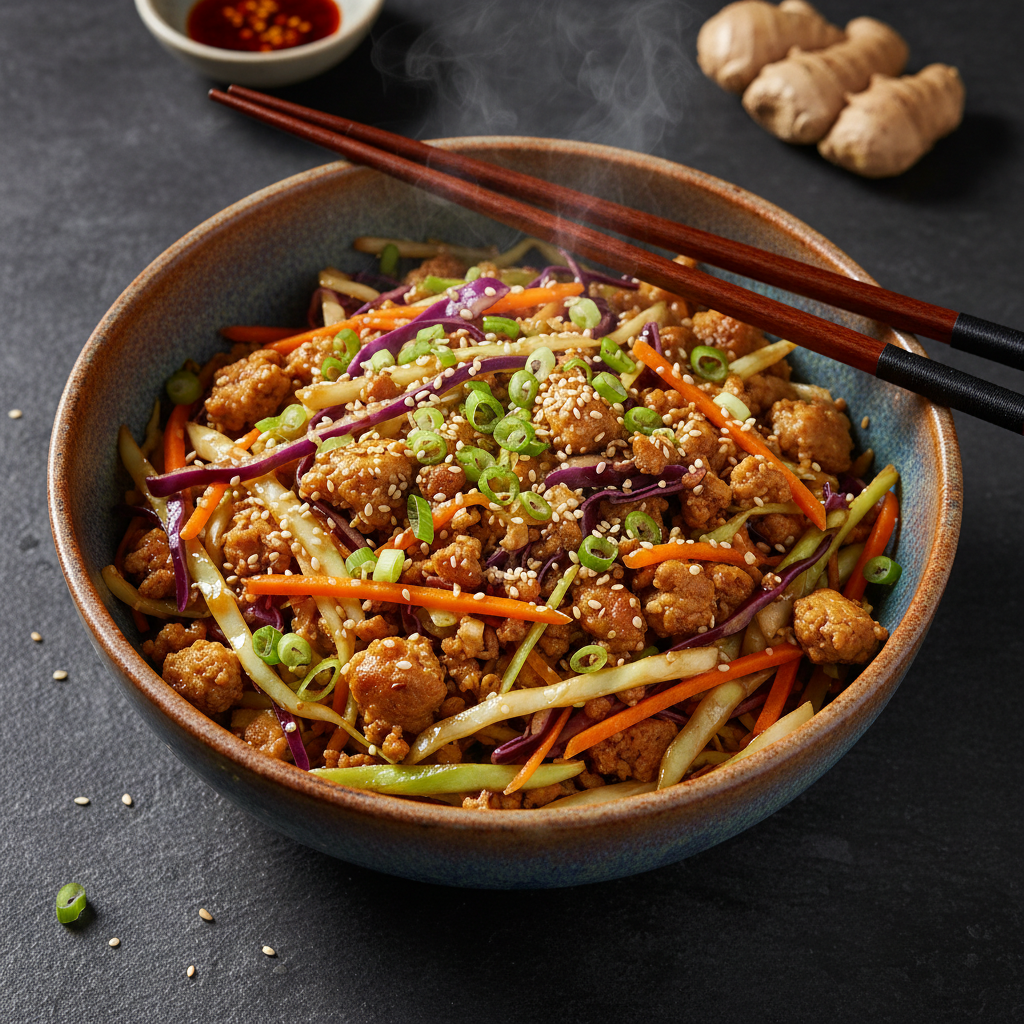
Craving takeout without the carbs? This Low Carb Egg Roll in a Bowl with Turkey is a savory, one-pan wonder that comes together in under 20 minutes. Packed with crunchy cabbage, lean protein, and bold Asian-inspired flavors, it’s the perfect guilt-free weeknight dinner that tastes just like the inside of your favorite egg roll.
10 minutes
15 minutes
25 minutes
4 servings
Main Course
Stovetop / Sauté
American-Chinese Fusion
Gluten-Free
We have all been there: it is 6 PM on a Tuesday, you are exhausted, and the siren call of the local Chinese takeout menu is growing louder by the minute. You want the savory, umami-packed crunch of an egg roll, but you do not want the heavy fried wrapper or the inevitable carb coma that follows. Enter the absolute savior of weeknight keto cooking: the Low Carb Egg Roll in a Bowl with Turkey. Often affectionately referred to in low-carb circles as ‘Crack Slaw’ due to its addictive nature, this deconstructed dish strips away the refined flour wrapper and focuses entirely on the best part—the filling.
By utilizing lean ground turkey instead of the traditional pork, we lighten up the calorie load significantly while maintaining a rich, meaty texture that absorbs the sauce beautifully. The magic lies in the interplay of textures and flavors: the tender, browned turkey provides a savory base, while the shredded cabbage offers a satisfying crunch that mimics the experience of biting into a fresh egg roll. The sauce—a simple yet potent blend of ginger, garlic, sesame oil, and soy sauce (or coconut aminos)—ties everything together with a salty, nutty finish that hits every taste bud.
This recipe is not just about dietary restrictions; it is about flavor maximization with minimal effort. It is a one-pan meal that requires barely any chopping if you use a bag of coleslaw mix, making it an absolute staple for busy parents, meal preppers, and anyone trying to eat cleaner without sacrificing taste. Whether you are strictly keto, gluten-free, or just looking to add more vegetables to your diet, this bowl delivers the comfort of takeout in a fraction of the time it takes for delivery to arrive.
History & Origins
The concept of the egg roll itself is a distinctly American-Chinese creation, likely evolving in the early 20th century from the smaller, more delicate Chinese spring roll. While spring rolls date back centuries in China, traditionally eaten during the Spring Festival, the egg roll—with its thicker, blistered wrapper made of wheat flour and egg—was designed to be hardier and hold more filling for the American palate. It became a staple of American Chinese cuisine, ubiquitous in strip malls and takeout boxes across the nation.
However, the ‘Egg Roll in a Bowl’ variation has a much more modern and internet-driven history. Its origins are closely tied to the rise of low-carb and ketogenic diets in the early 2000s and 2010s. As dieters sought ways to enjoy their favorite comfort foods without the carbohydrates, ‘deconstructed’ recipes became a culinary genre of their own. The dish gained viral fame in online forums and food blogs under the moniker ‘Crack Slaw,’ a name derived from its highly addictive flavor profile and the slaw-based main ingredient.
The transition from ‘Crack Slaw’ to ‘Egg Roll in a Bowl’ was largely a branding shift by food bloggers to make the dish sound more family-friendly and descriptive of the actual flavor profile. It bridged the gap between obscure diet food and mainstream family dinner. Today, it stands as a testament to the versatility of modern home cooking, proving that you can adapt almost any cultural staple to fit nutritional needs while honoring the flavor profiles that made the original dish famous. It represents a fusion of American convenience (bagged coleslaw mix), traditional Chinese flavor profiles (ginger, garlic, soy), and modern health consciousness.
Why This Recipe Works
This recipe succeeds because it masters the balance of texture and flavor intensity, two things often lost in ‘diet’ food. First, let’s talk about the Maillard reaction. By browning the ground turkey effectively before adding the vegetables, we create a fond (those brown bits at the bottom of the pan) that infuses the entire dish with a deep, savory richness. Ground turkey can be bland if boiled or steamed, but when seared properly with sesame oil, it mimics the richness of pork.
Secondly, the cabbage is treated as a primary ingredient, not a garnish. The key is to cook it just until it wilts but retains a ‘al dente’ bite. This replicates the crunch of a fried wrapper. If you overcook the cabbage, the dish becomes a soggy soup; get it right, and it’s a textural delight.
Finally, the sauce profile relies on aromatics rather than sugar. Many takeout sauces are laden with corn syrup. Here, we rely on the pungency of fresh ginger and garlic, the umami of soy sauce (or tamari/coconut aminos), and the distinct nuttiness of toasted sesame oil. The addition of sriracha or chili garlic sauce provides a heat that cuts through the richness of the meat, ensuring that every bite is complex and satisfying. It works because it hits the five basic tastes—salty, sweet (from the cabbage), sour (rice vinegar), bitter (char on meat), and umami—simultaneously.
Why You’ll Love This Recipe
- ✓Ready in under 20 minutes from start to finish.
- ✓One-pan cleanup makes it perfect for busy weeknights.
- ✓Highly customizable protein and vegetable options.
- ✓Keto, Paleo, and Whole30 compliant (with adjustments).
- ✓Budget-friendly ingredients widely available at any grocery store.
Equipment You’ll Need
- ✓Large Skillet or Wok
- ✓Wooden Spoon or Spatula
- ✓Chef’s Knife
- ✓Cutting Board
- ✓Measuring Spoons
- ✓Small Mixing Bowl (for sauce)
Ingredients
- ✓1 lb lean ground turkey (93/7 blend preferred)
- ✓1 tbsp toasted sesame oil
- ✓1 tbsp olive oil or avocado oil
- ✓1/2 cup onion, diced
- ✓1 tbsp fresh ginger, minced or grated
- ✓3 cloves garlic, minced
- ✓1 bag (14-16 oz) coleslaw mix (shredded cabbage and carrots)
- ✓1/4 cup low-sodium soy sauce (or coconut aminos for gluten-free/paleo)
- ✓1 tbsp rice vinegar
- ✓1 tsp sriracha or chili garlic sauce (optional, adjust to taste)
- ✓2 green onions, thinly sliced (for garnish)
- ✓1 tbsp toasted sesame seeds (for garnish)
- ✓Salt and black pepper to taste
Instructions
- Heat the olive oil in a large deep skillet or wok over medium-high heat.
- Add the diced onion and cook for 2-3 minutes until it begins to soften and turn translucent.
- Add the ground turkey to the skillet. Break up the meat with a wooden spoon and cook until fully browned and no longer pink, approximately 6-8 minutes. Drain excess fat if necessary, though a little fat adds flavor.
- Create a small well in the center of the meat and add the minced garlic and ginger. Sauté for 1 minute until fragrant, being careful not to burn the garlic.
- Pour the bag of coleslaw mix onto the meat. It may look like a lot, but it will shrink significantly.
- In a small bowl, whisk together the soy sauce (or aminos), toasted sesame oil, rice vinegar, and sriracha.
- Pour the sauce evenly over the cabbage and meat mixture. Toss everything together to coat.
- Cook for another 3-5 minutes, stirring frequently, until the cabbage is wilted but still retains a slight crunch.
- Taste and adjust seasoning with salt, pepper, or more sriracha if desired.
- Remove from heat and immediately garnish with sliced green onions and toasted sesame seeds before serving.
Expert Cooking Tips
- ✓Do not overcook the cabbage; the ‘crunch’ is essential to mimic the egg roll texture.
- ✓Use fresh ginger and garlic instead of powder for a significantly punchier flavor profile.
- ✓Toasting your sesame seeds in a dry pan for 60 seconds before garnishing releases their natural oils and enhances the nutty aroma.
- ✓If using very lean turkey (99% fat-free), add a little extra sesame oil at the end to prevent dryness.
- ✓Prep all your vegetables and sauce before you start cooking; the process moves very fast once the heat is on.
- ✓For an extra boost of umami, add a splash of fish sauce or a teaspoon of oyster sauce.
Substitutions and Variations
This recipe is incredibly forgiving and adaptable. If you are not a fan of turkey, ground pork is the traditional choice and offers a richer flavor, while ground beef or chicken also work excellently. For a vegetarian or vegan version, you can substitute the meat with crumbled extra-firm tofu or a plant-based meat alternative. If you cannot find a bagged coleslaw mix, simply shred half a head of green cabbage and grate one large carrot. For the sauce, coconut aminos are the perfect 1:1 substitute for soy sauce if you are avoiding soy or gluten. If you don’t have rice vinegar, apple cider vinegar works well as a tangy alternative. Those who dislike spicy food can omit the sriracha entirely, or replace it with a pinch of red pepper flakes for a milder heat.
Common Mistakes to Avoid
The most common mistake people make with Egg Roll in a Bowl is overcooking the vegetables. Cabbage releases water as it cooks; if you leave it in the pan too long, it turns mushy and the dish becomes watery rather than stir-fried. Another mistake is adding the garlic and ginger too early with the raw meat; high heat can burn minced garlic quickly, resulting in a bitter taste. Always add aromatics once the meat is mostly browned. Finally, be careful with salt. Soy sauce is naturally salty, so taste your dish before adding any additional table salt to avoid an inedible sodium bomb.
Serving Suggestions
This dish is substantial enough to be a complete meal on its own, but it pairs beautifully with various sides. For those not strictly counting carbs, serving this over steamed jasmine rice or brown rice creates a hearty bowl. For low-carb eaters, cauliflower rice is the classic pairing. You can also serve it inside lettuce cups (Bibb or Butter lettuce works best) for a fun, handheld taco-style presentation. A side of spicy pickled cucumbers or edamame adds a nice freshness. Drizzle with a spicy mayo (mayonnaise mixed with sriracha) for a creamy, indulgent finish.
Storage and Reheating Tips
This recipe is a meal prep champion. Store leftovers in an airtight container in the refrigerator for up to 4 days. The flavors often meld and improve overnight. To reheat, simply microwave for 2 minutes or, for best results, toss it back in a skillet over medium heat for 3-4 minutes to revive the texture. Freezing is possible but not recommended if you prioritize texture; the cabbage will become significantly softer and release more water upon thawing. If you do freeze it, consume it within 2 months and consider adding fresh raw cabbage when reheating to bring back some crunch.
Nutrition Facts (Estimated)
| Serving Size | 1.5 cups |
| Calories | 320 |
| Fat | 18g |
| Saturated Fat | 4g |
| Unsaturated Fat | 12g |
| Trans Fat | 0g |
| Cholesterol | 75mg |
| Sodium | 850mg |
| Carbohydrates | 10g |
| Fiber | 4g |
| Sugar | 4g |
| Protein | 28g |
Frequently Asked Questions
Can I use frozen cabbage instead of fresh?
It is not recommended. Frozen cabbage tends to be very soft and watery once thawed, which ruins the signature crunch of this dish. Fresh coleslaw mix or hand-shredded cabbage is best.
Is this recipe Whole30 compliant?
Yes, provided you use a compatible fat (like olive oil or avocado oil) and substitute the soy sauce with coconut aminos. Also, check your sriracha for added sugar or omit it.
How can I make this dish spicy?
Increase the amount of sriracha, add a teaspoon of chili garlic paste (Sambal Oelek), or sprinkle crushed red pepper flakes into the oil when sautéing the onions.
Can I add other vegetables?
Absolutely! Sliced bell peppers, mushrooms, broccoli florets, or snow peas make excellent additions. Just keep in mind their cooking times and add them accordingly.
Why is my dish watery?
This usually happens if the cabbage was overcooked or if the pan wasn’t hot enough to evaporate the moisture released by the vegetables. Drain excess liquid before serving if this occurs.
Is this gluten-free?
It is gluten-free if you use Tamari or Coconut Aminos instead of traditional Soy Sauce, which often contains wheat. Always check the labels of your condiments.
Can I use pre-cooked meat?
Yes, this is a great way to use up leftover roast turkey or chicken. Skip the browning step and add the cooked meat in with the cabbage to heat through.
What does coconut aminos taste like?
Coconut aminos have a savory, umami flavor very similar to soy sauce but with a slightly sweeter aftertaste and significantly less sodium.
Conclusion
The Low Carb Egg Roll in a Bowl with Turkey is more than just a diet hack; it is a genuinely delicious meal that earns its spot in your weekly rotation through flavor alone. It proves that eating healthy doesn’t mean spending hours in the kitchen or eating bland, boiled vegetables. With its vibrant colors, satisfying crunch, and deep, savory notes, it satisfies the takeout craving while nourishing your body. Give this recipe a try tonight, and you might just find yourself deleting your delivery apps.