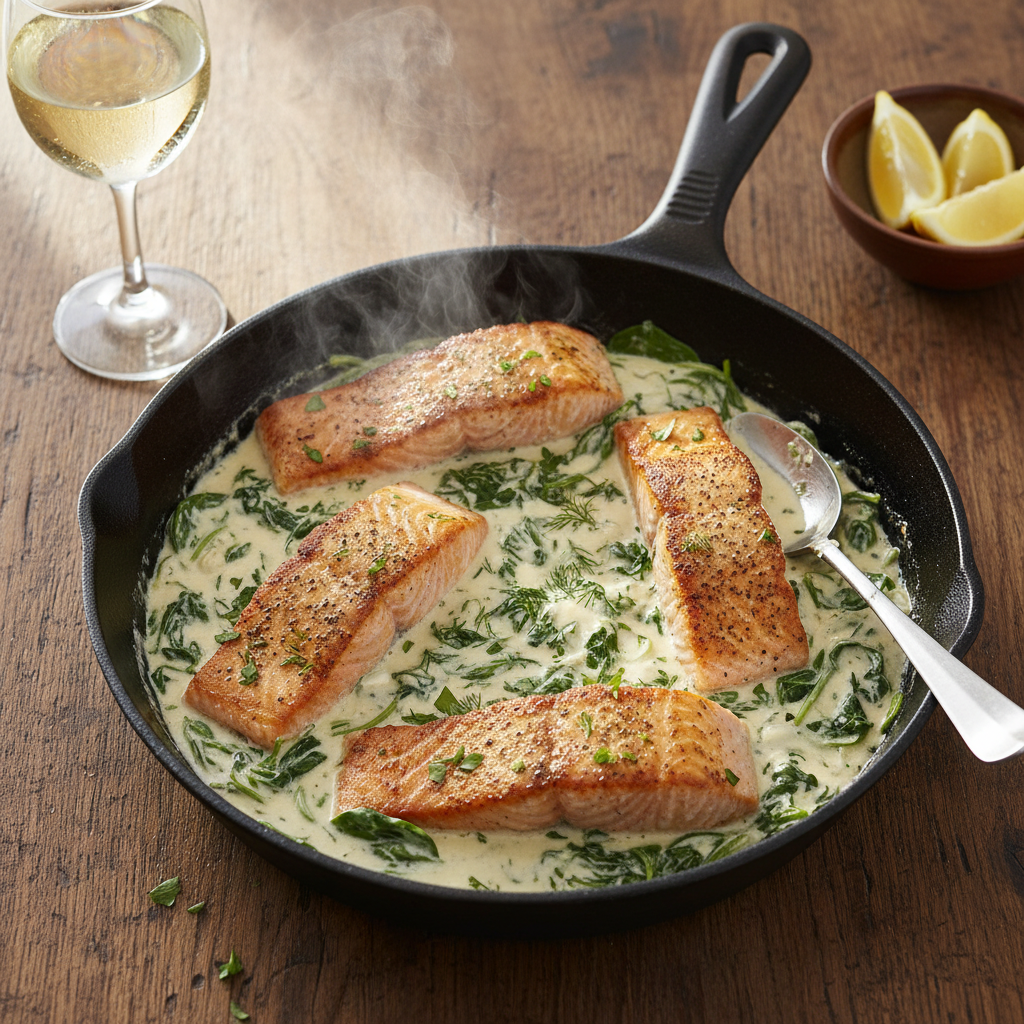
Creamy Keto Salmon and Spinach Skillet: The Ultimate 20-Minute Low-Carb Dinner
Keto Salmon And Spinach Cream Sauce Skillet Recipe
Experience the perfect marriage of crispy, pan-seared salmon and a luxuriously rich garlic parmesan spinach cream sauce. This one-pan keto masterpiece comes together in under 20 minutes, delivering restaurant-quality flavor that keeps your carb count low and your satisfaction high.
10 minutes
15 minutes
25 minutes
4 servings
Main Course
Stovetop
Modern American / French Inspired
Ketogenic
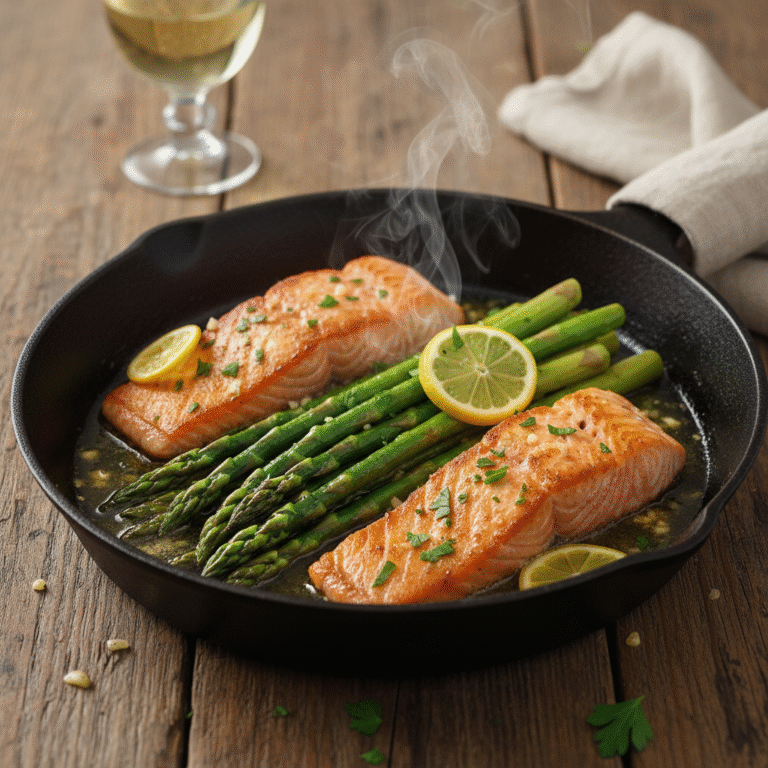
If you have been searching for the holy grail of keto dinners—one that feels indulgent, requires minimal cleanup, and bursts with sophisticated flavors—look no further than this Creamy Keto Salmon and Spinach Skillet. In the world of low-carb cooking, it is easy to fall into a routine of plain grilled meats and steamed vegetables, but this recipe is here to shatter that monotony. Imagine a fillet of fresh Atlantic salmon, seasoned simply with sea salt and cracked black pepper, seared in a hot skillet until the skin is shatteringly crisp and the flesh is tender and flaky. Now, picture that salmon nestled into a bubbling, velvety bath of heavy cream, garlic, and parmesan cheese, wilted down with fresh organic spinach and brightened with a squeeze of fresh lemon juice. The result is a dish that tastes like it came straight out of a high-end bistro kitchen, yet it was whipped up on your stovetop on a busy Tuesday night. This dish is not just about adhering to macros; it is about celebrating the natural richness of whole foods. The high fat content of the salmon pairs beautifully with the cream sauce, ensuring you stay satiated for hours. Whether you are a strict keto adherent or just someone looking to reduce refined carbs without sacrificing flavor, this skillet dinner is a revelation. It is elegant enough for a date night yet simple enough for a quick family meal, proving that healthy eating never has to be boring.
History & Origins
The culinary tradition of pairing fish with creamy, spinach-laden sauces often harkens back to the classic ‘Style Florentine.’ While modern interpretations are vast, the roots of dishes labeled ‘Florentine’ are frequently attributed to Catherine de’ Medici. Legend has it that when she married Henry II of France in the 16th century, she brought her own chefs and a deep love for spinach from Florence, Italy, to the French court. Consequently, dishes featuring spinach and a mornay or cream sauce were dubbed ‘à la Florentine.’ Over the centuries, this combination evolved. In the mid-20th century, as French cooking techniques permeated American households, the concept of fish poached or served in cream sauce became a staple of continental dining. Fast forward to the 21st century, and we see the rise of the Ketogenic diet. Originally developed in the 1920s at the Mayo Clinic as a treatment for epilepsy, keto has seen a massive resurgence as a lifestyle for weight loss and metabolic health. This specific recipe represents the convergence of these two histories: the classic, luxurious French technique of cream reduction sauces meeting the modern dietary demand for high-fat, low-carb sustenance. It takes the timeless elegance of a Florentine-style fish dish and strips away the flour-based roux thickeners, relying instead on the natural reduction of heavy cream and the binding power of parmesan cheese to create a sauce that honors history while serving modern nutritional needs.
Why This Recipe Works
This recipe succeeds because it leverages the fundamental principles of flavor balancing and texture contrast. First, the cooking method for the salmon is crucial. By searing the fish in a hot skillet with a mix of oil and butter, we create the Maillard reaction—a chemical reaction between amino acids and reducing sugars that gives browned food its distinctive flavor. This provides a savory, crispy crust that contrasts perfectly with the tender, flaky interior of the fish. Secondly, the sauce works through reduction rather than starch thickening. Traditional sauces often use flour, which dilutes flavor and adds carbs. Here, we allow the heavy cream to simmer and reduce, concentrating the milk solids and fats to create a naturally thick, velvety texture that clings to the salmon rather than sliding off. The addition of Parmesan cheese adds umami and saltiness, acting as a savory backbone that cuts through the richness of the cream. Finally, the inclusion of lemon juice and fresh spinach is scientifically necessary to balance the palate. The citric acid from the lemon cuts through the lipid-heavy mouthfeel of the salmon and cream, cleansing the palate with each bite, while the spinach adds an earthy, slightly bitter note and textural variety that prevents the dish from feeling one-dimensional or overly heavy.
Why You’ll Love This Recipe
- ✓One-pan meal means minimal cleanup
- ✓Ready in under 25 minutes
- ✓High in healthy Omega-3 fatty acids
- ✓Less than 5g net carbs per serving
- ✓Restaurant-quality presentation
- ✓Versatile sauce that works with chicken or shrimp
Equipment You’ll Need
- ✓Large cast-iron skillet or non-stick pan
- ✓Tongs
- ✓Chef’s knife
- ✓Cutting board
- ✓Measuring cups and spoons
- ✓Garlic press
Ingredients
- ✓4 (6oz) Salmon fillets, skin-on or off
- ✓2 tablespoons Olive oil
- ✓2 tablespoons Unsalted butter
- ✓4 cloves Garlic, minced
- ✓1/2 cup Chicken broth or dry white wine
- ✓1 cup Heavy whipping cream
- ✓2 cups Fresh baby spinach
- ✓1/2 cup Freshly grated Parmesan cheese
- ✓1 tablespoon Fresh parsley, chopped
- ✓1 tablespoon Lemon juice
- ✓Salt and black pepper to taste
- ✓Lemon wedges for garnish
Instructions
- 1. Remove the salmon fillets from the refrigerator about 15 minutes before cooking to allow them to come to room temperature. Pat them thoroughly dry with paper towels. Season generously with salt and pepper on all sides.
- 2. Heat the olive oil in a large cast-iron skillet over medium-high heat. Once the oil is shimmering but not smoking, carefully place the salmon fillets in the pan, skin-side down (if using skin-on).
- 3. Sear the salmon undisturbed for 4-5 minutes until the skin is crispy and golden brown. Flip carefully and cook for another 2-4 minutes on the other side, or until cooked to your desired doneness. Remove the salmon from the pan and set aside on a plate.
- 4. Reduce the heat to medium. In the same pan (do not wipe it out), add the butter. Once melted, add the minced garlic and sauté for about 1 minute until fragrant, being careful not to burn it.
- 5. Pour in the chicken broth (or white wine) to deglaze the pan, scraping up any browned bits from the bottom with a wooden spoon. Let it simmer for 2 minutes to reduce slightly.
- 6. Lower the heat to medium-low and pour in the heavy whipping cream. Bring to a gentle simmer, stirring occasionally.
- 7. Stir in the grated Parmesan cheese and let the sauce simmer for 2-3 minutes until it thickens slightly. If the sauce is too thick, add a splash more broth.
- 8. Add the fresh baby spinach to the sauce and stir until it is just wilted, which should take about 1-2 minutes.
- 9. Stir in the fresh lemon juice and parsley. Taste the sauce and adjust seasoning with salt and pepper if needed.
- 10. Return the cooked salmon fillets to the skillet, spooning the creamy sauce over them. Let them warm through for just a minute.
- 11. Remove from heat immediately and serve warm, garnished with extra lemon wedges.
Expert Cooking Tips
- ✓Pat the salmon completely dry before searing; moisture creates steam and prevents a crispy crust.
- ✓Use freshly grated Parmesan cheese rather than pre-shredded, as pre-shredded cheese contains anti-caking agents that can make the sauce grainy.
- ✓Do not overheat the sauce once the cream is added; boiling it vigorously can cause the dairy to separate or ‘break’.
- ✓If using skin-on salmon, sear the skin side first for the majority of the cooking time to get it crispy.
- ✓For a thicker sauce, let the cream reduce for a few extra minutes before adding the spinach.
- ✓Room temperature salmon cooks more evenly than salmon straight from the fridge.
Substitutions and Variations
This recipe is highly adaptable to various dietary needs and pantry staples. If you are not strictly keto and want to lighten the dish, you can substitute half-and-half for the heavy cream, though the sauce will be thinner and slightly higher in carbs. For a dairy-free version, full-fat canned coconut milk creates a delicious, creamy alternative, and nutritional yeast can replace the Parmesan cheese for that savory, cheesy flavor profile. If salmon is not your protein of choice, this exact method works wonderfully with chicken thighs, pork chops, or shrimp; just adjust the initial searing time accordingly. You can also swap the baby spinach for other leafy greens like kale or Swiss chard, but keep in mind that these tougher greens will require a few extra minutes of sautéing to become tender. For the acid component, if you don’t have fresh lemons, a splash of white wine vinegar or apple cider vinegar can provide the necessary brightness to cut through the fat.
Common Mistakes to Avoid
The most common mistake with this dish is overcooking the salmon. Salmon continues to cook slightly after being removed from the heat, so pull it off when it is just opaque in the center to avoid a dry, chalky texture. Another frequent error is breaking the sauce. This happens when the heat is too high after adding the cream and cheese. Always keep the heat at a gentle simmer—never a rolling boil—once the dairy is in the pan. Additionally, overcrowding the pan during the initial sear can cause the fish to steam rather than fry. If your skillet isn’t large enough, sear the salmon in batches. Finally, under-seasoning is a pitfall; fat masks salt, so you may need a bit more salt than you expect in the cream sauce to make the flavors pop.
Serving Suggestions
To keep this meal strictly keto, serve the salmon and sauce over a bed of steamed cauliflower rice, zucchini noodles (zoodles), or mashed cauliflower. These sides soak up the delicious sauce without adding significant carbohydrates. For those not following a low-carb diet, this pairs exceptionally well with angel hair pasta, wild rice, or roasted baby potatoes. A side of roasted asparagus or blistered green beans with garlic adds a nice crunch and extra color to the plate. Pair the meal with a crisp, dry white wine like a Sauvignon Blanc or Pinot Grigio, which complements the richness of the cream and the acidity of the lemon.
Storage and Reheating Tips
This dish is best enjoyed fresh, but leftovers can be stored in an airtight container in the refrigerator for up to 3 days. When reheating, do so gently to prevent the sauce from separating and the salmon from drying out. The best method is to reheat it in a skillet over low heat, adding a splash of water or extra cream to loosen the sauce as it warms. Avoid the microwave if possible, as it tends to overheat the dairy and make the fish rubbery. If you must use a microwave, use 50% power and heat in short 30-second intervals. Freezing is not recommended for this recipe, as the cream sauce is likely to split and the texture of the spinach will become mushy upon thawing.
Nutrition Facts (Estimated)
| Serving Size | 1 fillet with sauce |
| Calories | 580 |
| Fat | 42g |
| Saturated Fat | 18g |
| Unsaturated Fat | 0g |
| Trans Fat | 0g |
| Cholesterol | 145mg |
| Sodium | 450mg |
| Carbohydrates | 6g |
| Fiber | 2g |
| Sugar | 2g |
| Protein | 38g |
Frequently Asked Questions
Can I use frozen salmon for this recipe?
Yes, you can use frozen salmon. Ensure it is completely thawed in the refrigerator overnight and patted very dry before searing to ensure crispiness.
Is this recipe gluten-free?
Yes, this recipe is naturally gluten-free as it uses no flour for thickening, relying on the reduction of cream and cheese instead.
Can I add other vegetables to the skillet?
Absolutely. Sliced mushrooms, sun-dried tomatoes, or artichoke hearts make excellent additions to the cream sauce.
What if my sauce is too runny?
Simmer the sauce for a few minutes longer before adding the spinach. The evaporation of water will naturally thicken the cream.
Can I use milk instead of heavy cream?
Milk is not recommended as it lacks the fat content to thicken properly and may curdle when mixed with the lemon juice and heat.
How do I know when the salmon is done?
The salmon is done when it flakes easily with a fork and the internal temperature reaches 145°F (63°C).
Can I leave the skin on the salmon?
Yes, the skin contains healthy fats and nutrients. If seared properly, it becomes delicious and crispy.
What can I use instead of Parmesan cheese?
Pecorino Romano or Asiago are good hard cheese alternatives that provide a similar salty, savory flavor.
Is this dish spicy?
No, but you can add red pepper flakes to the sauce if you enjoy a bit of heat.
Can I make the sauce ahead of time?
It is best made fresh, but you can make the sauce, store it, and gently reheat it while searing the salmon fresh.
Conclusion
This Keto Salmon and Spinach Cream Sauce Skillet is more than just a diet-friendly meal; it is a testament to how delicious simple, whole ingredients can be when prepared with care. By combining the heart-healthy fats of salmon with a nutrient-dense spinach cream sauce, you create a meal that nourishes the body and delights the senses. It proves that you don’t need hours in the kitchen or a long list of obscure ingredients to create a gourmet experience at home. Whether you are meal prepping for the week or hosting a dinner party, this recipe is a reliable, impressive, and deeply satisfying addition to your culinary repertoire. Enjoy the process of cooking, and savor every creamy, flavorful bite.