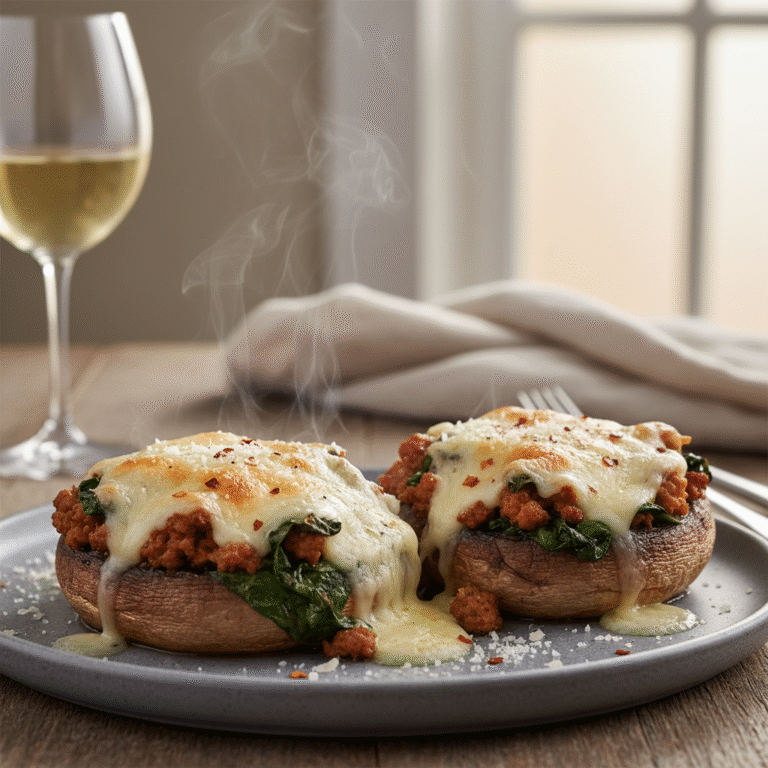

Fluffy Low Carb Baked Egg and Spinach Muffins
Baked Egg And Spinach Muffin Low Carb Recipe
Start your morning right with these protein-packed, low-carb baked egg and spinach muffins. Perfect for meal prep, these savory bites are fluffy, cheesy, and ready in under 30 minutes, making them the ultimate grab-and-go breakfast for busy families.
15 minutes
20 minutes
35 minutes
12 muffins
Breakfast
Baking
American / Modern
Gluten-Free
There is something undeniably comforting about a hot, savory breakfast, but the reality of our modern mornings often forces us to choose convenience over quality. We rush out the door with a granola bar or a piece of toast, sacrificing nutrition for speed. However, the culinary landscape of breakfast has shifted dramatically with the rise of ‘muffin tin meals,’ and leading the charge is the humble yet magnificent Baked Egg and Spinach Muffin. This recipe is not just a compromise between health and speed; it is a celebration of both. Imagine biting into a perfectly fluffy, golden-brown cloud of eggs, rich with the sharpness of melted cheddar and the earthy, fresh notes of sautéed spinach. The texture is light and airy, avoiding the rubbery density that often plagues baked egg dishes, thanks to a specific ratio of dairy to egg that we have perfected over countless trials.
What makes this specific recipe a staple in my kitchen—and soon to be yours—is its incredible versatility and the sheer peace of mind it brings to the weekly meal plan. As a food blogger who adores the aesthetics of Pinterest-worthy food but demands the substance of a nutritionist-approved meal, I find these muffins to be the holy grail of breakfast prep. They are naturally gluten-free, keto-friendly, and low-carb, checking all the boxes for various dietary needs without feeling restrictive. Whether you are looking to fuel a heavy workout, send your kids off with a brain-boosting lunch, or simply enjoy a leisurely brunch on a Sunday with a mimosa in hand, these egg muffins fit the bill. In this guide, we will dive deep into the technique of achieving that soufflé-like rise, how to keep your spinach vibrant green, and the secret to ensuring they pop right out of the pan every single time.
History & Origins
While the ‘egg muffin’ feels like a strictly modern invention born of the meal-prep revolution and the Paleo/Keto diet waves of the early 2010s, its culinary DNA can be traced back much further to the classic Italian frittata and the French quiche. The frittata, which translates roughly to ‘fried,’ was traditionally an open-faced omelet cooked in a skillet, often used to repurpose leftover vegetables and meats from the previous night’s dinner. It was the original ‘waste-not, want-not’ peasant dish that evolved into a brunch staple. Similarly, the quiche brought a custard-like elegance to egg dishes, though it relied heavily on a pastry crust.
The concept of miniaturizing these dishes likely began with the popularization of the non-stick muffin tin in the mid-20th century. As American households became busier and the demand for portable food grew, home cooks began experimenting with baking batters and mixtures in individual portions. However, the true explosion of the crustless egg muffin occurred alongside the rise of low-carb diets like Atkins in the early 2000s and later the Paleo and Whole30 movements. These dietary shifts demonized the flour-based crust of the quiche, prompting cooks to pour the savory egg custard directly into the tin.
Social media platforms, particularly Pinterest, propelled this dish into stardom. The visual appeal of seeing 12 perfectly uniform, colorful egg cups lined up in a pan resonated with the ‘Sunday Meal Prep’ culture. It transformed from a diet hack into a mainstream breakfast category of its own. Today, the baked egg muffin is recognized not just as a diet food, but as a smart, ergonomic evolution of the breakfast sandwich, stripping away the filler to focus on the nutrient-dense core of eggs and vegetables.
Why This Recipe Works
This recipe succeeds where many others fail because it addresses the three most common complaints about baked eggs: rubbery texture, bland flavor, and sticking to the pan. First, the texture: Eggs are protein structures that tighten and squeeze out water when exposed to high heat too quickly. To counteract this, we incorporate a specific amount of heavy cream (or full-fat coconut milk) and cheese. The fat molecules interfere with the protein bonding, resulting in a softer, curder, and fluffier mouthfeel—much closer to a slow-scrambled egg than a hard-boiled one.
Secondly, flavor depth is achieved by sautéing the aromatics before baking. Many recipes suggest throwing raw onion and spinach directly into the egg mixture. This is a mistake. Raw spinach releases a significant amount of water as it cooks, which can make the muffin soggy and dilute the flavor. By quickly wilting the spinach and sweating the onions and garlic first, we evaporate that excess moisture and concentrate the flavors, ensuring every bite is savory and robust. Finally, the temperature is key. Baking at a moderate 350°F (175°C) allows the eggs to set gently and rise evenly without burning the bottom or creating a tough outer skin.
Why You’ll Love This Recipe
- ✓High Protein & Low Carb: Perfect for Keto, Paleo, and gluten-free diets.
- ✓Meal Prep Friendly: Batches last up to 5 days in the fridge.
- ✓Freezer Safe: Can be frozen for up to 3 months for instant breakfasts.
- ✓Hidden Veggies: A great way to get picky eaters to consume spinach.
- ✓customizable: Easily swap cheeses or add proteins like bacon or sausage.
- ✓Portable: No fork required; perfect for on-the-go eating.
Equipment You’ll Need
- ✓12-cup non-stick muffin tin
- ✓Large mixing bowl
- ✓Whisk
- ✓Skillet or frying pan
- ✓Chef’s knife
- ✓Cutting board
- ✓Silicone muffin liners (optional but recommended)
- ✓Measuring cups and spoons
Ingredients
- ✓10 large eggs
- ✓1/4 cup heavy cream or almond milk (for fluffiness)
- ✓1 cup fresh baby spinach, chopped
- ✓1/2 small yellow onion, finely diced
- ✓1 clove garlic, minced
- ✓1 cup sharp cheddar cheese, shredded (or feta for a tangier taste)
- ✓1 tablespoon olive oil (for sautéing)
- ✓1/2 teaspoon sea salt
- ✓1/4 teaspoon black pepper
- ✓1/4 teaspoon paprika (optional)
- ✓Cooking spray or butter for greasing
Instructions
- Preheat your oven to 350°F (175°C). Thoroughly grease a 12-cup muffin tin with cooking spray or butter. Alternatively, line the cups with silicone baking liners for the easiest removal.
- Wash the spinach and chop it roughly. Finely dice the onion and mince the garlic.
- Heat the olive oil in a skillet over medium heat. Add the diced onion and cook for 3-4 minutes until translucent and soft.
- Add the minced garlic and chopped spinach to the skillet. Sauté for another 1-2 minutes until the spinach is wilted and most of the moisture has evaporated. Remove from heat and let it cool slightly.
- In a large mixing bowl, crack the 10 eggs. Add the heavy cream (or milk), salt, pepper, and paprika.
- Whisk the egg mixture vigorously for about 60 seconds. You want to incorporate air into the eggs to ensure they bake up fluffy.
- Stir the shredded cheese and the cooked spinach/onion mixture into the bowl with the eggs. Mix until combined.
- Using a ladle or a 1/4 cup measure, pour the egg mixture evenly into the 12 muffin cups. Fill them about 3/4 of the way full to allow room for rising.
- Bake in the preheated oven for 20-23 minutes. The muffins should be puffed up, golden on top, and set in the center (not jiggly).
- Remove from the oven and let them cool in the pan for at least 5-10 minutes. They will deflate slightly as they cool; this is normal.
- Run a butter knife around the edges if necessary to loosen them, then remove from the tin and serve warm or cool completely for storage.
Expert Cooking Tips
- ✓Use silicone liners: Eggs are notorious for sticking to metal. Silicone liners are a game-changer for easy cleanup.
- ✓Don’t skip the sauté: Cooking the vegetables first removes water that would otherwise make your muffins soggy.
- ✓Whisk well: Aerating the eggs is the secret to a light texture rather than a dense block.
- ✓Add cheese last: You can sprinkle a little extra cheese on top before baking for a crispy, golden crust.
- ✓Let them cool: Trying to remove hot muffins from the pan often results in them breaking apart. Patience pays off.
- ✓Room temperature eggs: If possible, use room temp eggs for a smoother batter incorporation.
Substitutions and Variations
This recipe is a blank canvas for your culinary creativity. If you are dairy-free, you can substitute the heavy cream with full-fat coconut milk or unsweetened almond milk, and omit the cheese or use a vegan cheese alternative. Nutritional yeast is a great way to add a cheesy flavor without dairy. For the vegetables, spinach is classic, but kale or Swiss chard work equally well; just be sure to remove the tough stems and sauté them longer. If you prefer a meatier muffin, add cooked and crumbled bacon, diced ham, or turkey sausage. For a Mediterranean twist, swap the cheddar for feta cheese and add chopped sun-dried tomatoes and olives. If you don’t have yellow onion, green onions (scallions) or shallots offer a milder, delicious flavor profile.
Common Mistakes to Avoid
The most common mistake when making egg muffins is overfilling the muffin cups. Eggs expand significantly as they bake, and if the cup is too full, they will overflow and create a mess on your oven floor. Stick to filling them 3/4 full. Another frequent issue is ‘watery’ muffins. This almost always happens because raw vegetables with high water content (like zucchini, spinach, or mushrooms) were added without being cooked first. Always sauté your veggies to release moisture before mixing them with the eggs. Lastly, avoid overbaking. Eggs continue to cook slightly from residual heat after being removed from the oven. If you leave them in until they are brown all over, they may become rubbery and dry. Pull them out when they are just set.
Serving Suggestions
These muffins are fantastic on their own, but they can be dressed up for a sit-down brunch. Serve them warm with a side of sliced avocado and a dash of hot sauce or sriracha for a kick. They pair beautifully with a fresh arugula salad dressed in lemon vinaigrette to cut through the richness of the egg and cheese. For a heartier meal, serve alongside roasted sweet potato cubes or a slice of whole-grain toast. If you are serving these to kids, a side of fresh berries or a banana makes for a balanced, colorful plate.
Storage and Reheating Tips
To store in the refrigerator, allow the muffins to cool completely to room temperature to prevent condensation buildup. Place them in an airtight container lined with a paper towel to absorb any excess moisture; they will keep for 4-5 days. For long-term storage, these freeze beautifully. Wrap each cooled muffin individually in plastic wrap and then place them all in a large freezer-safe Ziploc bag. They will last for up to 3 months. To reheat from frozen, unwrap a muffin and microwave it on high for 60-90 seconds, or until heated through. If reheating from the fridge, 20-30 seconds in the microwave is usually sufficient. You can also reheat them in a toaster oven for 5 minutes to revive the texture.
Nutrition Facts (Estimated)
| Serving Size | 1 muffin |
| Calories | 95 |
| Fat | 7g |
| Saturated Fat | 3g |
| Unsaturated Fat | 3.5g |
| Trans Fat | 0g |
| Cholesterol | 145mg |
| Sodium | 180mg |
| Carbohydrates | 2g |
| Fiber | 0.5g |
| Sugar | 1g |
| Protein | 7g |
Frequently Asked Questions
Why did my egg muffins deflate?
It is completely normal for egg muffins to puff up dramatically in the oven and then deflate as they cool. The hot air trapped inside contracts. However, over-whisking or adding too much baking powder (if using) can cause a more drastic collapse. The taste remains delicious regardless!
Can I use frozen spinach?
Yes, absolutely. If using frozen spinach, thaw it completely and squeeze out as much water as possible using a clean kitchen towel or cheesecloth before adding it to the egg mixture. Excess water is the enemy of a good texture.
Do I have to use muffin liners?
You don’t have to, but it is highly recommended. Even with a well-greased non-stick pan, eggs can be stubborn. If you don’t use liners, be very generous with butter or oil when greasing the tin.
Can I make this with only egg whites?
Yes, for a lower-fat version, you can use egg whites. You will need roughly 2 cups of liquid egg whites to replace 10 whole eggs. Note that the texture will be firmer and less rich without the yolks.
How do I know when they are done?
The center should be set and spring back when lightly touched. If it looks liquid or wobbles significantly when you shake the pan, they need a few more minutes.
Why are my muffins rubbery?
Rubbery eggs are usually a sign of overcooking or cooking at too high a temperature. Ensure your oven is at 350°F and check them at the 20-minute mark.
Can I put these in a lunchbox?
Yes! These are excellent cold or at room temperature, making them perfect for school or work lunchboxes. Just ensure they are kept cool with an ice pack if they will be sitting out for hours.
Is this recipe keto-friendly?
Yes, this recipe is naturally very low in carbohydrates and high in fat and protein, making it ideal for a ketogenic diet.
Conclusion
Mastering the Baked Egg and Spinach Muffin is a small victory that pays dividends throughout your busy week. It transforms the chaotic morning rush into a moment of nourishment and satisfaction. By understanding the simple science behind moisture control and baking temperature, you can elevate this humble dish from a rubbery compromise into a gourmet breakfast staple. Whether you stick to the recipe religiously or use it as a base for your own creative experiments with different cheeses and vegetables, the result is a healthy, delicious, and convenient meal that supports your wellness goals. So, grab that muffin tin, preheat your oven, and get ready to reclaim your mornings one delicious bite at a time.