The Ultimate Creamy Low Carb Cauliflower Mac and Cheese
Cauliflower Mac And Cheese Low Carb Recipe
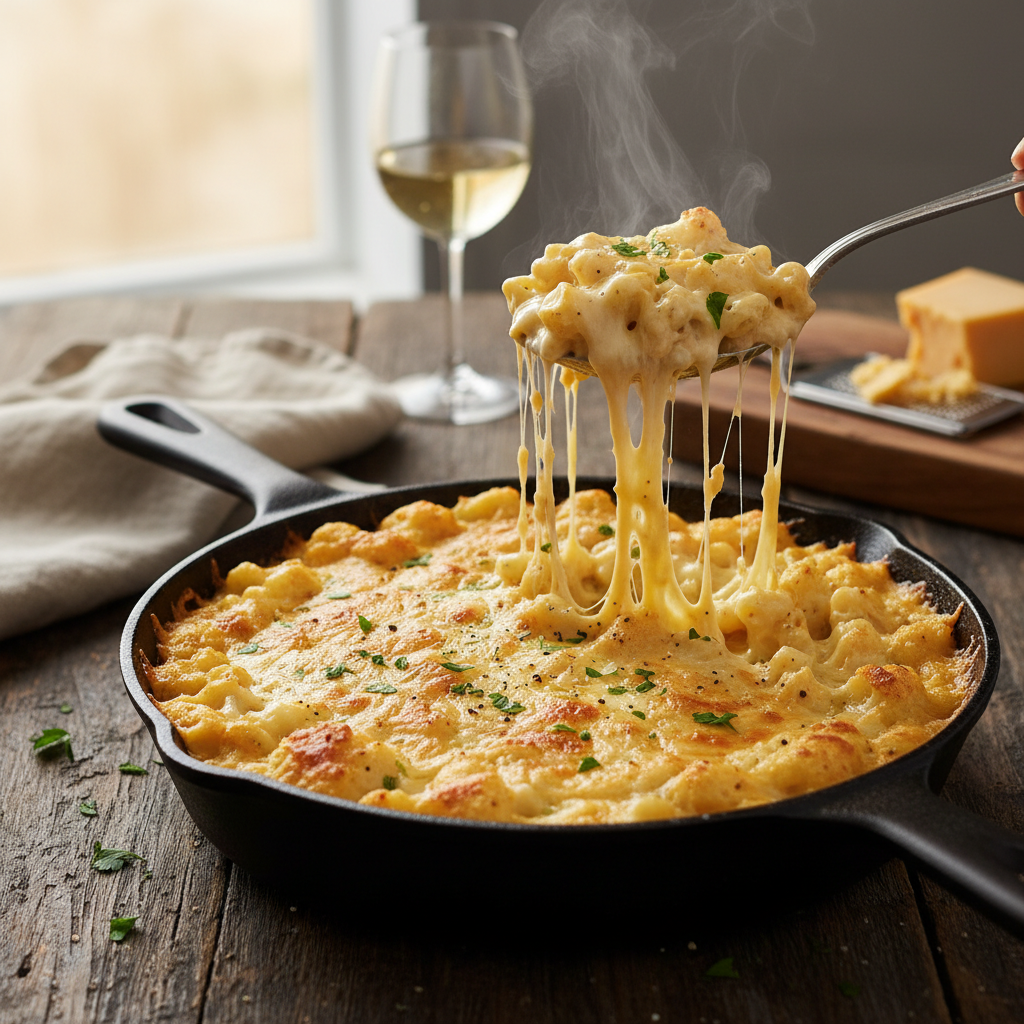
Indulge in pure comfort food bliss without the guilt with this rich, velvety Cauliflower Mac and Cheese. Perfectly roasted cauliflower florets are smothered in a decadent three-cheese sauce and baked until golden and bubbly, making it the ultimate keto-friendly side dish or vegetarian main course.
15 minutes
30 minutes
45 minutes
6 servings
Side Dish
Baking
American
Gluten-Free
There is something undeniably nostalgic about a bubbling pan of macaroni and cheese. It is the quintessential comfort food that many of us grew up with—warm, gooey, and intensely satisfying. However, for those following a low-carb, ketogenic, or gluten-free lifestyle, the traditional pasta-laden version is often off the menu. Enter the cauliflower revolution. This isn’t just a ‘healthy alternative’ that you tolerate; this recipe stands on its own as a culinary masterpiece that rivals the original. The secret lies in the texture. Too often, cauliflower substitutes turn into a watery, mushy mess that dilutes the cheese sauce and leaves you wanting more. In this recipe, we tackle that issue head-on by treating the vegetable with the respect it deserves. We aren’t just boiling it into oblivion; we are roasting it to concentrate the flavors and ensure a ‘bite’ that mimics al dente pasta.
The sauce is a luxurious blend of sharp cheddar for punch, gruyère for nuttiness, and cream cheese for that silky, coating consistency that clings to every crevice of the florets. We infuse the cream with garlic and a hint of nutmeg to elevate the flavor profile from a simple side dish to a gourmet experience. Whether you are trying to sneak more vegetables into your children’s diets or you are a strict keto dieter craving that classic casserole experience, this dish delivers on all fronts. It is savory, creamy, slightly crispy on top, and deeply comforting. Prepare to be amazed by how a humble vegetable can be transformed into a decadent feast that will have everyone at the table asking for seconds, completely forgetting that there isn’t a single noodle in sight.
History & Origins
The concept of combining pasta and cheese dates back centuries, with early recipes appearing in the 14th-century Italian cookbook, ‘Liber de Coquina,’ which featured lasagna sheets tossed with spices and grated cheese. However, the modern iteration of ‘macaroni and cheese’ has deep roots in American culinary history, famously championed by Thomas Jefferson. After encountering the dish in Paris and northern Italy, Jefferson brought a pasta machine and recipes back to Virginia, serving a macaroni pie at a state dinner in 1802. Since then, it has evolved from an upper-class delicacy to a ubiquitous staple of American home cooking, solidified by the introduction of Kraft Dinner in 1937 during the Great Depression.
The ‘Cauliflower Mac and Cheese’ variation is a much more recent phenomenon, born out of the low-carb diet trends of the late 20th and early 21st centuries. As the Atkins diet gained popularity in the 1990s and later the Ketogenic diet in the 2010s, home cooks and chefs began searching for low-glycemic substitutes for high-carb staples. Cauliflower, a cruciferous vegetable previously relegated to veggie platters or boiled sides, emerged as the superstar of the low-carb world due to its mild flavor and versatile texture. It became the go-to replacement for rice, pizza crusts, and eventually, macaroni. This specific recipe represents the evolution of that movement—moving away from simply steaming the vegetable to using advanced cooking techniques like roasting to create a dish that honors the historical comfort of the original casserole while embracing modern nutritional science.
Why This Recipe Works
This recipe succeeds where many others fail primarily due to moisture control. Cauliflower has a high water content, and when boiled or steamed incorrectly, it releases that liquid into your cheese sauce, breaking the emulsion and resulting in a soupy, unappetizing casserole. By roasting the cauliflower florets at a high temperature first, we achieve two critical things: we evaporate excess moisture, ensuring the sauce stays thick and creamy, and we caramelize the natural sugars in the vegetable, adding a depth of nutty flavor that boiling simply cannot achieve. This technique provides a texture that is tender but firm—’al dente’—mimicking the mouthfeel of cooked pasta.
Furthermore, the cheese sauce is scientifically designed to remain stable without the use of a flour-based roux (which adds carbs). We utilize heavy cream and cream cheese as the base. The cream cheese acts as a stabilizer, preventing the cheddar and gruyère from separating into oil and solids when baked. The addition of a small amount of mustard powder is not just for flavor; it contains lecithin, a natural emulsifier that helps bind the fats and liquids together for a perfectly smooth, velvety consistency. Finally, finishing the dish under the broiler creates that essential textural contrast—a crispy, golden-brown crust protecting the gooey, molten interior.
Why You’ll Love This Recipe
- ✓Low Carb & Keto Friendly: Only 6g net carbs per serving.
- ✓No Flour Required: Uses a gluten-free reduction method for the sauce.
- ✓Superior Texture: Roasting the cauliflower prevents sogginess.
- ✓Rich Flavor Profile: A blend of three cheeses for maximum depth.
- ✓Family Approved: Creamy enough to win over picky eaters.
Equipment You’ll Need
- ✓Large baking sheet
- ✓Parchment paper
- ✓Large saucepan or skillet
- ✓Whisk
- ✓9×9 inch baking dish or cast iron skillet
- ✓Chef’s knife
- ✓Cutting board
Ingredients
- ✓1 large head cauliflower, cut into small bite-sized florets
- ✓2 tablespoons olive oil
- ✓1 teaspoon salt, divided
- ✓1/2 teaspoon black pepper, divided
- ✓1 cup heavy whipping cream
- ✓4 ounces cream cheese, softened and cubed
- ✓2 cups sharp cheddar cheese, shredded (block cheese preferred)
- ✓1/2 cup gruyère cheese, shredded
- ✓1 teaspoon Dijon mustard or dry mustard powder
- ✓1/2 teaspoon garlic powder
- ✓1/4 teaspoon smoked paprika
- ✓1/4 cup crushed pork rinds (optional, for topping)
- ✓2 tablespoons fresh parsley, chopped
Instructions
- Preheat your oven to 425°F (220°C). Line a large baking sheet with parchment paper for easy cleanup.
- Place the cauliflower florets on the baking sheet. Drizzle with olive oil and season with 1/2 teaspoon of salt and 1/4 teaspoon of pepper. Toss well to coat evenly. Spread them out in a single layer so they roast rather than steam.
- Roast the cauliflower for 15-20 minutes, or until tender-crisp and slightly golden on the edges. Remove from the oven and reduce the oven temperature to 375°F (190°C).
- While the cauliflower is roasting, prepare the cheese sauce. In a large saucepan over medium heat, bring the heavy whipping cream to a gentle simmer.
- Whisk in the cream cheese, Dijon mustard, garlic powder, smoked paprika, and the remaining salt and pepper. Continue whisking until the cream cheese is fully melted and the mixture is smooth.
- Reduce the heat to low. Gradually add 1.5 cups of the cheddar cheese and all of the gruyère cheese, whisking constantly until the cheese is melted and the sauce is thick and glossy. Do not let it boil once the cheese is added.
- Add the roasted cauliflower to the cheese sauce and gently toss until every floret is generously coated.
- Transfer the mixture to a 9×9 inch baking dish or a cast-iron skillet. Top with the remaining 1/2 cup of cheddar cheese. If using, sprinkle the crushed pork rinds on top for extra crunch.
- Bake at 375°F (190°C) for 15-20 minutes, until the cheese is bubbling and the top is golden brown. If you want a darker crust, broil for the last 2-3 minutes, watching closely.
- Remove from the oven and let it sit for 5-10 minutes before serving. This allows the sauce to set slightly. Garnish with fresh parsley.
Expert Cooking Tips
- ✓Always grate your own cheese from a block. Pre-shredded cheese contains anti-caking agents (cellulose) that prevent it from melting smoothly and add unnecessary carbs.
- ✓Don’t overcook the cauliflower during the roasting phase; it will cook more in the sauce, and you want to maintain some texture.
- ✓If the sauce breaks (looks oily), whisk in a tablespoon of boiling water vigorously to re-emulsify it.
- ✓Cut the florets into uniform sizes to ensure even cooking.
- ✓Letting the dish rest for 10 minutes after baking is crucial for the sauce to thicken up to the perfect consistency.
Substitutions and Variations
This recipe is highly adaptable to suit your pantry or dietary needs. If you don’t have heavy cream, you can use a mix of full-fat coconut milk (for dairy-free keto) or half-and-half, though the latter will increase the carb count and result in a thinner sauce. For the cheeses, while cheddar and gruyère offer a classic flavor, you can easily swap them for Monterey Jack for a milder taste, Gouda for a smokier profile, or Fontina for excellent melting properties. If you are not strictly keto and want a vegetarian crunch topping, you can use gluten-free breadcrumbs or crushed almond flour crackers instead of pork rinds. For a protein boost, feel free to add diced cooked bacon, ham, or shredded rotisserie chicken directly into the mix before baking. If you don’t like cauliflower, this same cheese sauce works wonders with broccoli or even roasted Brussels sprouts.
Common Mistakes to Avoid
The most common mistake people make with cauliflower mac and cheese is boiling the cauliflower. Boiling introduces excess water into the vegetable, which is then released during the final bake, resulting in a watery, separated sauce. Always roast or steam-and-dry your cauliflower. Another frequent error is using high heat for the cheese sauce. Adding cheese to boiling liquid can cause the proteins to seize and the oils to separate, creating a gritty, oily texture. Always remove the pan from heat or use very low heat when melting the cheese. Finally, failing to season the cauliflower itself is a missed opportunity; the vegetable needs salt before it meets the sauce, otherwise, the final dish will taste bland despite the cheese.
Serving Suggestions
This rich and creamy dish pairs beautifully with lean proteins to balance the high fat content. It is the perfect side dish for a grilled ribeye steak, roasted chicken thighs, or pan-seared salmon. For a complete vegetarian meal, serve it alongside a crisp green salad with a vinaigrette dressing to cut through the richness of the cheese. It also works exceptionally well as a holiday side dish, easily replacing traditional potato gratin or stuffing on a Thanksgiving or Christmas table. If you want to turn it into a standalone meal, stir in some cooked ground beef or sausage to create a ‘cheeseburger casserole’ style dish.
Storage and Reheating Tips
Store any leftovers in an airtight container in the refrigerator for up to 4 days. The sauce will thicken significantly when cold. To reheat, place a portion in the microwave for 1-2 minutes, or reheat in a saucepan on the stove over low heat. You may need to add a splash of water or almond milk to loosen the sauce as it warms up. While you can freeze this dish, be aware that dairy-based sauces can sometimes separate upon thawing, and the cauliflower may become softer. If you must freeze it, do so in a sealed container for up to 2 months. Thaw overnight in the fridge and reheat gently in the oven at 350°F until warmed through.
Nutrition Facts (Estimated)
| Serving Size | 1 cup |
| Calories | 345 |
| Fat | 28g |
| Saturated Fat | 17g |
| Unsaturated Fat | 9g |
| Trans Fat | 0g |
| Cholesterol | 85mg |
| Sodium | 480mg |
| Carbohydrates | 9g |
| Fiber | 3g |
| Sugar | 3g |
| Protein | 14g |
Frequently Asked Questions
Can I use frozen cauliflower?
Yes, you can use frozen cauliflower, but you must manage the moisture. Thaw it completely and pat it very dry with paper towels or roast it until the water evaporates before adding it to the sauce.
Is this recipe gluten-free?
Yes, this recipe is naturally gluten-free as it uses no flour for a roux and relies on cream and cheese for thickening.
How do I make the topping crunchy without breadcrumbs?
Crushed pork rinds are the best keto-friendly option for crunch. Alternatively, a mixture of almond flour and parmesan cheese browned in butter makes a great topping.
Why is my sauce grainy?
A grainy sauce usually means the cheese was overheated. Ensure you turn the heat to low or off before stirring in the cheese, and use block cheese instead of pre-shredded.
Can I make this ahead of time?
Absolutely. You can assemble the entire dish, cover it, and refrigerate it for up to 24 hours before baking. You may need to add 5-10 minutes to the baking time if it’s going in cold.
What is the net carb count?
This recipe contains approximately 6g of net carbs per serving, making it suitable for most ketogenic diets.
Can I add other vegetables?
Yes, broccoli is a great addition. You can do a 50/50 mix of cauliflower and broccoli for variety and color.
Do I have to use Xanthan gum?
No, this recipe does not require Xanthan gum. The combination of heavy cream, cream cheese, and melting cheeses provides sufficient thickness.
Conclusion
There you have it—a Cauliflower Mac and Cheese that truly satisfies the soul without compromising your health goals. By focusing on high-quality ingredients and the right cooking techniques, you can transform a humble head of cauliflower into a show-stopping side dish. It’s creamy, cheesy, and packed with flavor, proving that low-carb eating doesn’t have to be boring or restrictive. Whether you are hosting a dinner party or just looking for a cozy weeknight meal, this recipe is sure to become a staple in your kitchen rotation. Give it a try, and you might just find yourself preferring it over the pasta version!