The Ultimate Hummus and Veggie Snack Box for Healthy Meal Prep
Hummus And Veggie Snack Box Healthy Recipe
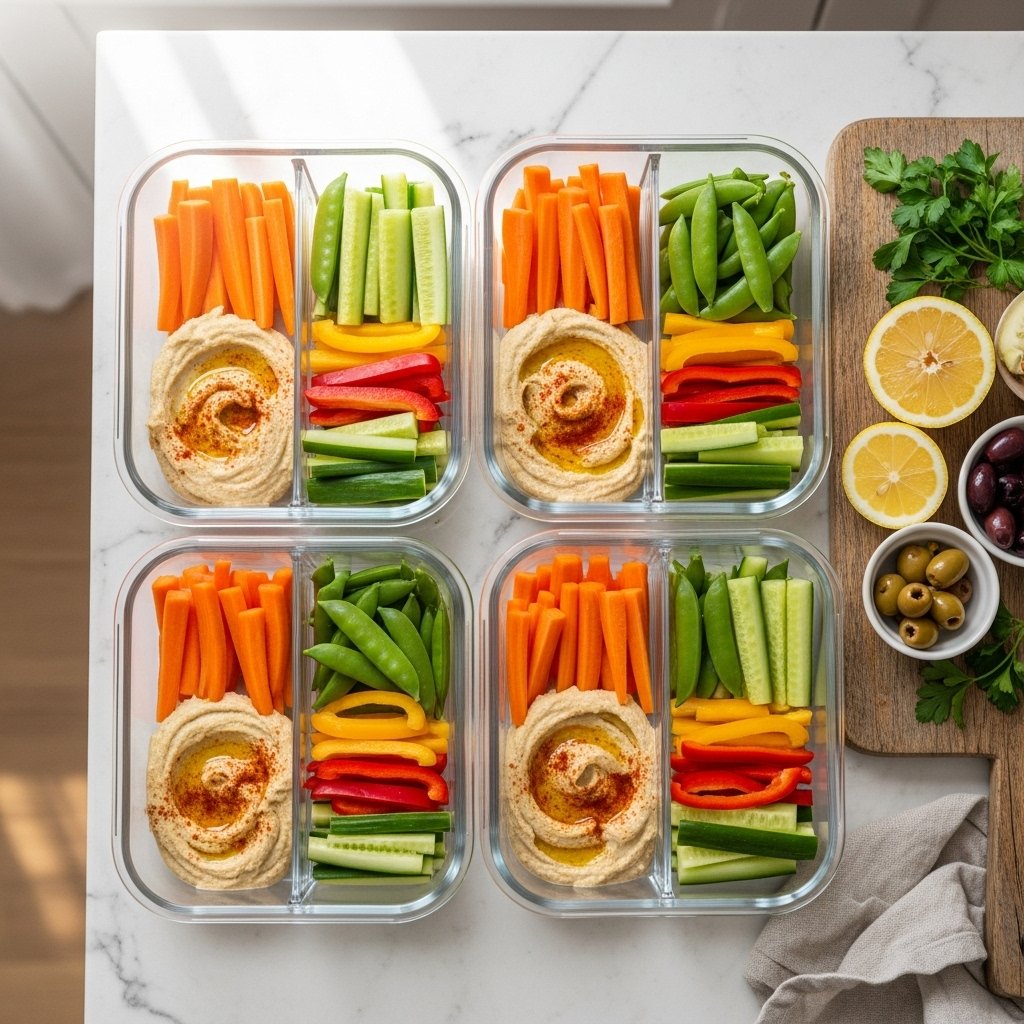
Conquer the midday slump with these vibrant, crunchy, and satisfying Hummus and Veggie Snack Boxes. Perfectly portioned for meal prep, these “adult Lunchables” combine creamy homemade hummus with a rainbow of fresh produce for a guilt-free energy boost that keeps you full until dinner.
20 minutes
0 minutes
20 minutes
4 snack boxes
Snack / Meal Prep
No-Cook / Assembly
Mediterranean / American Fusion
Vegan
In the world of healthy eating, consistency is often the hardest hurdle to clear. We all have the best intentions when we wake up, but by 3:00 PM, the siren song of the office vending machine or the pantry’s chip stash becomes deafening. Enter the Hummus and Veggie Snack Box—a savior for the modern, busy lifestyle and a darling of the Pinterest meal-prep community. This isn’t just a tupperware of carrots; it is a curated experience of textures and flavors designed to satisfy the specific cravings that hit in the afternoon.
The beauty of this recipe lies in the contrast. You have the velvety, rich, and savory hummus—loaded with garlic, tahini, and bright lemon—acting as the anchor. Against this creamy backdrop, we introduce the ‘crunch factor’ through a meticulously chosen array of vegetables. We aren’t just talking about limp celery sticks here. We are talking about sweet, snapping sugar snap peas, crisp bell peppers in jewel tones, and refreshing cucumber rounds.
Furthermore, the visual appeal of these snack boxes cannot be overstated. As humans, we eat with our eyes first. Opening the fridge to see a stack of colorful, organized, and fresh boxes creates a positive psychological feedback loop that makes you *want* to eat healthy. It transforms a ‘diet food’ into a treat. Whether you are a busy parent needing a grab-and-go option, a corporate warrior fighting brain fog, or just someone looking to increase their daily fiber intake without feeling deprived, this snack box is your new best friend. It is customizable, allergen-friendly, and requires absolutely zero cooking—just a little chopping and love.
History & Origins
While the concept of a ‘snack box’ feels like a modern invention of the Instagram age, the roots of its components run deep into culinary history. Hummus, the star of this show, is an ancient Levantine dip with a history that is both rich and somewhat contested. The word ‘hummus’ literally translates to ‘chickpeas’ in Arabic. The earliest known recipes for a dish resembling hummus bi tahina (chickpeas with tahini) date back to 13th-century cookbooks in Cairo, Egypt. For centuries, it has been a staple across the Middle East, consumed daily for breakfast or as part of a mezze platter, providing essential protein and sustenance in a region where legumes are a primary crop.
The ‘snack box’ format, however, owes much of its lineage to the Japanese concept of the Bento Box. Dating back to the Kamakura period (1185–1333), bento was originally cooked and dried rice. It evolved into beautiful, compartmentalized wooden lacquerware boxes during the Edo period, designed to hold a balanced meal for theater intermissions or travel.
In the West, the commercialization of the ‘lunch kit’ in the 1950s and the subsequent rise of pre-packaged ‘Lunchables’ in the late 1980s trained a generation of Americans to love compartmentalized eating. However, those processed kits were often lacking in nutritional value. The modern ‘Bistro Box’ or ‘Snack Box’ trend we see today is a reclamation of that childhood nostalgia, fused with the ancient nutritional wisdom of the Mediterranean diet. It represents a global fusion: Middle Eastern flavors, Japanese presentation philosophy, and American convenience culture, all coming together in one glass container.
Why This Recipe Works
This recipe works because it attacks the three main pillars of satiety: fiber, protein, and healthy fats. Most snack foods are high in simple carbohydrates (sugar, refined flour) which spike your blood sugar and then drop it rapidly, leaving you hungrier and more tired than before. The chickpeas in the hummus provide complex carbohydrates and fiber that digest slowly, providing a steady stream of energy. The tahini (sesame paste) and olive oil provide the healthy fats necessary to signal to your brain that you are full.
Texture is the second reason this specific combination succeeds. Food fatigue—getting bored with what you are eating—is a real enemy of healthy habits. By pairing the smooth, dense hummus with the high-water-content crunch of cucumbers and peppers, and perhaps the dry crunch of a whole-grain cracker or pretzel, you keep your palate engaged.
Finally, this recipe works on a practical level because of its moisture management. Many meal prep salads get soggy after a day. By keeping the wet ingredients (hummus, cut tomatoes) separate or strategically placed, and choosing vegetables that hold their structure (like carrots and snap peas) rather than wilt (like dressed lettuce), these boxes stay fresh and crisp in the refrigerator for up to four days. It is the ultimate low-effort, high-reward food strategy.
Why You’ll Love This Recipe
- ✓Zero cooking required – just wash, chop, and assemble.
- ✓High in plant-based protein and fiber for sustained energy.
- ✓Naturally gluten-free and vegan friendly.
- ✓Highly customizable to use up whatever veggies are in your fridge.
- ✓Perfect for portion control and weekly meal planning.
- ✓Kid-friendly ‘dip’ format encourages vegetable consumption.
Equipment You’ll Need
- ✓4 Meal prep containers (glass recommended, 2 or 3 compartments)
- ✓Chef’s knife
- ✓Cutting board
- ✓Vegetable peeler
- ✓Colander
- ✓Paper towels or clean kitchen cloth
- ✓Measuring cups and spoons
Ingredients
- ✓2 cups Hummus (homemade or high-quality store-bought)
- ✓4 large Carrots, peeled and cut into sticks
- ✓1 large English Cucumber, sliced into rounds
- ✓2 Red Bell Peppers, seeded and sliced into strips
- ✓1 cup Sugar Snap Peas, strings removed
- ✓1 cup Cherry Tomatoes
- ✓1/2 cup Kalamata Olives (pitted)
- ✓4 small Whole Wheat Pita Breads (or gluten-free crackers)
- ✓1 Lemon (for squeezing over veggies to keep fresh)
- ✓1 tbsp Za’atar seasoning or Paprika (optional garnish)
- ✓1 tbsp Extra Virgin Olive Oil (for drizzling)
Instructions
- Begin by thoroughly washing all fresh produce (carrots, cucumber, peppers, snap peas, tomatoes) in a colander under cold running water.
- Dry the vegetables completely using paper towels or a clean kitchen cloth. This step is critical to prevent moisture buildup in your containers which can lead to sogginess.
- Peel the carrots and slice them into sticks approximately 3 inches long. Slice the bell peppers into similar-sized strips. Slice the cucumber into 1/4 inch thick rounds. Leave cherry tomatoes and snap peas whole.
- Set out your 4 meal prep containers. If using containers with dividers, designate one section for the hummus and the larger section for the vegetables.
- Distribute the hummus evenly among the four containers (approx 1/2 cup per box). Use the back of a spoon to create a small swirl in the center of the hummus.
- Drizzle a small amount of olive oil over the hummus and sprinkle with Za’atar or paprika for extra flavor.
- Arrange the vegetables vertically or in neat piles in the remaining space. Pack them tightly to minimize movement during transport.
- Add the olives and pita bread/crackers. If you are concerned about the bread getting soft, you can wrap it separately in a small piece of foil or plastic wrap, or place it on top of the dry veggies.
- Squeeze a tiny bit of fresh lemon juice over the cucumber slices to help keep them crisp and fresh.
- Seal the lids tightly and store in the refrigerator immediately.
Expert Cooking Tips
- ✓Dry your veggies thoroughly! Water is the enemy of fresh meal prep. Wet veggies will make your hummus runny and your crackers soggy.
- ✓Use an English cucumber (hot house cucumber) instead of a standard slicing cucumber. They have thinner skin, fewer seeds, and release less water.
- ✓If using store-bought hummus, whip it with a fork and a teaspoon of ice water before packing; this fluffs it up and makes it taste homemade.
- ✓Keep crackers or pita separate if you want maximum crunch, or buy containers that have a specific dry compartment.
- ✓Vary your colors. Aim for at least 3 different colors of vegetables to ensure a wide range of phytonutrients.
Substitutions and Variations
This recipe is the chameleon of the meal prep world. If you don’t like hummus, or have a sesame allergy, you can easily swap it for Tzatziki (yogurt cucumber dip), Baba Ganoush (eggplant dip), Guacamole (though this browns faster), or a white bean dip. For the vegetables, the sky is the limit. Radishes add a great spicy crunch; celery is a classic low-calorie option; broccoli or cauliflower florets work well for sturdy dippers. If you are strictly gluten-free, ensure your hummus is certified GF and swap the pita bread for rice crackers, almond flour crackers, or simply add a handful of nuts (walnuts or almonds) for that savory crunch element. For a protein boost, you can add hard-boiled eggs, cubes of feta cheese, or grilled chicken strips to the box.
Common Mistakes to Avoid
The most common mistake is prepping too far in advance with high-moisture vegetables. While carrots and celery last for days, cut cucumbers and tomatoes can get mealy or slimy after day 3. If you need to prep for 5 days, pack the cucumbers in a separate small baggie inside the container or cut them fresh the night before. Another mistake is cross-contamination of moisture; if you put salty olives directly touching the crackers, the crackers will absorb the brine and lose their texture. Always use dividers, silicone baking cups, or small separate condiment containers to keep wet and dry ingredients apart within the box. Lastly, don’t forget to season your veggies! A tiny pinch of salt on the cucumber or tomato makes a world of difference in flavor.
Serving Suggestions
These snack boxes are designed to be eaten straight from the fridge, making them the perfect grab-and-go solution. They require no reheating. If you are eating this at home, you might plate it onto a wooden board to feel like a mini charcuterie spread. Pair it with a sparkling water with lime or an iced green tea for a refreshing mid-afternoon break. If serving to guests as an appetizer, you can scale up the quantities and arrange everything on a large platter rather than individual boxes.
Storage and Reheating Tips
Store these boxes in the refrigerator at 40°F or below. They will stay fresh for 4 days. Do not freeze this recipe; fresh raw vegetables do not freeze well and will thaw into a mushy, unappetizing texture. Hummus *can* be frozen on its own, but the texture may become slightly grainy upon thawing (which can be fixed by stirring in a little olive oil), but the assembled box is strictly a fridge-only item. If you notice any water pooling at the bottom of the container after a few days, simply drain it off before eating.
Nutrition Facts (Estimated)
| Serving Size | 1 snack box |
| Calories | 320 |
| Fat | 18g |
| Saturated Fat | 2.5g |
| Unsaturated Fat | 14g |
| Trans Fat | 0g |
| Cholesterol | 0mg |
| Sodium | 450mg |
| Carbohydrates | 32g |
| Fiber | 10g |
| Sugar | 6g |
| Protein | 12g |
Frequently Asked Questions
How long do these snack boxes stay fresh?
When stored properly in airtight containers, these boxes will stay fresh and crisp for up to 4 days in the refrigerator. Day 5 is possible, but the cucumbers may lose some crunch.
Can I use store-bought hummus?
Absolutely! Store-bought hummus is a great time-saver. Look for brands with simple ingredients like chickpeas, tahini, oil, garlic, and lemon. You can ‘doctor it up’ with fresh herbs or olive oil.
What are the best containers for this?
Glass meal prep containers with locking lids are superior because they don’t stain or hold odors like plastic. Two-compartment containers are ideal to separate the hummus from the veggies.
Is this recipe suitable for weight loss?
Yes, this is an excellent weight-loss friendly snack. It is portion-controlled, high in fiber (which promotes fullness), and replaces higher-calorie processed snacks.
Can I add fruit to this box?
Definitely. Grapes, apple slices (tossed in lemon juice to prevent browning), or berries make a great sweet addition to balance the savory hummus.
How can I add more protein?
To boost protein, add a hard-boiled egg, a stick of string cheese, some grilled chicken breast cubes, or a handful of roasted chickpeas.
Why is my hummus watery?
If your hummus is watery, it might be the brand, or it might have absorbed moisture from the veggies. Stir it well before eating. If making homemade, reduce the liquid added during blending.
Are these kid-friendly?
Yes, kids generally love dipping! You can use ‘safe’ veggies you know they like, and maybe swap the hummus for ranch if they are picky, gradually introducing the hummus later.
Conclusion
The Hummus and Veggie Snack Box is more than just a recipe; it is a strategy for better living. It bridges the gap between the desire to eat well and the reality of a busy schedule. By dedicating just 20 minutes on a Sunday to chopping and assembling, you gift your future self a week of nutritious, delicious, and satisfying moments. No more vending machine regret, just crisp, cool, flavorful fuel. Give this method a try, and watch how a little bit of preparation can transform your energy levels throughout the week.