No-Bake Matcha Coconut Energy Balls: The Ultimate 10-Minute Superfood Snack
Matcha Coconut Energy Ball Healthy Recipe
These vibrant, no-bake Matcha Coconut Energy Balls are the perfect antidote to the afternoon slump. Packed with antioxidants, healthy fats, and natural sweetness from dates, they offer a jitter-free energy boost in a delicious, bite-sized treat that comes together in just 15 minutes.
15 minutes
0 minutes
15 minutes (+ 30 mins chilling)
12-14 balls
Snack
No-Bake / Blending
Modern Wellness / Fusion
Vegan
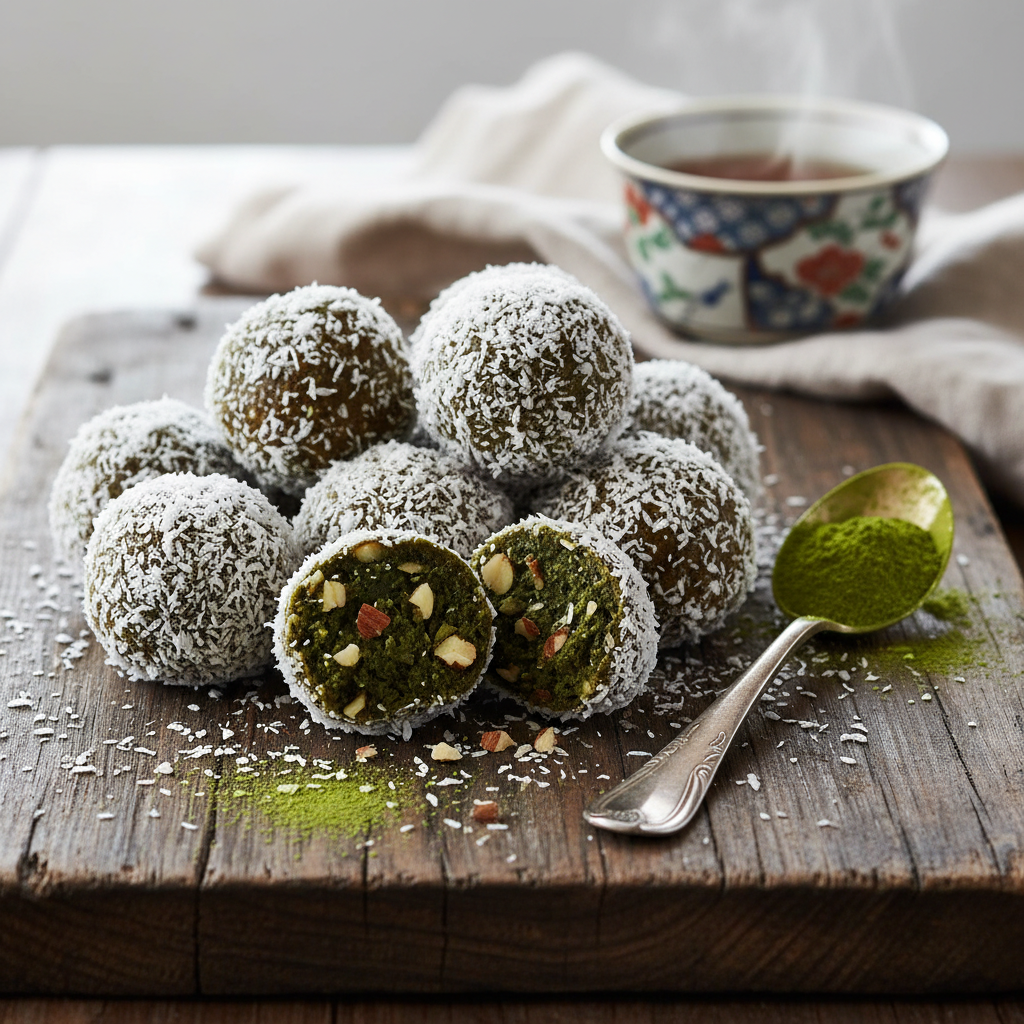
We have all been there: it is 3:00 PM, lunch is a distant memory, and your energy levels are crashing faster than a computer with a virus. Your hand instinctively reaches for a second cup of coffee or a sugary processed snack from the vending machine, but deep down, you know you will regret the jitters and the inevitable sugar crash later. Enter the Matcha Coconut Energy Ball—a vibrant, emerald-green sphere of wellness that promises to revolutionize your snacking habits. This recipe is not just another Pinterest trend; it is a carefully calibrated nutritional powerhouse designed to fuel your body and sharpen your mind. By combining the earthy, umami-rich complexity of ceremonial grade matcha green tea with the natural, caramel-like sweetness of Medjool dates and the tropical, creamy crunch of desiccated coconut, we create a flavor profile that is sophisticated yet accessible. The texture is divine—fudgy and dense like a truffle, yet light enough to eat on the go. Unlike baked goods that can dry out, these raw treats retain all the moisture and nutritional integrity of their ingredients. They are naturally gluten-free, vegan, and paleo-friendly, making them the ultimate crowd-pleaser for diverse dietary needs. Whether you are a busy parent needing a quick grab-and-go breakfast, a fitness enthusiast looking for pre-workout fuel, or simply someone trying to incorporate more superfoods into your diet without sacrificing flavor, this recipe is your new best friend. In this comprehensive guide, we will walk you through exactly how to achieve the perfect consistency, how to select the best matcha, and why this specific combination of ingredients works so harmoniously to keep you satiated and focused.
History & Origins
To understand the significance of these energy balls, we must first look at the ancient history of their star ingredient: matcha. While often associated with Japan, powdered tea actually originated in China during the Tang Dynasty (618–907 AD). It was brought to Japan in the 12th century by the Zen monk Eisai, who planted the seeds of tea culture that would evolve into the highly ritualized Japanese tea ceremony, or ‘Chanoyu’. For centuries, matcha was consumed primarily by monks to aid in meditation, providing a state of calm alertness thanks to the amino acid L-theanine. This ancient ingredient has seen a massive resurgence in the modern Western wellness world, transcending the tea bowl to become a staple in lattes, desserts, and health foods.
On the other hand, the concept of the ‘energy ball’ (also known as bliss balls or protein spheres) is a relatively modern culinary invention, likely evolving from the ‘pemmican’ of indigenous North Americans—a mixture of fat and protein used for energy on long journeys—and later, the health food movements of the 1960s and 70s which popularized granola and dried fruit bars. However, the specific iteration of the raw, date-based energy ball gained massive popularity with the rise of the Paleo and Raw Vegan movements in the early 2010s. Food bloggers and wellness influencers championed the idea of processing dates with nuts to create a ‘dough’ that required no cooking. This recipe represents a fusion of these two histories: the ancient, ceremonial reverence for matcha and the modern, fast-paced demand for convenient, nutrient-dense, whole-food nutrition. It bridges the gap between a centuries-old mindfulness aid and the contemporary need for grab-and-go vitality.
Why This Recipe Works
This recipe succeeds where others fail due to a precise balance of texture, flavor, and nutrition science. First, let’s talk about the binding agent: Medjool dates. Unlike honey or maple syrup which can make mixtures sticky and wet, dates provide structure. When processed, they break down into a sticky paste that holds the nuts and coconut together without the need for baking or added oils.
Flavor-wise, matcha can be polarizing due to its inherent grassy bitterness. This recipe mitigates that by pairing it with the intense, caramel-like sweetness of the dates and the rich, fatty mouthfeel of almonds and coconut. The fat from the nuts is crucial; it coats the tongue and mellows the astringency of the tea powder, allowing the floral and umami notes of the matcha to shine without overpowering the palate.
Nutritionally, this is a ‘functional food’ masterpiece. The combination of caffeine from the matcha and fiber from the dates ensures a slow, sustained release of energy, avoiding the spike-and-crash cycle of refined sugar snacks. Furthermore, the L-theanine in the matcha promotes relaxation without drowsiness, creating a ‘calm focus’ that is ideal for work or study. The desiccated coconut coating provides a textural contrast—a dry, crisp exterior yielding to a moist, chewy interior—which makes the eating experience psychologically satisfying.
Why You’ll Love This Recipe
- ✓Requires absolutely no baking—just a food processor and a fridge.
- ✓Packed with antioxidants from premium matcha powder.
- ✓Provides sustained energy without the sugar crash.
- ✓Naturally Vegan, Gluten-Free, and Paleo-friendly.
- ✓Perfect for meal prep; they last up to two weeks in the fridge.
Equipment You’ll Need
- ✓High-speed food processor or powerful blender
- ✓Rubber spatula
- ✓Measuring cups and spoons
- ✓Baking sheet or large plate
- ✓Parchment paper
Ingredients
- ✓1 cup raw almonds (or almond flour for a smoother texture)
- ✓1 cup Medjool dates, pitted (approx. 10-12 dates)
- ✓2/3 cup unsweetened desiccated coconut (plus extra for rolling)
- ✓1 tablespoon high-quality matcha green tea powder
- ✓1 tablespoon coconut oil, melted (optional, for extra fudginess)
- ✓1/2 teaspoon pure vanilla extract
- ✓Pinch of sea salt
Instructions
- Prepare the Dates: If your Medjool dates are dry or stiff, soak them in warm water for 10 minutes to soften, then drain them thoroughly. Ensure all pits are removed.
- Process the Nuts: Place the raw almonds in your food processor. Pulse until they are broken down into a coarse meal. Be careful not to over-process into almond butter. If using almond flour, skip this step.
- Combine Ingredients: Add the pitted dates, 2/3 cup desiccated coconut, matcha powder, vanilla extract, and sea salt to the food processor with the almonds.
- Blend: Process on high speed for 1-2 minutes. You may need to stop and scrape down the sides with a spatula. Continue processing until the mixture clumps together and forms a sticky ball that pulls away from the sides of the bowl.
- Check Consistency: Pinch a small amount of the dough between your fingers. It should stick together easily. If it is too dry and crumbly, add the melted coconut oil (or a teaspoon of water) and pulse again. If it is too sticky, add a tablespoon more of almonds or coconut.
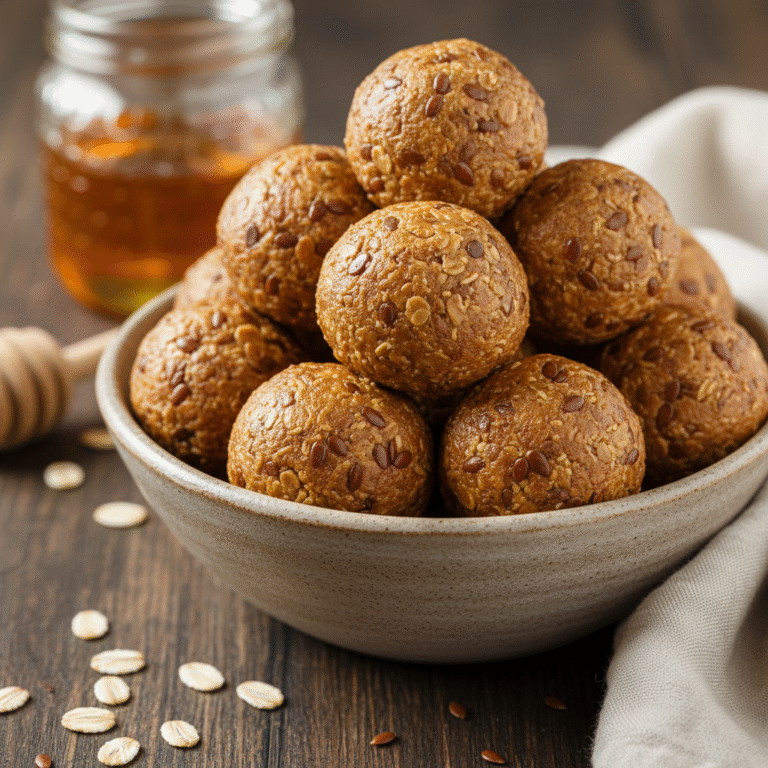
- Roll the Balls: Scoop out about a tablespoon of the mixture at a time. Using the palms of your hands, roll them into smooth, firm spheres. You should get about 12-14 balls depending on the size.
- Coat: Place extra desiccated coconut on a small plate. Roll each ball in the coconut until fully coated. Alternatively, you can dust them with a little extra matcha powder for a more intense flavor.
- Chill: Place the finished balls on a parchment-lined baking sheet or plate. Refrigerate for at least 30 minutes to allow them to firm up before serving.
Expert Cooking Tips
- ✓Use ‘Ceremonial Grade’ matcha for the best color and flavor; culinary grade can be too bitter and brownish.
- ✓If you don’t have a food processor, you can use almond flour and finely chopped dates, mixing by hand, though the texture will be chunkier.
- ✓Wet your hands slightly with water or coconut oil before rolling to prevent the mixture from sticking to your palms.
- ✓Toast the coconut used for the outer coating for a nuttier, more aromatic finish.
- ✓Add a scoop of collagen peptides or vanilla protein powder to increase the protein content for a post-workout snack.
Substitutions and Variations
This recipe is incredibly versatile and forgiving. If you have a nut allergy, you can replace the almonds with sunflower seeds, pumpkin seeds (pepitas), or rolled oats (if you are not strictly Paleo). For a different nut profile, cashews create a creamier, more cookie-dough-like texture, while walnuts add high levels of Omega-3s and a deeper earthiness. If you don’t like coconut, you can omit it from the mixture and add more nuts or oats to compensate for the dry volume; for the coating, try rolling the balls in hemp seeds, crushed pistachios, or cocoa powder. Maple syrup can be added (1 tablespoon) if your dates aren’t sweet enough, but usually, the fruit sugar is sufficient. For the fat source, if you want to avoid coconut oil, almond butter or cashew butter works excellently as a binder.
Common Mistakes to Avoid
The most common mistake is over-processing the nuts, turning them into butter before adding the dates; this results in an oily, greasy ball rather than a chewy one. Conversely, under-processing the dates leaves large chunks of fruit that don’t distribute sweetness evenly. Another pitfall is using low-quality matcha. Cheap matcha is often dull olive-green and extremely bitter, which can ruin the delicate flavor balance. Always look for a vibrant, bright green powder. Finally, failing to chill the balls is a mistake; while they are safe to eat immediately, the texture improves significantly after the coconut oil and natural sugars have had time to set in the refrigerator.
Serving Suggestions
These Matcha Coconut Energy Balls are best served chilled. They make an excellent companion to your morning coffee or afternoon herbal tea. For an elegant presentation, serve them on a slate platter dusted with a little extra matcha powder. They are also fantastic crumbled over a yogurt parfait or smoothie bowl for added texture. If you are hosting a brunch, place them in mini truffle liners for a sophisticated, bite-sized dessert option.
Storage and Reheating Tips
Proper storage is key to maintaining the texture of these energy balls. Store them in an airtight container in the refrigerator for up to 2 weeks. They actually taste better after a day or two as the flavors meld. For long-term storage, these freeze beautifully. Place them in a freezer-safe bag or container, separating layers with parchment paper to prevent sticking. They will keep for up to 3 months in the freezer. You can eat them straight from the freezer (they don’t freeze rock-hard due to the fat content) or let them thaw on the counter for 5 minutes before enjoying.
Nutrition Facts (Estimated)
| Serving Size | 1 ball |
| Calories | 110 |
| Fat | 6g |
| Saturated Fat | 2g |
| Unsaturated Fat | 3.5g |
| Trans Fat | 0g |
| Cholesterol | 0mg |
| Sodium | 2mg |
| Carbohydrates | 12g |
| Fiber | 3g |
| Sugar | 9g |
| Protein | 3g |
Frequently Asked Questions
Do these energy balls contain caffeine?
Yes, they do. Matcha contains caffeine, roughly 25-35mg per half-teaspoon serving used here. However, the caffeine in matcha works differently than coffee due to L-theanine, providing a sustained energy boost without the jitters.
Can I make these without a food processor?
Yes, but it requires more elbow grease. You will need to buy almond flour instead of whole almonds and chop the dates as finely as possible (almost into a paste) before kneading everything together by hand.
Why is my mixture too crumbly?
This usually happens if the dates were too dry. Try adding a teaspoon of warm water or melted coconut oil and processing again. If that fails, add one or two more soft dates.
Are these safe for kids?
Generally yes, they are healthy and full of whole foods. However, due to the caffeine in matcha, you might want to limit consumption for young children or make a separate batch without matcha for them.
What kind of dates should I use?
Medjool dates are the gold standard for energy balls because they are large, soft, and caramel-like. Deglet Noor dates are smaller and drier; if you use them, you will need to soak them in warm water first.
Can I use protein powder in this recipe?
Absolutely. You can replace about 1/4 cup of the almond meal with a scoop of vanilla or unflavored protein powder. You may need to add a tiny splash of water if the mixture becomes too dry.
Is this recipe Keto-friendly?
Strictly speaking, dates are high in sugar (carbs), so this is not a traditional Keto recipe. However, you can modify it by using a keto-friendly syrup binder and omitting the dates, though the texture will change significantly.
Why are my balls oily?
This happens if you process the nuts for too long, releasing their natural oils, or if the coconut oil was too hot when added. Chill the dough for 10 minutes before rolling to help manage the oils.
Conclusion
There you have it—a simple, sophisticated, and incredibly nutritious snack that fits perfectly into a busy lifestyle. These Matcha Coconut Energy Balls prove that healthy eating doesn’t have to be complicated or bland. With their vibrant green hue and satisfying chew, they are a treat for both the eyes and the palate. Whether you are a matcha devotee or a newcomer to the world of green tea, this recipe is a foolproof way to enjoy the benefits of superfoods. Whip up a batch this Sunday, and thank yourself all week long when you have a delicious, guilt-free pick-me-up waiting for you in the fridge. Enjoy the burst of energy!