The Ultimate Glow Bowl: 20-Minute Sesame Ginger Soba Noodle Lunch
Soba Noodle Veggie Lunch Bowl Healthy Recipe
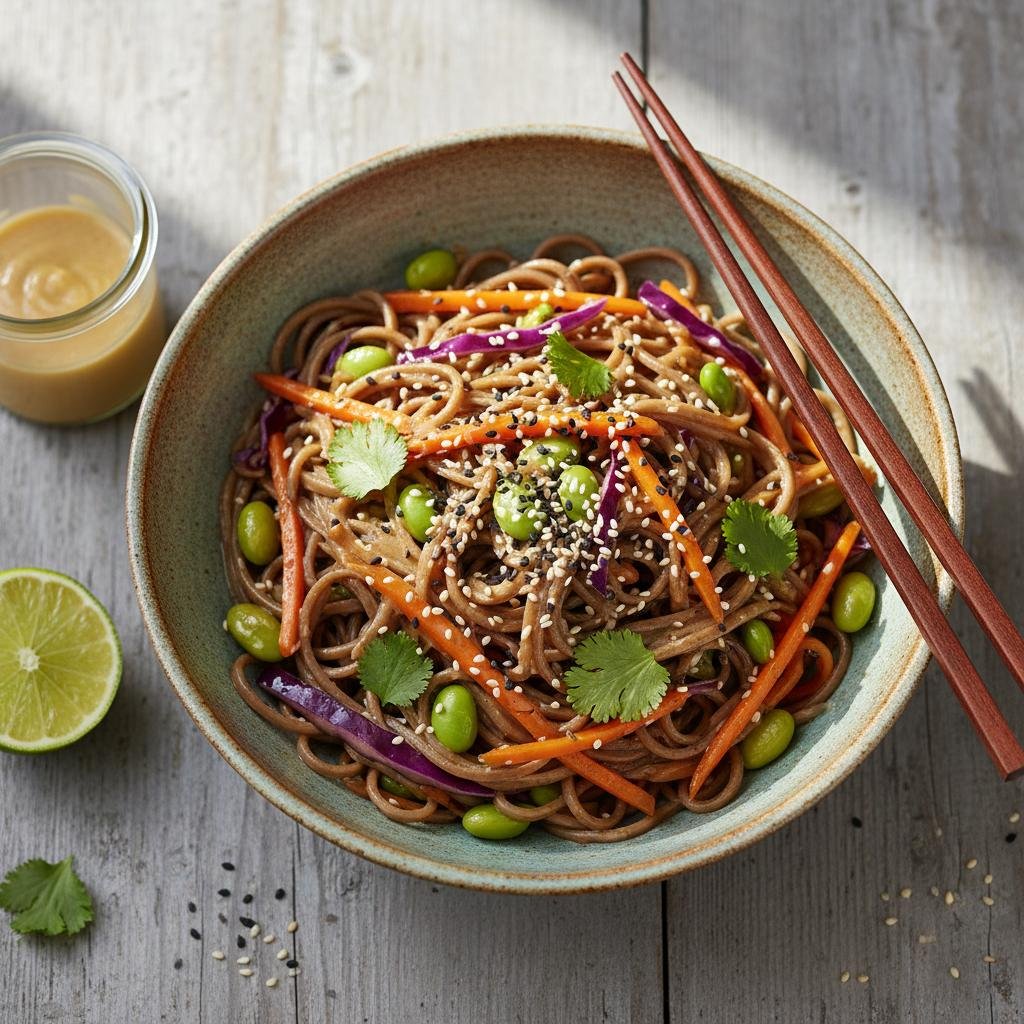
In the world of meal prepping and quick, healthy lunches, few dishes strike the perfect balance between comfort and nutrition quite like this Sesame Ginger Soba Noodle Veggie Bowl. If you have ever found yourself staring at a sad, wilted salad or a bland sandwich at your desk, yearning for something that feels vibrant and alive, this recipe is your culinary savior. This dish is a celebration of textures and colors, centered around the earthy, nutty flavor of buckwheat soba noodles. Unlike standard wheat pasta, soba offers a unique, toothsome bite that pairs exceptionally well with the crunch of fresh, raw vegetables. This isn’t just lunch; it is a ‘glow bowl’ designed to fuel your body with wholesome ingredients without weighing you down. The magic lies in the dressing—a savory, slightly sweet, and deeply aromatic emulsion of toasted sesame oil, fresh ginger, and soy sauce that coats every strand of noodle and every ribbon of vegetable. It is the kind of meal that tastes even better the next day, as the flavors have had time to meld and marry in the refrigerator. Whether you are a busy professional looking to streamline your week, a student needing brain food, or simply someone trying to incorporate more plant-based diversity into your diet, this bowl delivers on all fronts. It is visually stunning, Instagram-ready, and packed with fiber, plant-based protein, and essential vitamins. Prepare to banish the midday slump with a lunch that is as exciting to eat as it is easy to make.
20 minutes
10 minutes
30 minutes
4 servings
Lunch / Main Course
Stovetop (Boiling)
Japanese-Fusion
Vegan
History & Origins
To truly appreciate this bowl, one must understand the rich history of its star ingredient: soba. Soba is the Japanese word for buckwheat, but it also refers to the thin noodles made from buckwheat flour. The history of consuming buckwheat in Japan dates back to the Jomon period, but the noodle form we recognize today became popular during the Edo period (1603–1868). During this era, Tokyo (then Edo) had a population that consumed a lot of white rice, which led to a widespread deficiency in thiamine (Vitamin B1) known as ‘kakke’ or beriberi. Soba, being rich in thiamine, became a popular preventative measure and a dietary staple for the Edo townspeople. It evolved into a cultural icon, with specific traditions like ‘Toshikoshi Soba’—eating long noodles on New Year’s Eve to symbolize crossing over from one year to the next and wishing for a long, healthy life. While traditional Japanese soba is often served simply—either chilled with a dipping sauce (zaru soba) or in a hot broth (kake soba)—this recipe represents the modern, global evolution of the ingredient. It takes the core concept of chilled soba and fuses it with the Western ‘Buddha bowl’ or ‘grain bowl’ philosophy. This fusion approach respects the integrity of the noodle’s texture while introducing a rainbow of vegetables and a dressing profile that, while rooted in Japanese flavors, is adapted for a hearty, standalone salad meal that suits the contemporary, health-conscious lifestyle.
Why This Recipe Works
This recipe succeeds where many cold noodle salads fail because of three critical factors: texture management, sauce emulsification, and flavor balance. First, the texture. Soba noodles are delicate; if overcooked, they become mushy, but if cooked correctly and shocked in ice water (a non-negotiable step in this recipe), they retain a delightful elasticity and firmness known as ‘koshi.’ This chewy texture provides the perfect counterpoint to the crisp snap of raw red cabbage, carrots, and cucumber. Without this contrast, the bowl would feel one-dimensional. Second, the sauce. Many dressings slide right off slippery noodles, pooling at the bottom of the bowl. By using a base of tahini or a slightly thicker emulsion of oil and soy sauce, combined with the rougher surface texture of buckwheat noodles, the flavor clings to the ingredients, ensuring every bite is impactful. Finally, the flavor balance is meticulously calibrated. The earthiness of the buckwheat requires a punchy dressing to lift it. The sharp acidity of rice vinegar cuts through the richness of the sesame oil, while the maple syrup provides just enough sweetness to round out the salty soy sauce and the spicy kick of fresh ginger. It is a symphony of salty, sweet, sour, and savory (umami) that hits every taste bud.
Why You’ll Love This Recipe
- ✓Ready in under 30 minutes, making it perfect for weeknight cooking.
- ✓Packed with plant-based protein from edamame and buckwheat.
- ✓High in fiber and essential nutrients to keep you full longer.
- ✓Highly customizable—use whatever crunchy veggies you have in the fridge.
- ✓Meal-prep friendly: tastes even better after marinating overnight.
- ✓Naturally vegan and easily adaptable to be gluten-free.
Equipment You’ll Need
- ✓Large pot for boiling water
- ✓Colander
- ✓Large mixing bowl
- ✓Small whisk or jar with lid
- ✓Chef’s knife
- ✓Cutting board
- ✓Julienne peeler or grater
- ✓Tongs
Ingredients
- ✓8 oz (225g) dried Soba noodles (look for high buckwheat content)
- ✓1 cup frozen shelled edamame, thawed
- ✓1 cup red cabbage, thinly shredded
- ✓2 medium carrots, julienned or grated
- ✓1 red bell pepper, thinly sliced
- ✓1 cucumber, seeds removed and sliced into half-moons
- ✓3 green onions, thinly sliced
- ✓1/4 cup fresh cilantro, chopped
- ✓1 tablespoon toasted sesame seeds
- ✓For the Sauce: 1/3 cup soy sauce (or tamari for GF)
- ✓For the Sauce: 2 tablespoons toasted sesame oil
- ✓For the Sauce: 2 tablespoons rice vinegar
- ✓For the Sauce: 1 tablespoon maple syrup or honey
- ✓For the Sauce: 1 tablespoon fresh ginger, grated
- ✓For the Sauce: 1 clove garlic, minced
- ✓For the Sauce: 1 teaspoon Sriracha or chili paste (optional)
Instructions
- 1. Prepare the Sauce: In a small bowl or a jar with a tight-fitting lid, combine the soy sauce, sesame oil, rice vinegar, maple syrup, grated ginger, minced garlic, and Sriracha (if using). Whisk or shake vigorously until the sugar has dissolved and the dressing is emulsified. Set aside to let the flavors meld.
- 2. Boil the Noodles: Bring a large pot of unsalted water to a rolling boil. Add the soba noodles. Cook according to the package instructions, usually about 4-5 minutes. Be careful not to overcook them as buckwheat becomes mushy easily.
- 3. The Ice Bath (Crucial Step): While noodles are boiling, prepare a colander and a bowl of ice water. Once the noodles are tender but firm (al dente), drain them immediately and plunge them into the ice water or rinse thoroughly under cold running water. Rub the noodles gently with your hands to remove excess starch. Drain well.
- 4. Prep the Veggies: While the water was boiling, you should have chopped your vegetables. Ensure the cabbage is shredded finely and the carrots are julienned for the best texture.
- 5. Assemble the Base: In a very large mixing bowl, combine the drained, cold soba noodles, thawed edamame, red cabbage, carrots, bell pepper, cucumber, green onions, and cilantro.
- 6. Dress and Toss: Pour about three-quarters of the dressing over the noodle and vegetable mixture. Use tongs to toss everything together, ensuring the noodles are well-coated and the vegetables are evenly distributed. Taste and add the remaining dressing if you prefer a stronger flavor.
- 7. Garnish and Serve: Divide the mixture into four bowls. Sprinkle generously with toasted sesame seeds. You can add a squeeze of lime juice or extra cilantro if desired. Serve immediately or store for later.
Expert Cooking Tips
- ✓The most important tip is to rinse the noodles vigorously under cold water. This removes the gummy starch and ensures the noodles don’t stick together.
- ✓Do not salt the pasta water. Soba noodles usually contain salt already, and the soy sauce dressing provides plenty of sodium.
- ✓Toast your sesame seeds in a dry pan for 2 minutes before adding them; it amplifies the nutty flavor significantly.
- ✓Use a julienne peeler for the carrots and cucumber to get uniform, restaurant-quality strips that are easier to eat.
- ✓Grate the ginger using a microplane to avoid fibrous chunks in your dressing.
- ✓If the noodles stick together after sitting, splash a teaspoon of water or extra dressing to loosen them up.
Substitutions and Variations
This recipe is incredibly flexible. If you are gluten-free, it is vital to buy 100% buckwheat soba noodles (some brands mix with wheat flour) and use Tamari or Coconut Aminos instead of soy sauce. For the protein, while edamame is traditional and convenient, you can easily swap it for cubes of baked tofu, chickpeas, or even shredded cooked chicken if you are not strictly vegetarian. If you don’t have red cabbage, Napa cabbage or baby spinach works well as a base. The vegetables can be swapped based on seasonality; snap peas, radishes, and blanched broccoli florets are excellent additions. If you have a nut allergy, the sesame oil is usually safe, but if you are allergic to sesame, you can use olive oil and add a teaspoon of tahini or peanut butter for that nutty profile, though the flavor will shift slightly.
Common Mistakes to Avoid
The most common mistake with soba is overcooking it. Buckwheat flour lacks the gluten structure of wheat, meaning it goes from ‘al dente’ to ‘mush’ in a matter of seconds. Watch the pot like a hawk. Another error is failing to rinse the noodles. If you skip the cold water rinse, the noodles will be gummy, slimy, and will clump into an unappetizing ball. Regarding the dressing, a common mistake is adding too much sweetness; remember that the carrots and bell peppers add natural sugar, so keep the dressing savory and acidic to balance the bowl. Lastly, avoid chopping the vegetables into large chunks. Since this is a noodle dish, you want the vegetables to be thin and long (julienned) so they tangle with the noodles, allowing you to get a bit of everything in one bite.
Serving Suggestions
These bowls are best served chilled or at room temperature, making them the ideal lunch for warm days or office meals. For a complete dinner, you might pair this with a side of miso soup and some vegetable gyoza or tempura. If you want to make it fancier for guests, top the bowl with sliced avocado just before serving (don’t add it earlier or it will brown) and perhaps a drizzle of spicy mayo or chili crisp for heat and visual appeal. A cold glass of green tea or a crisp white wine like a Sauvignon Blanc pairs beautifully with the ginger and sesame flavors.
Storage and Reheating Tips
This is a meal prep champion. The dressed salad can be stored in an airtight container in the refrigerator for up to 3 days. Unlike leafy salads that wilt instantly, the hearty cabbage and carrots hold up well to the dressing. However, the noodles will absorb the sauce over time. If you are prepping for day 4 or 5, it is best to store the noodles, veggies, and sauce in three separate containers and combine them just before eating. If the noodles have clumped together in the fridge, a quick splash of warm water or extra soy sauce will help separate them. Do not freeze this dish; the vegetables will lose their crunch and the noodles will disintegrate upon thawing.
Nutrition Facts (Estimated)
| Serving Size | 1 Bowl (approx 350g) |
| Calories | 425 |
| Fat | 14g |
| Saturated Fat | 2g |
| Unsaturated Fat | 11g |
| Trans Fat | 0g |
| Cholesterol | 0mg |
| Sodium | 680mg |
| Carbohydrates | 62g |
| Fiber | 6g |
| Sugar | 8g |
| Protein | 16g |
Frequently Asked Questions
Are all soba noodles gluten-free?
No, not all of them. Traditional soba is made of buckwheat (which is gluten-free), but many commercial brands mix buckwheat flour with wheat flour to make the noodles more durable and cheaper. You must check the ingredient label for ‘100% buckwheat’ if you have a gluten intolerance.
Can I eat this warm?
Technically yes, but this specific recipe is designed as a cold salad. Heating the cucumbers and raw cabbage might result in an odd texture. If you want a warm version, sauté the veggies first and toss them with warm noodles and the sauce.
What can I use instead of sugar or maple syrup?
You can use honey, agave nectar, or a monk fruit sweetener for a lower-sugar option. The sweetness is necessary to balance the salty soy sauce and acidic vinegar.
How do I add more protein?
Edamame provides good protein, but you can easily add hard-boiled eggs, grilled shrimp, cubed tempeh, or shredded rotisserie chicken to boost the protein content significantly.
My noodles are sticking together, what did I do wrong?
You likely didn’t rinse them enough after boiling. Soba releases a lot of starch. You must wash them vigorously under cold water until the water runs clear to prevent sticking.
Is this recipe spicy?
It has a mild kick from the fresh ginger and the optional Sriracha. If you are sensitive to spice, omit the Sriracha and reduce the ginger quantity.
Can I use zucchini noodles instead of soba?
Yes, for a lower-carb or keto version, zucchini noodles (zoodles) work great. However, do not cook the zoodles; use them raw so they maintain a crunch similar to the veggies.
How long does the dressing last in the fridge?
The dressing alone can last up to 2 weeks in a sealed jar in the refrigerator. You can make a double batch to use on other salads or stir-fries throughout the week.
Conclusion
There you have it—a Soba Noodle Veggie Lunch Bowl that checks every box: nutritious, delicious, quick, and visually stunning. It is a testament to the fact that healthy eating doesn’t have to be complicated or boring. By taking twenty minutes to chop some fresh vegetables and boil a pot of noodles, you are investing in your health and happiness for the days ahead. Whether you enjoy this poolside, at your desk, or at the dinner table with family, the vibrant flavors of sesame, ginger, and buckwheat are sure to satisfy. Don’t forget to pin this recipe for your next meal prep Sunday, and feel free to experiment with your favorite vegetables to make this bowl truly your own. Happy cooking and happy slurping!