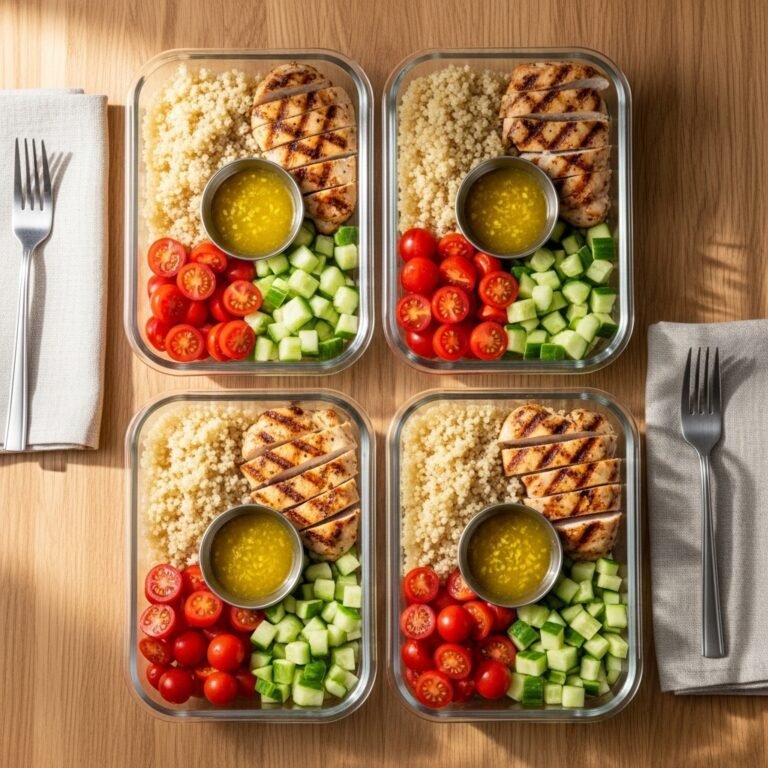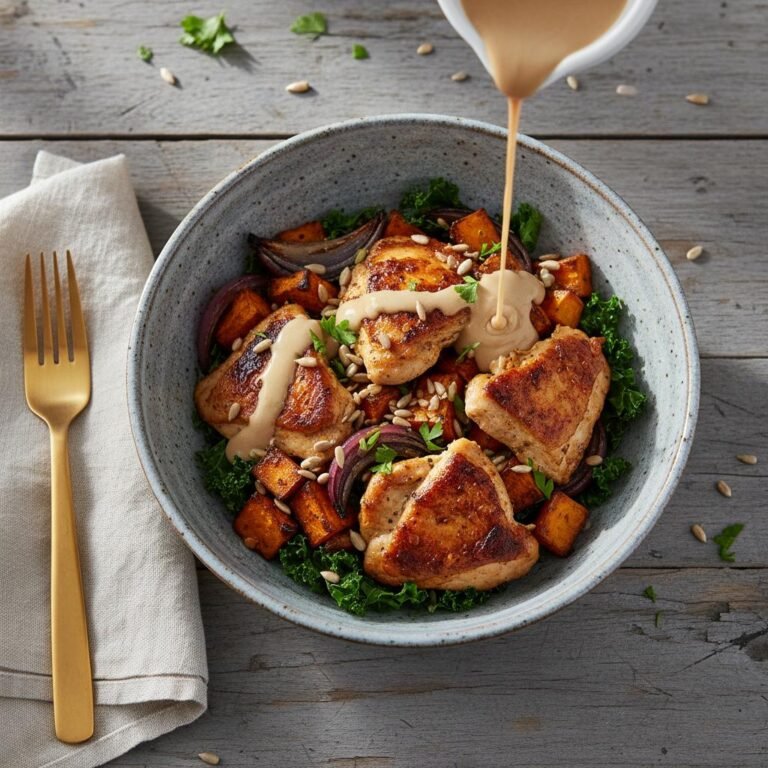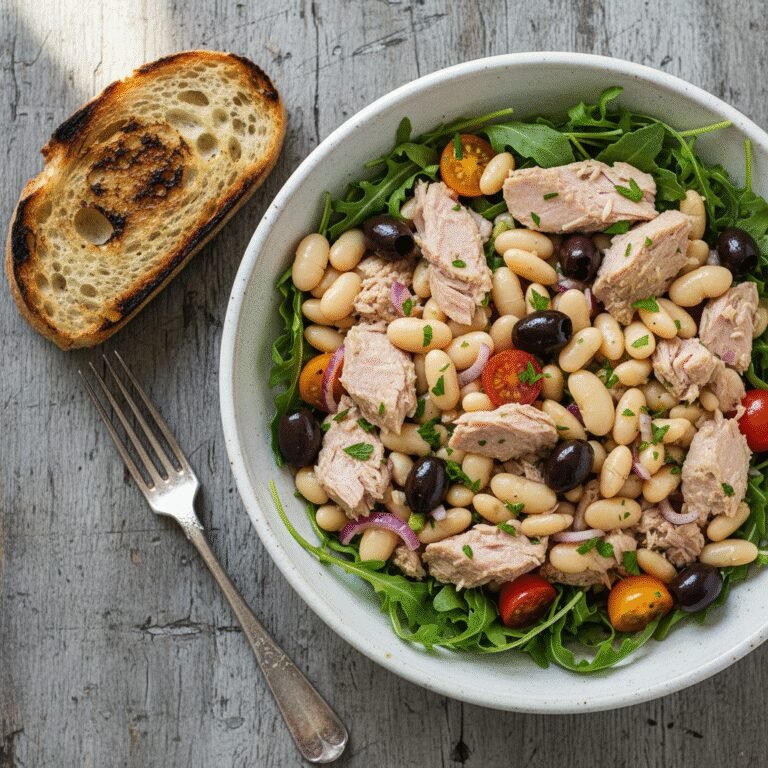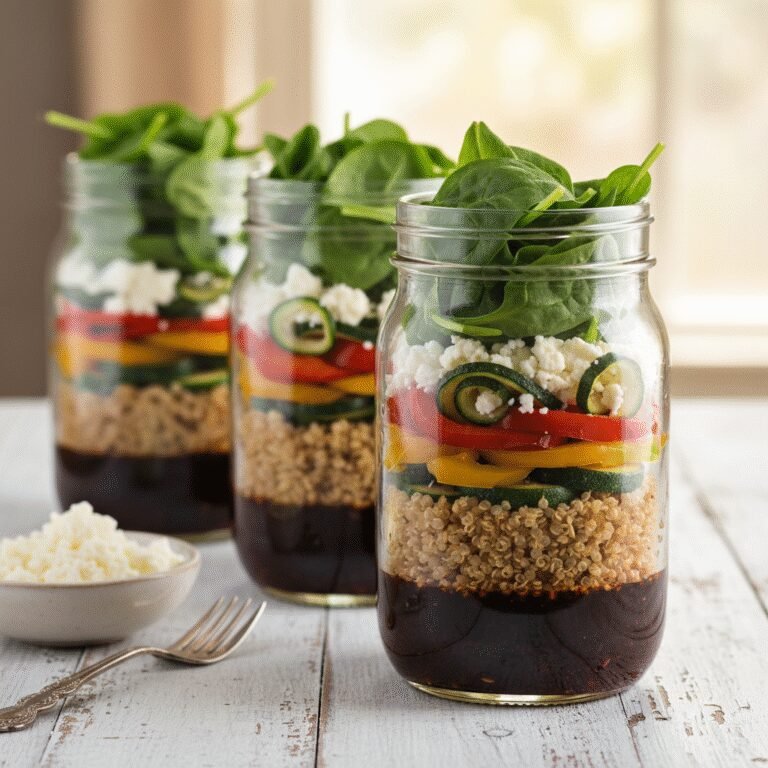
The Ultimate Teriyaki Chicken and Broccoli Meal Prep Bowls
Teriyaki Chicken And Broccoli Meal Prep Bowl Recipe
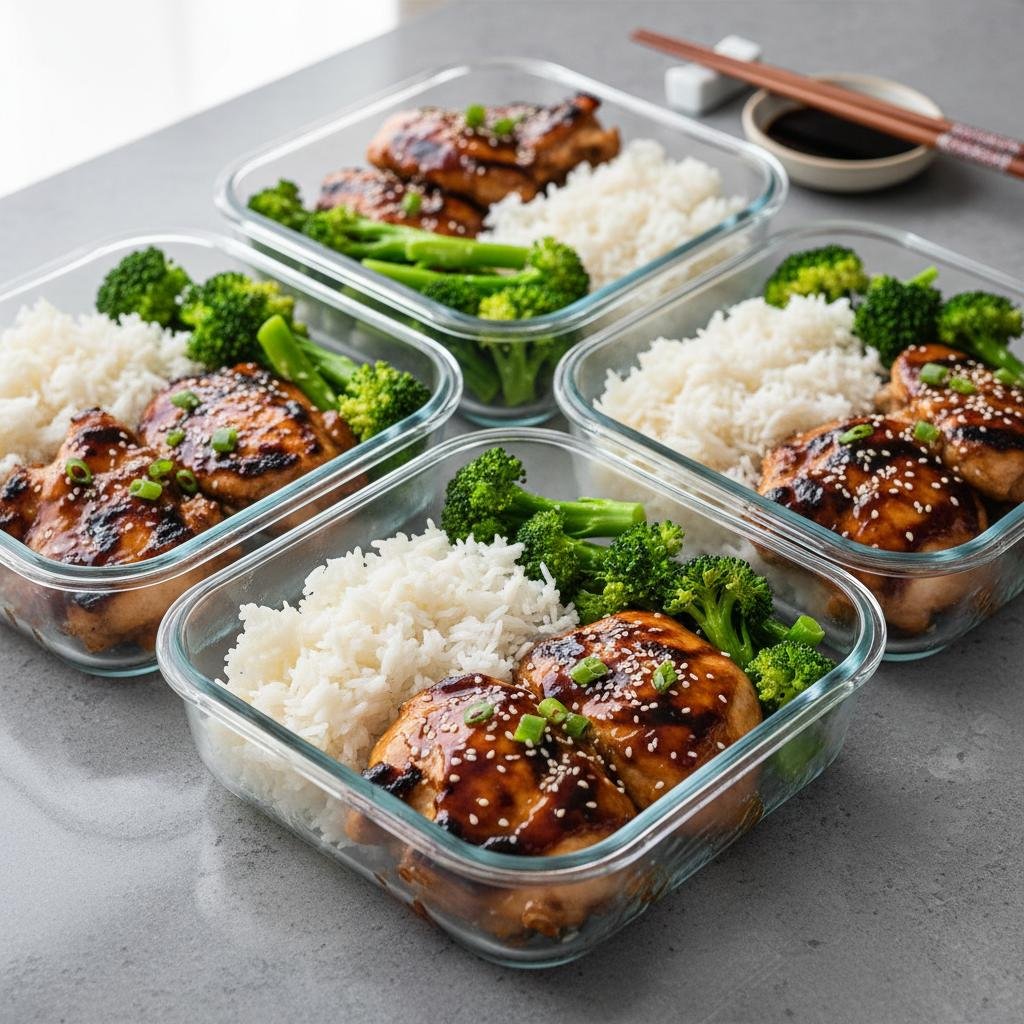
If there is one meal prep recipe that has saved my sanity during busy workweeks more than any other, it is this Ultimate Teriyaki Chicken and Broccoli Meal Prep Bowl. We have all been there: it is 6 PM on a Tuesday, you are exhausted, and the temptation to order takeout is overwhelming. But with these bowls sitting in your fridge, you have a healthy, high-protein, and incredibly flavorful dinner ready in just two minutes. This recipe captures the essence of everyone’s favorite Japanese-American takeout dish but elevates it with a homemade sauce that is free from the preservatives and excessive sodium found in bottled versions. The flavor profile is a perfect balance of savory and sweet, with the deep umami of soy sauce marrying beautifully with brown sugar, fresh ginger, and garlic. The chicken thighs are seared to golden perfection before being tossed in the sticky, glossy glaze, ensuring every bite is juicy and packed with flavor. Unlike dry chicken breast that often plagues meal prep containers, using thighs ensures the meat stays tender even after reheating. Paired with crisp-tender broccoli that adds a fresh crunch and a bed of fluffy jasmine rice to soak up the extra sauce, this meal is a nutritional powerhouse that feels like an indulgence. Whether you are a meal prep pro looking to switch up your rotation or a beginner wanting to start with a guaranteed win, this Teriyaki Chicken and Broccoli recipe is your ticket to a stress-free, delicious week. It is economical, customizable, and honestly tastes better on day three than most meals do on day one.
20 minutes
25 minutes
45 minutes
4 servings
Main Course
Stovetop
Japanese-American
Dairy-Free
History & Origins
The term ‘Teriyaki’ is derived from two Japanese words: ‘teri’, which refers to the luster or shine given by the sugar content in the tare (sauce), and ‘yaki’, which refers to the cooking method of grilling or broiling. While the cooking technique dates back to the 17th century in Japan, the teriyaki sauce we know and love today—thick, sweet, and glossy—is largely a product of Japanese immigrants in Hawaii and the mainland United States. In traditional Japanese cuisine, the sauce is much thinner and less sweet, primarily used for fish like yellowtail or mackerel. However, when Japanese immigrants settled in Hawaii in the 1960s, they adapted their recipes to utilize local ingredients like pineapple juice and brown sugar, blending them with soy sauce to create a marinade that paired exceptionally well with chicken and beef. This evolution birthed the modern ‘plate lunch’ culture in Hawaii and eventually spread to Seattle, where teriyaki shops became as ubiquitous as coffee stands. The specific combination of chicken and broccoli is a distinctly Western adaptation, influenced by Chinese-American stir-fry traditions where meat and vegetables are paired for a complete meal. This particular meal prep version pays homage to that diasporic history, celebrating the fusion of traditional Japanese grilling techniques with the Western palate’s love for bold, sweet-savory sauces and the modern necessity for convenient, balanced nutrition. It is a dish that tells the story of adaptation, migration, and the universal love for grilled meat glazed in a savory sauce.
Why This Recipe Works
This recipe succeeds where many other meal prep bowls fail because it prioritizes texture and moisture retention, two factors that often degrade during storage and reheating. First, we opt for boneless, skinless chicken thighs instead of breasts. Thighs have a slightly higher fat content, which makes them more forgiving and ensures they remain succulent even after being microwaved days later. Second, the sauce is thickened with a cornstarch slurry at the very end. This technique creates a suspension that clings to the meat rather than sliding off into a watery pool at the bottom of the container. This coating acts as a barrier, keeping the chicken moist. Third, we blanch the broccoli separately rather than cooking it in the sauce. By cooking the broccoli just until it turns bright green and is crisp-tender, we prevent it from becoming mushy and sulfurous when you reheat the bowl later in the week. Finally, the ratio of sauce to rice is calculated to allow the rice to absorb flavor without becoming a soggy mash. The use of fresh aromatics—ginger and garlic—rather than powders provides a punchy brightness that cuts through the sweetness of the glaze, keeping the palate interested bite after bite. It is a scientifically sound approach to meal prepping that guarantees quality.
Why You’ll Love This Recipe
- ✓Uses juicy chicken thighs for reheat-friendly moisture.
- ✓Homemade sauce eliminates preservatives and controls sodium.
- ✓Ready in under 45 minutes for a full week of lunches.
- ✓Balanced macronutrients with high protein and fiber.
- ✓Cheaper and healthier than takeout alternatives.
- ✓Highly customizable with different veggies or grains.
Equipment You’ll Need
- ✓Large skillet or wok
- ✓Small saucepan
- ✓Rice cooker or pot
- ✓Whisk
- ✓Chef’s knife
- ✓Cutting board
- ✓4 Meal prep containers (glass preferred)
Ingredients
- ✓1.5 lbs Boneless skinless chicken thighs, cut into bite-sized pieces
- ✓2 cups Broccoli florets, cut into small pieces
- ✓1 tbsp Olive oil or sesame oil
- ✓Salt and black pepper to taste
- ✓1/2 cup Low-sodium soy sauce
- ✓1/4 cup Water
- ✓1/4 cup Brown sugar, packed
- ✓1 tbsp Rice vinegar or Mirin
- ✓1 tbsp Fresh ginger, minced
- ✓2 cloves Garlic, minced
- ✓1 tbsp Cornstarch mixed with 1 tbsp cold water (slurry)
- ✓2 cups Jasmine rice, uncooked (yields approx 6 cups cooked)
- ✓1 tsp Sesame seeds (for garnish)
- ✓2 Green onions, sliced (for garnish)
Instructions
- Rinse the jasmine rice under cold water until the water runs clear. Cook according to package instructions or use a rice cooker. Set aside.
- While rice is cooking, prepare the sauce. In a small saucepan over medium heat, combine soy sauce, 1/4 cup water, brown sugar, rice vinegar (or Mirin), minced ginger, and minced garlic.
- Bring the sauce mixture to a gentle simmer, stirring until the sugar has completely dissolved.
- Whisk in the cornstarch slurry slowly. Continue to simmer for 2-3 minutes until the sauce thickens enough to coat the back of a spoon. Remove from heat and set aside.
- Heat the olive oil in a large skillet or wok over medium-high heat.
- Season the chicken pieces lightly with salt and pepper. Add them to the hot skillet in a single layer (work in batches if necessary to avoid overcrowding).
- Sear the chicken for 4-5 minutes per side until golden brown and cooked through (internal temperature of 165°F).
- While chicken cooks, steam the broccoli florets in a separate pot or microwave for 3 minutes until bright green but still crisp. Do not overcook.
- Pour the thickened teriyaki sauce over the cooked chicken in the skillet. Toss well to coat every piece evenly and let it bubble for 1 minute to adhere to the meat.
- Remove from heat. Divide the cooked rice evenly among 4 meal prep containers.
- Top the rice with the teriyaki chicken and the steamed broccoli.
- Garnish with sesame seeds and sliced green onions.
- Let the containers cool completely before securing the lids and refrigerating.
Expert Cooking Tips
- ✓Don’t overcrowd the pan when searing chicken to ensure it browns rather than steams.
- ✓Use fresh ginger and garlic instead of powder for a vibrant flavor profile.
- ✓Rinsing the rice removes excess starch, resulting in fluffy rather than gummy grains.
- ✓Cut broccoli florets into uniform sizes so they cook evenly.
- ✓Let the meal cool to room temperature before sealing the lid to prevent condensation and sogginess.
- ✓Toast the sesame seeds lightly in a dry pan for enhanced nutty flavor.
- ✓If the sauce becomes too thick, thin it out with a tablespoon of water at a time.
Substitutions and Variations
This recipe is incredibly versatile and can be adapted to suit various dietary needs and pantry staples. If you do not have chicken thighs, chicken breast works well, though be careful not to overcook it as it dries out faster. For a vegetarian option, firm tofu pressed and cubed, or even chickpeas, make excellent protein substitutes that absorb the sauce beautifully. If you are gluten-free, swap the soy sauce for Tamari or coconut aminos; note that coconut aminos are sweeter, so you may want to reduce the brown sugar slightly. Brown rice, quinoa, or cauliflower rice can be used instead of jasmine rice if you are looking to increase fiber or reduce carbohydrates. Honey or maple syrup can replace brown sugar for a more natural sweetener, though it will slightly alter the flavor profile. Lastly, if you don’t have rice vinegar or mirin, apple cider vinegar is a decent alternative, providing that necessary acidic tang to balance the saltiness.
Common Mistakes to Avoid
The most common mistake people make with this recipe is overcooking the broccoli. Since you will likely be reheating this meal in a microwave, the broccoli will cook further during that process. If you boil it until soft during the prep phase, it will turn into mush by Wednesday. Aim for a very crisp-tender texture initially. Another error is adding the cornstarch directly to the hot liquid without making a slurry first; this guarantees lumpy sauce. Always mix cornstarch with cold water before adding it to heat. Additionally, skipping the sear on the chicken is a missed opportunity for flavor. That golden-brown crust adds texture and depth that boiling or baking simply cannot replicate. Finally, do not skip cooling the containers before putting them in the fridge. Sealing hot food raises the internal temperature of your fridge, risking food safety, and creates condensation that makes the rice soggy.
Serving Suggestions
While these bowls are designed as a complete meal-in-one, you can elevate the serving experience with a few fresh additions. A side of spicy edamame or a simple cucumber salad with vinegar dressing pairs wonderfully with the richness of the teriyaki. Drizzling a little sriracha or spicy mayo over the top just before eating adds a creamy heat that complements the sweet glaze. For added crunch, try topping with crushed peanuts or crispy fried onions. If you are eating this for dinner fresh out of the pan, serve it with a cold glass of iced green tea or a crisp lager to cut through the savory soy flavor.
Storage and Reheating Tips
Proper storage is key to meal prep safety and quality. These bowls will keep in the refrigerator for up to 4 days. Ensure you use airtight containers, preferably glass, as plastic can sometimes retain the smell of garlic and soy sauce. To reheat, sprinkle a teaspoon of water over the rice and broccoli to create steam, then microwave on high for 1.5 to 2 minutes, stirring halfway through if possible. This helps rehydrate the rice. This dish also freezes surprisingly well. You can freeze the containers for up to 3 months. When ready to eat, thaw overnight in the refrigerator before reheating. Note that the broccoli may lose some of its crunch after freezing, but the flavor will remain excellent.
Nutrition Facts (Estimated)
| Serving Size | 1 bowl |
| Calories | 540 |
| Fat | 14g |
| Saturated Fat | 3.5g |
| Unsaturated Fat | 9g |
| Trans Fat | 0g |
| Cholesterol | 95mg |
| Sodium | 980mg |
| Carbohydrates | 68g |
| Fiber | 4g |
| Sugar | 18g |
| Protein | 32g |
Frequently Asked Questions
Can I use bottled teriyaki sauce instead?
Yes, you can use bottled sauce to save time. However, store-bought sauces often contain high fructose corn syrup and preservatives. If using bottled, try to find a high-quality brand and consider adding a little fresh ginger or garlic to freshen up the flavor.
How do I prevent the rice from getting hard in the fridge?
Rice hardens due to retrogradation of the starch. To fix this, sprinkle a small amount of water over the rice before microwaving. The steam generated during reheating will soften the grains back to their original fluffy texture.
Is this recipe gluten-free?
As written, it is not, because standard soy sauce contains wheat. However, it is very easy to make gluten-free by simply substituting the soy sauce for Tamari or a gluten-free soy sauce alternative.
Can I prep this without cooking the broccoli?
Technically yes, but it is not recommended. Raw broccoli stored with cooked chicken and rice might not reheat evenly in the microwave. It is best to blanch it briefly so it is partially cooked.
What other vegetables can I use?
Snap peas, bell peppers, carrots, zucchini, and baby corn are all fantastic additions or substitutions. Just be mindful of cooking times; harder veggies like carrots need more time than peppers.
Why is my sauce not thickening?
The sauce needs to come to a simmer to activate the cornstarch. If it is not bubbling, it won’t thicken. If it is simmering and still thin, you may need a bit more cornstarch slurry—add it slowly.
Can I bake the chicken instead of pan-frying?
Absolutely. You can bake the chicken thighs at 400°F for about 20-25 minutes. You can then toss them in the sauce that you have prepared on the stovetop.
Is this recipe kid-friendly?
Yes, very! The sweet and savory flavor profile is usually a hit with children. If your kids are sensitive to spice, you can reduce or omit the fresh ginger and ensure you don’t use spicy garnishes.
Conclusion
Mastering the art of the Teriyaki Chicken and Broccoli Meal Prep Bowl is a game-changer for your weekly routine. It proves that healthy, home-cooked food doesn’t have to be complicated or time-consuming. By investing less than an hour on a Sunday, you gift your future self with a nutritious, satisfying meal that tastes like a treat rather than a chore. The balance of protein, carbs, and veggies will keep you fueled, while the homemade sauce will keep your taste buds happy. Give this recipe a try next week, and you might just find yourself looking forward to lunch every single day. Don’t forget to tag us in your photos on Pinterest and Instagram—we love seeing your delicious creations!