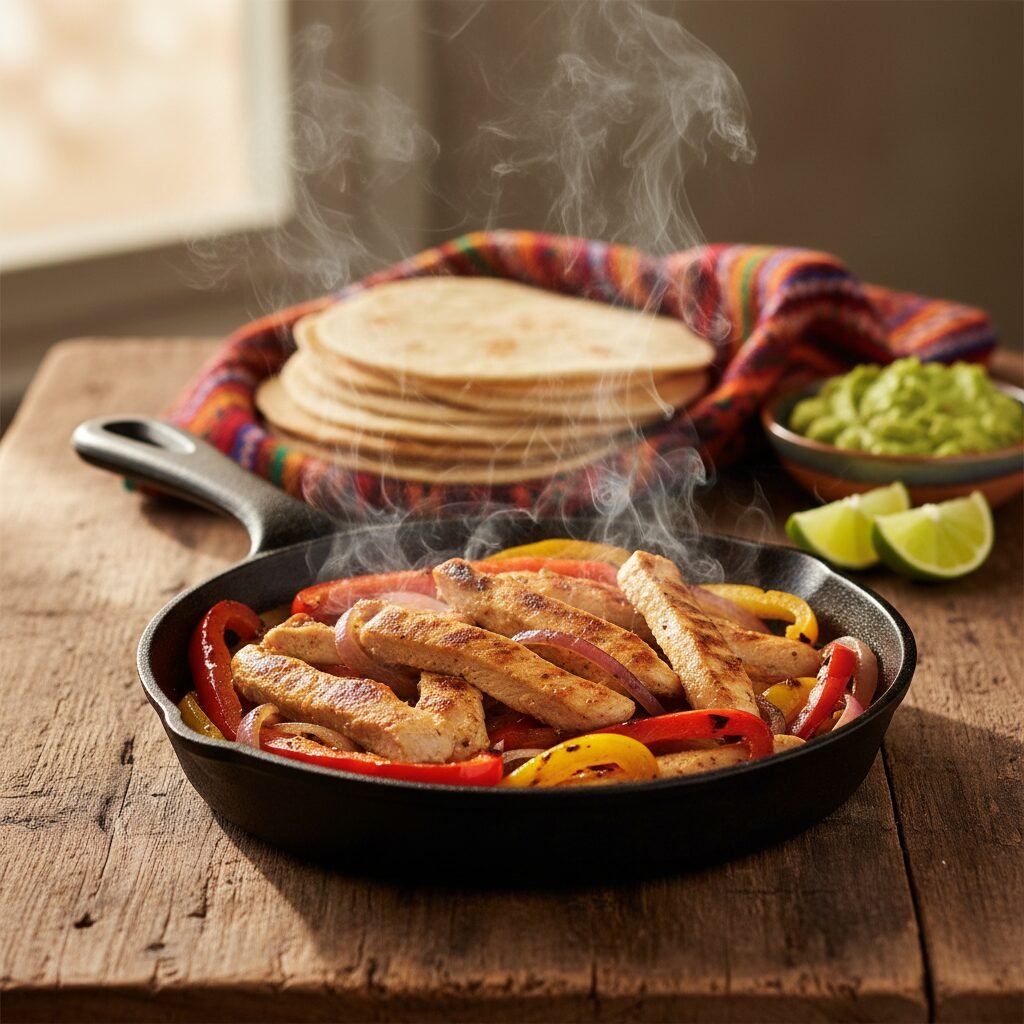
Sizzling One-Pan Chicken Fajita Skillet with Peppers and Onions
Chicken Fajita Skillet With Peppers And Onions Recipe
Transform your weeknight dinner routine with this vibrant, restaurant-quality Chicken Fajita Skillet. Ready in under 30 minutes, this one-pan wonder combines juicy, lime-marinated chicken with charred bell peppers and onions for a healthy, flavor-packed Tex-Mex feast.
15 minutes
15 minutes
30 minutes
4 servings
Main Course
Stovetop / Skillet
Tex-Mex
Gluten-Free
There are few sounds in the culinary world as enticing as the aggressive sizzle of a fajita skillet making its way through a crowded dining room. It is a sound that promises heat, flavor, and a communal dining experience that is hard to beat. However, recreating that restaurant-quality magic at home often feels daunting. Many home cooks struggle with soggy vegetables, dry chicken, or a lack of that signature smoky char. This Chicken Fajita Skillet recipe is designed to bridge that gap, bringing the authentic Tex-Mex experience straight to your kitchen table with minimal fuss and maximum flavor.
At the heart of this dish is the balance of textures and the depth of the marinade. We aren’t just tossing chicken in a pan; we are infusing it with a zesty blend of cumin, chili powder, and fresh lime juice that tenderizes the meat while packing it with bold, earthy notes. The peppers and onions are not merely a garnish but a co-star, cooked rapidly over high heat to retain their crunch and sweetness while developing those essential blistered edges.
What makes this specific recipe a staple for busy families and meal-preppers alike is its incredible efficiency. By utilizing a single cast-iron skillet, we reduce cleanup time significantly while capitalizing on the heat retention properties of the pan to mimic a professional flat-top grill. Whether you are wrapping the filling in warm flour tortillas, piling it over cilantro-lime rice, or keeping it low-carb with crisp lettuce cups, this Chicken Fajita Skillet offers versatility without compromising on the robust, crave-worthy flavors of traditional Mexican cuisine. It is a celebration of fresh ingredients, bold spices, and the simple joy of a hot, home-cooked meal shared with loved ones.
History & Origins
The history of the fajita is a fascinating tale of culinary evolution, rooted deeply in the ranching culture of the Rio Grande Valley in Texas. The term ‘fajita’ is the diminutive form of the Spanish word ‘faja,’ which translates to ‘belt’ or ‘girdle.’ Originally, this referred specifically to the skirt steak—a diaphragm muscle of the cow that looks like a long, flat belt. In the 1930s and 1940s, during cattle roundups, ranch hands were often given the least desirable cuts of meat as part of their pay. The tough skirt steak was one such cut. To make it palatable, the vaqueros (cowboys) learned to pound the meat to break down the tough fibers, marinate it heavily in lime juice to tenderize it, and grill it quickly over glowing mesquite coals.
For decades, this dish remained a regional secret, known only to the families of the borderlands and the backyard barbecues of South Texas. It wasn’t until the late 1960s and early 1970s that the fajita began its ascent into commercial stardom. Sonny Falcon, often credited as ‘The Fajita King,’ began operating a concession stand at outdoor festivals in Kyle, Texas, introducing the public to the sizzling skirt steak tacos. Simultaneously, restaurants like Ninfa’s in Houston began serving ‘tacos al carbon’ on sizzling platters, creating a sensory spectacle that captivated diners.
As the dish gained national popularity in the 1980s, the definition of ‘fajita’ expanded. Due to the rising cost and scarcity of skirt steak, chefs began adapting the flavor profile and cooking method to other proteins. Chicken became a natural and popular alternative, offering a leaner, milder canvas for the bold adobo spices and charred vegetables. Today, while purists might argue that only skirt steak can truly be called a fajita, the Chicken Fajita has cemented its place as a beloved classic in the pantheon of Tex-Mex cuisine, celebrated for its accessibility and health benefits.
Why This Recipe Works
This recipe succeeds where many others fail because it prioritizes the science of heat management and moisture control. A common pitfall in home-cooked stir-fries and fajitas is overcrowding the pan. When too many ingredients are added at once, the temperature of the skillet drops drastically. Instead of searing the food, the moisture released gets trapped, effectively steaming the meat and vegetables. The result is pale, rubbery chicken and soggy onions.
To combat this, our method divides the cooking process. We cook the chicken first in a single layer, allowing it to develop a golden-brown crust—a result of the Maillard reaction—which adds complex, savory depth to the dish. Once the chicken is cooked and removed, the peppers and onions hit the hot pan. Because the pan is already seasoned with the fond (the flavorful browned bits left behind by the chicken), the vegetables deglaze the skillet, picking up that intense meaty flavor while charring rapidly.
Furthermore, the marinade serves a dual purpose. The acid from the lime juice denatures the proteins in the chicken, keeping it tender, while the oil acts as a carrier for the fat-soluble spices like cumin and paprika, ensuring the flavor penetrates deep into the meat rather than just sitting on the surface. Finally, slicing the chicken against the grain shortens the muscle fibers, ensuring that every bite is melt-in-your-mouth tender, regardless of whether you use breast or thigh meat.
Why You’ll Love This Recipe
- ✓Ready in under 30 minutes for a quick weeknight win.
- ✓High-protein and low-carb friendly.
- ✓One-pan cleanup makes life easier.
- ✓Restaurant-quality char using a standard skillet.
- ✓Highly customizable for picky eaters.
- ✓Excellent for meal prep and leftovers.
Equipment You’ll Need
- ✓Large Cast Iron Skillet (10-12 inch)
- ✓Chef’s Knife
- ✓Cutting Board
- ✓Small Mixing Bowl (for seasoning)
- ✓Large Mixing Bowl (for chicken)
- ✓Tongs
- ✓Measuring Spoons
Ingredients
- ✓1.5 lbs boneless, skinless chicken breasts or thighs
- ✓3 large bell peppers (mix of red, yellow, and green), sliced into strips
- ✓1 large red onion, sliced into strips
- ✓3 tablespoons olive oil, divided
- ✓2 tablespoons fresh lime juice
- ✓1 tablespoon chili powder
- ✓1 teaspoon ground cumin
- ✓1 teaspoon smoked paprika
- ✓1 teaspoon garlic powder
- ✓1 teaspoon onion powder
- ✓1/2 teaspoon dried oregano
- ✓1 teaspoon kosher salt
- ✓1/2 teaspoon black pepper
- ✓Fresh cilantro, chopped (for garnish)
- ✓Lime wedges (for serving)
Instructions
- In a small bowl, whisk together the chili powder, cumin, smoked paprika, garlic powder, onion powder, oregano, salt, and pepper to create your fajita seasoning blend.
- Slice the chicken breasts horizontally into thin strips, cutting against the grain to ensure tenderness.
- Place the chicken strips in a large bowl. Drizzle with 1 tablespoon of olive oil and the fresh lime juice. Sprinkle about 2/3 of the seasoning blend over the chicken. Toss well to coat evenly. Let it sit for at least 10 minutes while you prep the vegetables.
- Slice the bell peppers and red onion into uniform strips. Toss them in a separate bowl with 1 tablespoon of olive oil and the remaining seasoning blend.
- Heat the remaining 1 tablespoon of olive oil in a large cast-iron skillet over medium-high heat. The pan should be very hot—you want to hear a sizzle immediately.
- Add the chicken to the skillet in a single layer. You may need to do this in two batches to avoid overcrowding the pan. Cook for 3-4 minutes per side until golden brown and cooked through (internal temperature of 165°F).
- Remove the cooked chicken from the skillet and set aside on a plate. loosely cover with foil to keep warm.
- In the same hot skillet (do not wipe it out), add the peppers and onions. Cook for 4-5 minutes, stirring occasionally. You want them to be tender-crisp with charred edges, not mushy.
- Once the vegetables are cooked to your liking, add the chicken and any accumulated juices back into the skillet. Toss everything together for 1 minute to reheat and combine flavors.
- Remove from heat. Garnish immediately with fresh chopped cilantro and a squeeze of fresh lime juice. Serve sizzling hot with warm tortillas and your favorite toppings.
Expert Cooking Tips
- ✓Use a Cast Iron Skillet: It retains heat better than non-stick, giving you that essential char.
- ✓Don’t Overcrowd: Cook in batches if your pan is small to avoid steaming the meat.
- ✓Slice Uniformly: Cut your veggies and chicken to roughly the same size so they cook at the same rate.
- ✓Room Temp Chicken: Let your chicken sit out for 10 minutes before cooking; cold meat cools the pan down too fast.
- ✓Fresh Lime is Key: Bottled lime juice lacks the zest and brightness of fresh citrus.
- ✓Don’t Overcook Veggies: Keep a little crunch in the peppers for texture contrast.
- ✓Warm Your Tortillas: Char them slightly over an open flame or in a dry pan for authentic flavor.
Substitutions and Variations
This recipe is incredibly flexible. If you prefer beef, skirt steak or flank steak are traditional choices; just slice them thinly against the grain. For a seafood twist, shrimp works beautifully but cooks much faster—add them in the last 3 minutes of cooking. Vegetarians can swap the meat for portobello mushrooms, thick slices of zucchini, or extra-firm tofu. If you don’t have red onions, yellow or white onions work perfectly fine, though they are slightly more pungent. For the oil, avocado oil is a great substitute for olive oil due to its high smoke point, which is ideal for searing. If you lack individual spices, a high-quality pre-mixed taco or fajita seasoning packet can be used, but be mindful of the sodium content.
Common Mistakes to Avoid
The most common mistake is not getting the pan hot enough before adding ingredients. Fajitas need a hard sear; if the pan is lukewarm, the ingredients will stew in their own juices. Another error is cutting the vegetables too thick or too thin. Too thick, and they will be raw when the outside is burnt; too thin, and they turn to mush. Avoid marinating the chicken for too long if your marinade contains a lot of lime juice—the acid can break down the meat fibers too much, resulting in a mealy texture; 30 minutes is usually the sweet spot. Finally, do not cover the pan while cooking. You want moisture to evaporate quickly to encourage browning, and a lid traps steam inside.
Serving Suggestions
Serve this skillet family-style in the center of the table with a stack of warm flour or corn tortillas kept in a tortilla warmer. Create a toppings bar with small bowls of guacamole or sliced avocado, pico de gallo, sour cream (or Greek yogurt for a lighter option), shredded cheddar or Monterey Jack cheese, and pickled jalapeños. For side dishes, Mexican street corn (elote), cilantro-lime rice, or a hearty bowl of black beans are excellent accompaniments. To make it a salad, ditch the tortillas and serve the fajita mixture over a bed of crisp romaine lettuce with a chipotle ranch dressing.
Storage and Reheating Tips
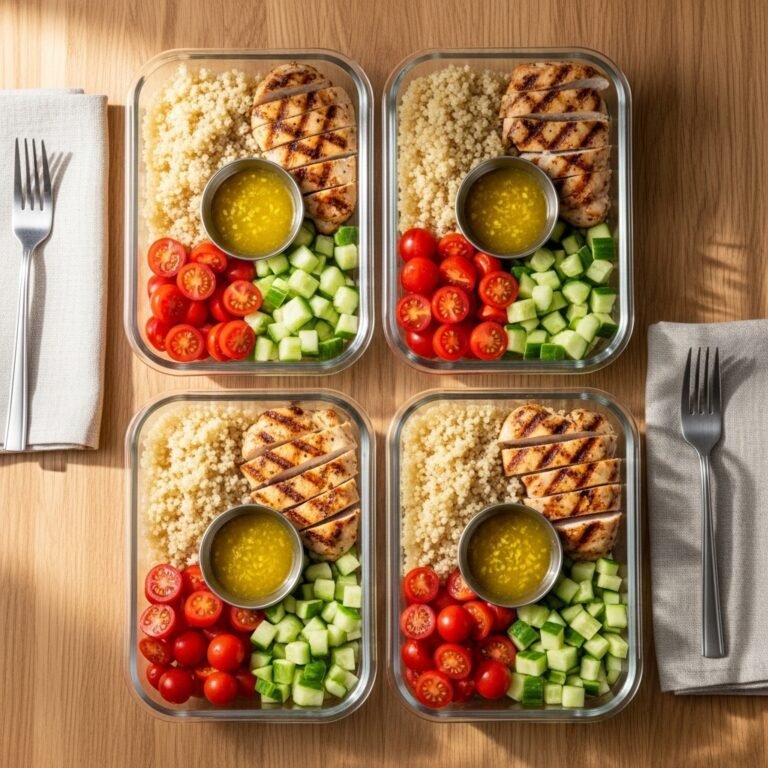
Leftover chicken fajitas store beautifully, making them a meal prep favorite. Allow the mixture to cool completely before transferring it to an airtight container. It will keep in the refrigerator for 3 to 4 days. To reheat, simply toss the mixture back into a hot skillet with a splash of water or broth to keep it from drying out, or microwave in 30-second intervals. You can also freeze the cooked chicken and vegetables for up to 3 months. Thaw overnight in the refrigerator before reheating. Note that the peppers may lose some of their crispness after freezing and reheating, but the flavor will still be delicious.
Nutrition Facts (Estimated)
| Serving Size | 1 cup filling |
| Calories | 320 |
| Fat | 14g |
| Saturated Fat | 2.5g |
| Unsaturated Fat | 10g |
| Trans Fat | 0g |
| Cholesterol | 95mg |
| Sodium | 480mg |
| Carbohydrates | 12g |
| Fiber | 3g |
| Sugar | 6g |
| Protein | 38g |
Frequently Asked Questions
Can I use chicken thighs instead of breasts?
Absolutely. In fact, chicken thighs are often preferred because they have a higher fat content, making them juicier and more forgiving if slightly overcooked. Just trim the excess fat before slicing.
How do I make this dish spicy?
To increase the heat, add 1/4 to 1/2 teaspoon of cayenne pepper to the spice blend, or include a seeded and sliced jalapeño or serrano pepper along with the bell peppers.
Is this recipe gluten-free?
The filling itself is naturally gluten-free as long as your spices are pure and contain no anti-caking agents with gluten. Serve with corn tortillas or lettuce wraps to keep the entire meal gluten-free.
Can I prep this ahead of time?
Yes! You can slice the chicken and vegetables and mix the spice blend up to 24 hours in advance. Store the chicken in the marinade and the veggies in a separate container in the fridge.
My fajitas turned out watery. What happened?
This usually happens if the pan wasn’t hot enough or if the pan was overcrowded. Cook in batches to ensure the moisture evaporates instantly upon hitting the skillet.
Do I have to use a cast iron skillet?
While cast iron is best for heat retention and char, you can use a large stainless steel pan or a heavy-bottomed non-stick pan. Just ensure you preheat it well.
What is the best way to warm tortillas?
For flour tortillas, wrap a stack in foil and place in a 350°F oven for 10 minutes. For corn tortillas, heat them individually in a dry skillet or directly over a gas flame for 10-15 seconds per side.
Can I add other vegetables?
Yes, sliced zucchini, mushrooms, and even asparagus make great additions. Just be mindful of cooking times; softer veggies should be added later than the peppers.
Conclusion
This Chicken Fajita Skillet is more than just a recipe; it’s a reliable solution to the ‘what’s for dinner’ dilemma that doesn’t sacrifice flavor for speed. By mastering a few simple techniques—proper slicing, pan temperature, and batch cooking—you can achieve results that rival your favorite local Tex-Mex spot. It’s a dish that brings color, nutrition, and joy to the table, inviting everyone to build their perfect bite. So, grab your skillet, get that oil shimmering, and prepare for a meal that is sure to become a regular in your kitchen rotation. Don’t forget to snap a picture of your sizzling creation and tag us on social media!