Juicy Greek Yogurt Marinated Chicken Kebabs: The Ultimate Healthy Dinner
Greek Yogurt Marinated Chicken Kebab Healthy Recipe
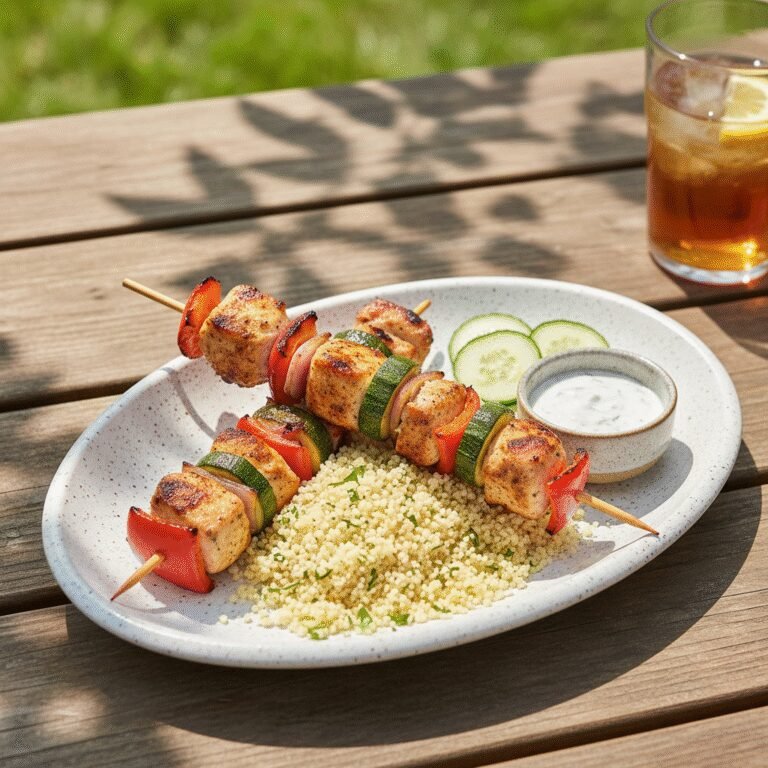
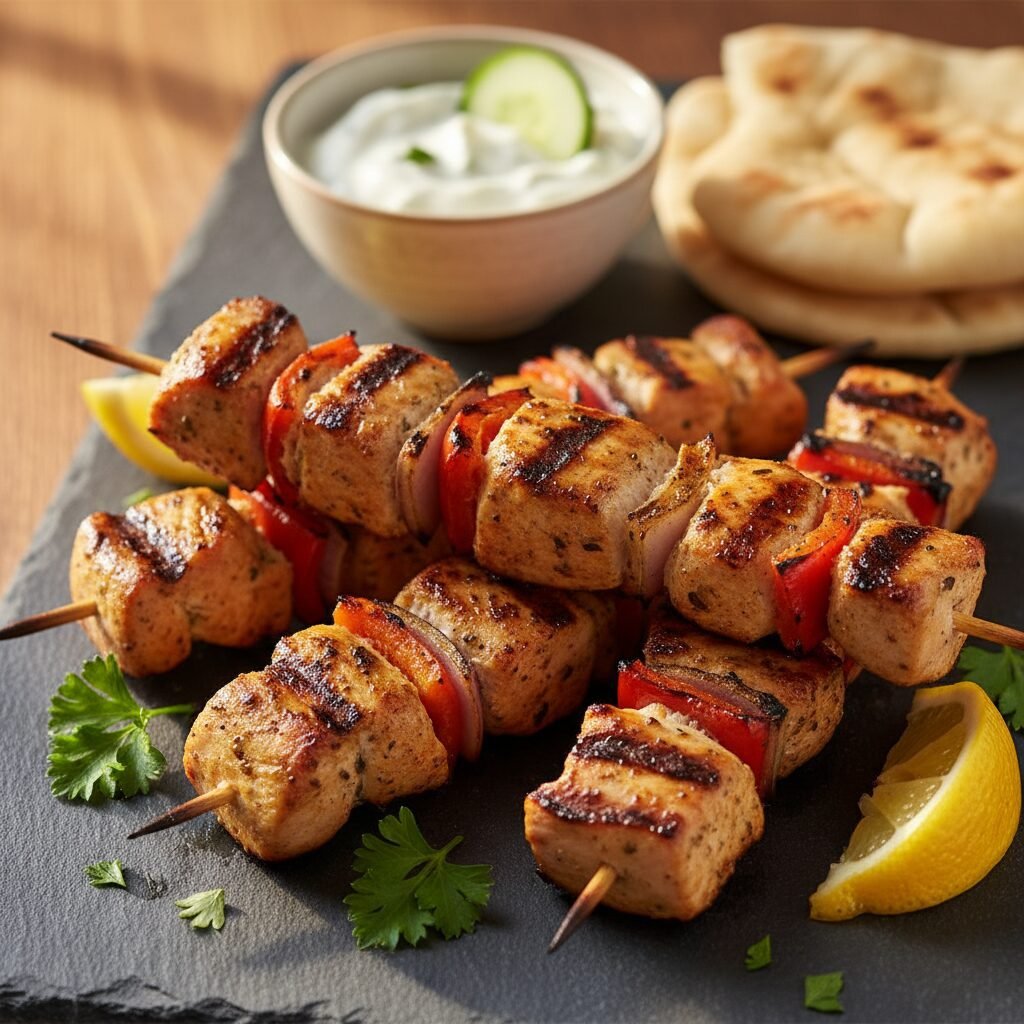
Experience the most tender chicken imaginable with these Greek Yogurt Marinated Chicken Kebabs. Packed with Mediterranean spices, garlic, and fresh lemon, this healthy recipe guarantees juicy, flavorful results every time you fire up the grill or oven.
20 minutes
15 minutes
35 minutes (plus marinating time)
4 servings (8 skewers)
Main Course
Grilling / Baking
Mediterranean / Greek
Gluten-Free
If you have ever struggled with dry, rubbery grilled chicken, prepare to have your world changed. These Greek Yogurt Marinated Chicken Kebabs are not just another dinner recipe; they are a revelation in texture and flavor that has taken the Pinterest food community by storm. The secret lies in the marinade. Unlike highly acidic vinegar-based marinades that can toughen meat if left too long, the lactic acid and calcium in Greek yogurt work gently to break down protein fibers, resulting in chicken that is impossibly tender and moist.
Imagine biting into a skewer where the meat is perfectly charred on the outside yet buttery soft on the inside, bursting with the bright notes of lemon zest, the warmth of oregano, and the savory punch of garlic. This dish transports you straight to a sunny seaside taverna in Santorini, yet it comes together right in your own kitchen with minimal effort. Whether you are a meal-prep enthusiast looking for high-protein lunches or a host needing a crowd-pleasing main course for your next backyard barbecue, these kebabs fit the bill perfectly.
Beyond the incredible taste, this recipe is a nutritional powerhouse. It is naturally gluten-free, low in carbohydrates, and packed with lean protein, making it compatible with Keto, Paleo, and Whole30 diets (with minor tweaks). We are elevating the humble chicken breast—often criticized for being bland—into a star attraction. Pair these vibrant skewers with a cool cucumber tzatziki and a crisp Greek salad, and you have a balanced, colorful meal that feels indulgent but is strictly good for you. Let’s dive into the science, history, and method behind the juiciest chicken you will ever eat.
History & Origins
The tradition of cooking meat on skewers over an open fire is as old as the discovery of fire itself, but the specific lineage of the kebab (or kabob) is deeply rooted in the culinary history of the Middle East and the Eastern Mediterranean. The word ‘kebab’ is derived from the Arabic ‘kabāb,’ which originally referred to fried meat, but later evolved in Turkish cuisine to mean grilled meat.
Legend has it that medieval Turkish soldiers used their swords to skewer meat and roast it over open-field fires during their campaigns. As the Ottoman Empire expanded, so did the influence of their cuisine, spreading the concept of the shish kebab (shish meaning skewer) across Greece, the Balkans, and North Africa. In Greece, this evolved into ‘souvlaki,’ a staple street food that remains iconic today.
However, the specific technique of using yogurt as a marinade has its own fascinating history. In the harsh climates of the ancient Levant and Anatolia, dairy was a precious commodity. Cooks discovered that fermenting milk into yogurt not only preserved it but created a potent tenderizer for tougher cuts of meat. The enzymes and mild acids in the yogurt interacted with the meat proteins differently than wine or vinegar, preserving the moisture during the high-heat cooking process required for sanitation and flavor. This technique was perfected over centuries in Persian, Turkish, and Indian cuisines (think Tandoori chicken), eventually becoming a hallmark of Greek cooking where it is often paired with lemon and oregano. Today, this ancient method is celebrated globally as the gold standard for keeping lean poultry juicy and flavorful.
Why This Recipe Works
The science behind why Greek yogurt works so effectively as a marinade is both simple and profound. Most marinades rely on acids like lemon juice or vinegar to tenderize meat. While effective, these harsh acids can actually ‘cook’ the surface of the meat (denaturing the proteins) too quickly, leading to a mushy exterior and a tough, rubbery interior if marinated for too long.
Yogurt, however, acts differently. It contains lactic acid and calcium. The lactic acid is much milder and works more slowly, gently breaking down the protein networks without destroying the texture of the meat. Simultaneously, the calcium in the yogurt activates enzymes within the meat that help break down fibers further.
Furthermore, the thickness of Greek yogurt is a crucial functional element. Unlike a thin, watery marinade that drips off the moment you lift the skewer, the thick yogurt clings to the chicken. This coating does two things: first, it holds the herbs, garlic, and spices directly against the meat, ensuring deep flavor penetration. Second, when the chicken hits the hot grill or pan, the yogurt sugars caramelize beautifully, creating a delicious, golden-brown crust (the Maillard reaction) that seals in the juices. The fat content in the yogurt also acts as a buffer against the heat, keeping the lean chicken breast moist even if you accidentally overcook it by a minute or two. It is practically foolproof.
Why You’ll Love This Recipe
- ✓Incredibly tender meat thanks to the yogurt enzymatic marinade.
- ✓High protein and low carb, perfect for Keto and healthy eating.
- ✓Versatile cooking methods: works on an outdoor grill, indoor grill pan, or oven.
- ✓Vibrant Mediterranean flavors with fresh lemon, garlic, and oregano.
- ✓Meal-prep friendly; tastes just as good the next day.
- ✓Crowd-pleaser that scales easily for parties.
Equipment You’ll Need
- ✓Large mixing bowl
- ✓Whisk
- ✓Chef’s knife
- ✓Cutting board
- ✓Bamboo or metal skewers
- ✓Grill, grill pan, or baking sheet
- ✓Tongs
- ✓Pastry brush (optional)
Ingredients
- ✓1.5 lbs (700g) boneless, skinless chicken breasts, cut into 1.5-inch cubes
- ✓1 cup plain Greek yogurt (full fat or 2% preferred)
- ✓3 cloves garlic, minced
- ✓1 tablespoon olive oil
- ✓1 tablespoon fresh lemon juice
- ✓1 teaspoon lemon zest
- ✓1 tablespoon dried oregano
- ✓1 teaspoon paprika (smoked or sweet)
- ✓1/2 teaspoon ground cumin
- ✓1/2 teaspoon salt
- ✓1/4 teaspoon black pepper
- ✓1 large red bell pepper, cut into 1-inch chunks
- ✓1 large red onion, cut into 1-inch chunks
- ✓Optional garnish: Fresh parsley and lemon wedges
Instructions
- Prepare the Chicken: Pat the chicken breasts dry with paper towels. Cut them into uniform 1.5-inch cubes to ensure even cooking. Place the cubes in a large bowl.
- Make the Marinade: In a separate medium bowl, whisk together the Greek yogurt, olive oil, minced garlic, lemon juice, lemon zest, oregano, paprika, cumin, salt, and black pepper until smooth and creamy.
- Marinate: Pour the marinade over the chicken cubes. Toss well with a spoon or your hands to ensure every piece is thoroughly coated. Cover the bowl with plastic wrap or transfer to a zip-top bag. Refrigerate for at least 30 minutes, but preferably 2 to 4 hours. (Do not exceed 24 hours as the texture may become too soft).
- Soak Skewers: If using bamboo skewers, soak them in water for at least 30 minutes while the chicken marinates to prevent them from burning on the grill.
- Prep Veggies: While the chicken marinates, chop your red bell pepper and red onion into 1-inch chunks, roughly the same size as the chicken.
- Assemble: Thread the skewers, alternating between chicken, red pepper, and red onion. Do not pack the pieces too tightly; leaving a tiny bit of space helps the heat circulate and cooks the meat evenly.
- Cook – Grilling Method: Preheat your outdoor grill or indoor grill pan to medium-high heat. Lightly oil the grates. Place skewers on the grill and cook for 10-12 minutes, turning every 3-4 minutes, until the chicken is golden brown and reaches an internal temperature of 165°F (74°C).
- Cook – Oven Method: Preheat oven to 400°F (200°C). Line a baking sheet with parchment paper or foil. Place skewers in a single layer. Bake for 20-25 minutes, turning halfway through, until cooked through. For a char, broil for the last 2-3 minutes.
- Rest and Serve: Remove skewers from the heat and let them rest for 5 minutes. This allows the juices to redistribute. Garnish with fresh parsley and a squeeze of lemon before serving.
Expert Cooking Tips
- ✓Don’t skimp on the fat: Using 2% or full-fat Greek yogurt helps protect the chicken from high heat better than non-fat varieties.
- ✓Uniformity is key: Cut your chicken and vegetables into similar sizes so they cook at the same rate.
- ✓Space it out: Crowding the skewers prevents the nice char marks; leave a little breathing room between pieces.
- ✓Temperature check: Use an instant-read thermometer to pull the chicken exactly at 165°F to prevent dryness.
- ✓Clean grates: Yogurt can stick to the grill, so ensure your grates are very clean and well-oiled before starting.
- ✓Marinate time: 2-4 hours is the sweet spot. Less than 30 minutes won’t tenderize enough; more than 24 hours can make the texture mushy.
Substitutions and Variations
This recipe is incredibly flexible. If you prefer dark meat, boneless skinless chicken thighs are an excellent substitute and are even more forgiving on the grill. For a dairy-free option, you can use a thick coconut yogurt or a plant-based almond yogurt, though the tenderizing effect may be slightly less pronounced than with dairy. If you don’t have lemons, red wine vinegar can provide the necessary acidity, though the flavor profile will shift slightly. Vegetable-wise, feel free to swap red peppers for zucchini rounds, cherry tomatoes, or yellow squash. If you don’t have fresh garlic, garlic powder works in a pinch (use 1 tsp), but fresh is highly recommended for the best flavor punch.
Common Mistakes to Avoid
The most common mistake with yogurt marinades is burning. Because yogurt contains protein and natural sugars, it browns faster than oil-based marinades. To avoid this, don’t use the highest heat setting on your grill; medium-high is safer. Another mistake is overcrowding the pan or grill, which causes the chicken to steam rather than sear. Additionally, many people forget to soak their wooden skewers, leading to burnt sticks that break when you try to flip them. Finally, resist the urge to wipe off the excess marinade before grilling—that coating is what creates the delicious crust and keeps the moisture inside.
Serving Suggestions
These kebabs are a complete meal on their own but shine when paired with Mediterranean sides. Serve them over a bed of fluffy lemon rice, quinoa, or warm pita bread. A side of authentic Tzatziki sauce is non-negotiable for dipping. For a lower-carb option, serve alongside a crisp Greek salad with cucumbers, tomatoes, kalamata olives, and feta cheese. They also work beautifully inside a wrap for a quick gyro-style lunch. A glass of crisp Sauvignon Blanc or a cold lager pairs perfectly with the smoky, tangy flavors.
Storage and Reheating Tips
Leftovers store surprisingly well. Remove the meat and veggies from the skewers and place them in an airtight container in the refrigerator for up to 3-4 days. To reheat, avoid the microwave if possible, as it can make the chicken rubbery. Instead, reheat gently in a skillet over medium heat with a splash of water or chicken broth to keep it moist, or wrap in foil and warm in the oven at 350°F for 10 minutes. These are also excellent cold, sliced over a salad for lunch the next day. We do not recommend freezing cooked skewers as the yogurt coating texture can change upon thawing.
Nutrition Facts (Estimated)
| Serving Size | 2 Skewers |
| Calories | 280 |
| Fat | 10g |
| Saturated Fat | 2g |
| Unsaturated Fat | 7g |
| Trans Fat | 0g |
| Cholesterol | 95mg |
| Sodium | 320mg |
| Carbohydrates | 6g |
| Fiber | 1g |
| Sugar | 4g |
| Protein | 38g |
Frequently Asked Questions
Can I use regular yogurt instead of Greek yogurt?
You can, but Greek yogurt is preferred because it is thicker and clings to the meat better. If you use regular yogurt, try to strain it through a cheesecloth for an hour to remove excess whey, or just accept that the marinade will be runnier.
Can I freeze the chicken in the marinade?
Yes! This is a great meal prep hack. Place the cubed chicken and marinade in a freezer bag and freeze for up to 3 months. Thaw in the refrigerator overnight; the chicken will marinate as it thaws.
Why is my yogurt marinade curdling on the grill?
Some separation is normal due to the heat. To minimize this, ensure you are using a yogurt with some fat content (not non-fat) and try not to move the chicken too frequently until a crust has formed.
Do I have to use skewers?
Not at all. You can simply grill or bake the marinated chicken cubes or whole breasts on a tray or grill grate. Skewers are just fun and help cook the veggies alongside the meat.
Is this spicy?
No, this recipe is very mild. The paprika adds color and a hint of smokiness, not heat. If you want spice, add a pinch of cayenne pepper or red pepper flakes to the marinade.
How do I know when they are done without a thermometer?
The juices should run clear when the chicken is pierced, and the meat should be opaque white throughout, not pink. However, a thermometer is the only way to be 100% safe and accurate.
Can I make this in an Air Fryer?
Absolutely. Preheat Air Fryer to 375°F. You may need to cut skewers to fit. Cook for 10-12 minutes, flipping halfway, until internal temp reaches 165°F.
What is the best oil to use?
Extra Virgin Olive Oil provides the best flavor for this Mediterranean dish, but avocado oil is a good high-heat alternative if you plan on grilling at very high temperatures.
Conclusion
There you have it—the secret to the juiciest, most flavorful chicken kebabs you will ever make. By harnessing the power of Greek yogurt, you can transform simple chicken breast into a gourmet meal that is healthy enough for a Tuesday night but impressive enough for a Saturday dinner party. The combination of charred edges, tender meat, and bright lemon-garlic flavors is truly unbeatable. Give this recipe a try, and don’t forget to pin it to your healthy dinner boards so you can find it again and again. Happy grilling!