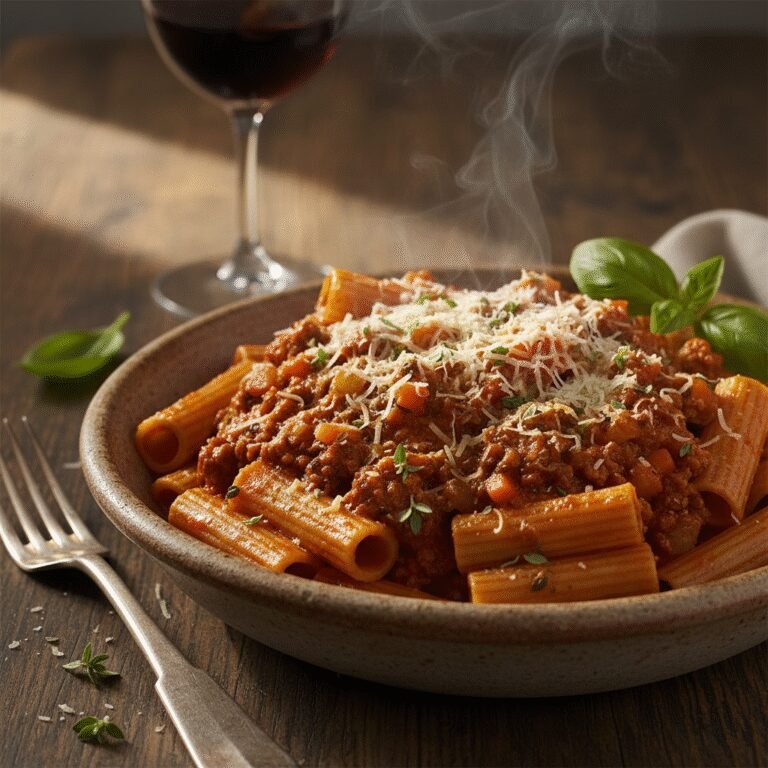
Hearty Turkey and Spinach Lasagna with Whole Wheat Noodles
Turkey And Spinach Lasagna With Whole Wheat Noodles Recipe
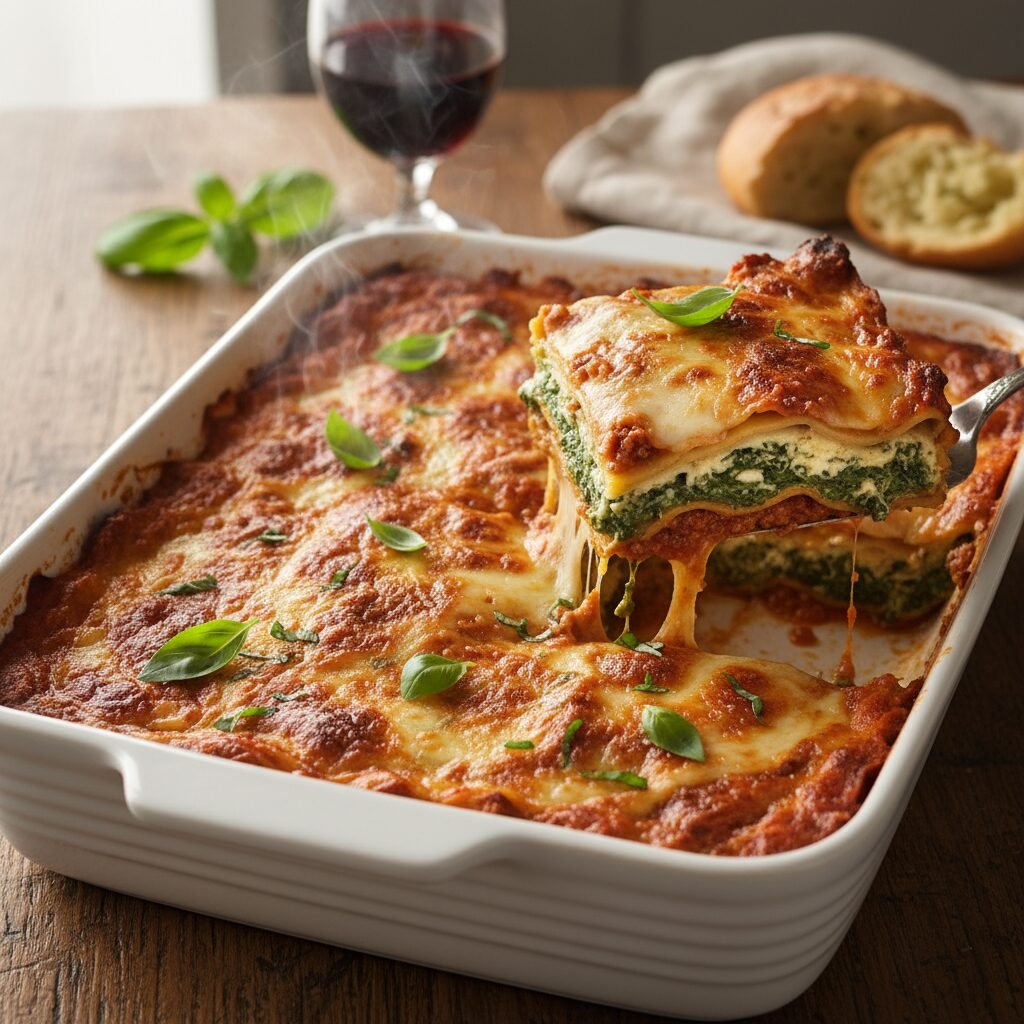
This comforting yet wholesome Turkey and Spinach Lasagna swaps traditional beef for lean turkey and refined pasta for nutty whole wheat noodles. It is packed with layers of savory marinara, creamy ricotta, and nutrient-dense spinach for a guilt-free family dinner that freezes beautifully.
25 minutes
50 minutes
1 hour 25 minutes
9-12 servings
Main Course
Baking
Italian-American
N/A
Lasagna is the quintessential comfort food—a bubbling, golden masterpiece of pasta, cheese, and sauce that brings families together. However, traditional recipes can often feel heavy, laden with saturated fats and refined carbohydrates that leave you feeling sluggish rather than nourished. Enter this game-changing Turkey and Spinach Lasagna with Whole Wheat Noodles. This recipe is designed to bridge the gap between indulgent Italian-American classics and modern nutritional needs, proving that you do not have to sacrifice flavor for health.
By swapping ground beef for lean ground turkey, we significantly reduce the fat content while maintaining a robust, savory meat sauce that stands up perfectly to the rich cheese and acid of the tomatoes. The addition of whole wheat noodles introduces a delightful, slightly nutty texture and a substantial boost of fiber, which helps to keep you fuller for longer and stabilizes blood sugar levels. But the real secret weapon here is the spinach. We fold a generous amount of greens into the ricotta mixture, ensuring that even the pickiest eaters get a serving of vegetables without really noticing.
The result is a lasagna that tastes sophisticated and hearty. The layers hold together beautifully, creating that perfect ‘slice’ that doesn’t collapse on the plate. Whether you are meal-prepping for a busy week, hosting a Sunday family dinner, or looking for a freezer-friendly meal to gift a friend, this recipe checks every box. It is warm, cheesy, savory, and deeply satisfying, yet it leaves you feeling energized. Get ready to change the way you think about lasagna forever.
History & Origins
The history of lasagna is as layered as the dish itself, tracing its roots back to ancient times, long before the tomato ever arrived in Italy. The concept of layering dough with sauce and fillings dates back to the Greeks, who had a dish called ‘laganon,’ consisting of flat sheets of pasta dough sliced into strips. However, the lasagna we recognize today—baked in a dish with alternating layers of ragù, béchamel (or ricotta), and cheese—is distinctly Italian, with fierce regional rivalries claiming the ‘authentic’ version.
In Naples, ‘Lasagne di Carnevale’ is a rich, decadent affair loaded with meatballs, sausage, and hard-boiled eggs. In Bologna, the classic ‘Lasagne alla Bolognese’ relies on delicate spinach-infused pasta sheets, a slow-cooked meat ragù, and silky béchamel sauce, often without the heavy mozzarella layer found in American versions.
The American evolution of lasagna, particularly the version most of us grew up with, was heavily influenced by Southern Italian immigrants. They adapted their recipes to the ingredients available in the New World, leading to the prominence of dried wavy noodles, rich tomato marinara, and the extensive use of ricotta and mozzarella cheese.
The shift toward ‘healthier’ lasagna variations, like this turkey and whole wheat version, mirrors the American wellness movement of the late 20th and early 21st centuries. As consumers became more conscious of heart health, saturated fats, and the benefits of whole grains, home cooks began experimenting. Ground turkey became a popular substitute for beef in the 1980s and 90s, offering a leaner protein profile. Simultaneously, the availability of whole wheat pasta improved, moving from a niche health-food store item to a supermarket staple. This recipe represents the modern culmination of that history: respecting the traditional method of layering and baking while adapting the ingredients to support a lifestyle that values both longevity and flavor.
Why This Recipe Works
This recipe succeeds where many ‘healthy’ lasagnas fail because it focuses on texture and moisture management. One of the biggest complaints about turkey lasagna is that turkey can be dry and bland compared to beef. We solve this by sautéing the turkey with plenty of onions, garlic, and Italian herbs before simmering it in a high-quality marinara. This infuses the lean meat with moisture and deep, savory notes.
Secondly, whole wheat noodles have a reputation for being gritty or tough. However, in a lasagna application, they are actually superior to white pasta. The sturdy structure of whole wheat pasta holds up better against the moisture of the sauce and cheese, preventing the dreaded ‘mushy’ lasagna texture. The slight nuttiness of the wheat pairs exceptionally well with the earthy spinach and the acidity of the tomatoes.
Finally, the spinach integration is key. Many recipes simply layer raw spinach, which releases water and creates a soupy mess. By using frozen spinach that has been thawed and thoroughly squeezed dry, or wilting fresh spinach and removing the liquid, we concentrate the spinach flavor and ensure the lasagna stays structural and distinct when sliced. The combination of the creamy ricotta binding the spinach and the melted mozzarella creates a perfect cohesive bite every time.
Why You’ll Love This Recipe
- ✓High in protein and fiber thanks to lean turkey and whole grains.
- ✓Includes a hidden serving of nutrient-dense spinach in every slice.
- ✓Freezes exceptionally well for meal prep or future dinners.
- ✓Uses whole wheat noodles that hold their texture better than white pasta.
- ✓Lighter on grease but heavy on classic Italian comfort food flavor.
Equipment You’ll Need
- ✓9×13 inch baking dish
- ✓Large pot for boiling water
- ✓Large skillet or sauté pan
- ✓Colander
- ✓Medium mixing bowl
- ✓Aluminum foil
- ✓Cheese grater
Ingredients
- ✓1 lb (450g) lean ground turkey (93% lean recommended)
- ✓12 oz (340g) whole wheat lasagna noodles
- ✓1 tbsp olive oil
- ✓1 large yellow onion, diced
- ✓3 cloves garlic, minced
- ✓24 oz (700g) jar marinara sauce (look for low sugar/sodium)
- ✓10 oz (280g) frozen chopped spinach, thawed and squeezed completely dry
- ✓15 oz (425g) part-skim ricotta cheese
- ✓1 large egg, lightly beaten
- ✓2 cups (225g) shredded mozzarella cheese (part-skim preferred)
- ✓1/2 cup (50g) grated Parmesan cheese
- ✓1 tbsp dried Italian seasoning
- ✓1/2 tsp salt
- ✓1/2 tsp black pepper
- ✓Fresh basil or parsley for garnish
Instructions
- Preheat your oven to 375°F (190°C). Lightly grease a 9×13 inch baking dish with cooking spray or a dab of olive oil.
- Bring a large pot of salted water to a boil. Cook the whole wheat lasagna noodles according to package directions for ‘al dente’. Drain and lay them flat on a piece of parchment paper or a clean kitchen towel to prevent sticking. Do not rinse with cold water unless you are not assembling immediately.
- While the water heats, prepare the meat sauce. In a large skillet over medium-high heat, add the olive oil. Add the diced onion and sauté for 3-4 minutes until translucent. Add the ground turkey and cook, breaking it up with a wooden spoon, until browned and cooked through (about 5-7 minutes).
- Add the minced garlic, Italian seasoning, salt, and pepper to the turkey. Cook for 1 minute until fragrant. Pour in the marinara sauce, stir well, and reduce heat to low. Simmer for 5-10 minutes to let flavors meld. Remove from heat.
- Prepare the cheese filling. In a medium mixing bowl, combine the ricotta cheese, the beaten egg, the thawed and squeezed-dry spinach, and 1/4 cup of the Parmesan cheese. Mix until thoroughly combined.
- Assemble the lasagna. Spread a thin layer (about 1/2 cup) of the meat sauce on the bottom of the prepared baking dish.
- Layer 3-4 noodles over the sauce (overlapping slightly is okay). Spread 1/3 of the ricotta-spinach mixture over the noodles. Top with 1/3 of the remaining meat sauce, and sprinkle with 1/3 of the mozzarella cheese.
- Repeat the layers two more times: Noodles, Ricotta/Spinach, Meat Sauce, Mozzarella.
- Finish by sprinkling the remaining 1/4 cup of Parmesan cheese over the top layer of mozzarella.
- Spray a sheet of aluminum foil with cooking spray (to prevent cheese from sticking) and cover the baking dish tightly.
- Bake covered for 35 minutes. Carefully remove the foil and bake for an additional 15 minutes, or until the cheese is bubbly and golden brown.
- Remove from the oven and let the lasagna rest for at least 10-15 minutes before slicing. This is crucial for setting the layers so it doesn’t fall apart.
- Garnish with fresh chopped basil or parsley and serve warm.
Expert Cooking Tips
- ✓Squeeze the spinach dry: This is the most critical step. Use a clean kitchen towel or cheesecloth to wring out as much water as possible from the thawed spinach to prevent a watery lasagna.
- ✓Undercook the noodles slightly: Since the noodles will continue to cook in the oven with the sauce, drain them about 1-2 minutes before the package says they are fully done.
- ✓Grate your own cheese: Pre-shredded cheese often contains anti-caking agents (cellulose) that prevent it from melting smoothly. Grating your own mozzarella yields a gooier, stretchier result.
- ✓Let it rest: It is tempting to cut in immediately, but resting allows the juices to redistribute and the cheese to set, giving you clean, beautiful squares.
- ✓Season every layer: While the recipe includes salt and pepper, taste your ricotta mixture and your sauce separately to ensure they are flavorful before assembling.
Substitutions and Variations
This recipe is incredibly versatile and can be adapted to suit various dietary needs and pantry staples. If you don’t have ground turkey, ground chicken is an excellent, lean substitute that works almost identically. For a vegetarian version, you can omit the meat entirely and bulk up the sauce with finely chopped mushrooms, zucchini, and carrots, or use a plant-based ground meat alternative. If you cannot find whole wheat noodles, standard semolina noodles work fine, or you can use gluten-free lasagna sheets (brown rice or chickpea flour based) for a gluten-free option. For the cheese filling, cottage cheese can be blended and used in place of ricotta for a higher protein content, though the texture will be slightly different. If you prefer fresh spinach over frozen, you will need to sauté about 1 lb of fresh spinach leaves until wilted, then squeeze out the liquid before mixing with the cheese.
Common Mistakes to Avoid
The most common mistake with vegetable-heavy lasagna is excess moisture. If your lasagna comes out soupy, it is almost always because the spinach wasn’t squeezed dry enough or the noodles were overcooked and couldn’t absorb any excess sauce. Another mistake is overlapping the noodles too much without enough sauce between them, which can result in uncooked, chewy spots. Conversely, drowning the noodles in sauce can make them mushy. Follow the layering ratios carefully. Also, do not skip the foil during the first stage of baking; if you bake it uncovered the whole time, the noodles on top will dry out and become hard and crunchy before the center is hot.
Serving Suggestions
This hearty lasagna is a complete meal on its own, but it pairs beautifully with a crisp, acidic side salad to cut through the richness of the cheese and pasta. A simple arugula salad with lemon vinaigrette and shaved parmesan is an ideal accompaniment. Garlic bread is a classic choice for mopping up extra sauce, but for a healthier twist, try roasted broccoli or garlic-roasted green beans. A glass of medium-bodied red wine, such as a Chianti or Sangiovese, complements the tomato and turkey flavors perfectly.
Storage and Reheating Tips
Lasagna is one of the best meals for leftovers. Store any leftovers in an airtight container in the refrigerator for up to 4 days. To reheat, place a slice in the microwave with a damp paper towel over it (to prevent drying out) and heat for 2-3 minutes. Alternatively, reheat in the oven at 350°F covered with foil until warmed through. For freezing: You can freeze the unbaked lasagna by assembling it, wrapping it tightly in plastic wrap and then foil, and freezing for up to 3 months. Thaw in the fridge overnight before baking (you may need to add 10-15 minutes to the cooking time). You can also freeze baked individual slices wrapped in foil and placed in a freezer bag for quick lunches.
Nutrition Facts (Estimated)
| Serving Size | 1 slice (approx 1/9th of pan) |
| Calories | 385 |
| Fat | 14g |
| Saturated Fat | 6g |
| Unsaturated Fat | 7g |
| Trans Fat | 0g |
| Cholesterol | 65mg |
| Sodium | 580mg |
| Carbohydrates | 38g |
| Fiber | 6g |
| Sugar | 6g |
| Protein | 28g |
Frequently Asked Questions
Can I use no-boil noodles for this recipe?
Yes, you can use oven-ready (no-boil) whole wheat noodles. If you do, ensure you cover the noodles completely with sauce and perhaps add an extra 1/4 cup of water or broth to the sauce, as the dry noodles need more liquid to hydrate properly.
Can I make this lasagna ahead of time?
Absolutely. You can assemble the entire lasagna, cover it, and refrigerate it for up to 24 hours before baking. If baking a cold lasagna directly from the fridge, add about 10-15 minutes to the covered baking time.
Why is my lasagna watery?
Watery lasagna is usually caused by wet spinach or watery sauce. Ensure you squeeze the spinach until it is very dry. If your marinara sauce is very thin, simmer it longer to reduce it before assembling.
Is this recipe kid-friendly?
Yes! The spinach is mixed into the cheese, making it less noticeable, and the turkey tastes very similar to beef when cooked in the sauce. It is a great way to introduce whole grains and greens to children.
Can I use fresh spinach instead of frozen?
Yes. You will need a large volume of fresh spinach (approx. 1 lb). Sauté it until wilted, let it cool, and then squeeze out the liquid just like you would with frozen spinach.
Can I use ground beef instead?
Yes, you can substitute lean ground beef (90% lean or higher) if you prefer red meat. The cooking method remains the same.
How do I know when the lasagna is done?
The lasagna is done when the sauce is bubbling around the edges and the cheese on top is fully melted and browned. You can also insert a knife into the center; if it comes out hot to the touch, the center is heated through.
Can I leave out the egg?
The egg acts as a binder for the ricotta mixture. If you have an egg allergy, you can omit it, but the cheese layer may be slightly looser and creamier rather than firm.
Conclusion
There is something deeply satisfying about pulling a heavy, bubbling lasagna out of the oven, knowing it is packed with ingredients that nourish your body as well as your soul. This Turkey and Spinach Lasagna with Whole Wheat Noodles proves that comfort food doesn’t have to be a ‘cheat meal.’ It is a robust, flavorful, and wholesome dish that will likely become a regular in your dinner rotation. Whether you are a seasoned chef or a kitchen novice, the forgiveness of the layers and the reliability of these ingredients make success almost guaranteed. So, gather your family, pour a glass of wine, and enjoy the warmth of a home-cooked Italian classic reimagined for a healthy lifestyle.