Turkey Bolognese Sauce With Whole Wheat Pasta: The Ultimate Healthy Comfort Food
Turkey Bolognese Sauce With Whole Wheat Pasta Recipe
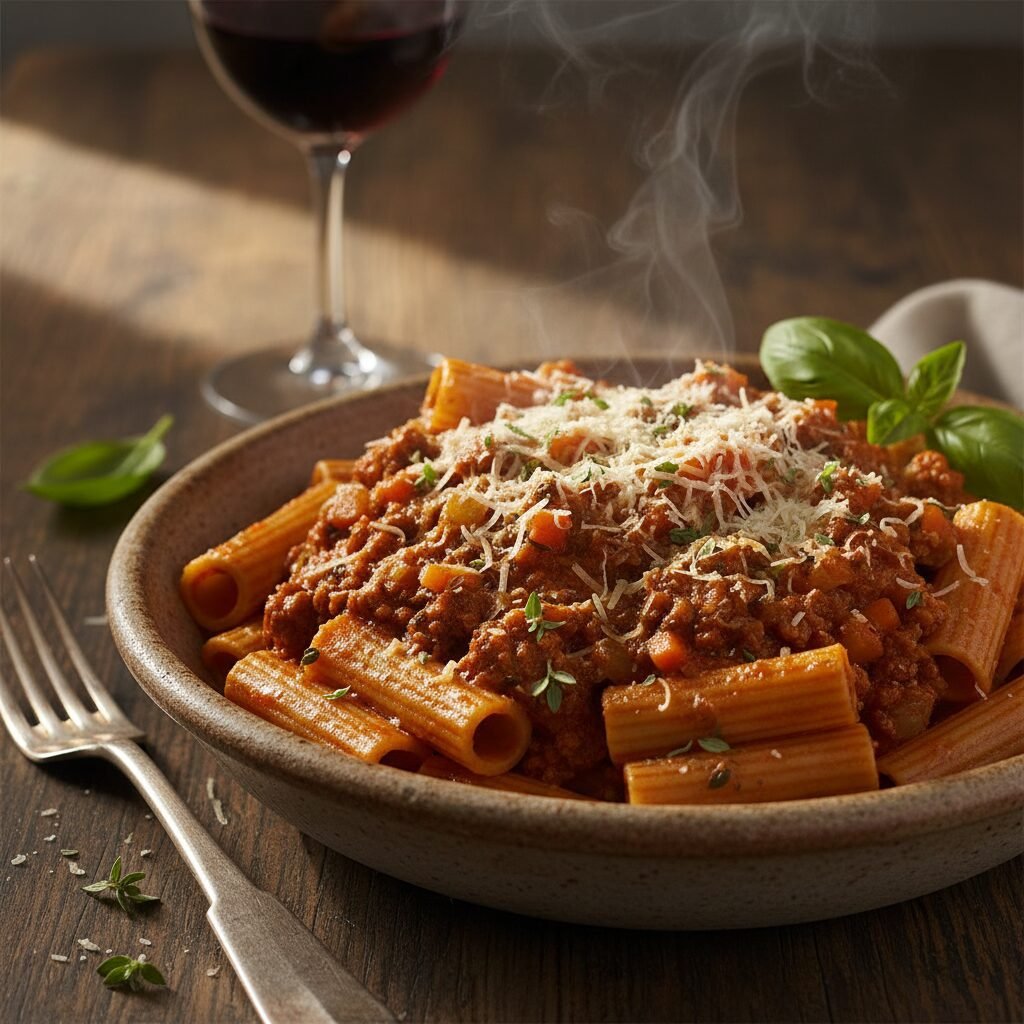
This rich and hearty Turkey Bolognese served over nutty whole wheat pasta offers all the comfort of the Italian classic with a lighter, healthier twist. Packed with lean protein, vibrant vegetables, and deep savory flavors, it is the perfect weeknight dinner that tastes like it simmered all Sunday.
20 minutes
1 hour 15 minutes
1 hour 35 minutes
6 servings
Main Course
Stovetop Simmer
Italian-American
N/A
There is something undeniably magnetic about a pot of bolognese sauce simmering on the stove. The aroma of sautéing onions, carrots, and celery—the holy trinity of Italian cooking—mingling with rich tomatoes and savory meat creates an atmosphere of warmth and home that few other dishes can rival. However, traditional bolognese, while delicious, can be quite heavy, often relying on fattier cuts of beef and pork. Enter this Turkey Bolognese Sauce with Whole Wheat Pasta. This recipe is not just a healthier alternative; it is a culinary revelation that proves you do not need to sacrifice depth of flavor for nutritional value. By swapping ground beef for lean ground turkey and pairing it with the robust texture of whole wheat pasta, we create a meal that is wholesome, satisfying, and incredibly delicious.
The secret to this sauce lies in the slow building of layers. Because turkey is leaner than beef, we treat it with extra care, utilizing milk to tenderize the meat and a splash of white wine to deglaze the pan, lifting every bit of caramelized goodness. The acidity of the tomatoes is balanced by the sweetness of the carrots and a hint of nutmeg, a traditional addition that adds an undefinable warmth to the background. Whole wheat pasta, often maligned for being too dense, finds its perfect partner here. Its nutty flavor profile stands up beautifully to the hearty ragù, creating a bite that feels complete and substantial. Whether you are cooking for a family looking to eat more whole grains or hosting a dinner party where you want to impress with ‘healthy comfort food,’ this dish delivers on every front. It is rustic yet refined, simple yet complex, and destined to become a staple in your recipe rotation.
History & Origins
To truly appreciate a bowl of Turkey Bolognese, one must look back to the origins of its inspiration: ‘Ragù alla Bolognese.’ Originating from the city of Bologna in the Emilia-Romagna region of Italy, the authentic recipe is a matter of serious cultural pride. In fact, the official recipe was registered with the Bologna Chamber of Commerce by the Accademia Italiana della Cucina in 1982 to protect its heritage. Traditionally, this meat-based sauce relies heavily on beef and pancetta, cooked slowly with a soffritto of onions, celery, and carrots, along with wine, milk, and a minimal amount of tomato concentrate. It was historically a dish of the wealthy, as meat was an expensive luxury, and it was typically served with fresh egg tagliatelle, not spaghetti.
As Italian immigrants brought their culinary traditions to the Americas, the recipe evolved. Ingredients became more abundant, and the sauce became tomato-heavy, morphing into the ‘meat sauce’ many Americans grew up with. The introduction of turkey as a primary protein is a distinctly modern, health-conscious adaptation. In the late 20th and early 21st centuries, as dietary guidelines shifted towards leaner meats and whole grains, home cooks began experimenting with substitutions. Turkey, with its mild flavor, became a canvas for the bold seasonings of the bolognese style. Similarly, whole wheat pasta has roots in the peasant traditions of Italy where refined flour was a luxury, but its resurgence today is driven by the global push for fiber-rich diets. This recipe honors the slow-cooking technique of the original Bolognese while embracing modern nutritional wisdom.
Why This Recipe Works
This recipe succeeds because it addresses the specific challenges of cooking with lean poultry. Ground turkey has a reputation for being dry or bland compared to beef, but this method circumvents that entirely. First, we brown the turkey deeply to develop a Maillard reaction, creating a savory foundation. Then, we employ a traditional Italian technique: simmering the meat in milk before adding the tomatoes. The lactic acid in the milk breaks down the turkey fibers, ensuring the final texture is tender and silky rather than crumbly and dry. Additionally, the milk adds a subtle richness that mimics the mouthfeel of fattier meats.
Furthermore, the choice of whole wheat pasta is strategic. Traditional white pasta can sometimes get lost under a heavy meat sauce, becoming mushy. Whole wheat pasta has a firmer structure and a distinct, nutty taste that complements the earthy herbs and savory turkey. The starch released from the pasta water helps bind the sauce to the noodles, creating a cohesive dish rather than pasta with sauce sliding off it. The extensive simmering time allows the acidity of the canned tomatoes to mellow out, melding with the sweetness of the vegetables and the savory depth of the turkey stock, resulting in a balanced, umami-packed sauce that tastes far more indulgent than its calorie count suggests.
Why You’ll Love This Recipe
- ✓High-protein and fiber-rich meal suitable for healthy diets.
- ✓Uses milk to tenderize lean turkey for a silky texture.
- ✓Deep flavor profile developed through slow simmering.
- ✓Whole wheat pasta adds a nutty complexity and sustained energy.
- ✓Freezes beautifully for meal prep and batch cooking.
- ✓Kid-friendly way to hide ample servings of vegetables.
Equipment You’ll Need
- ✓Large Dutch oven or heavy-bottomed pot
- ✓Wooden spoon or spatula
- ✓Chef’s knife
- ✓Cutting board
- ✓Large pot for boiling pasta
- ✓Colander
- ✓Measuring cups and spoons
Ingredients
- ✓1 lb (450g) lean ground turkey (93% lean)
- ✓2 tbsp extra virgin olive oil
- ✓1 medium yellow onion, finely diced
- ✓2 medium carrots, finely diced
- ✓2 celery stalks, finely diced
- ✓3 cloves garlic, minced
- ✓1/2 cup dry white wine (e.g., Pinot Grigio or Sauvignon Blanc)
- ✓3/4 cup whole milk
- ✓1/8 tsp ground nutmeg
- ✓1 can (28 oz) crushed San Marzano tomatoes
- ✓2 tbsp tomato paste
- ✓1 tsp dried oregano
- ✓1/2 tsp dried thyme
- ✓1 bay leaf
- ✓Salt and freshly cracked black pepper to taste
- ✓1 lb (450g) whole wheat rigatoni or penne
- ✓1/2 cup freshly grated Parmesan cheese (for serving)
- ✓Fresh basil or parsley for garnish
Instructions
- Prepare the vegetables by finely dicing the onion, carrots, and celery. This mixture is your soffritto base.
- Heat the olive oil in a large Dutch oven over medium-high heat. Add the ground turkey and cook, breaking it up with a wooden spoon, until browned and no longer pink (about 5-7 minutes). Season lightly with salt and pepper.
- Reduce the heat to medium. Add the diced onion, carrots, and celery to the pot with the turkey. Sauté for about 8-10 minutes until the vegetables are softened and the onions are translucent.
- Stir in the minced garlic and tomato paste. Cook for another 1-2 minutes until the garlic is fragrant and the tomato paste deepens in color to a rusty red.
- Pour in the white wine to deglaze the pot, scraping up any browned bits (fond) from the bottom. Let the wine simmer until it has mostly evaporated, about 2-3 minutes.
- Reduce heat to medium-low. Pour in the milk and sprinkle in the nutmeg. Simmer gently, stirring occasionally, until the milk has evaporated and the meat looks creamy (about 5-8 minutes). This step is crucial for tenderizing the turkey.
- Add the crushed tomatoes, oregano, thyme, and bay leaf. Stir well to combine. Bring the sauce to a gentle bubble, then reduce the heat to low.
- Cover the pot partially with a lid and let it simmer for at least 45 minutes to 1 hour. Stir occasionally to prevent sticking. If the sauce becomes too thick, add a splash of water or chicken broth.
- About 15 minutes before the sauce is done, bring a large pot of salted water to a boil. Cook the whole wheat pasta according to package instructions until al dente.
- Reserve 1/2 cup of the starchy pasta water, then drain the pasta.
- Remove the bay leaf from the sauce. Taste and adjust seasoning with more salt and pepper if needed.
- Toss the cooked pasta directly into the pot with the sauce. Add a splash of the reserved pasta water if needed to help the sauce cling to the noodles. Stir gently over low heat for 1 minute to marry the flavors.
- Serve hot, garnished with freshly grated Parmesan cheese and chopped fresh basil.
Expert Cooking Tips
- ✓Don’t rush the soffritto; letting the vegetables sweat and soften builds the foundational sweetness of the sauce.
- ✓Use whole milk for the best texture. Skim milk won’t provide the same tenderizing fat content needed for the lean turkey.
- ✓San Marzano tomatoes are recommended for their superior sweetness and low acidity, which is key for a balanced sauce.
- ✓If you have a Parmesan rind, toss it into the simmering sauce for an extra umami kick, but remember to remove it before serving.
- ✓Finely chopping the vegetables ensures they melt into the sauce rather than remaining chunky, creating a more authentic ragù texture.
- ✓Always cook the pasta al dente; it will continue to cook slightly when tossed with the hot sauce.
Substitutions and Variations
This recipe is highly adaptable to suit various dietary needs and pantry staples. If you do not have ground turkey, ground chicken is an excellent direct substitute that behaves similarly. For a richer, more traditional flavor, you can use a mix of lean ground beef and pork. Vegetarians can swap the meat entirely for a combination of finely chopped mushrooms and walnuts or a plant-based ground meat alternative. If you are gluten-free, simply use your favorite gluten-free pasta made from brown rice, quinoa, or chickpeas; just be mindful of the cooking time as these can break down faster. For a dairy-free version, replace the cow’s milk with unsweetened almond or oat milk, or omit it entirely and use a bit more olive oil to compensate for the fat. If you prefer not to cook with alcohol, the white wine can be replaced with an equal amount of chicken or vegetable broth mixed with a teaspoon of lemon juice or white wine vinegar to provide the necessary acidity.
Common Mistakes to Avoid
A frequent mistake when making turkey bolognese is treating the turkey exactly like high-fat beef. Because turkey lacks fat, if you skip the milk step or boil it too vigorously, the meat can become rubbery and granular. Another common error is rushing the simmering process. While the sauce is technically cooked after 20 minutes, the flavors have not had time to meld, and the tomatoes will taste raw and acidic. Patience is a key ingredient. Additionally, do not rinse your pasta after draining it. The starch on the surface of the pasta is essential for helping the sauce adhere to the noodles. Rinsing washes this away and results in a slippery, watery dish. Finally, ensure you season at the end. The reduction process concentrates flavors, so salting too heavily at the beginning can lead to an overly salty final dish.
Serving Suggestions
This Turkey Bolognese is a complete meal on its own, but it pairs wonderfully with a few classic sides. A slice of crusty garlic bread or focaccia is perfect for mopping up any leftover sauce. To balance the richness of the ragù, serve a crisp green salad with a sharp vinaigrette—arugula with lemon and parmesan is a particularly good match. For wine lovers, a medium-bodied red wine like a Chianti, Sangiovese, or a Pinot Noir pairs beautifully with the tomato and turkey flavors without overpowering the dish. If you want to elevate the presentation for a dinner party, serve the pasta in wide, shallow bowls and top with a drizzle of high-quality finishing olive oil and a generous grating of cheese tableside.
Storage and Reheating Tips
This sauce tastes even better the next day, making it a prime candidate for meal prep. Store leftovers in an airtight container in the refrigerator for up to 4 days. To reheat, place the desired amount in a saucepan over medium-low heat, adding a splash of water or broth to loosen the sauce as it warms. If you have already mixed the pasta with the sauce, microwave heating is often gentler to prevent the pasta from breaking. For freezing, it is best to freeze the sauce separately from the pasta. Let the sauce cool completely, then transfer to freezer-safe bags or containers. It can be frozen for up to 3 months. Thaw overnight in the refrigerator before reheating. If you must freeze the pasta and sauce together, slightly undercook the pasta initially so it doesn’t become mushy upon reheating.
Nutrition Facts (Estimated)
| Serving Size | 1.5 cups |
| Calories | 420 |
| Fat | 12g |
| Saturated Fat | 3g |
| Unsaturated Fat | 8g |
| Trans Fat | 0g |
| Cholesterol | 45mg |
| Sodium | 450mg |
| Carbohydrates | 55g |
| Fiber | 9g |
| Sugar | 6g |
| Protein | 28g |
Frequently Asked Questions
Can I use ground beef instead of turkey?
Absolutely. While this recipe is designed for turkey, lean ground beef works perfectly. You may not need as much oil for browning if the beef has a higher fat content.
Why do you add milk to bolognese?
Milk is a traditional ingredient in authentic Bolognese. It helps to tenderize the meat fibers and balances the acidity of the tomatoes, resulting in a creamier, sweeter sauce.
Can I make this in a slow cooker?
Yes. Brown the meat and vegetables on the stovetop first, then transfer everything to a slow cooker. Cook on low for 6-8 hours or high for 3-4 hours. Add the milk in the last hour to prevent curdling.
Is whole wheat pasta necessary?
Not strictly necessary, but highly recommended for the nutritional fiber boost and nutty flavor. You can use regular semolina pasta, spelt pasta, or legume-based pasta if you prefer.
Can I skip the wine?
Yes, you can substitute the wine with an equal amount of chicken or vegetable broth. The wine adds acidity and depth, so you might want to add a splash of balsamic vinegar at the end if skipping it.
How do I get the vegetables so fine?
You can use a food processor to pulse the onions, carrots, and celery into a fine mince. This saves time and ensures a uniform texture that melts into the sauce.
My sauce tastes too acidic, what can I do?
Simmering longer usually helps, but if it’s still tart, add a pinch of sugar or a finely grated carrot (if not already included) to counteract the acidity.
What herbs work best with turkey?
Turkey pairs well with sage, rosemary, thyme, and oregano. Fresh basil added at the very end lifts the flavor profile with a burst of freshness.
Conclusion
Turkey Bolognese with Whole Wheat Pasta is more than just a healthy alternative; it is a testament to how simple, wholesome ingredients can come together to create something deeply satisfying. By respecting the traditional methods of layering flavors while adapting the components for a modern lifestyle, you achieve a dish that nourishes both the body and the soul. Whether you are looking to sneak more veggies into your children’s diets, prepping meals for a busy week, or simply craving a warm bowl of pasta on a chilly evening, this recipe is sure to deliver. Gather your ingredients, pour a glass of wine, and enjoy the therapeutic process of making a sauce that truly tastes like home.