30-Minute Turkey and Vegetable Egg Roll in a Bowl (Low Carb & Keto Friendly)
Turkey And Vegetable Egg Roll In A Bowl Recipe
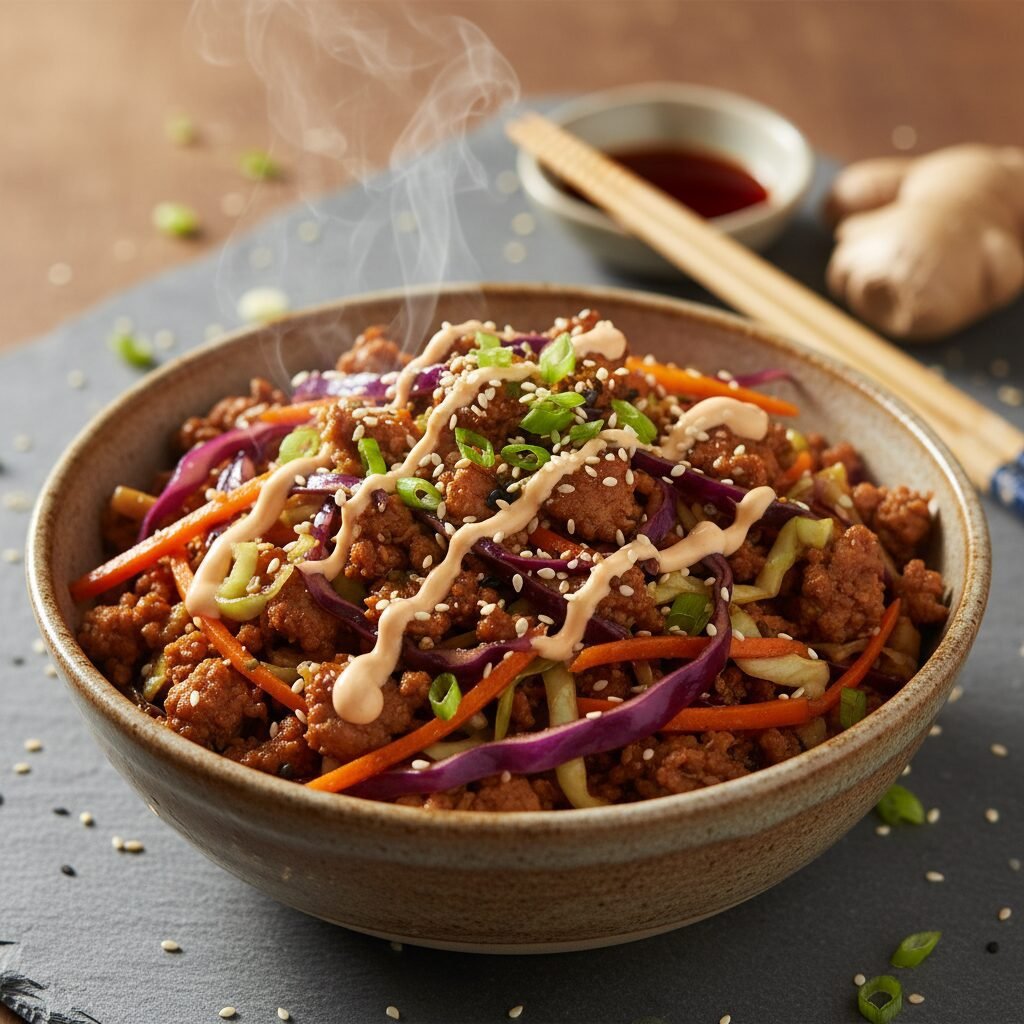
Craving the savory crunch of takeout egg rolls without the heavy wrapper or deep-frying? This Turkey and Vegetable Egg Roll in a Bowl is a fast, one-pan miracle that delivers all the authentic ginger-soy flavors you love in a healthy, low-carb package ready in under 25 minutes.
10 minutes
15 minutes
25 minutes
4 servings
Main Course
Stovetop
American-Chinese Fusion
Gluten-Free
There is something undeniably comforting about the flavor profile of a classic egg roll. The combination of savory pork, crisp cabbage, aromatic ginger, and garlic, all wrapped in a crunchy, fried shell, is a staple of American-Chinese takeout. However, for those of us trying to eat lighter, reduce carbohydrates, or simply get dinner on the table without a vat of hot oil, the traditional egg roll isn’t always a practical option. Enter the Turkey and Vegetable Egg Roll in a Bowl—a culinary revelation that has taken the internet by storm, and for good reason.
Often affectionately referred to as ‘Crack Slaw’ in low-carb communities due to its addictive nature, this recipe deconstructs the beloved appetizer into a hearty, nutritious main course. By swapping the traditional ground pork for lean ground turkey, we significantly reduce the fat content without sacrificing flavor, thanks to a robust sauce made from soy sauce (or coconut aminos), toasted sesame oil, and sriracha. The base of the dish relies on a mountain of shredded cabbage and carrots, which provide volume, fiber, and a satisfying crunch that mimics the filling of a traditional egg roll perfectly.
This dish is the definition of ‘high volume, low calorie’ eating. You can eat a massive bowl of it and feel completely satisfied while keeping your macros in check. It is incredibly versatile, serving as a perfect meal prep lunch that actually tastes better the next day as the flavors meld. Whether you are strictly Keto, Whole30, gluten-free, or just a busy parent looking for a way to get your kids to eat vegetables, this one-pan wonder is about to become a weekly staple in your rotation. It captures the essence of your favorite takeout order but leaves you feeling energized rather than weighed down.
History & Origins
To understand the history of the Egg Roll in a Bowl, we must first look at the history of the egg roll itself. Contrary to popular belief, the egg roll is not a traditional Chinese dish but rather an American-Chinese invention. While spring rolls have existed in China for centuries—typically featuring a thin, translucent wrapper made of flour and water—the egg roll, with its thicker, blistered, egg-dipped dough skin, is believed to have originated in New York City in the early 20th century. Chefs Henry Low and Lum Fong are often cited as potential creators during the 1930s, adapting traditional recipes to suit the American palate and locally available ingredients. It quickly became a ubiquitous side dish in Chinese restaurants across the United States.
Fast forward to the early 2000s and the rise of internet food blogging and low-carb dieting. As diets like Atkins, South Beach, and eventually Keto gained prominence, home cooks began looking for ways to enjoy the savory, umami-rich flavors of Asian takeout without the carb-heavy wrappers or sugary sauces. The concept of ‘Crack Slaw’ emerged in online forums—a stir-fry of cabbage and ground meat seasoned with sesame and soy. It was a grassroots recipe phenomenon, spread by word-of-mouth and Pinterest pins rather than high-end culinary schools.
The evolution to ‘Egg Roll in a Bowl’ was a natural rebranding, giving the dish a more descriptive and appetizing title that evoked the specific nostalgia of the takeout favorite. Over time, the recipe has been refined. While early versions often used ground beef or pork, the shift toward health-conscious eating saw the introduction of ground turkey and chicken as popular proteins. Today, this dish represents a modern fusion of American-Chinese heritage and the contemporary demand for quick, nutrient-dense, vegetable-forward home cooking.
Why This Recipe Works
This recipe works so well because it masters the art of texture and flavor balancing, which is crucial in stir-fry dishes. First, let’s talk about the aromatics. By sautéing fresh ginger, garlic, and the white parts of green onions in the rendered fat of the turkey, we build a foundational flavor base that infuses the entire dish. If you were to just throw everything in at once, the flavors would be muddled, but layering them creates depth.
Secondly, the choice of ingredients maximizes convenience without cutting corners on taste. Using a pre-bagged coleslaw mix (shredded cabbage and carrots) is a brilliant time-saver that ensures uniform cooking. The cabbage is sturdy enough to hold up to the heat without turning into mush, retaining a slight ‘al dente’ bite that mimics the crunch of an egg roll wrapper.
The sauce is the real secret weapon here. The combination of soy sauce (for salt and umami), rice vinegar (for acidity to cut the richness), and sriracha (for heat) hits almost every taste bud. However, the pièce de résistance is the toasted sesame oil added at the very end. Sesame oil has a low smoke point and can lose its nutty aroma if cooked too long at high heat. By stirring it in right before serving, we preserve that distinct, authentic scent that signals ‘takeout’ to your brain. Finally, swapping pork for turkey makes the dish lighter, but because turkey can be mild, the aggressive seasoning ensures it never tastes bland. It is a scientifically sound, sensory-pleasing meal that comes together in one pan.
Why You’ll Love This Recipe
- ✓Ready in under 25 minutes from start to finish.
- ✓One-pan cleanup makes it perfect for busy weeknights.
- ✓Low-carb, Keto, and Paleo-friendly naturally.
- ✓High-volume food: huge portion sizes for low calories.
- ✓Excellent for meal prep; reheats beautifully.
- ✓Budget-friendly ingredients available at any grocery store.
Equipment You’ll Need
- ✓Large skillet, wok, or sauté pan
- ✓Wooden spoon or spatula
- ✓Chef’s knife
- ✓Cutting board
- ✓Small mixing bowl or jar (for sauce)
- ✓Measuring spoons and cups
Ingredients
- ✓1 lb (450g) lean ground turkey (93% lean recommended)
- ✓1 tablespoon sesame oil (divided use)
- ✓1/2 cup onion, diced
- ✓1 tablespoon fresh ginger, minced
- ✓3 cloves garlic, minced
- ✓1/2 cup green onions, chopped (separate white and green parts)
- ✓1 bag (14-16 oz) coleslaw mix (shredded cabbage and carrots)
- ✓1/4 cup low-sodium soy sauce (or tamari for GF, coconut aminos for Paleo)
- ✓1 tablespoon rice vinegar
- ✓1-2 teaspoons Sriracha or chili garlic sauce (adjust to taste)
- ✓Salt and black pepper to taste
- ✓Toasted sesame seeds (for garnish)
- ✓Optional: 1 tablespoon Hoisin sauce (adds sugar, omit for Keto)
Instructions
- Heat a large skillet or wok over medium-high heat. Add 1/2 tablespoon of sesame oil (or olive oil).
- Add the ground turkey to the pan. Break it apart with a wooden spoon or spatula as it cooks. Season lightly with a pinch of salt and black pepper.
- Cook the turkey until it is browned and cooked through, approximately 5-7 minutes. If there is excessive liquid or fat, drain most of it, leaving about a tablespoon for flavor.
- Push the turkey to the sides of the pan to create a well in the center. Add the diced onion, minced garlic, minced ginger, and the white parts of the green onions to the center.
- Sauté the aromatics in the center for 1-2 minutes until fragrant and the onions begin to soften, then mix them into the browned turkey.
- In a small jar or bowl, whisk together the soy sauce, rice vinegar, sriracha, and the remaining 1/2 tablespoon of sesame oil.
- Add the bag of coleslaw mix (cabbage and carrots) to the skillet. It may look like a lot, but it will wilt down significantly.
- Pour the sauce mixture over the turkey and cabbage. Toss everything together thoroughly to coat.
- Stir-fry for 3-5 minutes. You want the cabbage to be tender-crisp, not soggy. If you prefer softer cabbage, cover the pan with a lid for 2 minutes.
- Taste and adjust seasoning. Add more soy sauce for saltiness or more sriracha for heat if desired.
- Remove from heat. Garnish generously with the green parts of the green onions and toasted sesame seeds.
- Serve immediately on its own or over steamed rice/cauliflower rice.
Expert Cooking Tips
- ✓Prep Ahead: Have all your vegetables chopped and sauce mixed before you start cooking. Stir-frying happens fast!
- ✓Fresh is Best: While you can use powdered ginger or garlic, fresh minced ginger and garlic provide a significantly better, punchier flavor profile essential for this simple dish.
- ✓Don’t Overcook: The cabbage should retain a bit of crunch to mimic the texture of an egg roll wrapper. If you cook it until it’s mushy, the dish loses its appeal.
- ✓Heat Management: Use a high heat to get a nice sear on the turkey and to evaporate excess moisture from the cabbage quickly, preventing a watery sauce.
- ✓Toasted Sesame Oil: Ensure your sesame oil says ‘toasted’ on the bottle. The dark color and nutty flavor are distinct from regular refined sesame oil.
- ✓Garnish Game: Don’t skip the fresh green onions and sesame seeds at the end; they add a fresh texture and visual appeal that lifts the dish.
Substitutions and Variations
This recipe is incredibly flexible and forgiving. **Proteins:** If you aren’t a fan of turkey, ground pork is the traditional choice and offers a richer flavor. Ground beef (90% lean) works well for a heartier meal, and ground chicken is a great mild alternative. For a vegetarian version, use crumbled firm tofu or meatless ground crumbles. **Vegetables:** While the coleslaw mix is the ultimate convenience hack, you can shred your own green or purple cabbage and julienne carrots. You can also add sliced bell peppers, broccoli slaw, sliced mushrooms, or water chestnuts for extra crunch. **Sauce:** For gluten-free eaters, use Tamari instead of soy sauce. For Paleo or Whole30 compliance, use Coconut Aminos (note: coconut aminos are sweeter, so you may want to add a pinch more salt). If you don’t have rice vinegar, apple cider vinegar is a decent substitute.
Common Mistakes to Avoid
The most common mistake people make with Egg Roll in a Bowl is **overcooking the cabbage**. Cabbage releases water as it cooks; if left in the pan too long, it turns into a soggy mess and dilutes the flavor of your sauce. Aim for ‘tender-crisp.’ Another mistake is **crowding the pan** if your skillet is too small. If the ingredients are piled too high, they will steam instead of fry. Use your largest skillet or cook in two batches if necessary. Finally, **ignoring the salt content** is a risk. Soy sauce is salty, so taste your food before adding any extra table salt. It is much easier to add salt at the end than to fix an overly salty dish.
Serving Suggestions
This dish is a complete meal on its own, especially for low-carb eaters. However, if you aren’t watching carbs, it is delicious served over steamed white jasmine or brown rice. For a fun twist, serve it inside crisp lettuce cups (Romaine or Butter lettuce) for handheld tacos. To elevate the dish, drizzle it with a ‘Spicy Mayo’ made by mixing mayonnaise with Sriracha and a drop of lime juice. A side of pickled cucumbers or kimchi pairs wonderfully to cut through the savory richness. You can also top it with crunchy chow mein noodles or wonton strips if you want that authentic fried crunch.
Storage and Reheating Tips
This recipe is a meal prep champion. **Refrigeration:** Store leftovers in an airtight container in the refrigerator for up to 4 days. The flavors actually meld and improve after sitting for a day. **Reheating:** Reheat in the microwave for 90 seconds or, for best results, toss it back in a hot skillet for 2 minutes to revive the texture. **Freezing:** While you *can* freeze the cooked turkey mixture, cabbage tends to release a lot of water and become mushy upon thawing and reheating. It is safe to eat, but the texture will be significantly softer. If you plan to freeze it, slightly undercook the cabbage initially.
Nutrition Facts (Estimated)
| Serving Size | 1.5 cups |
| Calories | 320 |
| Fat | 18g |
| Saturated Fat | 4g |
| Unsaturated Fat | 12g |
| Trans Fat | 0g |
| Cholesterol | 75mg |
| Sodium | 780mg |
| Carbohydrates | 12g |
| Fiber | 4g |
| Sugar | 4g |
| Protein | 26g |
Frequently Asked Questions
Is this recipe Keto-friendly?
Yes, absolutely! By using low-carb vegetables like cabbage and avoiding sugar or cornstarch in the sauce, this recipe is naturally low in carbohydrates and high in protein, making it perfect for a Keto diet.
Can I use frozen vegetables?
You can use a frozen vegetable stir-fry blend, but fresh cabbage (or bagged coleslaw mix) is highly recommended. Frozen cabbage tends to release a lot of water, making the dish soupy and soggy.
Is it very spicy?
The spice level is completely customizable. The recipe calls for 1-2 teaspoons of Sriracha, which provides a mild to medium kick. If you are sensitive to spice, start with half a teaspoon or omit it entirely. If you love heat, add extra chili flakes or chili oil.
What exactly is ‘Coleslaw Mix’?
Coleslaw mix is a pre-packaged bag found in the produce section of most grocery stores. It typically contains shredded green cabbage, a little purple cabbage, and shredded carrots. It is raw and unseasoned.
Can I add an egg to it?
Yes! Some people like to scramble an egg right into the mixture. Once the cabbage is wilted, push the food to the side, crack an egg into the pan, scramble it until cooked, and then toss it with the rest of the ingredients.
How do I make the sauce thicker?
This is a stir-fry, so the sauce is meant to coat the ingredients rather than be thick and gravy-like. However, if you prefer a glaze, you can mix 1 teaspoon of cornstarch (or xanthan gum for Keto) with the soy sauce before adding it to the pan.
Can I make this vegan?
Yes. Replace the ground turkey with a plant-based ground meat alternative, crumbled tofu, or even lentils. Ensure your sauce ingredients (like the Sriracha) are vegan-certified.
Why does my dish taste bland?
Blandness usually comes from a lack of salt or acidity. Try adding a splash more soy sauce or a squeeze of lime juice. Also, ensure you used fresh ginger and garlic, as powdered versions are much less potent.
Can I use ground beef instead of turkey?
Definitely. Ground beef is actually the traditional protein for ‘Crack Slaw.’ It will result in a higher fat content and a richer, beefier flavor.
Is this gluten-free?
It is gluten-free IF you use Tamari or Coconut Aminos instead of standard Soy Sauce. Standard soy sauce contains wheat, so always check the label if you have a gluten intolerance.
Conclusion
The Turkey and Vegetable Egg Roll in a Bowl is the ultimate proof that healthy eating doesn’t have to be boring, complicated, or time-consuming. It strips away the unhealthy deep-fried exterior of a classic favorite and highlights the fresh, vibrant, and savory filling that we all love. Whether you are looking for a quick Tuesday night dinner, a reliable meal prep option, or a way to sneak more veggies into your family’s diet, this recipe checks every box. Give it a try this week—you might just find yourself skipping the takeout menu for good.