Ultimate Vegetable and Chickpea Pot Pie with a Light Crispy Crust
Vegetable And Chickpea Pot Pie With Light Crust Recipe
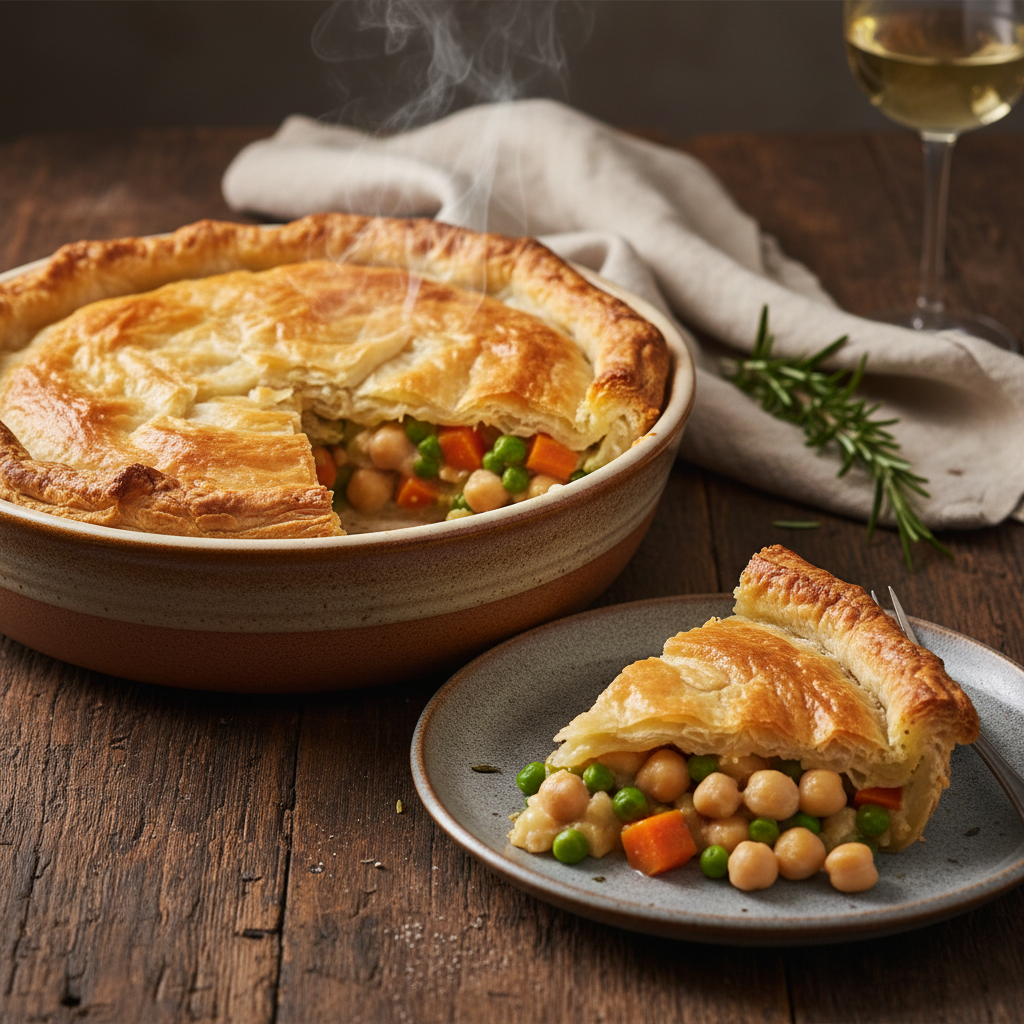
Experience the ultimate comfort food makeover with this hearty Vegetable and Chickpea Pot Pie. Featuring a rich, creamy herb-infused filling and topped with a surprisingly light and flaky crust, this recipe delivers all the cozy vibes of a classic pot pie without the heaviness.
25 minutes
35 minutes
60 minutes
6 servings
Main Course
Baking
American Modern
Vegetarian
There are few dishes that scream ‘comfort’ quite as loudly as a bubbling, golden-brown pot pie fresh from the oven. However, traditional recipes can often feel overly heavy, laden with dense pastry and rich meats that leave you feeling sluggish rather than satisfied. This Vegetable and Chickpea Pot Pie with a Light Crust is the perfect antidote—a reimagined classic that balances indulgence with wholesome nutrition. By swapping out the usual chicken for protein-packed chickpeas, we introduce a delightful textural contrast; the chickpeas maintain a satisfying bite that mimics the heartiness of meat while absorbing the savory notes of the sauce.
The real star of this show, however, is the ‘light’ crust. Instead of a thick, calorie-dense shortcrust or a heavy biscuit topping, we utilize layers of delicate pastry that crisp up into a golden, shattering canopy. Underneath lies a luscious filling brimming with tender carrots, earthy potatoes, sweet peas, and aromatic herbs like thyme and rosemary, all swimming in a velvety velouté sauce. This dish is designed for those chilly evenings when you crave warmth and nostalgia but still want to keep your dinner vibrant and vegetable-forward. It is a celebration of how plant-based ingredients can elevate humble pantry staples into a centerpiece meal that even the most devout meat-eaters at your table will devour with enthusiasm.
History & Origins
The concept of the pot pie is steeped in culinary history, tracing its roots back to the Roman Empire, where meats and fish were often baked in enclosed pastry shells to preserve moisture and flavor. These early iterations were known as ‘coffyns’ in Medieval Europe—sturdy, inedible crusts designed purely as cooking vessels. As culinary techniques evolved during the Renaissance, the crust became an integral, edible part of the dish, often featuring intricate designs to impress nobility.
The pot pie made its way to the Americas with European settlers, becoming a staple of colonial cuisine due to its ability to stretch ingredients and make use of leftovers. Over the centuries, the American pot pie solidified its identity as a chicken or beef stew encased in a flaky pie crust. However, as dietary preferences shifted in the late 20th and early 21st centuries, the demand for vegetarian interpretations grew. The introduction of chickpeas into this lineage is a modern innovation, born from the need for a sustainable, shelf-stable protein that could withstand long baking times without turning to mush. This specific recipe represents the contemporary evolution of the dish: honoring the nostalgic, savory profile of the 1950s diner classic while embracing the global shift towards plant-forward eating and lighter, more textural pastry techniques.
Why This Recipe Works
This recipe succeeds because it meticulously addresses the two most common complaints about vegetarian pot pies: lack of texture and a watery filling. First, chickpeas are the ideal protein choice here because, unlike tofu or lentils which can disintegrate or become mealy, chickpeas retain a firm, ‘meaty’ structure even after being simmered and baked. This provides the necessary chew that mimics the mouthfeel of traditional chicken pot pie.
Secondly, the sauce relies on a classic roux-based velouté technique but uses a specific ratio of vegetable broth to dairy (or plant-based milk) to ensure it is thick enough to coat the back of a spoon but fluid enough to bubble beautifully. We also sauté the aromatics—onion, celery, and carrots—until they are just tender before adding the liquid, ensuring the vegetables are perfectly cooked, not mushy, by the time the crust is golden. Finally, the ‘light’ crust technique allows for maximum steam evaporation. By using a thinner, layered pastry top rather than a dense slab of dough, the steam from the filling escapes through the flaky layers, preventing the dreaded ‘soggy bottom’ and ensuring every bite offers a satisfying crunch against the creamy interior.
Why You’ll Love This Recipe
- ✓High-protein vegetarian alternative using chickpeas
- ✓Lighter, flakier crust reduces heaviness
- ✓Rich, creamy sauce without condensed soup
- ✓Packed with wholesome vegetables like carrots and peas
- ✓Perfect for meal prep and freezing
- ✓Crowd-pleasing comfort food for all ages
Equipment You’ll Need
- ✓Large skillet or Dutch oven
- ✓9-inch pie dish or cast-iron skillet
- ✓Chef’s knife
- ✓Cutting board
- ✓Whisk
- ✓Pastry brush
- ✓Measuring cups and spoons
Ingredients
- ✓2 tablespoons unsalted butter (or olive oil)
- ✓1 medium yellow onion, diced
- ✓2 stalks celery, chopped
- ✓2 large carrots, peeled and sliced into rounds
- ✓1 cup Yukon Gold potatoes, diced into 1/2 inch cubes
- ✓3 cloves garlic, minced
- ✓1/3 cup all-purpose flour
- ✓2 1/2 cups vegetable broth, low sodium
- ✓1/2 cup whole milk (or unsweetened almond milk)
- ✓2 cans (15 oz each) chickpeas, drained and rinsed
- ✓1 cup frozen peas
- ✓1 teaspoon dried thyme
- ✓1 teaspoon dried rosemary
- ✓Salt and black pepper to taste
- ✓6-8 sheets of phyllo dough (thawed) OR 1 sheet light puff pastry
- ✓3 tablespoons olive oil or melted butter (for brushing crust)
Instructions
- Preheat your oven to 400°F (200°C). If using a baking dish, lightly grease it. If using a cast-iron skillet, you can cook the filling and bake in the same pan.
- In a large skillet or Dutch oven, melt the butter over medium heat. Add the diced onion, celery, and carrots. Sauté for 6-8 minutes until the onions are translucent and carrots begin to soften.
- Add the diced potatoes and minced garlic to the pan. Cook for another 2-3 minutes until the garlic is fragrant, being careful not to burn it.
- Sprinkle the flour evenly over the vegetables. Stir constantly for 2 minutes to cook out the raw flour taste and create a roux coating on the veggies.
- Gradually pour in the vegetable broth while whisking continuously to prevent lumps. The mixture will bubble and thicken rapidly.
- Stir in the milk, dried thyme, rosemary, salt, and pepper. Reduce heat to low and let it simmer for 5 minutes until the sauce is creamy and coats the back of a spoon.
- Fold in the drained chickpeas and frozen peas. Remove the skillet from the heat. Taste and adjust seasoning if necessary.
- If not using an oven-safe skillet, transfer the filling into your 9-inch pie dish.
- Prepare the light crust: Take a sheet of phyllo dough, brush it lightly with olive oil or melted butter, and scrunch it loosely. Place it on top of the filling. Repeat with remaining sheets until the entire pie is covered in a ruffled, golden-waiting-to-happen topping. (Alternatively, roll out light puff pastry, cut steam vents, and place over the top).
- Place the pie on a baking sheet (to catch drips) and bake for 30-35 minutes, or until the filling is bubbling vigorously and the crust is deep golden brown and crispy.
- Remove from the oven and let it rest for at least 10-15 minutes before serving. This allows the filling to set and prevents it from being too runny when scooped.
Expert Cooking Tips
- ✓Always rinse your chickpeas thoroughly to remove excess sodium and starch before adding them to the pie.
- ✓Cut your vegetables, especially carrots and potatoes, into uniform sizes to ensure they cook evenly.
- ✓If using phyllo dough, keep the unused sheets covered with a damp towel while working to prevent them from drying out and cracking.
- ✓For an extra glossy crust, brush the top with an egg wash or a little extra milk before baking.
- ✓Letting the pie rest after baking is crucial; it helps the sauce thicken up to the perfect consistency for serving.
- ✓If the crust browns too quickly before the filling is bubbling, tent the pie loosely with aluminum foil.
Substitutions and Variations
This recipe is incredibly versatile and welcomes substitutions based on your dietary needs or pantry inventory. For a gluten-free version, substitute the all-purpose flour with a high-quality 1:1 gluten-free flour blend and use a gluten-free pie crust or a topping of mashed potatoes (Shepherd’s pie style). To make this entirely vegan, swap the butter for olive oil or vegan butter, use unsweetened soy or almond milk instead of dairy milk, and ensure your pastry is free of animal products (most phyllo is naturally vegan). If you aren’t a fan of chickpeas, white navy beans or even firm cubes of baked tofu work as excellent protein replacements. You can also vary the vegetables; sweet potatoes, parsnips, corn, or green beans make wonderful additions. For the crust, if phyllo is too finicky, a simple store-bought pie crust or even a layer of biscuit dough works well, though it will change the ‘light’ nature of the dish slightly.
Common Mistakes to Avoid
The most common mistake with pot pies is failing to cook the roux (flour and fat mixture) sufficiently. If you don’t cook the flour for at least a minute or two before adding liquid, the sauce may have a raw, powdery taste. Another frequent error is adding the milk or broth too quickly, which can lead to a lumpy sauce; always add liquid slowly while whisking. Additionally, under-seasoning is a risk with vegetable-heavy dishes. Chickpeas and potatoes soak up a lot of salt, so be sure to taste your filling before you put the crust on. Finally, do not skip the cooling period. Serving the pie immediately out of the oven will result in a soupy mess on the plate; that 15-minute rest allows the starch molecules to re-bond and thicken the gravy.
Serving Suggestions
This Vegetable and Chickpea Pot Pie is a hearty meal in itself, but it pairs beautifully with a fresh, acidic side to cut through the richness of the creamy sauce. A crisp green salad with a lemon vinaigrette or a balsamic glaze is an excellent choice. Roasted Brussels sprouts or steamed asparagus also complement the flavors well. For a cozy beverage pairing, try a glass of crisp Chardonnay or a warm mug of apple cider. If you are serving this for a dinner party, individual ramekins make for an elegant presentation, giving everyone their own personal pot pie with plenty of crust.
Storage and Reheating Tips
Leftovers can be stored in an airtight container in the refrigerator for up to 3-4 days. To reheat, it is best to use the oven or a toaster oven set to 350°F (175°C) for about 15-20 minutes. This helps re-crisp the crust, which will likely have softened in the fridge. Microwaving is possible for convenience but will result in a soft, chewy crust. This filling also freezes exceptionally well. You can make the filling, freeze it in a sealed bag for up to 3 months, and then thaw it before assembling with a fresh crust for baking. If freezing the assembled pie, do so before baking; wrap it tightly in plastic wrap and foil, then bake from frozen, adding an extra 20-30 minutes to the cooking time.
Nutrition Facts (Estimated)
| Serving Size | 1 slice (approx 300g) |
| Calories | 420 |
| Fat | 18g |
| Saturated Fat | 6g |
| Unsaturated Fat | 10g |
| Trans Fat | 0g |
| Cholesterol | 15mg |
| Sodium | 680mg |
| Carbohydrates | 52g |
| Fiber | 9g |
| Sugar | 6g |
| Protein | 14g |
Frequently Asked Questions
Can I use dried chickpeas instead of canned?
Absolutely. If using dried chickpeas, soak them overnight and boil them until they are completely tender before adding them to the recipe. You will need about 3 cups of cooked chickpeas to replace the 2 cans.
My sauce is too thin, how can I thicken it?
If the sauce seems thin while cooking on the stovetop, simmer it for a few extra minutes to reduce. If it’s already baked, let it rest longer. You can also make a slurry of 1 teaspoon cornstarch and water and stir it into the bubbling filling before baking.
Can I make this recipe ahead of time?
Yes! You can prepare the filling up to 2 days in advance and store it in the fridge. When ready to eat, simply transfer the filling to your baking dish, add the crust, and bake. You may need to add 5-10 minutes to the baking time since the filling is cold.
Is phyllo dough difficult to work with?
It can be delicate, but for this ‘scrunched’ topping method, it is very forgiving. You don’t need perfect layers. Just keep the dough you aren’t using covered with a damp cloth so it doesn’t dry out and become brittle.
Can I use frozen mixed vegetables?
Yes, a bag of frozen mixed vegetables (peas, carrots, corn, green beans) is a great time-saver. You can skip the sautéing step for the carrots and just add the frozen veggies when you add the broth.
What herbs work best if I don’t have thyme or rosemary?
Sage, oregano, or an Italian seasoning blend work wonderfully. Fresh parsley added at the end also brightens up the flavor.
Can I use sweet potatoes instead of white potatoes?
Yes, sweet potatoes add a lovely sweetness and color. They cook slightly faster than Yukon Golds, so keep an eye on them when sautéing.
Does this recipe work for mini pot pies?
Definitely. This amount of filling will fill about 4-6 large ramekins. Reduce the baking time to 20-25 minutes and keep an eye on the crust.
Conclusion
This Vegetable and Chickpea Pot Pie with Light Crust proves that comfort food doesn’t have to weigh you down. It brings together the nostalgic warmth of a savory pie with the health benefits of plant-based protein and a lighter pastry touch. Whether you are a lifelong vegetarian or just looking to introduce more meatless meals into your rotation, this recipe is a winner. The contrast between the creamy, herb-flecked filling and the shattering crispness of the crust is truly addictive. Gather your ingredients, preheat your oven, and get ready to serve a meal that warms the soul as much as the belly.