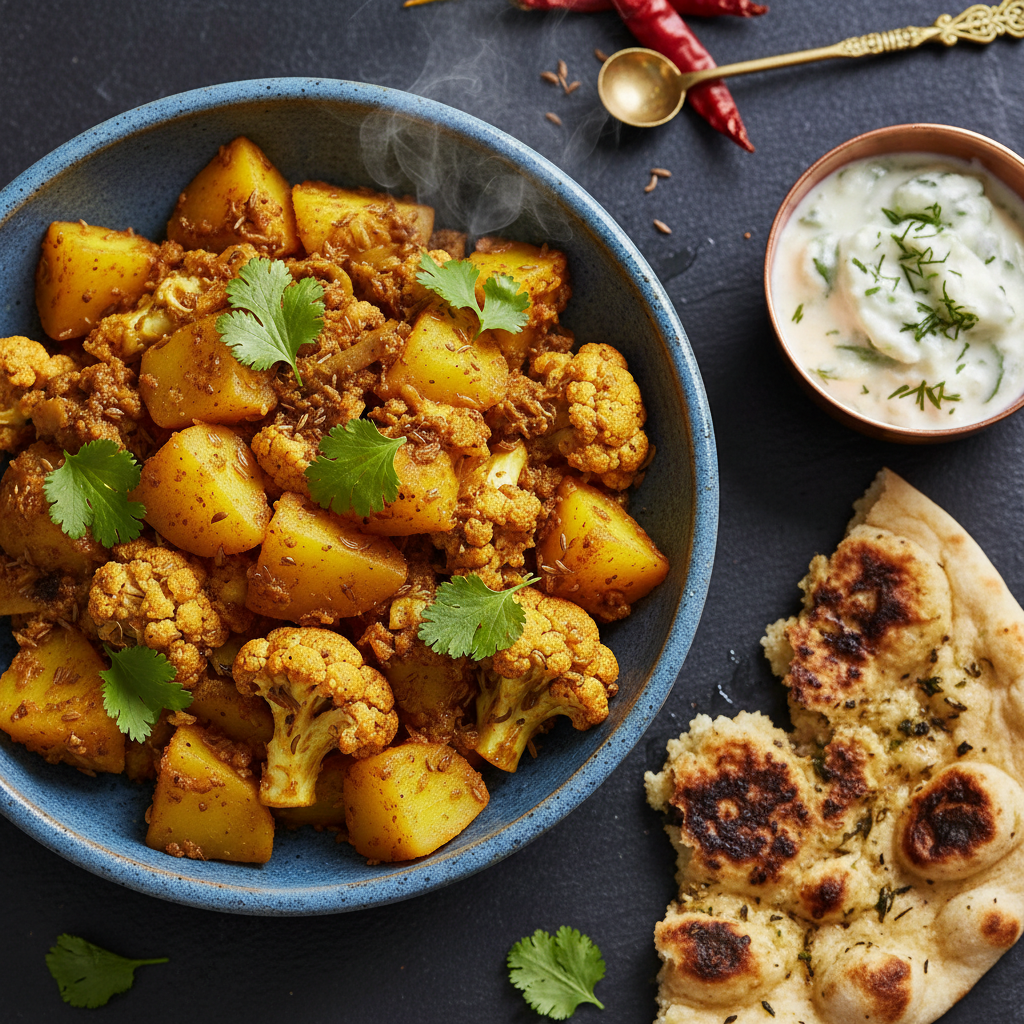
The Ultimate Healthy Cauliflower and Potato Curry (Aloo Gobi)
Cauliflower And Potato Curry Healthy Vegetarian Recipe
This vibrant, comforting Cauliflower and Potato Curry, also known as Aloo Gobi, is the perfect healthy vegetarian weeknight dinner. Packed with anti-inflammatory spices and tender vegetables, it is ready in under 45 minutes and pairs perfectly with basmati rice or warm naan.
15 minutes
30 minutes
45 minutes
4 servings
Main Course
Stovetop
Indian
Vegan
There is something profoundly comforting about a bowl of warm, spiced curry that seems to heal the soul from the inside out. This Healthy Cauliflower and Potato Curry, traditionally known as Aloo Gobi in North Indian cuisine, is a testament to how simple ingredients can be transformed into a culinary masterpiece through the art of spice tempering. Unlike heavy, cream-laden curries that often dominate restaurant menus, this homestyle recipe focuses on the natural flavors of the vegetables, enhanced by a fragrant medley of turmeric, cumin, ginger, and coriander. The beauty of this dish lies in its versatility and its nutritional profile. It is naturally vegan, gluten-free, and loaded with fiber and antioxidants, making it a powerhouse meal for anyone looking to incorporate more plant-based options into their diet without sacrificing flavor. The golden hue, derived from turmeric, promises an earthy warmth, while a finish of fresh cilantro and a squeeze of lemon juice adds a bright, zesty contrast that wakes up the palate. Whether you are a seasoned spice lover or new to Indian cooking, this recipe is approachable and forgiving. It strikes the perfect balance between the soft, melting texture of potatoes and the slight bite of cauliflower florets, all coated in a thick, clingy masala that ensures every mouthful is bursting with savory goodness. In this guide, we will walk through the traditional methods of layering flavors, ensuring that your spices bloom correctly and your vegetables cook to perfection without becoming mushy. Get ready to fill your kitchen with the intoxicating aroma of toasted spices and enjoy a meal that feels like a warm hug.
History & Origins
Aloo Gobi is a quintessential dish hailing from the Punjab region of Northern India and Pakistan, though its popularity has spread to every corner of the subcontinent and across the globe. The name is a literal translation of its two star ingredients: ‘Aloo’ meaning potato and ‘Gobi’ meaning cauliflower. Historically, this dish represents the agricultural abundance of the fertile Punjab plains, where potatoes and cauliflower are staple winter crops. Unlike the wet curries of Southern India which often utilize coconut milk or tamarind broths, Aloo Gobi is traditionally prepared as a dry curry or ‘sabzi,’ where the vegetables are steamed in their own juices alongside a tomato-onion masala base. This method of cooking preserves the structural integrity of the vegetables and concentrates the flavors. Culturally, Aloo Gobi is a humble, everyday dish found in millions of households, yet it holds a special place in festive menus and weddings due to its universal appeal. It gained significant pop culture fame in the West, notably referenced in the film ‘Bend It Like Beckham,’ which helped transition it from a niche ethnic dish to a mainstream vegetarian favorite. Over the decades, variations have emerged—some including peas (matar), some deep-frying the vegetables for restaurant-style richness—but the heart of the dish remains the simple, rustic marriage of potatoes, cauliflower, and spices.
Why This Recipe Works
This recipe succeeds because it meticulously respects the cooking times of two vegetables with vastly different densities. Potatoes generally take longer to cook than cauliflower. Many amateur cooks throw them in together, resulting in either undercooked potatoes or disintegrated cauliflower. Our method addresses this by par-cooking the potatoes or cutting them smaller than the cauliflower florets to ensure they reach the perfect tender consistency simultaneously. Furthermore, the ‘tempering’ or ‘tadka’ technique used at the start—blooming cumin seeds in hot oil—is crucial. This oil-soluble flavor extraction creates a savory foundation that water-based cooking simply cannot replicate. We also use a specific ratio of ground spices added at a lower heat to prevent burning, which ensures the curry has a deep, complex flavor profile rather than a bitter, scorched taste. Finally, the addition of acidic elements like tomatoes and a finishing splash of lemon juice cuts through the starchiness of the potatoes, providing a necessary brightness that lifts the entire dish. This balance of fat, acid, heat, and texture is why this specific version of Aloo Gobi yields restaurant-quality results in a home kitchen.
Why You’ll Love This Recipe
- ✓Naturally vegan and gluten-free, making it suitable for most dietary needs.
- ✓Ready in under 45 minutes using one pot for easy cleanup.
- ✓High in fiber and anti-inflammatory compounds thanks to turmeric and ginger.
- ✓Uses pantry-staple spices to create complex, authentic Indian flavors.
- ✓Perfect for meal prep as the flavors deepen and improve the next day.
Equipment You’ll Need
- ✓Large heavy-bottomed skillet or Dutch oven with lid
- ✓Chef’s knife
- ✓Cutting board
- ✓Measuring spoons
- ✓Wooden spoon or spatula
Ingredients
- ✓1 medium head cauliflower, cut into medium florets
- ✓2 large russet or gold potatoes, peeled and cubed (1-inch pieces)
- ✓2 tablespoons vegetable oil or ghee
- ✓1 teaspoon cumin seeds
- ✓1 medium yellow onion, finely chopped
- ✓1 tablespoon ginger-garlic paste (or fresh minced)
- ✓1-2 green chilies, slit lengthwise (optional for heat)
- ✓2 medium tomatoes, chopped
- ✓1/2 teaspoon turmeric powder
- ✓1 teaspoon Kashmiri red chili powder (or paprika for less heat)
- ✓1 tablespoon ground coriander
- ✓1 teaspoon garam masala
- ✓1 teaspoon salt (adjust to taste)
- ✓Fresh cilantro, chopped (for garnish)
- ✓1 tablespoon lemon juice
Instructions
- Wash the cauliflower florets and potato cubes thoroughly. Pat them dry with a kitchen towel. Excess moisture can cause the vegetables to steam too much and become mushy.
- Heat the oil in a large skillet or Dutch oven over medium heat. Once the oil is shimmering, add the cumin seeds. Let them sizzle and crackle for about 30 seconds until fragrant.
- Add the chopped onions to the pan. Sauté for 5-7 minutes until they turn translucent and start to brown slightly at the edges.
- Stir in the ginger-garlic paste and green chilies. Cook for another 1-2 minutes until the raw smell of the garlic disappears.
- Add the chopped tomatoes, turmeric powder, red chili powder, coriander powder, and salt. Cook this masala base for 5-8 minutes, stirring occasionally, until the tomatoes break down and the oil starts to separate from the masala.
- Add the potato cubes to the pan and toss to coat them in the masala. Cover the pan and cook on low-medium heat for about 5-7 minutes. This gives the potatoes a head start.
- Remove the lid and add the cauliflower florets. Mix gently to ensure everything is evenly coated with the spices.
- Cover the pan again and cook on low heat for another 10-15 minutes. Check occasionally and stir gently to prevent sticking. If the mixture looks too dry, sprinkle a tablespoon of water, but avoid adding too much liquid.
- Once the potatoes and cauliflower are fork-tender but still hold their shape, sprinkle the garam masala over the top and give it a final mix.
- Turn off the heat. Drizzle with fresh lemon juice and garnish generously with chopped cilantro. Serve hot.
Expert Cooking Tips
- ✓Dry your vegetables thoroughly after washing; wet veggies will steam and become soggy instead of roasting in the spices.
- ✓Cut the potatoes slightly smaller than the cauliflower florets so they finish cooking at the same time.
- ✓Don’t skimp on the oil; it is necessary to carry the spice flavors and cook the vegetables without burning.
- ✓Use fresh ginger and garlic if possible, as the flavor is significantly superior to jarred pastes.
- ✓Add the garam masala at the very end to preserve its aromatic potency.
- ✓If you prefer a crispier texture, you can shallow fry the potatoes and cauliflower separately before adding them to the onion-tomato base.
Substitutions and Variations
This recipe is incredibly flexible and allows for numerous substitutions based on dietary needs or pantry availability. If you do not have cauliflower, broccoli is a sturdy alternative that holds up well to these spices, though it will change the flavor profile slightly. Sweet potatoes can be swapped for regular potatoes for a lower glycemic index option and a sweeter taste profile. For the fat, while vegetable oil is standard, using mustard oil (heated to smoking point first) adds an authentic pungent kick, or ghee can be used for a rich, buttery flavor if you are not strictly vegan. If fresh tomatoes are unavailable, canned crushed tomatoes or even a tablespoon of tomato paste diluted in water can work, though fresh is preferred for texture. For those sensitive to heat, skip the green chilies and replace the red chili powder with sweet paprika. Lastly, if you don’t have ginger-garlic paste, finely minced fresh ginger and garlic cloves are actually the superior choice.
Common Mistakes to Avoid
The most common mistake when making Aloo Gobi is overcooking the vegetables until they turn into a mash. This usually happens if the heat is too high or if too much water is added to the pan. Remember, this is traditionally a dry curry; the vegetables should cook in their own steam and the moisture from the tomatoes. Another frequent error is burning the spices. Ground spices like coriander and turmeric can burn in seconds if added to very hot oil without a buffer like onions or tomatoes. Always ensure your base is moist enough or lower the heat before adding powdered spices. Additionally, cutting the vegetables into uneven sizes will result in some bites being raw while others are mushy. Take the time to chop your potatoes and cauliflower into uniform pieces. Finally, under-seasoning is a pitfall; potatoes absorb a lot of salt, so taste and adjust the seasoning right at the end before serving.
Serving Suggestions
Aloo Gobi is best served piping hot as a main course accompanied by Indian breads like roti, naan, or paratha, which are perfect for scooping up the spiced vegetables. It also pairs beautifully with steamed basmati rice or Jeera (cumin) rice and a side of yellow dal (lentil soup) for a complete protein-packed meal. To balance the heat and spices, serve a side of cooling cucumber raita or plain yogurt. A side salad of sliced onions, cucumbers, and tomatoes with a squeeze of lemon juice and chaat masala adds a refreshing crunch. For a fusion twist, you can use leftover Aloo Gobi as a filling for toasted sandwiches, wraps, or even savory savory pastries like puff pastry turnovers.
Storage and Reheating Tips
This curry stores exceptionally well and often tastes better the next day as the flavors have more time to meld. Store leftovers in an airtight container in the refrigerator for up to 3-4 days. To reheat, use a microwave or warm it gently in a skillet over low heat. If the curry seems too dry after refrigeration, sprinkle a teaspoon of water over it while reheating to generate a bit of steam. Avoid freezing this dish if possible, as cooked potatoes tend to develop a grainy, unappealing texture when frozen and thawed. However, if you must freeze it, consume it within one month and thaw it in the refrigerator overnight before reheating.
Nutrition Facts (Estimated)
| Serving Size | 1 bowl (approx 250g) |
| Calories | 210 |
| Fat | 8g |
| Saturated Fat | 1g |
| Unsaturated Fat | 6g |
| Trans Fat | 0g |
| Cholesterol | 0mg |
| Sodium | 350mg |
| Carbohydrates | 28g |
| Fiber | 6g |
| Sugar | 4g |
| Protein | 5g |
Frequently Asked Questions
Can I use frozen cauliflower for this recipe?
Yes, you can, but the texture will be softer. Frozen cauliflower releases more water, so do not add any extra water during cooking and cook uncovered for the last few minutes to evaporate excess moisture.
Is Aloo Gobi spicy?
It can be, but it is customizable. This recipe uses green chilies and red chili powder, which provides a medium heat. You can omit the green chilies and use paprika instead of chili powder for a mild version.
Why are my potatoes taking so long to cook?
Potatoes can vary in starch content and age, affecting cook time. If they are taking too long, add a splash of water, cover the pan tightly to trap steam, and keep the heat low. Cutting them smaller next time will also help.
Can I make this recipe in an Instant Pot?
Yes. Sauté the spices and onions on ‘Sauté’ mode, add veggies and 1/4 cup water, and pressure cook on High for 1-2 minutes. Quick release immediately to prevent mushy vegetables.
What is the difference between Aloo Gobi and Aloo Gobi Matar?
The only difference is the addition of green peas (Matar). You can add a cup of frozen or fresh peas along with the cauliflower for extra sweetness and color.
Is this dish keto-friendly?
Cauliflower is keto-friendly, but potatoes are high in carbs. To make a keto version, replace the potatoes with turnips, radishes, or just use double the cauliflower.
Do I need to boil the vegetables first?
No, boiling them beforehand often leads to overcooking. Cooking them directly in the spiced tomato base allows them to absorb the flavors better.
Can I use onion and garlic powder instead of fresh?
You can, but the result will lack the thick, savory coating that fresh onions and garlic provide. Fresh aromatics form the body of the masala.
Conclusion
Mastering this Aloo Gobi recipe brings a slice of authentic Indian culture right into your kitchen. It is a dish that celebrates the simplicity of vegetables, elevating them with a sophisticated yet easy-to-execute spice blend. Whether you are cooking for a quick weeknight dinner, meal-prepping for the week, or hosting a vegetarian feast, this cauliflower and potato curry is sure to become a regular in your rotation. The health benefits, combined with the incredible flavor, make it a guilt-free indulgence that satisfies the craving for comfort food. Don’t forget to experiment with the spice levels to suit your palate and enjoy the process of creating something truly homemade and delicious.