The Ultimate Healthy Lentil and Vegetable Cottage Pie
Lentil And Vegetable Cottage Pie Healthy Recipe
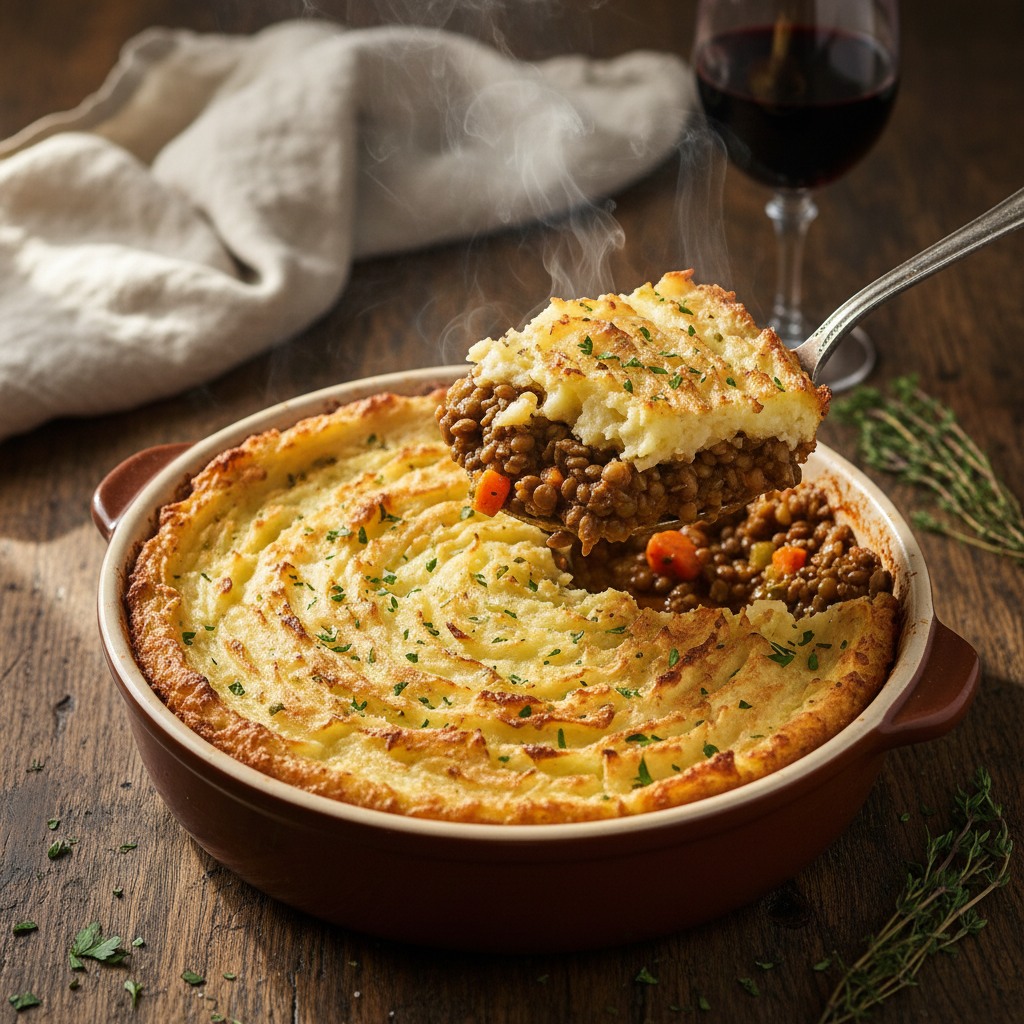
This comforting, plant-based twist on a classic features savory, herb-infused lentils and tender garden vegetables topped with a fluffy, golden-brown mashed potato crust. It is a hearty, protein-packed meal that delivers all the cozy vibes of traditional cottage pie while being incredibly nutritious.
25 minutes
45 minutes
1 hour 10 minutes
6 servings
Main Course
Baking
British / American
Vegetarian
When the weather turns crisp and the days grow shorter, few things are as welcoming as a bubbling casserole dish pulled fresh from the oven. This Lentil and Vegetable Cottage Pie is the epitome of comfort food, reimagined for a modern, health-conscious kitchen without sacrificing an ounce of flavor. While traditional cottage pie relies on minced beef, this vegetarian masterpiece proves that plant-based ingredients can be just as satisfying, robust, and savory. The magic lies in the layering of textures and flavors: the earthy, hearty bite of green lentils, the sweetness of carrots and peas, and the rich, umami-laden gravy, all crowned with a cloud of creamy, buttery mashed potatoes.
What makes this recipe truly standout is its versatility and nutritional profile. It transforms humble pantry staples—lentils, potatoes, and root vegetables—into a center-piece meal that feels special enough for a Sunday family dinner yet accessible enough for a weeknight. The lentils absorb the deep flavors of thyme, rosemary, and tomato paste, mimicking the richness of meat while providing a massive dose of fiber and plant-based protein. The potato topping, crisped to perfection under the broiler, offers that essential contrast of crunch and creaminess that makes cottage pie a timeless favorite. Whether you are a dedicated vegetarian or a meat-eater looking to incorporate more plants into your diet, this dish is guaranteed to warm you from the inside out.
History & Origins
The origins of Cottage Pie are deeply rooted in the culinary history of the United Kingdom and Ireland, dating back to the late 18th century. The term ‘Cottage Pie’ came into use around 1791, shortly after the potato was introduced as an affordable, edible crop for the poor. The name referred to the modest dwellings of the rural workers who lived in cottages and relied on potatoes as a staple of their diet. Originally, it was a brilliant way to repurpose leftover roasted meat—typically beef—by mincing it, mixing it with gravy, and hiding it under a layer of mashed potatoes to stretch the meal further.
It is important to distinguish between Cottage Pie and its famous cousin, Shepherd’s Pie. While the terms are often used interchangeably in the United States, purists will tell you that Shepherd’s Pie is strictly made with lamb (hence the shepherd), while Cottage Pie utilizes beef. This lentil version is a modern evolution, often affectionately dubbed ‘Shepherdess Pie’ or ‘Gardener’s Pie’ in the UK. As vegetarianism gained traction in the 20th and 21st centuries, cooks sought to replicate the beloved architecture of the pie—the savory base and starchy top—using pulses. Lentils became the natural successor to mince due to their size, texture, and ability to hold their shape during long braises. This dish represents a culinary journey from 18th-century peasant survival food to a celebrated staple of modern, health-conscious gastronomy.
Why This Recipe Works
This recipe succeeds because it meticulously addresses the two biggest complaints about vegetarian adaptations of meat dishes: lack of depth (umami) and poor texture. First, to build a profound flavor profile that rivals beef, we utilize a ‘soffritto’ base of onions, carrots, and celery, sautéed until sweet. We then layer in tomato paste, cooking it off until it darkens to unlock rich glutamates, and add a splash of soy sauce or vegetarian Worcestershire sauce. This combination creates a savory backbone that makes the lentils taste incredibly meaty and robust. We also use vegetable broth rather than water, ensuring every spoonful is seasoned from the inside out.
Texturally, the choice of lentils matters immensely. We specifically recommend green or brown lentils (or French Puy lentils) rather than red lentils. Red lentils break down into a mush, whereas green and brown varieties retain a slight ‘bite’ that mimics the texture of ground meat. Furthermore, the ratio of liquid to solid is calculated to produce a thick, glossy gravy rather than a watery soup, ensuring the base supports the heavy potato topping without collapsing. Finally, the mashed potatoes are prepared with a specific technique—steaming dry after boiling—to ensure they are fluffy, not gluey, creating the perfect golden crust when baked.
Why You’ll Love This Recipe
- ✓High-Protein & High-Fiber: Packed with lentils for a nutritious boost.
- ✓Budget-Friendly: Uses affordable pantry staples.
- ✓Meal-Prep Perfect: Tastes even better the next day.
- ✓Freezer-Friendly: Can be assembled and frozen for up to 3 months.
- ✓Gluten-Free Adaptable: Naturally gluten-free if using tamari and cornstarch.
Equipment You’ll Need
- ✓Large Dutch oven or deep skillet
- ✓Large saucepan (for potatoes)
- ✓Potato masher or ricer
- ✓9×13 inch baking dish or 2.5-quart casserole dish
- ✓Chef’s knife
- ✓Cutting board
- ✓Colander
Ingredients
- ✓1.5 cups dry green or brown lentils, rinsed (or 3 cups cooked)
- ✓2 lbs Yukon Gold or Russet potatoes, peeled and chopped into 1-inch chunks
- ✓2 tbsp olive oil
- ✓1 large yellow onion, diced
- ✓3 medium carrots, diced
- ✓2 stalks celery, diced
- ✓3 cloves garlic, minced
- ✓2 tbsp tomato paste
- ✓1 tsp dried thyme (or 1 tbsp fresh)
- ✓1 tsp dried rosemary
- ✓3 cups vegetable broth
- ✓1 cup frozen peas
- ✓1 tbsp soy sauce or tamari (for umami depth)
- ✓1 tbsp cornstarch mixed with 2 tbsp water (slurry)
- ✓1/4 cup milk (dairy or unsweetened plant-based)
- ✓2 tbsp butter (or vegan butter)
- ✓Salt and freshly cracked black pepper to taste
- ✓Fresh parsley for garnish
Instructions
- 1. Prepare the Lentils: If using dry lentils, place them in a pot with plenty of water. Bring to a boil, reduce heat, and simmer for 20-25 minutes until tender but not mushy. Drain and set aside. (Skip this step if using canned/pre-cooked lentils).
- 2. Boil the Potatoes: While lentils cook, place the peeled, chopped potatoes in a large pot and cover with cold salted water by one inch. Bring to a boil and cook for 15-20 minutes until very tender when pierced with a fork.
- 3. Sauté Aromatics: Heat olive oil in a large Dutch oven or skillet over medium-high heat. Add the diced onion, carrots, and celery. Sauté for 6-8 minutes until the onions are translucent and vegetables soften.
- 4. Build Flavor: Add the minced garlic, thyme, rosemary, and tomato paste. Stir constantly for 2 minutes to cook out the raw tomato flavor and caramelize the paste slightly.
- 5. Simmer the Filling: Add the cooked lentils, vegetable broth, and soy sauce to the skillet. Bring to a simmer. Let it cook for 5-10 minutes to meld flavors. Stir in the cornstarch slurry and cook for another 2 minutes until the gravy thickens significantly. Stir in the frozen peas and remove from heat. Season with salt and pepper.
- 6. Mash the Potatoes: Drain the potatoes and return them to the hot pot for 1 minute to evaporate excess moisture. Add the butter and milk. Mash until smooth and creamy. Season generously with salt and pepper.
- 7. Assemble: Preheat your oven to 375°F (190°C). Pour the lentil vegetable mixture into a 9×13 baking dish or casserole dish, spreading it evenly.
- 8. Top and Bake: Spoon the mashed potatoes over the filling. Use a fork to spread the potatoes to the edges and create rough peaks on top (these will get crispy). Bake for 20-25 minutes until the filling is bubbling.
- 9. Broil: Turn on the broiler for the last 2-3 minutes to brown the potato peaks. Watch closely to prevent burning.
- 10. Serve: Let the pie rest for 10-15 minutes before serving to allow the filling to set slightly. Garnish with fresh parsley.
Expert Cooking Tips
- ✓Dry Your Potatoes: After draining the boiled potatoes, return them to the hot pot (off the heat) for a minute or two. This steams off excess water, preventing watery mash.
- ✓Texture is Key: Do not overcook the lentils in the initial boiling step. They will cook more in the oven, so they should still have a slight bite before baking.
- ✓Rough it Up: When spreading the mashed potatoes, use a fork to create ridges and valleys. The ridges catch the heat and become irresistibly crispy.
- ✓Let it Rest: It is tempting to dig in immediately, but letting the pie rest for 10 minutes helps the gravy set, making it easier to serve neat slices.
- ✓Umami Boost: Don’t skip the soy sauce or tamari; it adds a savory depth that mimics meat without tasting like Asian cuisine.
- ✓Thickening: Ensure the filling is quite thick before baking. If it looks too runny in the pan, simmer it longer or add a bit more cornstarch slurry.
Substitutions and Variations
This recipe is incredibly forgiving and adaptable. **For the Lentils:** You can substitute the dry lentils with 2 cans (15oz each) of lentils, rinsed and drained. Avoid red lentils as they will turn to mush; stick to brown, green, or black beluga lentils. If you aren’t a fan of lentils, you can use a plant-based ground meat alternative or even chopped mushrooms and walnuts for a different texture. **For the Vegetables:** Feel free to add corn, green beans, chopped bell peppers, or sautéed kale to the filling. **For the Topping:** If you want a lower-carb option, try a mash made of half cauliflower and half potato, or use mashed sweet potatoes for a colorful, vitamin-rich twist. **Dairy-Free/Vegan:** Simply use a high-quality vegan butter and unsweetened almond or oat milk for the mash. The filling is naturally vegan. **Gluten-Free:** Ensure your soy sauce is gluten-free (tamari) and double-check that your cornstarch is certified GF.
Common Mistakes to Avoid
The most common mistake with lentil cottage pie is a **watery filling**. This happens if the vegetable broth isn’t reduced enough or if the lentils weren’t drained properly. Make sure the gravy in the skillet coats the back of a spoon before assembling. Another issue is **gummy potatoes**, which results from over-mashing or using a food processor (never use a food processor for potatoes!). Use a hand masher or a ricer for the fluffiest results. Finally, **under-seasoning** is a risk with lentils. They absorb a lot of salt, so taste your filling before baking and adjust accordingly.
Serving Suggestions
This dish is a complete meal in itself, containing protein, starch, and vegetables. However, it pairs beautifully with a crisp, acidic side to cut through the richness. A simple green salad with a lemon vinaigrette is perfect. Steamed broccoli, roasted Brussels sprouts, or glazed carrots also work well if you want extra veggies. For a cozy feast, serve it with a side of crusty sourdough bread or Irish soda bread to mop up any extra gravy.
Storage and Reheating Tips
Leftovers store beautifully and often taste better the next day as the flavors meld. **Refrigerator:** Store in an airtight container for up to 4 days. **Freezer:** This pie freezes excellently. You can freeze the unbaked assembled pie (thaw in the fridge overnight before baking) or freeze baked leftovers in individual portions for up to 3 months. **Reheating:** To reheat, cover with foil and bake at 350°F until warmed through (about 20 mins). Remove foil for the last 5 minutes to re-crisp the potatoes. Microwave reheating works but will result in a softer topping.
Nutrition Facts (Estimated)
| Serving Size | 1 slice (approx 350g) |
| Calories | 385 |
| Fat | 9g |
| Saturated Fat | 4g |
| Unsaturated Fat | 5g |
| Trans Fat | 0g |
| Cholesterol | 15mg |
| Sodium | 450mg |
| Carbohydrates | 62g |
| Fiber | 14g |
| Sugar | 6g |
| Protein | 16g |
Frequently Asked Questions
Can I use red lentils for this recipe?
It is not recommended. Red lentils break down very quickly and turn into a puree. For a cottage pie, you want the lentils to retain their shape and texture to mimic the mouthfeel of minced meat. Green, brown, or Puy lentils are best.
Can I prepare this ahead of time?
Absolutely. You can assemble the entire pie, cover it tightly, and store it in the fridge for up to 24 hours before baking. You may need to add 10-15 minutes to the baking time if it’s going into the oven cold.
Is this recipe vegan?
The filling is naturally vegan. To make the entire dish vegan, simply use vegan butter and plant-based milk (like oat or soy) for the mashed potato topping.
Do I have to peel the potatoes?
Not necessarily. If you use thin-skinned potatoes like Yukon Golds, you can leave the skins on for a more rustic texture and extra nutrients. For Russets, peeling is usually recommended as the skins can be tough.
Why is my filling runny?
You likely didn’t simmer off enough liquid or didn’t use enough cornstarch. Be sure to bring the mixture to a solid simmer after adding the starch slurry to activate the thickening.
Can I add cheese to the topping?
Yes! A cup of grated sharp cheddar or parmesan cheese mixed into the mashed potatoes (or sprinkled on top) adds a delicious, golden crust and extra flavor.
Can I use sweet potatoes instead?
Yes, sweet potato mash makes a delicious, slightly sweeter topping that pairs very well with the savory lentils. It also adds extra Vitamin A.
What gives the filling a meaty flavor?
The combination of tomato paste, soy sauce (or tamari), and the mirepoix (onion, carrot, celery) creates a high level of glutamate, which our tongues perceive as savory ‘umami’ flavor.
Conclusion
This Lentil and Vegetable Cottage Pie is more than just a healthy alternative to a meat-heavy classic; it is a celebration of how comforting and satisfying plant-based cooking can be. With its rich, savory filling and pillowy potato crust, it is a dish that invites you to slow down and savor every bite. Whether you are cooking for a crowd, prepping meals for the week, or simply looking for a hug in a bowl, this recipe delivers on all fronts. Give it a try, and you might just find it replacing the traditional version in your regular dinner rotation.