Smoky Chickpea and Spinach Shakshuka: The Ultimate One-Pan Healthy Brunch
Chickpea And Spinach Shakshuka Healthy Recipe
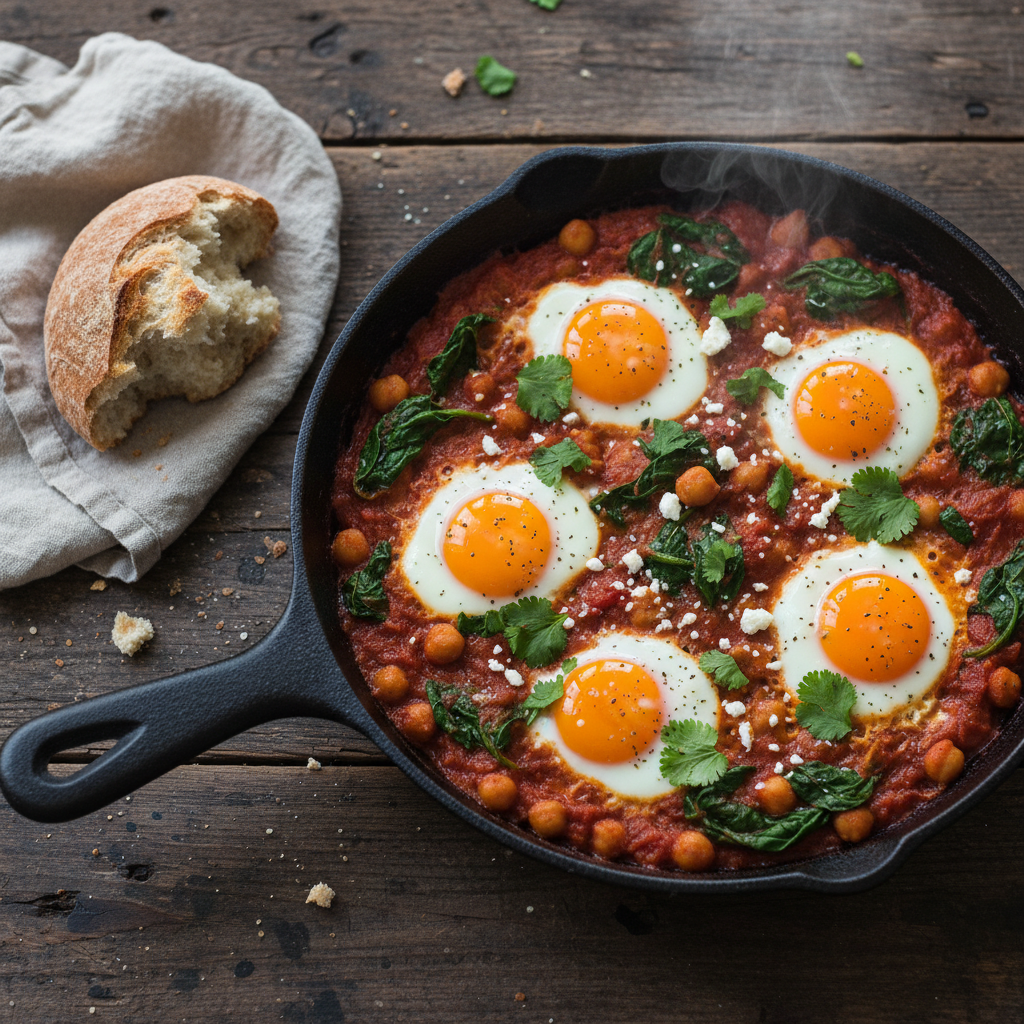
Elevate your brunch game with this protein-packed Chickpea and Spinach Shakshuka. Featuring perfectly poached eggs nestled in a rich, smoky tomato sauce enriched with hearty chickpeas and fresh greens, this one-pan wonder is ready in under 30 minutes and perfect for meal prep.
10 minutes
20 minutes
30 minutes
4 servings
Breakfast/Brunch
Stovetop
Middle Eastern / Mediterranean
Vegetarian
There is something undeniably comforting about a skillet of bubbling, aromatic tomato sauce, especially when it serves as a warm bath for perfectly poached eggs. This Chickpea and Spinach Shakshuka takes the classic North African dish and elevates it into a nutritional powerhouse that works just as well for a hearty weeknight dinner as it does for a lazy Sunday brunch. While traditional Shakshuka relies heavily on peppers and tomatoes, this variation introduces creamy chickpeas for added texture and plant-based protein, along with fresh spinach to boost the vitamin content and add vibrant color.
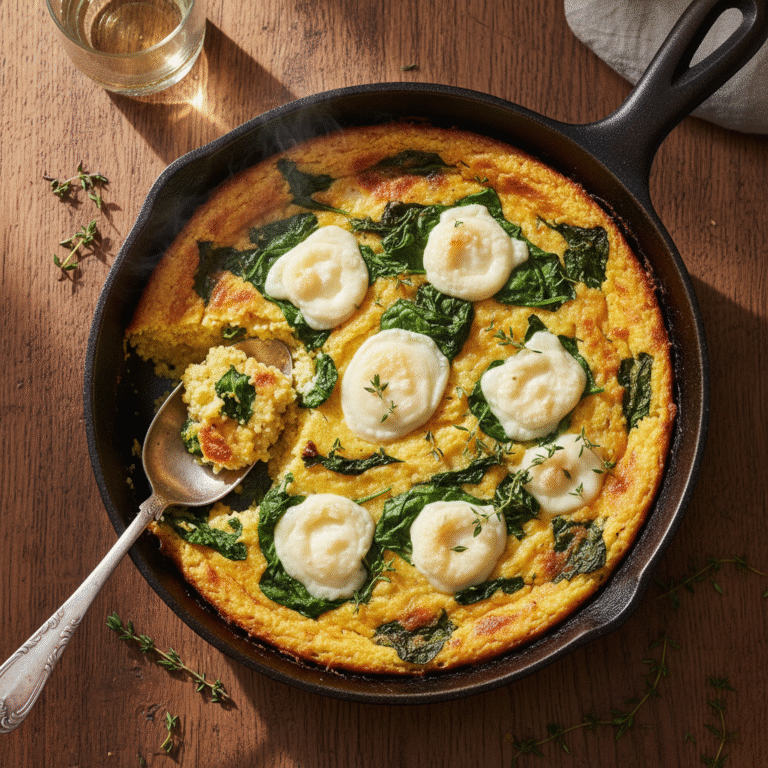
The magic of this dish lies in the layering of flavors. We start by building a base with sautéed onions and bell peppers, sweating them down until they are sweet and tender. Then comes the spice blend—a fragrant mix of smoked paprika, cumin, and a hint of chili flakes—which blooms in the oil to release a depth of flavor that permeates the entire sauce. When the tomatoes, chickpeas, and spinach join the party, the skillet transforms into a hearty stew that bridges the gap between a light vegetable dish and a comforting main course. Whether you are a vegetarian looking for a satisfying meal or simply trying to incorporate more wholesome ingredients into your diet without sacrificing flavor, this recipe is a guaranteed winner. Serve it straight from the cast-iron skillet with crusty sourdough bread to scoop up every last drop of the spicy, savory sauce and rich egg yolk.
History & Origins
Shakshuka is a dish with deep roots and a storied past, believed to have originated in North Africa, specifically within the cuisines of Tunisia, Libya, Algeria, and Morocco. The word ‘Shakshuka’ itself is derived from an Arabic term meaning ‘a mixture’ or ‘shaken together,’ perfectly describing the rustic, one-pan nature of the meal. Historically, it was a simple, peasant-style dish made from readily available ingredients like tomatoes, peppers, and spices, with eggs poached directly in the sauce to provide essential protein.
The dish traveled with Jewish immigrants from North Africa to Israel in the mid-20th century, where it was embraced and adapted, eventually becoming a staple of Israeli cuisine. In Israel, it is arguably as popular as falafel or hummus, served ubiquitously in cafes for breakfast, lunch, and dinner. Over the decades, countless variations have emerged. ‘Green Shakshuka’ swaps tomatoes for tomatillos or leafy greens, while other versions incorporate meat like merguez sausage or feta cheese. This specific iteration, adding chickpeas and spinach, reflects a modern, health-conscious evolution of the classic. It honors the traditional method of poaching eggs in a spiced vegetable reduction while adapting to contemporary dietary desires for more fiber and nutrient density. Today, Shakshuka is a global phenomenon, celebrated in food blogs and high-end restaurants alike for its bold flavors and communal eating style.
Why This Recipe Works
This Chickpea and Spinach Shakshuka recipe works because it masterfully balances texture, flavor, and nutrition in a single pan. The primary reason for its success is the addition of chickpeas. In a standard Shakshuka, the sauce can sometimes be too liquid or lack ‘chew.’ The chickpeas add a buttery, firm texture that absorbs the acidity of the tomatoes and the warmth of the cumin, making the dish significantly more satiating without making it heavy.
Furthermore, the timing of the spinach is crucial in this recipe. Rather than cooking the spinach for a long time, we fold it in just before cracking the eggs. This ensures the leaves wilt perfectly but retain their bright green color and distinct flavor, rather than turning into a mushy, gray mess. The use of smoked paprika is another key element; it mimics the depth of flavor you might get from cooking with meat, keeping the dish vegetarian while satisfying savory cravings. Finally, the method of covering the pan to steam the eggs ensures the whites set firmly while the yolks remain runny and luscious, creating a natural, creamy sauce that enriches the tomato base when broken.
Why You’ll Love This Recipe
- ✓Ready in under 30 minutes using just one pan.
- ✓Packed with protein from both eggs and chickpeas.
- ✓High in fiber and vitamins thanks to the spinach and vegetables.
- ✓Naturally gluten-free and vegetarian-friendly.
- ✓Versatile enough for breakfast, brunch, or dinner.
- ✓Budget-friendly ingredients that taste gourmet.
Equipment You’ll Need
- ✓Large Cast Iron Skillet or Heavy-Bottomed Pan (10-12 inch)
- ✓Cutting Board
- ✓Chef’s Knife
- ✓Wooden Spoon or Spatula
- ✓Can Opener
- ✓Lid or Baking Sheet (to cover the pan)
Ingredients
- ✓2 tbsp Extra Virgin Olive Oil
- ✓1 large Yellow Onion, diced
- ✓1 Red Bell Pepper, seeded and diced
- ✓3 cloves Garlic, minced
- ✓1 tsp Ground Cumin
- ✓1 tsp Smoked Paprika
- ✓1/2 tsp Chili Powder or Red Pepper Flakes (adjust to taste)
- ✓1 can (28 oz) Whole Peeled Tomatoes (crushed by hand) or Crushed Tomatoes
- ✓1 can (15 oz) Chickpeas, rinsed and drained
- ✓2 cups Fresh Baby Spinach, roughly chopped
- ✓4-5 large Eggs
- ✓Salt and Black Pepper to taste
- ✓1/4 cup Crumbled Feta Cheese (optional garnish)
- ✓Fresh Cilantro or Parsley, chopped (for garnish)
Instructions
- 1. Heat the olive oil in a large cast-iron skillet over medium heat. Add the diced onion and red bell pepper. Sauté for 5-7 minutes until the onion becomes translucent and the peppers soften.
- 2. Add the minced garlic, cumin, smoked paprika, and chili powder. Stir constantly for about 1 minute until the spices are fragrant, being careful not to burn the garlic.
- 3. Pour in the tomatoes with their juices. If using whole peeled tomatoes, crush them with your wooden spoon or hands before adding. Season with a pinch of salt and black pepper. Bring the mixture to a gentle simmer.
- 4. Stir in the drained chickpeas. Reduce the heat to low and let the sauce simmer for 10 minutes to allow the flavors to meld and the sauce to thicken slightly.
- 5. Stir in the fresh spinach. Mix gently until the spinach has just begun to wilt, which should take about 1-2 minutes.
- 6. Use the back of a spoon to make 4-5 small wells or indentations in the sauce. Carefully crack an egg into each well.
- 7. Cover the skillet with a lid (or a baking sheet if you don’t have a lid) and cook for 5-8 minutes. Check frequently; you want the egg whites to be opaque and set, but the yolks to remain runny.
- 8. Remove from heat immediately. Sprinkle with crumbled feta cheese and fresh cilantro or parsley.
- 9. Serve hot, directly from the skillet, with crusty bread or pita for dipping.
Expert Cooking Tips
- ✓Use a cast-iron skillet for the best heat distribution and presentation.
- ✓Crack your eggs into a small ramekin first before pouring them into the sauce to avoid shells.
- ✓Don’t skip the simmering step; reducing the tomato sauce concentrates the flavor.
- ✓If you prefer firmer yolks, cook covered for an extra 2-3 minutes.
- ✓Use high-quality smoked paprika; it makes a huge difference in the final flavor profile.
- ✓If the sauce becomes too thick while simmering, add a splash of water or vegetable broth.
Substitutions and Variations
This recipe is incredibly forgiving and adaptable. If you don’t have chickpeas, you can substitute cannellini beans or butter beans for a creamier texture. For the greens, kale or Swiss chard are excellent alternatives to spinach, though they will require a few extra minutes of cooking time to tenderize. If you are out of canned tomatoes, you can use about 2 pounds of fresh, ripe tomatoes, chopped finely, though you may need to add a tablespoon of tomato paste to deepen the color and flavor. For a vegan version, simply omit the eggs and feta; you can replace the eggs with silken tofu dollops or just enjoy it as a hearty bean stew. Carnivores can add crumbled chorizo or merguez sausage at the beginning with the onions for a meatier dish.
Common Mistakes to Avoid
The most common mistake when making Shakshuka is overcooking the eggs. Remember that the eggs will continue to cook slightly from the residual heat of the sauce even after you take the pan off the stove. Pull the pan when the whites are just set. Another mistake is not seasoning the vegetable base enough; tomatoes need a good amount of salt to pop, so taste your sauce before you crack the eggs in. Finally, avoid using a pan that is too large for the amount of ingredients; if the sauce spreads too thin, the eggs won’t have a deep enough bed to poach in, resulting in flat, unevenly cooked eggs.
Serving Suggestions
Shakshuka is traditionally served right in the cast-iron skillet, placed in the center of the table for family-style dining. It is absolutely essential to serve this with a side of warm, crusty bread—sourdough, baguette, or warm pita are ideal for mopping up the sauce. For a complete brunch spread, pair it with a bright, acidic salad like a cucumber and tomato salad with lemon dressing to cut through the richness. A side of hummus, labneh, or olives also complements the Mediterranean flavors beautifully. Beverage-wise, hot coffee, mint tea, or a spicy Bloody Mary makes for a perfect accompaniment.
Storage and Reheating Tips
Shakshuka is best enjoyed fresh, especially the eggs. However, the tomato and chickpea base stores wonderfully and actually tastes better the next day as the flavors meld. If you plan to have leftovers, it is best to cook only as many eggs as you plan to eat immediately. Store the leftover sauce in an airtight container in the refrigerator for up to 3-4 days. When ready to eat, reheat the sauce in a skillet on the stove until bubbling, then crack fresh eggs into it and cook as directed. If you have already cooked the eggs and have leftovers, reheat gently in the microwave, knowing the yolks will likely cook through and become hard.
Nutrition Facts (Estimated)
| Serving Size | 1 serving (approx 1.5 cups) |
| Calories | 320 |
| Fat | 18g |
| Saturated Fat | 4g |
| Unsaturated Fat | 12g |
| Trans Fat | 0g |
| Cholesterol | 186mg |
| Sodium | 650mg |
| Carbohydrates | 22g |
| Fiber | 7g |
| Sugar | 8g |
| Protein | 16g |
Frequently Asked Questions
Can I use fresh tomatoes instead of canned?
Yes, absolutely. Use about 2 pounds of ripe plum or vine-ripened tomatoes. You may need to cook them down a bit longer to achieve the right saucy consistency.
Is this recipe spicy?
It has a mild kick from the chili powder, but it is not overwhelmingly spicy. You can adjust the heat level by increasing or decreasing the chili powder or cayenne pepper.
Can I make this ahead of time?
You can make the sauce (up to step 5) up to 2 days in advance. Store it in the fridge, and when you are ready to serve, bring it to a simmer in the skillet and proceed with adding the eggs.
How do I know when the eggs are done?
The eggs are done when the whites turn opaque and are no longer translucent. Give the pan a gentle jiggle; the yolks should still wobble slightly.
Can I bake this instead of cooking on the stovetop?
Yes. After adding the eggs, you can transfer the oven-safe skillet to a preheated oven at 375°F (190°C) and bake for 10-15 minutes until the eggs are set.
Is Shakshuka gluten-free?
Yes, the dish itself is naturally gluten-free. Just ensure you serve it with gluten-free bread or skip the bread entirely.
Can I add meat to this recipe?
Certainly. Spicy lamb sausage (merguez), chorizo, or ground beef works very well. Brown the meat first before adding the onions and peppers.
Why is my sauce watery?
This can happen if the spinach releases too much water or the tomatoes weren’t reduced enough. Simmer the sauce uncovered a bit longer before adding the eggs to evaporate excess liquid.
Conclusion
This Chickpea and Spinach Shakshuka is more than just a recipe; it’s a reliable, comforting ritual that brings warmth and flavor to your kitchen with minimal effort. Whether you are hosting a brunch for friends or needing a quick, nutritious dinner after a long day, this dish delivers on all fronts. The combination of smoky spices, tender chickpeas, and rich eggs creates a harmony of flavors that feels indulgent yet remains incredibly healthy. We hope this recipe becomes a staple in your home rotation. Don’t forget to snap a picture of your beautiful skillet creation before diving in—and make sure you have plenty of bread ready!