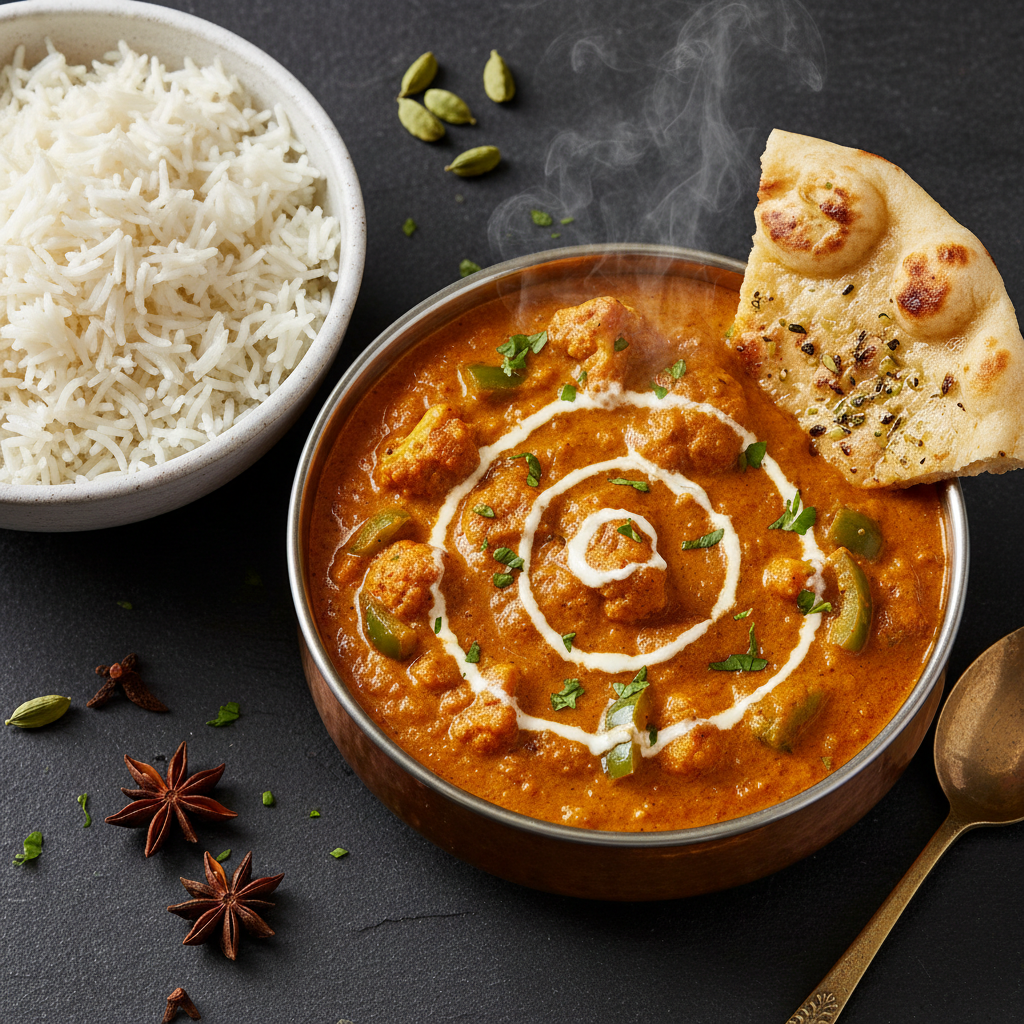
Restaurant-Style Vegetable Tikka Masala with Fluffy Basmati Rice
Vegetable Tikka Masala With Basmati Rice Recipe
Experience the rich, aromatic flavors of India right in your kitchen with this creamy Vegetable Tikka Masala. Packed with roasted veggies and smothered in a spiced tomato-cream sauce, it is the perfect vegetarian comfort food dinner that rivals your favorite takeout spot.
25 minutes
40 minutes
1 hour 5 minutes
4-6 Servings
Main Course
Stovetop and Oven
Indian-Inspired
Vegetarian
There is something undeniably magical about the aroma of Tikka Masala simmering on the stove. It is a scent that promises warmth, comfort, and a symphony of flavors that dance on the palate. As a food blogger who has spent years chasing the perfect curry, I can confidently say that this Vegetable Tikka Masala is a triumph. Often, vegetarian alternatives to classic meat dishes feel like an afterthought, lacking the depth or robustness of their counterparts. However, this recipe flips that narrative entirely. By roasting a colorful medley of cauliflower, bell peppers, and sweet potatoes before adding them to the sauce, we achieve a caramelized depth and a meaty texture that stands up beautifully to the rich, creamy gravy. The sauce itself is the star of the show—a velvety blend of tomatoes, aromatics, and a secret mix of toasted spices that creates a complex flavor profile, balancing sweet, savory, tangy, and spicy notes in perfect harmony. This dish is not just about sustenance; it is an experience. It is about the ritual of measuring out turmeric and cumin, the sizzle of onions hitting the pan, and the vibrant orange hue that brightens up even the gloomiest winter evening. Whether you are a lifelong vegetarian or a die-hard meat eater looking to incorporate more plants into your diet, this curry satisfies that primal craving for something hearty and indulgent. Paired with fragrant, long-grain Basmati rice that soaks up every drop of the sauce, this meal is a celebration of texture and taste. It is perfect for Sunday family dinners, impressive enough for a dinner party, yet straightforward enough for a dedicated weeknight cook. Get ready to ditch the takeout menus, because the best Indian food in town is about to come from your own kitchen.
History & Origins
The history of Tikka Masala is as rich and complex as its flavor profile, often sparking heated debates among food historians and culinary enthusiasts. While it is undeniably rooted in Indian culinary traditions, specifically the North Indian dish ‘Butter Chicken’ (Murgh Makhani), the Tikka Masala we know and love today is widely believed to be a British invention. The most popular origin story takes us to Glasgow, Scotland, in the 1970s. Legend has it that a customer at a curry house complained that his Chicken Tikka was too dry. The chef, Ali Ahmed Aslam, thinking on his feet, supposedly whipped up a sauce using a can of tomato soup and some spices, creating the first iteration of the creamy, tomato-based gravy. Whether this anecdote is entirely factual or a bit of culinary folklore, it underscores the dish’s status as a brilliant example of fusion cuisine. It bridges the gap between the dry, tandoor-cooked meats of India and the British penchant for gravy-laden dinners. In 2001, British Foreign Secretary Robin Cook famously declared Chicken Tikka Masala a ‘true British national dish,’ highlighting how Britain absorbs and adapts external influences. Over the decades, the dish has evolved significantly. While the meat version reigns supreme in popularity polls, the vegetable variation has carved out its own significant niche. In India, where vegetarianism is prevalent, similar dishes like ‘Mixed Veg Makhanwala’ have existed for generations. This recipe draws inspiration from both the British Indian Restaurant (BIR) style—known for its vibrant color and slightly sweeter profile—and the authentic Indian home cooking style, which emphasizes fresh aromatics and distinct spice layers. By swapping meat for hearty vegetables, we are honoring the adaptability that created this dish in the first place.
Why This Recipe Works
This recipe succeeds where many others fail because it meticulously addresses the two biggest challenges of vegetarian curries: texture and flavor depth. First, let’s talk about texture. In a typical meat curry, the protein provides a chew and savoriness that anchors the dish. To replicate this satisfaction with vegetables, we do not just boil them in the sauce; we roast them first. Roasting the cauliflower and sweet potatoes at a high temperature caramelizes their natural sugars via the Maillard reaction, creating a firm exterior and a tender interior. This prevents the vegetables from turning into mush when simmered. Secondly, the sauce relies on a technique called ‘blooming’ the spices. Instead of dumping raw spice powder into a liquid, we sauté the cumin, coriander, and garam masala in hot oil or butter. This releases their essential oils, amplifying their potency and removing any raw, dusty taste. We also use a combination of heavy cream and crushed kasuri methi (dried fenugreek leaves) at the very end. The fat in the cream carries the flavor compounds across your tongue, while the fenugreek adds that distinct, slightly bitter, earthy aroma that is the hallmark of restaurant-quality Indian food. Finally, the use of a cashew paste thickener (optional but recommended) adds a nutty richness that mimics the luxurious mouthfeel of slow-cooked gravies without requiring hours of simmering.
Why You’ll Love This Recipe
- ✓Roasted vegetables provide a superior, non-mushy texture.
- ✓Uses authentic spices like Kasuri Methi for restaurant-quality flavor.
- ✓Naturally gluten-free and easily adaptable for vegans.
- ✓Rich, creamy tomato base balanced with fresh ginger and garlic.
- ✓Perfect for meal prep as the flavors improve the next day.
Equipment You’ll Need
- ✓Large heavy-bottomed pot or Dutch oven
- ✓Baking sheet
- ✓Blender or Food Processor
- ✓Chef’s knife
- ✓Cutting board
- ✓Measuring spoons and cups
- ✓Rice cooker or medium saucepan
Ingredients
- ✓1 medium head cauliflower, cut into florets
- ✓2 large bell peppers (red and green), diced
- ✓1 large sweet potato, peeled and cubed
- ✓3 tbsp vegetable oil, divided
- ✓1 large yellow onion, finely diced
- ✓1 tbsp ginger paste
- ✓1 tbsp garlic paste
- ✓2 tsp ground cumin
- ✓2 tsp ground coriander
- ✓1 tsp turmeric powder
- ✓1 tsp kashmiri chili powder (or paprika for less heat)
- ✓2 tsp garam masala
- ✓1 can (14 oz) tomato puree or crushed tomatoes
- ✓1 cup vegetable broth
- ✓1/2 cup heavy cream (or full-fat coconut milk for vegan)
- ✓1 tbsp dried fenugreek leaves (kasuri methi)
- ✓Salt to taste
- ✓Fresh cilantro for garnish
- ✓2 cups Basmati rice
- ✓3 cups water (for rice)
- ✓1 tbsp butter (optional for rice)
Instructions
- Preheat your oven to 400°F (200°C).
- Toss the cauliflower florets, diced bell peppers, and sweet potato cubes with 1.5 tablespoons of oil and a pinch of salt. Spread them in a single layer on a baking sheet.
- Roast the vegetables for 20-25 minutes until tender and slightly charred at the edges. Set aside.
- While vegetables roast, rinse the Basmati rice under cold water until the water runs clear. Combine rice, water, and a pinch of salt in a pot. Bring to a boil, reduce to low, cover, and simmer for 15 minutes. Fluff with a fork and set aside.
- In a large heavy-bottomed pot or Dutch oven, heat the remaining oil over medium heat. Add the diced onions and cook until golden brown, about 8-10 minutes.
- Add the ginger and garlic paste to the pot. Sauté for 1-2 minutes until the raw smell disappears.
- Lower the heat and add the cumin, coriander, turmeric, and chili powder. Toast the spices for 30 seconds, being careful not to burn them.
- Pour in the tomato puree and stir well. Let this mixture simmer for 5-7 minutes until the oil starts to separate from the masala.
- Add the vegetable broth and bring the sauce to a gentle simmer.
- Stir in the heavy cream and garam masala. Crush the dried fenugreek leaves between your palms and sprinkle them into the sauce.
- Gently fold in the roasted vegetables. Simmer for another 5 minutes to let the flavors meld.
- Taste and adjust salt. Garnish generously with fresh cilantro.
- Serve hot over a bed of fluffy Basmati rice.
Expert Cooking Tips
- ✓Don’t skip rinsing the rice; removing the starch is crucial for fluffy, separate grains.
- ✓Crushing the Kasuri Methi (dried fenugreek) is essential to release its full aroma.
- ✓If you prefer a smoother sauce, you can blend the onion-tomato mixture before adding the cream and vegetables.
- ✓Use Kashmiri chili powder for that vibrant red color without overwhelming heat.
- ✓Roasting the veggies is better than boiling as it adds a layer of sweetness and texture.
Substitutions and Variations
This recipe is incredibly versatile and forgiving when it comes to substitutions. For the vegetables, you are not limited to cauliflower and peppers; you can easily swap in paneer cubes, tofu, chickpeas, peas, carrots, or even baby corn. If you are vegan, replace the heavy cream with full-fat canned coconut milk or a cashew cream made by blending soaked cashews with water. The butter in the rice can be swapped for coconut oil or omitted entirely. If you don’t have Kashmiri chili powder, a mix of 3 parts sweet paprika and 1 part cayenne pepper works as a decent substitute to balance color and heat. For the souring agent, if your tomatoes are too sweet, a squeeze of lemon juice at the end can brighten the dish. If you cannot find Kasuri Methi (dried fenugreek), you can omit it, though you will lose a specific ‘restaurant’ flavor note; a tiny pinch of crushed fennel seeds is a distant but acceptable alternative.
Common Mistakes to Avoid
The most common mistake people make is burning the spices. Ground spices burn in seconds, imparting a bitter taste that cannot be fixed. Always lower the heat before adding dry spices to the oil. Another frequent error is overcrowding the baking sheet when roasting vegetables; this causes them to steam instead of roast, leading to soggy veggies. Make sure they have space. Using low-fat dairy is another pitfall; skim milk or half-and-half will likely curdle due to the acidity of the tomatoes. Stick to heavy cream or full-fat coconut milk. Finally, rushing the onion cooking process is a sin in Indian cooking. The onions need to be truly golden brown to provide the sweet, savory base that balances the tart tomatoes.
Serving Suggestions
This Vegetable Tikka Masala is best served piping hot. While Basmati rice is the classic accompaniment, it also pairs wonderfully with Indian breads like Naan, Roti, or Paratha, which are perfect for scooping up the thick sauce. For a complete Indian feast, serve it alongside a cooling Cucumber Raita (yogurt dip) to balance the spices, some spicy mango pickle (achar), and crispy papadums. A side salad of sliced red onions, cucumbers, and tomatoes with a squeeze of lime juice adds a refreshing crunch. Beverage-wise, a sweet Mango Lassi or a cold lager beer complements the rich, spicy flavors perfectly.
Storage and Reheating Tips
This curry stores beautifully and actually tastes better the next day as the flavors have more time to mingle. Store leftovers in an airtight container in the refrigerator for up to 4 days. To reheat, gently warm it on the stovetop over low heat or in the microwave. You may need to add a splash of water or broth as the sauce tends to thicken in the fridge. For freezing, place the cooled curry in freezer-safe bags or containers for up to 3 months. Thaw overnight in the fridge before reheating. Note that the texture of the roasted vegetables might soften slightly after freezing and reheating, but the flavor will remain excellent. Rice should be stored separately to prevent it from becoming mushy.
Nutrition Facts (Estimated)
| Serving Size | 1 bowl (approx 350g) |
| Calories | 420 |
| Fat | 22g |
| Saturated Fat | 10g |
| Unsaturated Fat | 10g |
| Trans Fat | 0g |
| Cholesterol | 45mg |
| Sodium | 650mg |
| Carbohydrates | 48g |
| Fiber | 7g |
| Sugar | 8g |
| Protein | 9g |
Frequently Asked Questions
Can I make this recipe vegan?
Absolutely. Simply substitute the heavy cream with full-fat canned coconut milk or cashew cream, and ensure you use oil instead of butter for any cooking steps.
Is this dish very spicy?
The spice level is moderate. The heavy cream and roasted vegetables naturally tame the heat. You can adjust the chili powder to suit your preference.
Can I use frozen vegetables?
Yes, but thaw and pat them dry before roasting. Note that frozen vegetables may not caramelize as well as fresh ones.
What is Kasuri Methi and where can I find it?
Kasuri Methi is dried fenugreek leaves. It gives the dish a distinct, buttery, nutty aroma. You can find it at Indian grocery stores or online.
Why is my sauce tangy?
Tomatoes can vary in acidity. If your sauce is too sour, add a teaspoon of sugar or honey to balance it out.
Can I use brown rice instead of Basmati?
Yes, but brown rice requires a longer cooking time and more water. Follow the package instructions for the rice cooking step.
Do I have to roast the vegetables?
You can pan-fry them, but roasting is easier and uses less oil while providing better flavor development.
How do I make the sauce smooth like a restaurant?
After cooking the onions, ginger, garlic, and tomatoes, let the mixture cool and blend it into a fine paste before adding the cream and veggies.
Can I add protein like tofu or paneer?
Yes! Pan-fry cubes of tofu or paneer separately and add them in the final simmering step along with the vegetables.
What if I don’t have a Dutch oven?
Any large, deep pot or skillet with a lid will work fine. Just ensure it is large enough to hold the sauce and vegetables comfortably.
Conclusion
Creating a restaurant-quality Vegetable Tikka Masala at home is a rewarding experience that proves you don’t need meat to create a main dish with serious presence. The interplay of charred vegetables, creamy tomato sauce, and aromatic spices creates a meal that is comforting, nourishing, and undeniably delicious. Whether you are cooking for a special occasion or just treating yourself on a Tuesday night, this recipe is sure to become a staple in your rotation. So, put on your apron, get those spices blooming, and enjoy the incredible flavors of India right at your dining table. Happy cooking!