Creamy & Light Butternut Squash and Sage Risotto: The Ultimate Fall Comfort Food
Butternut Squash And Sage Risotto Light Recipe
Embrace the cozy flavors of autumn with this lighter take on a classic Italian risotto. By using pureed butternut squash to create a velvety texture, we cut down on heavy fats without sacrificing creaminess, making this the perfect guilt-free dinner for chilly evenings.
20 minutes
40 minutes
1 hour
4 servings
Main Course
Stovetop
Italian
Gluten-Free
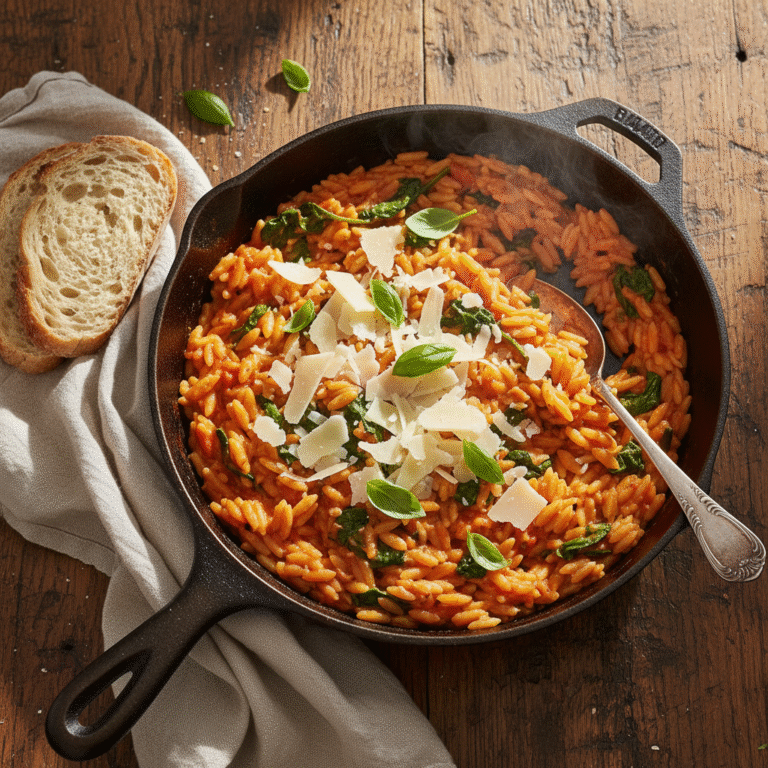
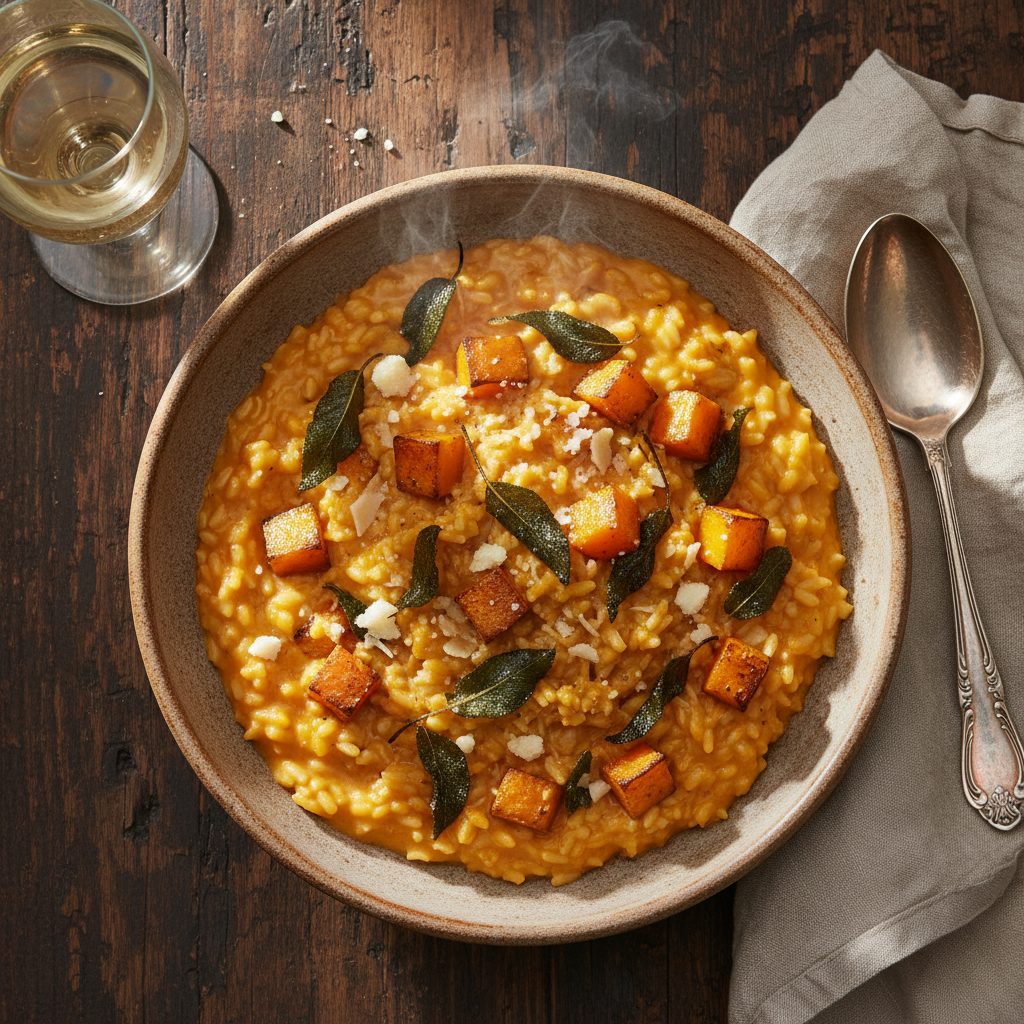
There is something undeniably magical about the transition into autumn. The air turns crisp, the leaves paint the landscape in hues of amber and gold, and our cravings shift towards warmth and comfort. Enter this Butternut Squash and Sage Risotto—a dish that encapsulates the very essence of the season. While traditional risotto is often laden with copious amounts of butter and cheese to achieve that signature creamy consistency, this ‘light’ version employs a brilliant culinary trick: using the natural starch and silkiness of roasted, pureed butternut squash to do the heavy lifting. The result is a vibrant, golden dish that feels indulgent but remains surprisingly wholesome.
The flavor profile is a sophisticated dance between sweet and savory. The butternut squash brings a gentle, nutty sweetness that pairs impeccably with the earthy, pine-like aroma of fresh sage. When cooked slowly with Arborio rice and a splash of dry white wine, these ingredients meld into a luxurious meal that warms you from the inside out. This recipe is designed for those who love the ritual of stirring risotto—a therapeutic process that demands patience and presence—but want a meal that fits into a balanced lifestyle. Whether you are hosting a dinner party and want to impress guests with a stunningly colorful main course, or simply curling up on the couch with a bowl of comfort, this risotto delivers on all fronts. It is rustic yet refined, healthy yet hearty, and absolutely bursting with the flavors of fall.
History & Origins
Risotto is one of the pillars of Northern Italian cuisine, specifically hailing from the regions of Lombardy and Piedmont, where the flat, humid Po Valley provides the ideal climate for cultivating short-grain rice varieties like Arborio, Carnaroli, and Vialone Nano. Rice was introduced to Italy and Spain by the Arabs in the Middle Ages, but it wasn’t until the Renaissance that rice cultivation truly flourished in Northern Italy. The method of cooking rice ‘risotto style’—slowly adding hot liquid and stirring to release starches—developed over centuries to create a dish that is distinctly Italian: creamy, yet with rice grains that retain a slight ‘al dente’ bite.
The incorporation of butternut squash, however, tells a story of global culinary exchange. Squash is a New World crop, native to the Americas, and was brought back to Europe by explorers in the late 15th and 16th centuries. Initially treated with suspicion or used merely as animal feed, squash eventually found its way into the Italian kitchen, particularly in the form of ‘zucca’ in ravioli and risottos. The pairing of pumpkin or squash with sage is a classic combination found in Mantuan cuisine (specifically *Tortelli di Zucca*). This recipe honors that historical evolution, marrying the ancient rice traditions of the Po Valley with the sweet, robust produce of the Americas to create a modern classic that transcends borders.
Why This Recipe Works
The genius of this recipe lies in its dual-texture approach to the butternut squash. Typically, risotto relies heavily on the starch from the rice and a significant amount of butter and Parmesan cheese (the *mantecatura* phase) to achieve creaminess. In this lighter version, we roast the squash until tender and then split it: half gets pureed into a silky smooth sauce, and the other half remains in cubes. The puree is stirred into the rice as it cooks, mimicking the mouthfeel of heavy cream or excess butter while adding a profound depth of squash flavor that permeates every grain of rice.
Furthermore, the technique of toasting the rice (tostatura) before adding liquid is crucial. It creates a protective shell around the grain, preventing it from turning into mush while ensuring it maintains that essential toothsome texture. The addition of fresh sage fried briefly in a touch of olive oil infuses the fat with aromatics before the cooking even begins, ensuring the herbal notes are woven throughout the dish rather than just sitting on top. Finally, using a high-quality vegetable broth keeps the dish lighter and cleaner than a heavy beef or chicken stock, allowing the delicate sweetness of the squash to shine through without competition.
Why You’ll Love This Recipe
- ✓Significantly lower in fat than traditional risotto recipes.
- ✓Uses natural vegetable puree for creaminess instead of heavy cream.
- ✓High in fiber and vitamins A and C thanks to the butternut squash.
- ✓Vegetarian and easily adaptable to be vegan.
- ✓Perfect balance of sweet squash and earthy sage flavors.
- ✓Elegant enough for dinner parties but simple enough for weeknights.
Equipment You’ll Need
- ✓Large heavy-bottomed pot or Dutch oven
- ✓Baking sheet
- ✓Blender or food processor
- ✓Wooden spoon
- ✓Chef’s knife
- ✓Ladle
- ✓Cutting board
Ingredients
- ✓1 medium butternut squash (approx. 2 lbs), peeled, seeded, and cubed
- ✓1 tablespoon extra virgin olive oil, divided
- ✓1 small yellow onion, finely chopped
- ✓2 cloves garlic, minced
- ✓1.5 cups Arborio rice
- ✓1/2 cup dry white wine (Sauvignon Blanc or Pinot Grigio)
- ✓5-6 cups low-sodium vegetable broth, kept warm
- ✓1 tablespoon fresh sage leaves, chopped (plus whole leaves for garnish)
- ✓1/4 cup grated Parmesan cheese (optional, omit for vegan)
- ✓Salt and freshly cracked black pepper to taste
- ✓Pinch of nutmeg (optional)
Instructions
- 1. Preheat your oven to 400°F (200°C). Toss the cubed butternut squash with half of the olive oil, salt, and pepper on a baking sheet. Roast for 25-30 minutes until tender and slightly caramelized.
- 2. While the squash roasts, heat the vegetable broth in a saucepan over low heat. It needs to be hot when added to the rice.
- 3. Once the squash is done, take half of the roasted cubes and place them in a blender with a splash of the hot broth. Blend until smooth and set aside. Keep the remaining cubes for later.
- 4. In a large heavy-bottomed pot, heat the remaining olive oil over medium heat. Add the chopped onion and sauté until translucent (about 3-4 minutes). Add the minced garlic and chopped sage, cooking for another minute until fragrant.
- 5. Add the Arborio rice to the pot. Toast the rice, stirring constantly, for about 2 minutes until the edges are translucent and the center is opaque pearly white.
- 6. Pour in the white wine and stir vigorously. Let it simmer until the liquid has almost completely evaporated and the alcohol smell has cooked off.
- 7. Begin adding the hot broth one ladle at a time. Stir frequently and wait until the liquid is almost absorbed before adding the next ladle. This process releases the starch.
- 8. About halfway through the cooking process (after approx. 10 minutes), stir in the butternut squash puree. This will instantly thicken the mixture and turn it a beautiful orange color.
- 9. Continue adding broth and stirring until the rice is tender but still has a slight bite (al dente). This usually takes 18-25 minutes total.
- 10. Remove the pot from heat. Gently fold in the reserved roasted squash cubes and the Parmesan cheese. Season with salt, pepper, and a pinch of nutmeg if desired.
- 11. Serve immediately, garnished with crispy sage leaves or a dusting of extra cheese.
Expert Cooking Tips
- ✓Never rinse your Arborio rice; you need that surface starch to achieve the creamy texture.
- ✓Keep your broth hot. Adding cold broth to the hot pan shocks the rice and disrupts the cooking process.
- ✓Stir often, but not constantly. You want to agitate the rice to release starch, but you don’t want to glue it into a paste.
- ✓If you run out of broth before the rice is cooked, you can use hot water to finish the dish.
- ✓Roasting the squash brings out more flavor than boiling it, so don’t skip the oven step.
- ✓Taste as you go, especially for salt, as the saltiness of vegetable broths can vary widely.
Substitutions and Variations
This recipe is highly versatile. If you cannot find Arborio rice, Carnaroli is actually considered superior by many chefs and makes an excellent substitute. In a pinch, sushi rice can work, though the texture will be slightly different; avoid long-grain rice like Basmati or Jasmine as they lack the necessary starch. For the squash, pumpkin or kabocha squash are fantastic alternatives that offer a similar sweetness and texture. If you want to make this strictly vegan, simply omit the Parmesan cheese or replace it with nutritional yeast or a vegan parmesan alternative. The white wine adds acidity to cut the richness, but if you are alcohol-free, you can substitute it with a squeeze of lemon juice mixed into a little extra broth. For herbs, if sage isn’t your favorite, fresh thyme or rosemary also pair beautifully with winter squash.
Common Mistakes to Avoid
The most common mistake when making risotto is impatience. Trying to rush the process by adding all the broth at once effectively boils the rice rather than cooking it risotto-style, resulting in a texture that is fluffy rather than creamy. Another error is overcooking the rice; it should not be mushy like porridge. It needs to retain structural integrity. Additionally, be careful with seasoning. If your broth is salty and you add Parmesan at the end, you can easily over-salt the dish. Always taste the rice before adding the final pinch of salt. Finally, don’t let the risotto sit in the pot too long after cooking. Risotto waits for no one; it continues to thicken and cook in its own heat, so it must be served immediately for the best texture.
Serving Suggestions
This Butternut Squash Risotto is a star on its own, but it pairs wonderfully with a crisp, acidic green salad (like arugula with lemon vinaigrette) to cut through the creaminess. For protein, it serves as an excellent bed for seared scallops, roasted chicken thighs, or even a simple grilled white fish. To elevate the presentation for a dinner party, fry whole sage leaves in a little butter or oil until crisp and place them on top. A drizzle of balsamic glaze or a sprinkle of toasted pine nuts or pumpkin seeds adds a delightful texture contrast and visual appeal. Serve with the same white wine you used in cooking—a Pinot Grigio or Sauvignon Blanc works perfectly.
Storage and Reheating Tips
Risotto is notoriously difficult to store because the rice continues to absorb moisture, often becoming gummy or dry the next day. However, leftovers can be stored in an airtight container in the refrigerator for up to 3 days. When reheating, do not just microwave it as is; add a splash of water or broth to the pan or bowl to help loosen the mixture and restore some creaminess. Alternatively, leftover cold risotto is the primary ingredient for Arancini (Italian fried rice balls). You can roll the cold risotto into balls, stuff a cube of mozzarella in the center, bread them, and fry them for a completely new and delicious meal.
Nutrition Facts (Estimated)
| Serving Size | 1.5 cups |
| Calories | 340 |
| Fat | 8g |
| Saturated Fat | 2g |
| Unsaturated Fat | 5g |
| Trans Fat | 0g |
| Cholesterol | 5mg |
| Sodium | 450mg |
| Carbohydrates | 62g |
| Fiber | 5g |
| Sugar | 6g |
| Protein | 8g |
Frequently Asked Questions
Can I make this recipe in an Instant Pot?
Yes, you can! Sauté the onions and rice using the Sauté function, add the wine, then add the broth and squash puree. Cook on High Pressure for 5-6 minutes, then do a quick release. Stir in the cheese and roasted cubes at the end. It won’t be quite as creamy as the stovetop method, but it is faster.
Do I really need to use wine?
The wine provides a critical acidity that balances the sweetness of the squash and the starchiness of the rice. However, if you cannot use alcohol, you can substitute it with a tablespoon of white wine vinegar or lemon juice mixed with broth.
Is this recipe gluten-free?
Yes, rice is naturally gluten-free. Just ensure your vegetable broth is certified gluten-free if you are cooking for someone with Celiac disease.
Can I use frozen butternut squash?
Absolutely. Frozen squash is a great time-saver. Roast it straight from frozen (it may take a few extra minutes) or thaw it before pureeing. The texture for the puree will be identical.
Why is my risotto crunchy?
If the rice is crunchy, it hasn’t cooked long enough or there wasn’t enough liquid. Add a bit more hot broth or water and keep cooking and stirring until the grain is tender.
Can I prep this ahead of time?
You can roast the squash and make the puree a day or two in advance. However, the risotto itself is best made fresh. Restaurants often par-cook risotto halfway and spread it on a sheet pan to cool, then finish it with broth to order, but for home cooks, fresh is best.
What other vegetables can I add?
Spinach or kale can be stirred in at the very end for some greenery. Peas are also a classic addition to risotto and add a nice pop of sweetness.
Is this recipe kid-friendly?
Generally, yes! The sweetness of the squash appeals to children. The texture is soft and easy to eat. You can reduce the amount of sage or onion if your children are sensitive to those flavors.
Conclusion
This Butternut Squash and Sage Risotto is more than just a recipe; it’s a celebration of seasonal eating that doesn’t weigh you down. By cleverly utilizing the squash itself to create a luscious, creamy texture, you get all the comfort of a traditional Italian risotto with a lighter, nutrient-dense profile. It’s a dish that invites you to slow down, enjoy the process of cooking, and savor the rich, warming flavors of autumn. Whether you are a seasoned chef or a home cook looking to try something new, this risotto is sure to become a staple in your fall rotation. Grab a spoon, pour a glass of wine, and enjoy every bite.