Skinny Caprese Casserole: The Ultimate Zucchini Tomato And Mozzarella Bake Light Recipe
Zucchini Tomato And Mozzarella Bake Light Recipe
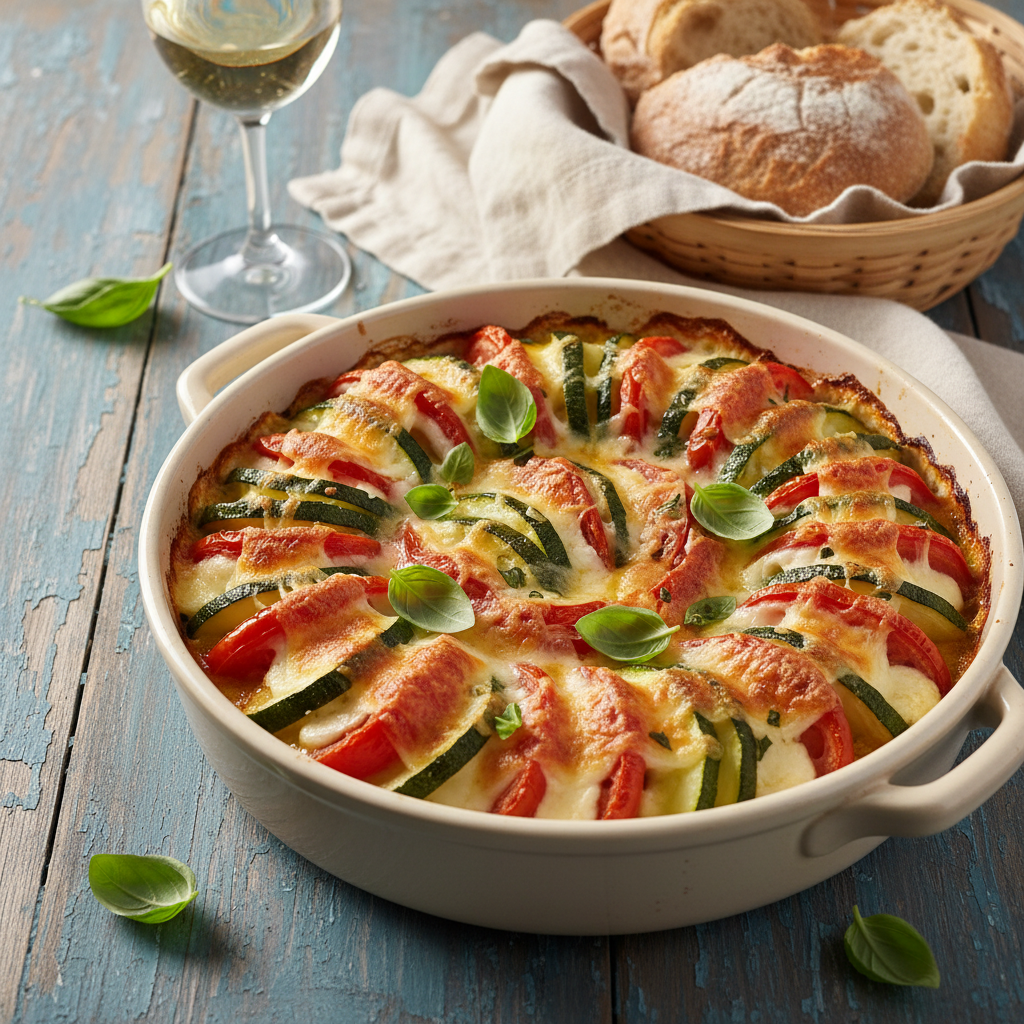
Capture the essence of summer with this vibrant Zucchini Tomato and Mozzarella Bake. This light, low-carb casserole layers fresh garden vegetables with melted cheese and aromatic herbs for a guilt-free dinner that tastes like a cheat meal.
20 minutes
35 minutes
55 minutes
6 servings
Dinner
Baking
Italian-American
Gluten-Free
As the warmer months roll in and garden beds begin to overflow with green bounties, there is one culinary question that plagues home cooks everywhere: what do we do with all this zucchini? Enter the Zucchini Tomato and Mozzarella Bake—a dish that is as elegant as it is effortless. This recipe is a celebration of simplicity, relying on the natural sweetness of vine-ripened tomatoes and the mild, earthy crunch of zucchini, all brought together by the creamy, salty embrace of mozzarella cheese. Unlike heavier casseroles laden with cream sauces or breadcrumbs, this ‘light’ version focuses on preserving the integrity of the vegetables. It is a deconstructed gratin that leans heavily into the flavor profile of a classic Caprese salad but transforms it into a warm, comforting main course or side dish.
The magic of this dish lies in its versatility and its ability to satisfy a craving for comfort food without the heavy calorie count. By using high-quality olive oil, fresh garlic, and a generous scattering of herbs like basil and oregano, we create a depth of flavor that feels indulgent. It is the perfect solution for a meatless Monday, a keto-friendly lunch, or a stunning side dish to accompany grilled chicken or fish. As the cheese bubbles and browns in the oven, filling the kitchen with the scent of roasted garlic and herbs, you’ll understand why this simple bake has become a staple in health-conscious kitchens. It’s not just a way to use up produce; it’s a way to honor it.
History & Origins
While the specific combination of zucchini, tomato, and mozzarella in a baked casserole is a relatively modern staple of American home cooking, its roots are deeply embedded in the culinary traditions of the Mediterranean. The concept of layering vegetables and baking them—often referred to as a ‘tian’ in Provence or a ‘teglia’ in Italy—has been a method of preparing seasonal produce for centuries. The dish draws heavily from the Italian ‘Melanzane alla Parmigiana’ (Eggplant Parmesan), but swaps the heavier, often fried eggplant for the lighter, quicker-cooking zucchini.
Historically, the ingredients themselves tell a story of global trade and agricultural evolution. Zucchini, a variety of summer squash, was developed in Italy in the late 19th century from squash varieties brought back from the Americas. Similarly, tomatoes are a New World fruit that was initially viewed with suspicion in Europe before becoming the cornerstone of Italian cuisine. Mozzarella, specifically the water buffalo variety from Campania, dates back to medieval times. The convergence of these ingredients in a baked format likely gained popularity in the United States during the mid-20th century, coinciding with the rise of suburban gardening and an increased interest in Italian-American cuisine. Over the decades, as health trends shifted towards low-carb and gluten-free diets, this specific ‘light’ iteration—omitting heavy breading or béchamel sauces—has solidified its place as a modern classic, bridging the gap between Old World peasant food and contemporary wellness eating.
Why This Recipe Works
This recipe succeeds where many vegetable bakes fail because it specifically addresses the high water content of the ingredients. Zucchini and tomatoes are notorious for releasing liquid when cooked, which can often result in a soggy, unappetizing mess. This ‘Why This Works’ strategy begins with the preparation: by salting the zucchini slices beforehand and allowing them to ‘sweat,’ we draw out excess moisture before the baking even begins. This crucial step ensures that the vegetables roast and caramelize rather than steam in their own juices.
Furthermore, the layering technique is designed for maximum flavor distribution. Rather than tossing everything together, arranging the vegetables in alternating shingles ensures that every bite contains a perfect ratio of tomato acidity, zucchini texture, and cheesy richness. The use of high heat is another critical factor; baking at 400°F (200°C) encourages the Maillard reaction, browning the cheese and the edges of the vegetables to create a complex, savory flavor profile that low-and-slow cooking simply cannot achieve. Finally, the finishing touch of fresh herbs added after baking preserves their delicate oils and aromatics, providing a fresh, bright contrast to the hot, savory cheese. It is a recipe engineered for texture, flavor balance, and visual appeal.
Why You’ll Love This Recipe
- ✓Low-carb and Keto-friendly, perfect for specific dietary needs.
- ✓Uses fresh, seasonal ingredients for maximum flavor.
- ✓Requires minimal prep time and simple clean-up.
- ✓Naturally gluten-free without requiring special substitutes.
- ✓Versatile enough to be a main course or a side dish.
- ✓Visually stunning presentation suitable for dinner parties.
Equipment You’ll Need
- ✓9×13 inch Baking Dish or Casserole Dish
- ✓Chef’s Knife
- ✓Cutting Board
- ✓Colander or Wire Rack
- ✓Paper Towels
- ✓Small Mixing Bowl
- ✓Pastry Brush
Ingredients
- ✓3 medium zucchinis, sliced into 1/4 inch rounds
- ✓4 large Roma tomatoes, sliced into 1/4 inch rounds
- ✓8 oz fresh mozzarella cheese, sliced or torn
- ✓1/4 cup grated Parmesan cheese
- ✓3 tablespoons extra virgin olive oil
- ✓2 cloves garlic, minced
- ✓1 teaspoon dried oregano
- ✓1/2 teaspoon dried thyme
- ✓1/2 teaspoon sea salt (plus more for sweating zucchini)
- ✓1/4 teaspoon freshly cracked black pepper
- ✓1/4 cup fresh basil leaves, torn (for garnish)
Instructions
- Preheat your oven to 400°F (200°C). Grease a 9×13 inch baking dish lightly with olive oil or cooking spray.
- Place the sliced zucchini in a colander or on a wire rack set over a baking sheet. Sprinkle generously with salt and let them sit for 15-20 minutes to draw out excess moisture.
- While the zucchini is sweating, combine the olive oil, minced garlic, dried oregano, dried thyme, 1/2 teaspoon salt, and black pepper in a small bowl. Whisk to combine.
- After 20 minutes, pat the zucchini slices dry with paper towels. Press down gently to absorb as much water as possible.
- Arrange the vegetables in the baking dish. You can either layer them flat or, for a more impressive presentation, arrange the zucchini and tomato slices in an alternating shingled pattern (standing up slightly) in rows.
- Brush the seasoned olive oil mixture evenly over the vegetables, ensuring the garlic and herbs are well distributed.
- Bake in the preheated oven for 20 minutes, or until the vegetables are tender but not mushy.
- Remove the dish from the oven and evenly distribute the fresh mozzarella slices and grated Parmesan cheese over the top.
- Return the dish to the oven and bake for another 10-15 minutes, or until the cheese is melted and bubbly. For a golden-brown top, broil for the last 2-3 minutes, watching closely to prevent burning.
- Remove from the oven and let it rest for 5-10 minutes. This allows the juices to settle.
- Garnish with fresh torn basil leaves just before serving.
Expert Cooking Tips
- ✓Choose zucchinis that are firm and small to medium in size; giant zucchinis tend to be watery and have large seeds.
- ✓Do not skip the sweating step! Removing water from the zucchini is the single most important step for a non-soggy casserole.
- ✓Use Roma or plum tomatoes as they have a lower water content and hold their shape better during baking than beefsteak tomatoes.
- ✓If you want extra flavor, try roasting the garlic cloves before mincing them into the oil.
- ✓Grate your own Parmesan cheese for better melting qualities compared to pre-packaged varieties.
- ✓Letting the dish rest after baking is crucial; if you cut into it immediately, the liquids will run out.
- ✓For a crunchier texture, you can sprinkle a small amount of almond flour or crushed pork rinds on top before baking.
Substitutions and Variations
This recipe is incredibly flexible and can be adapted to suit whatever is in your pantry or garden. If zucchini is unavailable, yellow summer squash is a perfect 1:1 substitution with a very similar texture and flavor profile. Eggplant can also be used, though it may require a slightly longer sweating time to remove bitterness. For the tomatoes, while Roma are preferred, you can use Campari tomatoes or even sliced cherry tomatoes scattered on top if you are in a pinch. Regarding the cheese, if fresh mozzarella is too expensive or hard to find, low-moisture shredded mozzarella works fine, though it will be stringier. Provolone or a mild white cheddar can also provide a delicious melt. For a dairy-free or vegan version, substitute the cheeses with high-quality vegan mozzarella shreds and use nutritional yeast instead of Parmesan. Finally, the herbs are entirely customizable; feel free to swap the dried oregano and thyme for an Italian seasoning blend or fresh chopped rosemary.
Common Mistakes to Avoid
The most common mistake with this dish is underestimating the water content of the vegetables. Skipping the sweating process for the zucchini will almost guarantee a watery soup at the bottom of your casserole dish. Another frequent error is slicing the vegetables too thinly or unevenly. If the slices are paper-thin, they will disintegrate into mush before the cheese has a chance to brown; aim for a uniform 1/4 inch thickness. Overcrowding the pan can also be an issue—if the vegetables are packed too tightly, they will steam instead of roast. Additionally, adding the fresh basil before baking is a mistake, as the delicate leaves will turn black and bitter in the high heat; always add soft herbs like basil, parsley, or cilantro after the dish comes out of the oven. Lastly, be careful with the salt. Remember that Parmesan cheese is naturally salty, so taste your seasoning oil before brushing it on.
Serving Suggestions
This Zucchini Tomato and Mozzarella Bake is a chameleon on the dinner table. For a light, low-carb lunch, serve a generous square of the bake alongside a crisp arugula salad dressed with lemon vinaigrette. If you are serving this as a main course for dinner, it pairs beautifully with a protein like grilled lemon-herb chicken breast, seared salmon, or a flank steak. It also makes a fantastic side dish for pasta nights; try serving it next to a simple spaghetti aglio e olio or a classic marinara to add a vegetable boost. For a rustic Italian feast, serve it with crusty garlic bread or focaccia to sop up the delicious herbed juices at the bottom of the pan. A glass of crisp Pinot Grigio or a light Chianti complements the acidity of the tomatoes and the richness of the cheese perfectly.
Storage and Reheating Tips
Leftovers of this bake can be quite delicious, though the texture will soften upon reheating. Store any leftovers in an airtight container in the refrigerator for up to 3-4 days. It is not recommended to freeze this dish, as the zucchini and tomatoes will release significant moisture upon thawing, ruining the texture. To reheat, it is best to use the oven or a toaster oven set to 350°F (175°C) for about 10-15 minutes until heated through. This helps to re-crisp the cheese and evaporate some of the moisture. If you must use a microwave, heat in short 30-second bursts, but be aware that the result will be softer and potentially more watery. If you find the leftovers have released liquid in the fridge, simply drain it off before reheating.
Nutrition Facts (Estimated)
| Serving Size | 1 cup |
| Calories | 180 |
| Fat | 12g |
| Saturated Fat | 5g |
| Unsaturated Fat | 6g |
| Trans Fat | 0g |
| Cholesterol | 25mg |
| Sodium | 320mg |
| Carbohydrates | 8g |
| Fiber | 2g |
| Sugar | 4g |
| Protein | 10g |
Frequently Asked Questions
Can I make this recipe ahead of time?
Yes, you can assemble the casserole up to the point of baking (after sweating the zucchini and arranging the veggies) and store it in the fridge for up to 24 hours. Add the cheese just before baking.
Why is my casserole watery?
This usually happens if the zucchini wasn’t sweated properly or if the vegetables were sliced too thick and didn’t cook through enough to evaporate the moisture. Ensure you salt and drain the zucchini for at least 20 minutes.
Do I have to peel the zucchini?
No, the skin of the zucchini is thin, edible, and packed with nutrients. It also helps the slices hold their shape during baking. Just wash them thoroughly before slicing.
Can I add meat to this dish?
Absolutely. Cooked crumbled sausage, diced ham, or shredded rotisserie chicken can be tucked between the vegetable layers for a heartier, protein-packed meal.
Is this recipe keto-friendly?
Yes, this recipe is naturally low in carbohydrates and high in healthy fats and proteins, making it excellent for Keto and low-carb diets.
What is the best type of mozzarella to use?
Fresh mozzarella balls (packed in water) offer the best milky flavor and texture, but low-moisture part-skim mozzarella is also a great option if you want a stretchier, firmer cheese topping.
Can I use yellow squash instead of zucchini?
Yes, yellow squash behaves almost identically to zucchini in baking and can be used as a direct substitute or mixed in for color.
How do I know when it is done?
The dish is done when the vegetables are fork-tender (but not falling apart) and the cheese on top is melted, bubbly, and starting to brown in spots.
Conclusion
The Zucchini Tomato and Mozzarella Bake is more than just a way to use up summer produce; it is a testament to the idea that healthy eating doesn’t have to be complicated or flavorless. By respecting the ingredients and using simple techniques to enhance them, you can create a meal that feels special enough for guests but is easy enough for a busy weeknight. Whether you are a seasoned gardener with a surplus of squash or just someone looking for a lighter, comforting dinner option, this recipe is sure to earn a permanent spot in your rotation. Gather your ingredients, preheat your oven, and get ready to enjoy the vibrant, fresh flavors of the Mediterranean right in your own kitchen.