The Ultimate Roasted Acorn Squash with Quinoa and Vegetable Stuffing
Quinoa And Vegetable Stuffed Acorn Squash Recipe
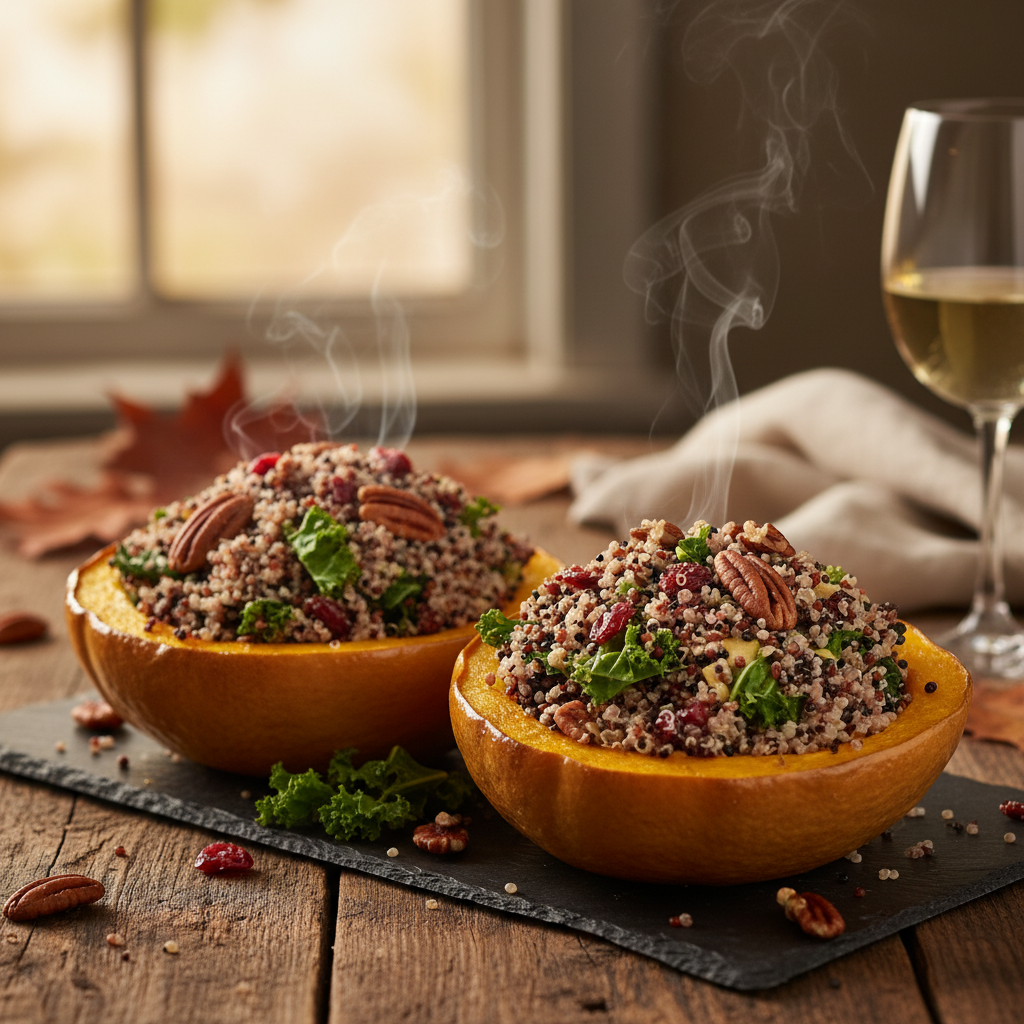
Embrace the cozy flavors of autumn with this vibrant Quinoa and Vegetable Stuffed Acorn Squash. Perfectly roasted squash halves act as edible bowls for a savory, nutrient-packed filling of fluffy quinoa, cranberries, pecans, and kale, making it a stunning centerpiece for any holiday table or a hearty weeknight dinner.
20 minutes
45 minutes
1 hour 5 minutes
4 servings
Main Course
Roasting
American / Fusion
Vegan
As the leaves begin to turn and the air grows crisp, there is nothing quite as comforting as the aroma of roasting winter squash filling the kitchen. This Quinoa and Vegetable Stuffed Acorn Squash recipe is a celebration of the season’s bounty, bringing together the earthy sweetness of acorn squash with a robust, savory filling that satisfies both the palate and the soul. While many stuffed squash recipes rely on heavy meats or cheeses, this plant-forward version proves that vegetables and grains can steal the show. The natural, nutty flavor of the acorn squash is enhanced by roasting it to tender perfection, creating a caramelized vessel that pairs beautifully with the fluffy, protein-rich quinoa.
What makes this dish truly special is the interplay of textures and flavors. We incorporate dried cranberries for a tart pop of sweetness that cuts through the richness, toasted pecans for a satisfying crunch, and fresh kale for an earthy, green balance. It is a dish that looks incredibly sophisticated—worthy of a Thanksgiving spread—but is deceptively simple to prepare for a wholesome weeknight meal. Whether you are a dedicated vegan, a vegetarian, or an omnivore looking to incorporate more plant-based meals into your diet, this recipe offers a complete nutritional profile without sacrificing an ounce of flavor. It is warm, inviting, and undeniably delicious, capturing the very essence of fall comfort food in every bite.
History & Origins
The culinary history of squash is deeply rooted in the Americas, dating back thousands of years. Acorn squash, a variety of winter squash (Cucurbita pepo), was one of the first crops domesticated by Native Americans, long before the arrival of European settlers. It was often grown alongside corn and beans in the famous ‘Three Sisters’ agricultural method, where the three plants supported each other’s growth. The squash provided ground cover to retain moisture and prevent weeds, while the corn offered a stalk for the beans to climb. This symbiotic relationship was not just agricultural but also nutritional, providing a balanced diet that sustained civilizations for centuries.
Stuffed vegetables, or ‘dolma’ in Middle Eastern traditions or ‘farcis’ in French cuisine, have been a staple method of preparation across the globe for eons. The concept of using a vegetable as a vessel for grains and meats is a practical and elegant way to stretch ingredients and enhance flavors. In this modern iteration, we introduce quinoa, a grain that originated in the Andean region of South America. Known as the ‘mother grain’ by the Incas, quinoa was a sacred crop. By combining the North American acorn squash with the South American quinoa, this recipe represents a fusion of ancient indigenous staples, brought together in a contemporary kitchen to create a dish that honors the rich agricultural heritage of the Americas while catering to modern tastes for nutrient-dense, whole-food cooking.
Why This Recipe Works
This recipe succeeds because it meticulously balances the five basic tastes—sweet, salty, sour, bitter, and umami—while also paying close attention to texture. Acorn squash can sometimes be bland if simply steamed, but roasting it at a high temperature caramelizes its natural sugars, intensifying its flavor and creating a tender, creamy texture that melts in your mouth. By brushing the cut sides with a little maple syrup and olive oil before roasting, we ensure a golden-brown finish that is visually appealing and deeply flavorful.
The filling is designed to contrast with the soft squash. Quinoa acts as a neutral, fluffy canvas that absorbs the dressing, which is brightened with apple cider vinegar and Dijon mustard. This acidity is crucial; it cuts through the density of the squash and the earthiness of the kale. The addition of dried cranberries provides a chewy sweetness that mimics the roasted squash but with a tart edge, preventing the dish from becoming one-note. Meanwhile, the toasted pecans add a necessary crunch that prevents ‘palate fatigue’ from too many soft textures. Finally, sautéing the aromatics (onions, celery, and garlic) before mixing them with the cooked quinoa builds a savory foundation (sofrito) that permeates every forkful. The result is a cohesive dish where every ingredient serves a specific purpose.
Why You’ll Love This Recipe
- ✓Packed with plant-based protein and fiber for a filling meal.
- ✓Beautiful presentation perfect for holiday tables.
- ✓Naturally gluten-free and vegan-friendly.
- ✓Balanced sweet and savory flavor profile.
- ✓Great for meal prep as it reheats beautifully.
Equipment You’ll Need
- ✓Large rimmed baking sheet
- ✓Chef’s knife
- ✓Cutting board
- ✓Medium saucepan with lid
- ✓Skillet or sauté pan
- ✓Mixing bowl
- ✓Measuring cups and spoons
Ingredients
- ✓2 medium acorn squash, halved lengthwise and seeds removed
- ✓2 tablespoons olive oil, divided
- ✓1 tablespoon maple syrup
- ✓Salt and freshly ground black pepper, to taste
- ✓3/4 cup uncooked quinoa, rinsed well
- ✓1 1/2 cups vegetable broth
- ✓1 small yellow onion, diced
- ✓2 stalks celery, diced
- ✓2 cloves garlic, minced
- ✓1/2 teaspoon dried thyme
- ✓1/2 teaspoon dried sage
- ✓2 cups kale, stems removed and chopped
- ✓1/3 cup dried cranberries
- ✓1/3 cup pecans, chopped and toasted
- ✓1 tablespoon apple cider vinegar
- ✓Pinch of cinnamon (optional)
Instructions
- Preheat your oven to 400°F (200°C). Line a large rimmed baking sheet with parchment paper for easy cleanup.
- Prepare the squash: Using a sharp chef’s knife, carefully cut the acorn squash in half lengthwise from stem to tip. Use a spoon to scoop out the seeds and stringy bits (save seeds for roasting if desired).
- Drizzle the cut sides of the squash with 1 tablespoon of olive oil and the maple syrup. Season generously with salt and black pepper. Place the squash halves cut-side down on the prepared baking sheet. Roasting them face down helps steam the inside, keeping it moist.
- Roast the squash for 30-40 minutes, or until the flesh is fork-tender and the edges are beginning to caramelize.
- While the squash roasts, cook the quinoa. In a medium saucepan, combine the rinsed quinoa and vegetable broth. Bring to a boil over high heat, then reduce the heat to low, cover, and simmer for 15 minutes or until the liquid is absorbed and the quinoa is fluffy. Remove from heat and fluff with a fork.
- In a large skillet, heat the remaining 1 tablespoon of olive oil over medium heat. Add the diced onion and celery. Sauté for 5-7 minutes until softened and translucent.
- Add the minced garlic, dried thyme, and sage to the skillet. Cook for another minute until fragrant, being careful not to burn the garlic.
- Stir in the chopped kale and cook for 2-3 minutes until just wilted. Season the vegetable mixture with a pinch of salt and pepper.
- In a large mixing bowl, combine the cooked quinoa, the sautéed vegetable mixture, dried cranberries, toasted pecans, and apple cider vinegar. Toss gently to combine. Taste and adjust seasoning, adding more salt or a pinch of cinnamon if desired.
- Once the squash is tender, remove it from the oven and carefully flip the halves over. Fill each cavity generously with the quinoa mixture, piling it high.
- Return the stuffed squash to the oven and bake for another 10-15 minutes, until the filling is heated through and slightly crispy on top.
- Remove from oven, garnish with fresh parsley or extra pecans if desired, and serve warm.
Expert Cooking Tips
- ✓Rinse your quinoa thoroughly before cooking to remove saponin, a natural coating that can make the grain taste bitter.
- ✓To stabilize the squash on the baking sheet, you can slice a tiny strip of skin off the bottom of each half so they sit flat.
- ✓Toast your pecans in a dry pan for 2-3 minutes before adding them to the filling; this releases their essential oils and amplifies the flavor.
- ✓Don’t overcook the quinoa; it will cook slightly more when baked inside the squash.
- ✓If your squash is very large, you may need to increase the initial roasting time by 5-10 minutes.
- ✓Use a high-quality vegetable broth for the quinoa, as this is the primary source of savory flavor for the grain.
Substitutions and Variations
This recipe is incredibly versatile and forgiving, allowing for numerous substitutions based on dietary needs or pantry availability. If you don’t have quinoa, you can easily swap it for brown rice, farro, barley, or even couscous, though note that barley and farro contain gluten. For a lower-carb option, cauliflower rice works surprisingly well, though you should reduce the cooking time to prevent mushiness. If acorn squash isn’t available, this filling works beautifully with butternut squash, delicata squash, or even hollowed-out bell peppers. For the nuts, walnuts or pumpkin seeds (pepitas) are excellent alternatives to pecans, especially if you have a nut allergy—seeds add a similar crunch without the allergen risk. The dried cranberries can be replaced with dried cherries, chopped dried apricots, or raisins for a different fruity note. Lastly, if you are not strictly vegan, you can crumble in some feta cheese or goat cheese before the final bake for a creamy, tangy element, or add cooked sausage or pancetta to the filling for a meatier version.
Common Mistakes to Avoid
One of the most common mistakes is undercooking the squash during the first roast. If the squash isn’t tender before you stuff it, the filling will dry out before the squash finishes cooking in the second round. Always test with a fork; it should slide in easily with no resistance. Another pitfall is skipping the rinsing of the quinoa, which can lead to a soapy, bitter aftertaste that ruins the dish. Be careful not to over-season the filling if your vegetable broth is high in sodium; taste the quinoa mixture before adding extra salt. Additionally, don’t be afraid of the fat; brushing the squash with enough oil is essential for caramelization. If you use too little, the squash may dry out and become leathery rather than soft and sweet. Finally, ensure you chop your vegetables (onions, celery, kale) into small, uniform pieces so they distribute evenly throughout the grain mixture, ensuring a balanced bite every time.
Serving Suggestions
This Quinoa and Vegetable Stuffed Acorn Squash is hearty enough to stand alone as a main course, but it also pairs wonderfully with a variety of sides. For a light lunch or dinner, serve it alongside a crisp mixed green salad with a lemon vinaigrette to cut through the sweetness of the squash. If you are serving this as part of a larger holiday feast, it complements roasted turkey or glazed ham perfectly. A side of garlic mashed potatoes or roasted Brussels sprouts would also harmonize well with the fall flavors. For a festive touch, drizzle a balsamic glaze reduction over the finished dish just before serving, or add a dollop of dairy-free yogurt or sour cream for a cool contrast to the warm filling. A glass of Chardonnay or a light Pinot Noir makes for an excellent wine pairing.
Storage and Reheating Tips
Leftover stuffed squash stores remarkably well, making it a great candidate for meal prepping. Allow the squash to cool completely to room temperature before transferring it to an airtight container. It can be stored in the refrigerator for up to 4 days. To reheat, place the squash on a baking sheet and warm it in a 350°F oven for 15-20 minutes until heated through; this helps maintain the texture better than microwaving. However, for a quick lunch, microwaving on high for 2-3 minutes works fine. This dish also freezes well. You can freeze the roasted, stuffed halves individually wrapped in plastic wrap and foil for up to 2 months. Thaw overnight in the refrigerator before reheating in the oven. If you have leftover filling but no squash, the quinoa mixture freezes perfectly on its own and makes a great quick side dish.
Nutrition Facts (Estimated)
| Serving Size | 1 Stuffed Half |
| Calories | 385 |
| Fat | 14g |
| Saturated Fat | 2g |
| Unsaturated Fat | 11g |
| Trans Fat | 0g |
| Cholesterol | 0mg |
| Sodium | 250mg |
| Carbohydrates | 58g |
| Fiber | 9g |
| Sugar | 14g |
| Protein | 10g |
Frequently Asked Questions
Can I make the filling ahead of time?
Absolutely! You can prepare the quinoa and vegetable filling up to 2 days in advance. Store it in an airtight container in the fridge. When you are ready to eat, simply roast the squash, stuff it with the cold filling, and bake as directed, perhaps adding 5 extra minutes to the final bake time to ensure the center is hot.
Do I have to peel the acorn squash?
No, peeling is not necessary. The skin of acorn squash is technically edible when roasted long enough, though it can be a bit tough. Most people eat the filling and the flesh out of the skin like a bowl. The skin helps hold the shape of the squash while baking.
Is this recipe gluten-free?
Yes, this recipe is naturally gluten-free as long as you use certified gluten-free quinoa and ensure your vegetable broth and spices do not contain hidden gluten additives.
Can I use frozen kale instead of fresh?
Yes, frozen kale works well. Thaw it first and squeeze out as much excess water as possible before adding it to the skillet so you don’t make the filling soggy.
How do I know when the squash is done?
The squash is done when the flesh is easily pierced with a fork and is soft all the way through. The edges should also be slightly browned and caramelized.
Can I add meat to this recipe?
Certainly. Browned turkey sausage, ground beef, or diced chicken can be mixed into the filling for added protein. Cook the meat separately and fold it into the quinoa mixture before stuffing.
What if I don’t have vegetable broth?
You can use chicken broth if you aren’t vegetarian, or simply water seasoned with extra salt, herbs, and perhaps a bouillon cube to make up for the lost flavor.
Can I use instant quinoa?
Yes, instant or quick-cooking quinoa is fine. Just follow the package instructions for the liquid-to-grain ratio and cooking time, then proceed with the recipe as written.
Conclusion
This Quinoa and Vegetable Stuffed Acorn Squash is more than just a recipe; it is a comforting embrace of the autumn season on a plate. With its vibrant colors, rich textures, and wholesome ingredients, it proves that healthy eating doesn’t have to be complicated or flavorless. Whether you are preparing a special holiday dinner or simply looking for a nutritious meal to warm up a chilly evening, this dish delivers on all fronts. The combination of sweet roasted squash, savory herbs, and nutty quinoa creates a symphony of flavors that is sure to become a seasonal favorite in your household. Give it a try, and enjoy the delicious benefits of eating with the season!