Creamy Vegan Lentil and Sweet Potato Curry: A Healthy One-Pot Wonder
Vegan Lentil And Sweet Potato Curry Healthy Recipe
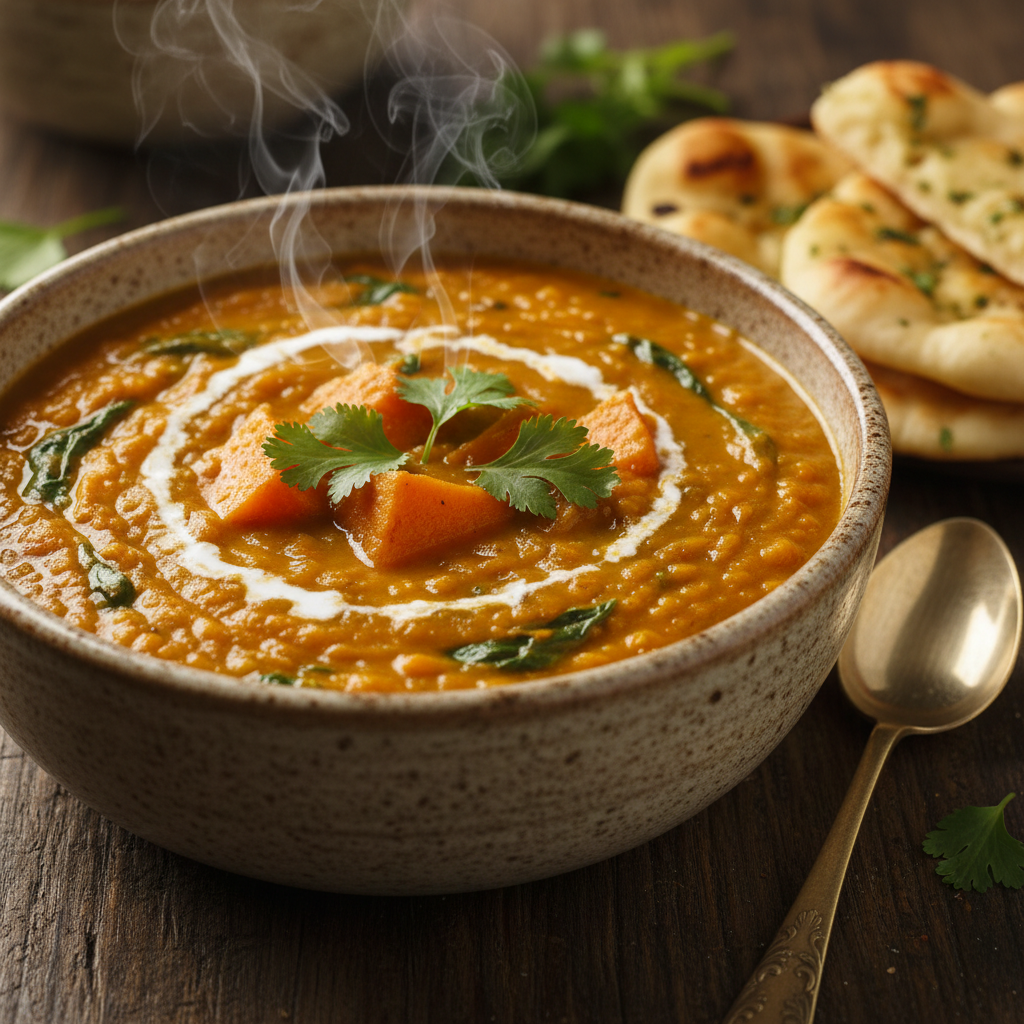
This vibrant Vegan Lentil and Sweet Potato Curry is the ultimate comfort food, blending creamy coconut milk with hearty red lentils and tender sweet potatoes. Ready in under 45 minutes, it is a protein-packed, gluten-free dinner that delivers bold flavors and wholesome nutrition in every spoonful.
15 minutes
30 minutes
45 minutes
4-6 servings
Main Course
Stovetop
Fusion / Indian-Inspired
Vegan
There are few dishes as universally comforting as a warm, fragrant bowl of curry. This Vegan Lentil and Sweet Potato Curry is more than just a meal; it is a warm embrace on a chilly evening and a vibrant celebration of plant-based eating. At its core, this recipe is a masterclass in texture and flavor balance. We combine the earthy, rapid-cooking nature of red lentils with the natural, sugary notes of orange-fleshed sweet potatoes. As they simmer together in a bath of rich coconut milk and aromatic spices, a magical transformation occurs. The lentils break down to create a naturally thick, velvety sauce, while the sweet potatoes hold their shape, offering tender, melt-in-your-mouth bites that contrast perfectly with the savory gravy.
What makes this dish a staple in my kitchen is its incredible versatility and nutritional profile. It is a powerhouse of fiber, plant-based protein, and essential vitamins, yet it tastes like an indulgence. The spices—turmeric, cumin, coriander, and a high-quality curry powder—bloom in the oil to release deep, complex flavors that permeate every ingredient. Whether you are a lifelong vegan, a flexitarian looking to reduce meat consumption, or simply someone who loves bold flavors, this curry satisfies all cravings. It is robust enough to stand alone but pairs beautifully with fluffy basmati rice or warm, charred naan bread to sop up every drop of the golden sauce. Plus, the leftovers are arguably even better the next day, making it a meal prep champion for busy weeks. Get ready to fill your kitchen with the intoxicating aroma of ginger, garlic, and spices, and prepare to fall in love with healthy eating all over again.
History & Origins
The concept of ‘curry’ is a complex tapestry woven through centuries of trade, colonization, and cultural exchange. While the word itself is often attributed to the British Anglicization of the Tamil word ‘kari’ (meaning sauce or relish for rice), the roots of spiced legume dishes go back thousands of years in the Indian subcontinent. Dal, or dried pulses like lentils, has been a dietary staple in India since the Indus Valley Civilization, revered for its ability to sustain populations with affordable, high-quality protein. The specific use of red lentils, or Masoor Dal, is cherished for its quick cooking time and ability to thicken gravies without added starches.
The sweet potato, however, tells a different story. Native to the Americas, specifically Central and South America, sweet potatoes were cultivated for over 5,000 years before being introduced to the rest of the world by Spanish and Portuguese explorers in the 15th and 16th centuries. They quickly found a home in Asian and African cuisines due to their hardiness and nutritional density. The marriage of these two ingredients—Indian lentils and New World sweet potatoes—is a relatively modern phenomenon, popularized by the global rise of vegan and fusion cuisines in the late 20th and early 21st centuries. This specific iteration reflects a modern, globalized palate that values the ancient wisdom of Ayurveda (using warming spices for digestion) while embracing ingredients available in Western supermarkets. It represents a culinary bridge, blending the traditional techniques of tempering spices (tadka) with the comforting, sweet profile of root vegetables beloved in the West.
Why This Recipe Works
This recipe succeeds because it leverages the specific chemical and physical properties of its ingredients to create a harmonious final dish without the need for complex techniques or artificial thickeners. First, the choice of red lentils is deliberate. Unlike brown or green lentils, which retain their shape and distinct skin after cooking, red lentils are hulled and split. This means that as they simmer, they disintegrate into the liquid. This natural breakdown releases starch, which emulsifies with the coconut milk and vegetable broth to create a rich, creamy, and thick gravy automatically. You don’t need a roux or cornstarch slurry; the lentils do the work for you.
Secondly, the flavor profile is built on the principle of contrasting tastes. The sweet potatoes provide a high natural sugar content, which can be cloying if not balanced. We counter this sweetness with the savory depth of onions and garlic, the earthiness of cumin and turmeric, and, most importantly, the acidity of tomatoes and a finishing splash of lime juice. The acid cuts through the richness of the coconut milk and the sweetness of the potatoes, brightening the entire dish. Finally, the technique of ‘blooming’ the spices in hot oil at the beginning is crucial. Many home cooks throw raw spices into a liquid, but oil-soluble flavor compounds in spices like turmeric and cumin need heat to be released. By sautéing them with the aromatics first, we ensure a depth of flavor that permeates the entire pot, resulting in a curry that tastes like it has been simmering for hours, even though it is ready in under forty-five minutes.
Why You’ll Love This Recipe
- ✓High in plant-based protein and fiber
- ✓Naturally gluten-free and vegan
- ✓Ready in under 45 minutes
- ✓Budget-friendly pantry staples
- ✓Freezes beautifully for meal prep
- ✓Kid-friendly sweetness from potatoes
Equipment You’ll Need
- ✓Large Dutch oven or heavy-bottomed pot
- ✓Chef’s knife
- ✓Cutting board
- ✓Wooden spoon or spatula
- ✓Measuring cups and spoons
- ✓Can opener
Ingredients
- ✓1 tbsp coconut oil or olive oil
- ✓1 large yellow onion, diced
- ✓3 cloves garlic, minced
- ✓1 tbsp fresh ginger, grated
- ✓2 large sweet potatoes, peeled and cubed (approx. 1 inch)
- ✓1 cup dried red lentils, rinsed thoroughly
- ✓2 tbsp mild curry powder
- ✓1 tsp ground turmeric
- ✓1 tsp ground cumin
- ✓1/2 tsp cayenne pepper (optional for heat)
- ✓1 can (14 oz) full-fat coconut milk
- ✓3 cups vegetable broth (low sodium)
- ✓1 can (14 oz) crushed tomatoes or tomato puree
- ✓3 cups fresh baby spinach or chopped kale
- ✓1 lime, juiced
- ✓Salt and black pepper to taste
- ✓Fresh cilantro for garnish
Instructions
- Prepare your vegetables: Peel and cube the sweet potatoes, dice the onion, and mince the garlic and ginger. Rinse the red lentils under cold water until the water runs clear.
- Heat the coconut oil in a large Dutch oven or heavy pot over medium heat. Once the oil is shimmering, add the diced onion. Sauté for 5-6 minutes until the onion is translucent and beginning to soften.
- Add the minced garlic, grated ginger, curry powder, turmeric, cumin, and cayenne pepper. Stir constantly for 1-2 minutes until the spices are fragrant. Be careful not to burn the garlic.
- Add the sweet potato cubes to the pot and stir well to coat them in the spiced onion mixture.
- Pour in the rinsed lentils, crushed tomatoes, coconut milk, and vegetable broth. Stir to combine everything thoroughly.
- Increase the heat to bring the mixture to a gentle boil, then reduce the heat to low. Cover the pot with a lid.
- Simmer for 20-25 minutes, or until the sweet potatoes are fork-tender and the lentils have broken down to thicken the sauce. Stir occasionally to prevent lentils from sticking to the bottom of the pot.
- Once the vegetables are cooked, remove the lid. Stir in the fresh spinach (or kale) and let it wilt into the hot curry for about 2-3 minutes.
- Turn off the heat. Stir in the fresh lime juice. Taste the curry and adjust seasoning with salt and black pepper as needed.
- Ladle into bowls and garnish generously with fresh cilantro. Serve hot with rice or naan.
Expert Cooking Tips
- ✓Always rinse your lentils thoroughly to remove dust and debris, which improves the texture.
- ✓Cut the sweet potatoes into uniform sizes to ensure they cook evenly.
- ✓Use full-fat coconut milk for the creamiest texture; light coconut milk will result in a thinner sauce.
- ✓If the curry becomes too thick as it sits, splash in a little extra vegetable broth or water to loosen it.
- ✓Add the lime juice at the very end; cooking citrus juice can make it taste bitter and dull the fresh flavor.
- ✓Toast your spices in the oil (blooming) rather than just dumping them into the liquid for maximum flavor extraction.
Substitutions and Variations
This recipe is incredibly forgiving and adaptable to whatever you have in your pantry. If you don’t have sweet potatoes, butternut squash, pumpkin, or even regular carrots make excellent substitutes, though cooking times may vary slightly (carrots take longer, squash takes about the same). For the lentils, red lentils are best for the creamy texture, but you can use split yellow mung beans (moong dal) for a similar result. Avoid French green lentils or black Beluga lentils unless you want a distinct texture where the lentils don’t dissolve. If you are out of coconut milk, heavy cream or cashew cream can be used for richness, though coconut offers the most authentic flavor profile for this style of curry. For the greens, Swiss chard or collard greens work well in place of spinach; just add them 5 minutes earlier as they are tougher. Finally, if you don’t have fresh ginger, 1/2 teaspoon of ground ginger powder can be used, though fresh is always superior for the ‘zing’.
Common Mistakes to Avoid
The most common mistake with this curry is undercooking or overcooking the sweet potatoes. If cut too large, the lentils will turn to mush before the potatoes are tender. Aim for 1-inch cubes or smaller. Another pitfall is burning the spices. When you add the curry powder and aromatics to the hot oil, move quickly—they only need 60 seconds to bloom. If they darken too much or smell acrid, start over, or the whole dish will taste bitter. Also, avoid using ‘curry sauce’ from a jar in place of the spices and tomatoes; this recipe relies on building layers of flavor from scratch. Lastly, do not skip the acid (lime juice) at the end. Without it, the dish can feel heavy and one-dimensional due to the fat in the coconut milk and starch in the potatoes.
Serving Suggestions
This curry is a complete meal on its own, but it shines when served with the right accompaniments. The classic pairing is steamed Basmati or Jasmine rice, which soaks up the creamy sauce beautifully. For a lower-carb option, cauliflower rice is a fantastic alternative. Warm, garlic-brushed naan bread or roti is perfect for scooping. To elevate the presentation and flavor, set up a garnish station with chopped fresh cilantro, toasted coconut flakes, spicy mango chutney, and a dollop of unsweetened coconut yogurt. A side of cucumber raita can also be refreshing if you’ve made the curry particularly spicy. For a crunch, top with roasted chickpeas or papadums.
Storage and Reheating Tips
This curry is one of those magical dishes that tastes even better the next day as the flavors have time to meld. Store leftovers in an airtight container in the refrigerator for up to 5 days. To reheat, place a portion in a saucepan over medium-low heat or microwave it, adding a splash of water or broth if the lentils have absorbed too much liquid. For freezing, let the curry cool completely before transferring to freezer-safe bags or containers. It freezes well for up to 3 months. Thaw overnight in the refrigerator before reheating. Note that the potatoes may be slightly softer after freezing, but the flavor will remain excellent.
Nutrition Facts (Estimated)
| Serving Size | 1 bowl (approx 350g) |
| Calories | 380 |
| Fat | 14g |
| Saturated Fat | 10g |
| Unsaturated Fat | 4g |
| Trans Fat | 0g |
| Cholesterol | 0mg |
| Sodium | 450mg |
| Carbohydrates | 52g |
| Fiber | 11g |
| Sugar | 8g |
| Protein | 16g |
Frequently Asked Questions
Can I make this in an Instant Pot?
Yes! Sauté the onion, garlic, ginger, and spices on the ‘Sauté’ mode. Add the rest of the ingredients (reduce broth to 2 cups), seal the lid, and cook on High Pressure for 4 minutes. Allow a natural release for 10 minutes before quick releasing.
Is this recipe spicy?
It has a mild warmth from the curry powder and ginger. The cayenne pepper is optional; omit it completely for a very mild, kid-friendly dish, or increase it for more heat.
Can I use brown or green lentils instead of red?
Technically yes, but the texture will be very different. Brown and green lentils hold their shape and won’t create the thick, creamy gravy that red lentils do. You may need to mash some of them manually to thicken the sauce.
Do I have to use coconut milk?
Coconut milk provides the signature flavor and richness. If you have a coconut allergy, you can use heavy cream (if not vegan), soy cooking cream, or a blended cashew cream sauce.
Why are my lentils still hard?
This usually happens if the lentils are old or if there is too much acid added too early. Ensure you add the lime juice only *after* the lentils are fully cooked.
Can I add other vegetables?
Absolutely. Cauliflower florets, bell peppers, green beans, and peas are all great additions. Add harder veggies with the potatoes and softer ones like peas near the end.
Is this dish gluten-free?
Yes, all the ingredients are naturally gluten-free. Just ensure your vegetable broth and curry powder blends are certified gluten-free if you have a severe allergy.
How can I increase the protein content?
The lentils already provide good protein, but you can add a can of drained chickpeas, cubes of tofu, or serve it over quinoa instead of rice for an extra boost.
Can I use frozen sweet potatoes?
Yes, frozen sweet potato cubes work well. They usually cook faster than fresh, so check for doneness around the 15-minute mark.
Conclusion
I hope this Vegan Lentil and Sweet Potato Curry finds its way into your regular dinner rotation. It is a testament to how simple ingredients can come together to create something truly spectacular. Whether you are cooking for a crowd, prepping lunches for the week, or just need a comforting bowl of food after a long day, this recipe delivers on all fronts. The balance of sweet, savory, and creamy is addictive, and the health benefits are just the cherry on top. Don’t forget to snap a picture and tag me on social media if you make it—I love seeing your recreations and how you customize the toppings! Happy cooking!