Ultimate High-Protein Vegan Peanut Tofu Noodle Bowl: 30-Minute Meal Prep Favorite
Vegan Peanut Tofu Noodle Bowl High Protein Recipe
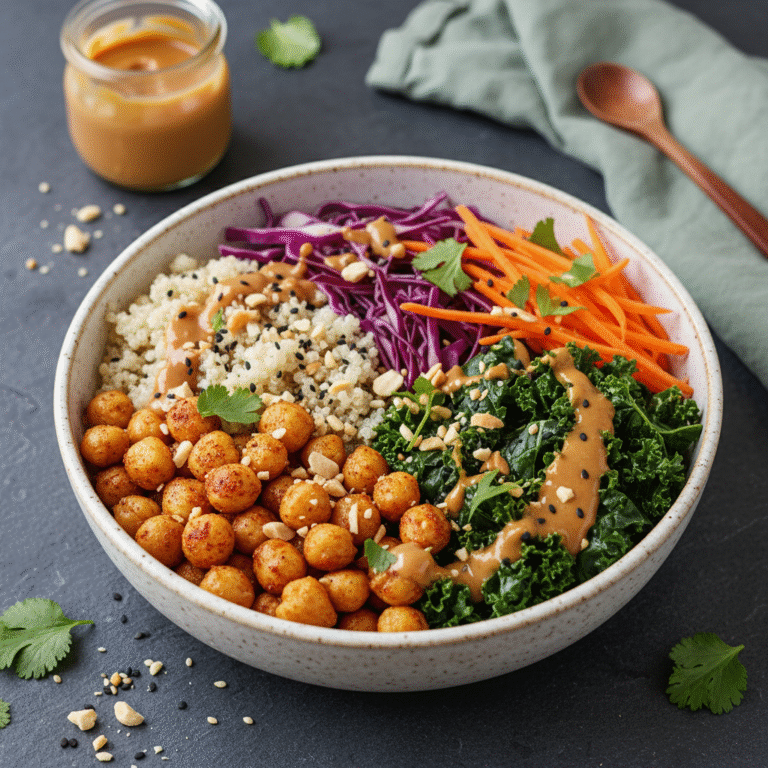
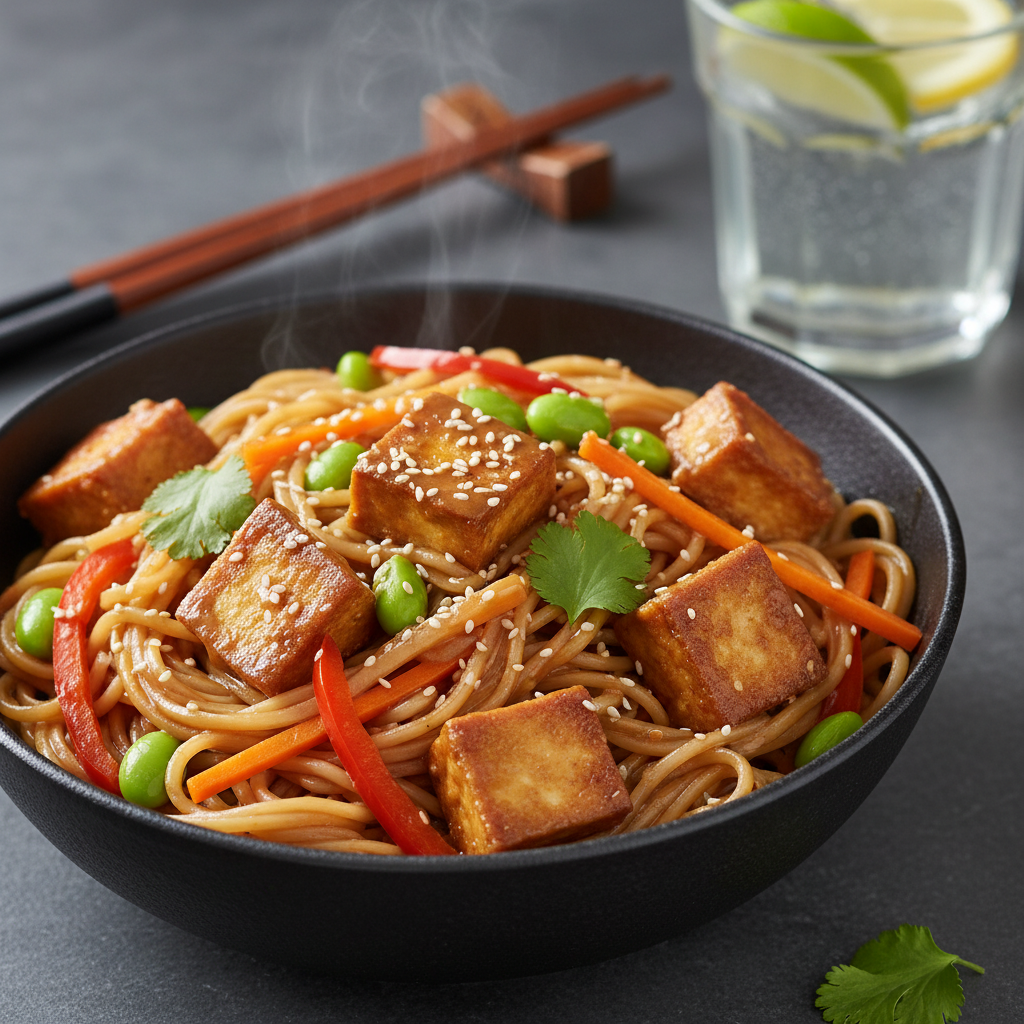
Craving takeout but want to stay healthy? This Vegan Peanut Tofu Noodle Bowl is the answer. Packed with over 25g of plant-based protein, crispy tofu, fresh veggies, and a creamy, addictive peanut sauce, it is the perfect 30-minute meal for busy weeknights or meal prep lunches.
20 minutes
15 minutes
35 minutes
4 servings
Main Course
Stovetop
Asian Fusion
Vegan
If there is one meal that perfectly bridges the gap between comfort food and high-performance nutrition, it is this Vegan Peanut Tofu Noodle Bowl. We have all experienced the dilemma of wanting a meal that feels indulgent and takeout-worthy while still adhering to fitness goals or a plant-based lifestyle. Often, vegan noodle dishes can be heavy on carbs and light on satiety, leaving you hungry an hour later. This recipe changes the narrative completely by placing protein front and center without sacrificing flavor. The magic lies in the texture combinations: the chewiness of the noodles, the satisfying crunch of raw vegetables, and the star of the show—crispy, pan-fried tofu coated in a velvety, savory-sweet peanut sauce. This dish is not just a salad in disguise; it is a hearty, warming, and soul-satisfying bowl that hits every taste bud. The sauce brings a complex profile of umami from soy sauce, brightness from lime juice, heat from sriracha, and rich creaminess from natural peanut butter. Furthermore, this bowl is incredibly versatile. It serves as a canvas for whatever vegetables you have wilting in your crisper drawer, making it a fantastic zero-waste kitchen solution. Whether you are a dedicated vegan, a flexitarian looking to reduce meat consumption, or an athlete seeking a high-protein post-workout recovery meal, this noodle bowl delivers on all fronts. It is robust enough for a winter dinner yet fresh enough for a summer lunch, proving that plant-based eating never has to be boring or restrictive.
History & Origins
The marriage of noodles and peanut sauce traces its culinary lineage back to the complex and aromatic kitchens of Southeast Asia. While this specific ‘Noodle Bowl’ format is a modern fusion concept often categorized under the Western wellness umbrella of ‘Buddha Bowls’ or ‘Power Bowls,’ its roots are deeply embedded in Indonesian and Thai traditions. The peanut sauce, which is the heart of this recipe, draws heavy inspiration from ‘Bumbu Kacang’ (peanut sauce) found in Indonesian cuisine. Historically, peanuts were introduced to Indonesia by Portuguese and Spanish traders in the 16th century from Mexico. The locals ingeniously adapted this ingredient into a savory sauce used in dishes like Gado-Gado (a vegetable salad with peanut dressing) and Satay (skewered grilled meat). As these flavors migrated across borders, Thai cuisine adopted and adapted them, creating the sweeter, coconut-infused versions of peanut sauce often served with appetizers in Western Thai restaurants today. Tofu, or bean curd, has an even older history, originating in China over 2,000 years ago during the Han Dynasty. It became a staple source of protein throughout East Asia due to its versatility and nutritional profile. In the late 20th and early 21st centuries, as global interest in plant-based diets surged in the United States and Europe, these distinct elements—Asian-style noodles, soy-based protein, and rich nut sauces—converged. The modern ‘Bowl’ trend emerged from the macrobiotic diet movement, emphasizing a balance of grains, proteins, and vegetables in a single vessel. This recipe honors those ancient roots while adapting them for the modern, fast-paced home cook who values nutrient density and bold flavors.
Why This Recipe Works
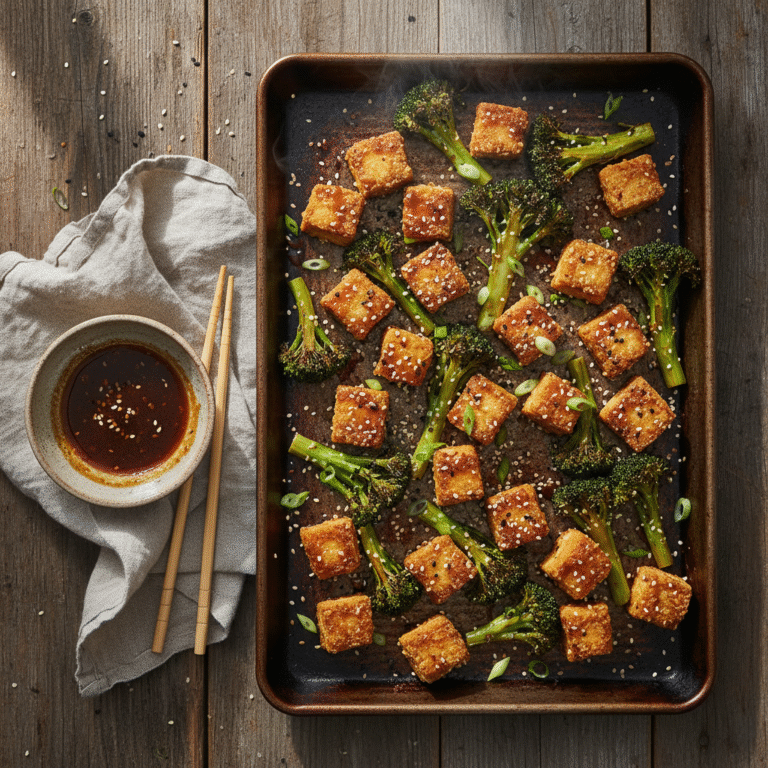
This recipe succeeds where many other tofu dishes fail because it specifically addresses the ‘soggy tofu’ problem while maximizing flavor absorption. The key technique employed here is the ‘press and coat’ method. By pressing the extra-firm tofu, we remove excess water, creating a sponge-like structure that is ready to absorb flavor. Coating the cubed tofu in cornstarch before pan-frying creates a barrier that crisps up beautifully in the oil, providing a texture similar to deep-frying without the excessive grease. This crispy exterior acts as a velcro for the peanut sauce, ensuring that every bite is flavorful rather than bland. Furthermore, the sauce is formulated to balance the five key tastes: salty (soy sauce), sweet (maple syrup), sour (rice vinegar/lime), bitter (garlic/ginger notes), and umami (peanut/soy). This biochemical balance triggers satiety signals in the brain, making the meal feel more satisfying. We also utilize a mix of cooked and raw elements; the warm noodles and hot tofu contrast perfectly with the cold crunch of cucumbers and carrots, providing a sensory variety that keeps the palate engaged. Finally, the inclusion of edamame boosts the protein profile significantly, making this a ‘complete protein’ meal containing all nine essential amino acids, which is crucial for muscle repair and sustained energy levels.
Why You’ll Love This Recipe
- ✓High Protein: Contains over 25g of plant-based protein per serving.
- ✓Meal Prep Friendly: Tofu remains firm and sauce keeps well for days.
- ✓Texture Rich: Combines crispy tofu, chewy noodles, and crunchy veggies.
- ✓Customizable: Easily swap veggies or noodles based on what you have.
- ✓Nutrient Dense: Packed with fiber, healthy fats, and essential vitamins.
- ✓Quick: Ready in just over 30 minutes from start to finish.
Equipment You’ll Need
- ✓Tofu Press (or heavy skillet and paper towels)
- ✓Large Non-Stick Skillet
- ✓Large Pot (for boiling noodles)
- ✓Whisk
- ✓Small Mixing Bowl
- ✓Chef’s Knife
- ✓Cutting Board
- ✓Colander
Ingredients
- ✓14 oz (400g) block Extra Firm Tofu, drained and pressed
- ✓2 tbsp Cornstarch
- ✓1 tbsp Avocado Oil or Sesame Oil (for frying)
- ✓8 oz (225g) Brown Rice Noodles or Ramen Noodles
- ✓1 cup Shelled Edamame, frozen and thawed
- ✓1 large Carrot, julienned or grated
- ✓1 cup Cucumber, diced or sliced into matchsticks
- ✓1 Red Bell Pepper, thinly sliced
- ✓1/2 cup Natural Creamy Peanut Butter
- ✓3 tbsp Soy Sauce or Tamari (for gluten-free)
- ✓1 tbsp Maple Syrup
- ✓1 tbsp Rice Vinegar
- ✓1 tsp Fresh Ginger, grated
- ✓1 clove Garlic, minced
- ✓1-2 tsp Sriracha (optional, to taste)
- ✓2-4 tbsp Warm Water (to thin sauce)
- ✓Garnish: Green onions, cilantro, crushed peanuts, sesame seeds, lime wedges
Instructions
- 1. Prepare the Tofu: Wrap the block of tofu in paper towels and press it using a tofu press or by placing a heavy skillet on top for at least 15 minutes to remove excess moisture. This is crucial for crispiness.
- 2. Make the Sauce: While the tofu presses, whisk together the peanut butter, soy sauce, maple syrup, rice vinegar, grated ginger, minced garlic, and sriracha in a small bowl. Slowly add warm water, one tablespoon at a time, whisking constantly until you reach a pourable but creamy consistency. Set aside.
- 3. Cook the Noodles: Bring a large pot of water to a boil. Cook noodles according to package instructions. Drain and rinse with cold water to stop the cooking process and prevent sticking. Toss with a tiny splash of sesame oil if setting aside for more than a few minutes.
- 4. Coat the Tofu: Cut the pressed tofu into 1-inch cubes. Place them in a bowl and sprinkle with cornstarch. Toss gently until the tofu is evenly coated in a thin layer of starch.
- 5. Pan-Fry Tofu: Heat the avocado oil in a large non-stick skillet over medium-high heat. Add the tofu cubes in a single layer (do not crowd the pan). Cook for 3-4 minutes per side until golden brown and crispy all over. Remove from heat.
- 6. Assemble: Divide the cooked noodles among four bowls. Top with the crispy tofu, thawed edamame, carrots, cucumber, and red bell pepper.
- 7. Serve: Drizzle the peanut sauce generously over the bowls. Garnish with sliced green onions, cilantro, crushed peanuts, sesame seeds, and a squeeze of fresh lime juice. Serve immediately.
Expert Cooking Tips
- ✓Pressing is Non-Negotiable: Do not skip pressing the tofu. Watery tofu will steam instead of fry, leading to a soggy texture.
- ✓Don’t Overcrowd the Pan: When frying tofu, ensure there is space between cubes. If they touch, they will steam. Cook in two batches if necessary.
- ✓Sauce Consistency: Peanut butter brands vary in thickness. If your sauce is too thick, add more water. If too thin, add a little more peanut butter.
- ✓Rinse the Noodles: Rinsing rice noodles in cold water removes excess starch, preventing them from becoming a gummy clump.
- ✓Fresh Ginger vs. Powder: Use fresh ginger for the sauce if possible; the enzymatic kick is far superior to dried powder.
- ✓Toast the Peanuts: For the garnish, quickly toasting the crushed peanuts in a dry pan releases their essential oils and enhances flavor.
- ✓Room Temperature Ingredients: If using natural peanut butter stored in the fridge, let it come to room temp or microwave briefly for easier whisking.
Substitutions and Variations
This recipe is highly adaptable to various dietary needs and pantry staples. For the protein, if you are soy-free, you can substitute the tofu with chickpeas, seitan, or even cooked lentils, though the texture will differ. If you have a peanut allergy, almond butter, cashew butter, or sunflower seed butter (SunButter) are excellent 1:1 replacements that maintain the creamy texture. For the noodles, traditional wheat ramen, soba noodles (buckwheat), or even zucchini noodles (zoodles) for a low-carb option work beautifully. The vegetable selection is entirely flexible; feel free to swap in steamed broccoli, snap peas, purple cabbage, baby spinach, or sautéed mushrooms depending on what is in season. For a gluten-free version, ensure you are using Tamari instead of soy sauce and 100% rice noodles. If you don’t have maple syrup, agave nectar or brown sugar can be used to sweeten the sauce.
Common Mistakes to Avoid
The most common mistake is under-seasoning the tofu itself before the sauce is added; while the sauce is flavorful, the tofu benefits from the cornstarch coating and the caramelization process. Another frequent error is overcooking the noodles; rice noodles can turn to mush very quickly, so test them a minute before the package says they are done. Using ‘processed’ peanut butter with added palm oil and sugar can result in an overly sweet and greasy sauce; natural peanut butter with just peanuts and salt yields the best consistency and flavor profile. Finally, dressing the salad too early if you plan to eat it later can lead to soggy veggies and noodles that have absorbed all the liquid—keep the sauce separate until serving time for the best experience.
Serving Suggestions
This bowl is a complete meal on its own, but it pairs wonderfully with a side of miso soup or some vegetable spring rolls for a larger feast. Serve it with extra lime wedges on the side, as the acid cuts through the richness of the peanut butter. A dish of chili oil or extra sriracha on the table allows guests to adjust the heat level to their liking. For a refreshing beverage pairing, try an iced jasmine tea or a cucumber-mint lemonade.
Storage and Reheating Tips
This recipe is excellent for meal prep. Store the noodles, tofu, and vegetables in airtight containers in the refrigerator for up to 4 days. Crucially, store the peanut sauce in a separate small jar. When ready to eat, you can enjoy the bowl cold (like a noodle salad) or warm. To reheat, microwave the noodles and tofu for 60-90 seconds, then drizzle with the sauce. If the sauce has thickened in the fridge, whisk in a teaspoon of warm water to loosen it up. Do not freeze this dish, as the texture of the tofu and cucumber will degrade significantly upon thawing.
Nutrition Facts (Estimated)
| Serving Size | 1 Bowl |
| Calories | 580 |
| Fat | 24g |
| Saturated Fat | 4g |
| Unsaturated Fat | 18g |
| Trans Fat | 0g |
| Cholesterol | 0mg |
| Sodium | 980mg |
| Carbohydrates | 68g |
| Fiber | 8g |
| Sugar | 12g |
| Protein | 26g |
Frequently Asked Questions
Can I make this recipe gluten-free?
Yes, absolutely. Use gluten-free Tamari instead of soy sauce and ensure your noodles are 100% rice or buckwheat based. The rest of the ingredients are naturally gluten-free.
How do I get my tofu extra crispy?
The secret is removing moisture. Press the tofu for at least 15-20 minutes, and don’t skip the cornstarch coating. Also, make sure your oil is hot before adding the tofu to the pan.
Can I eat this dish cold?
Yes! This makes a fantastic cold noodle salad. If eating cold, you might want to toss the noodles in a little extra sesame oil to prevent sticking while they chill.
Is this recipe good for weight loss?
It is a nutrient-dense meal with a good balance of protein, fat, and fiber, which promotes satiety. However, peanut butter is calorie-dense, so be mindful of the portion size of the sauce if you are strictly counting calories.
What if I don’t have a tofu press?
You don’t need a fancy gadget. Wrap the tofu block in a clean kitchen towel or paper towels, place it on a plate, and put a heavy cast-iron skillet or a stack of books on top.
Can I use frozen vegetables?
Yes, frozen edamame is recommended. Frozen broccoli or peas also work well, but they should be steamed or sautéed before adding to the bowl, whereas the cucumber and peppers are best fresh.
How long does the peanut sauce last?
The peanut sauce can be stored in an airtight jar in the refrigerator for up to 1 week. It may thicken when cold, so just stir in a splash of warm water before using.
Can I use firm tofu instead of extra firm?
You can, but it contains more water and is softer. You will need to press it longer and be much more gentle when tossing it in cornstarch and frying to prevent it from breaking apart.
Is there a low-carb option?
Replace the rice noodles with zucchini noodles (zoodles), shirataki noodles, or simply use a bed of mixed greens or cabbage slaw to lower the carbohydrate content.
Can I air fry the tofu instead of pan-frying?
Yes! Toss the cornstarch-coated tofu in a little oil and air fry at 400°F (200°C) for 10-15 minutes, shaking the basket halfway through.
Conclusion
The Vegan Peanut Tofu Noodle Bowl is more than just a recipe; it is a reliable staple that proves plant-based eating can be robust, flavorful, and incredibly satisfying. By mastering the simple techniques of pressing tofu and balancing a sauce, you unlock a restaurant-quality meal right in your own kitchen. Whether you are meal-prepping for a busy work week or looking for a crowd-pleasing dinner that caters to various dietary requirements, this bowl delivers. We hope this dish becomes a regular in your rotation. If you make it, don’t forget to snap a picture and tag us on social media—we love seeing your unique spins on our recipes!