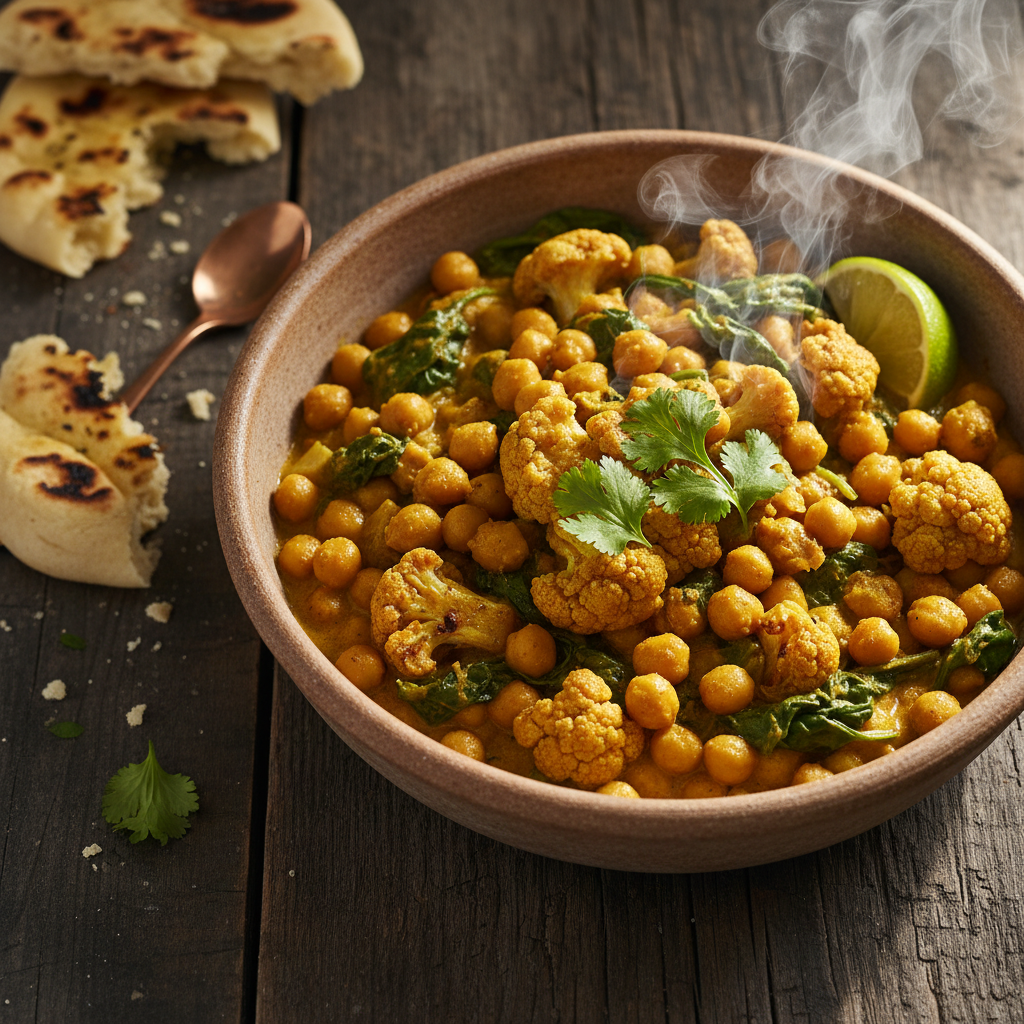
Creamy Vegan Chickpea Cauliflower Coconut Curry
Chickpea Cauliflower Coconut Curry Vegan Recipe
This vibrant, one-pot vegan curry is the definition of weeknight comfort food, featuring tender cauliflower and protein-packed chickpeas simmered in a luxurious, golden coconut broth. Ready in just 30 minutes, it is a healthy, gluten-free dinner that tastes even better the next day.
15 minutes
30 minutes
45 minutes
4 servings
Main Course
Stovetop
Indian-Fusion
Vegan
There is something undeniably magical about the way a good curry transforms a kitchen. The moment the onions hit the hot oil, followed by the aromatic sizzle of ginger and garlic, the air fills with a promise of warmth and comfort. This Chickpea Cauliflower Coconut Curry is my absolute go-to recipe when I need a meal that feels like a warm hug but requires minimal effort. It is a dish that bridges the gap between health-conscious eating and pure, unadulterated indulgence. The sauce is the real star here—a velvety, golden elixir made from full-fat coconut milk infused with turmeric, cumin, and coriander. It clings lovingly to the florets of cauliflower and the hearty chickpeas, ensuring that every single bite is an explosion of flavor.
What I love most about this recipe is its incredible versatility. While it is strictly vegan and gluten-free, it has a richness that satisfies even the most devoted meat-eaters in my family. The chickpeas provide a satisfying ‘meaty’ chew and a substantial protein boost, while the cauliflower becomes tender without losing its structural integrity. It is perfect for meal prep because the flavors deepen significantly after sitting in the fridge overnight, allowing the spices to marry and mellow into a complex profile that tastes like it simmered for hours. Whether you serve it over fluffy basmati rice, scoop it up with warm naan, or eat it straight from the bowl with a spoon, this curry is a vibrant celebration of plant-based ingredients that proves you never have to sacrifice flavor for health.
History & Origins
The concept of ‘curry’ is a complex and often misunderstood subject in culinary history. The word itself is an anglicized version of the Tamil word ‘kari,’ meaning sauce or relish for rice, and was adopted by British colonizers to describe a vast array of spiced dishes from the Indian subcontinent. However, the roots of the ingredients in this specific dish run deep into ancient food cultures. Chickpeas, or garbanzo beans, have been a staple in Middle Eastern and Indian diets for over 7,000 years, valued for their durability, nutrition, and ability to sustain populations through harsh seasons. In India, they are the star of dishes like Chana Masala, a North Indian staple known for its tang and spice.
Simultaneously, the use of coconut milk as a base for stews is a hallmark of South Indian, Sri Lankan, and Southeast Asian cuisines, where coconuts grow in abundance. In places like Kerala, coconut is used in various forms—grated, oil, and milk—to provide fat and balance the heat of chilies. This specific recipe—pairing chickpeas and cauliflower with a coconut base—is a modern, diasporic evolution. It borrows the ‘dry’ spice blooming techniques of North India and marries them with the luscious, liquid-heavy coconut curries of the South and Southeast Asia. It represents a globalized style of cooking that has become popular in the West, particularly within the vegan movement, where the goal is to create creamy, satiating textures without dairy. While not a strictly traditional dish from a specific region, it honors the ancient flavor pairings of turmeric, ginger, and legumes that have sustained cultures for millennia.
Why This Recipe Works
This recipe succeeds because it carefully balances the five key elements of taste: salty, sweet, sour, bitter, and umami, while also paying close attention to texture. First, the technique of ‘blooming’ the spices—cooking the curry powder, turmeric, and aromatics in oil before adding the liquid—is crucial. Fat-soluble flavor compounds in spices are released only when heated in oil, creating a depth of flavor that simply boiling them would never achieve. If you were to just dump the spices into the coconut milk, the curry would taste dusty and flat; by frying them, they become vibrant and complex.
Secondly, the choice of ingredients creates a perfect textural interplay. Chickpeas are dense and hold their shape, providing a chewy contrast to the cauliflower, which softens and acts like a sponge, soaking up the curry sauce. Using full-fat coconut milk is non-negotiable for the texture; the fat content emulsifies with the spice paste to create a glossy, thick sauce that coats the back of a spoon, mimicking the mouthfeel of heavy cream. Finally, the addition of lime juice at the very end is the secret weapon. Coconut milk is rich and heavy, and the acidity of the lime cuts through that fat, brightening the entire dish and making the earthy spices pop. This balance of fat, spice, and acid is what turns a simple vegetable stew into a restaurant-quality meal.
Why You’ll Love This Recipe
- ✓Ready in under 30 minutes for easy weeknight cooking
- ✓Naturally vegan, gluten-free, and dairy-free
- ✓High in plant-based protein and fiber
- ✓Uses pantry staple ingredients you likely have on hand
- ✓Excellent for meal prep as flavors improve over time
- ✓Creamy, restaurant-quality texture without heavy cream
Equipment You’ll Need
- ✓Large Dutch oven or heavy-bottomed pot
- ✓Chef’s knife
- ✓Cutting board
- ✓Wooden spoon or spatula
- ✓Measuring cups and spoons
- ✓Can opener
Ingredients
- ✓1 tablespoon coconut oil or olive oil
- ✓1 large yellow onion, finely diced
- ✓3 cloves garlic, minced
- ✓1 tablespoon fresh ginger, grated
- ✓1 large head cauliflower, cut into bite-sized florets
- ✓2 cans (15 oz each) chickpeas, rinsed and drained
- ✓2 tablespoons mild curry powder
- ✓1 teaspoon ground turmeric
- ✓1 teaspoon ground cumin
- ✓1/2 teaspoon cayenne pepper (optional for heat)
- ✓2 cans (13.5 oz each) full-fat coconut milk
- ✓1 cup vegetable broth
- ✓1 teaspoon salt, plus more to taste
- ✓2 large handfuls fresh spinach
- ✓1 tablespoon fresh lime juice
- ✓Fresh cilantro, chopped (for garnish)
Instructions
- Heat the coconut oil in a large Dutch oven or heavy pot over medium heat. Once the oil is shimmering, add the diced onion and a pinch of salt. Sauté for 5-7 minutes until the onion is translucent and beginning to soften.
- Add the minced garlic and grated ginger to the pot. Cook for another 1-2 minutes, stirring constantly to prevent the garlic from burning, until the mixture is highly aromatic.
- Add the curry powder, turmeric, cumin, and cayenne pepper. Stir vigorously for about 30 seconds to bloom the spices in the oil and aromatics. This step is critical for flavor development.
- Immediately add the cauliflower florets and drained chickpeas to the pot. Stir well to coat the vegetables and beans in the yellow spice paste.
- Pour in the coconut milk and vegetable broth. Stir to combine, scraping up any browned bits from the bottom of the pot (the fond).
- Bring the mixture to a gentle boil, then reduce the heat to low. Cover the pot and let it simmer for 15-20 minutes, or until the cauliflower is fork-tender but not mushy.
- Remove the lid and stir in the fresh spinach. Let it cook for 2-3 minutes until the spinach has wilted into the sauce.
- Turn off the heat. Stir in the fresh lime juice. Taste the curry and adjust seasoning, adding more salt or lime juice if needed.
- Serve hot over basmati rice or with naan bread, garnished generously with fresh cilantro.
Expert Cooking Tips
- ✓Always use full-fat canned coconut milk for the creamiest texture; ‘lite’ versions will result in a watery sauce.
- ✓Cut your cauliflower florets into uniform sizes so they cook evenly.
- ✓Don’t skip the step of frying the spices (blooming); this releases their essential oils.
- ✓Fresh ginger makes a huge difference compared to dried ginger powder—use fresh if possible.
- ✓If you prefer a thicker sauce, simmer uncovered for an extra 5-10 minutes to reduce the liquid.
- ✓Rinse your chickpeas thoroughly to remove excess sodium and the metallic ‘can’ taste.
- ✓Add the lime juice only after turning off the heat to preserve its fresh, zesty flavor.
Substitutions and Variations
This recipe is incredibly forgiving and allows for numerous substitutions based on your pantry. If you don’t have cauliflower, sweet potatoes or butternut squash are excellent alternatives; just keep in mind they may require a few extra minutes of simmering time to soften. For the protein, you can swap chickpeas for white cannellini beans, lentils, or even cubes of extra-firm tofu. If you aren’t vegan, chicken breast pieces can be browned and added. In terms of greens, baby kale or Swiss chard can easily replace the spinach, though kale will need to be added about 5 minutes earlier than spinach to tenderize. If you don’t have fresh ginger, use 1/4 teaspoon of ground ginger for every tablespoon of fresh required, though fresh is always superior. Lastly, if you are out of lime juice, lemon juice or a splash of rice vinegar will provide the necessary acidity.
Common Mistakes to Avoid
The most common mistake with this curry is overcooking the cauliflower. Cauliflower can go from perfectly tender to mushy and disintegrating very quickly. Check it frequently after the 15-minute mark. Another mistake is using ‘coconut beverage’ (the kind found in cartons for cereal) instead of canned coconut milk. The carton variety has high water content and very little fat, which will result in a soup rather than a creamy curry. Additionally, failing to season with enough salt is a frequent issue; potatoes and cauliflower absorb a lot of salt, and coconut milk is naturally sweet, so don’t be afraid to taste and adjust salt levels at the end. Finally, burning the garlic or spices during the sauté phase will introduce a bitter taste that cannot be fixed, so keep the heat moderate and stir constantly during that step.
Serving Suggestions
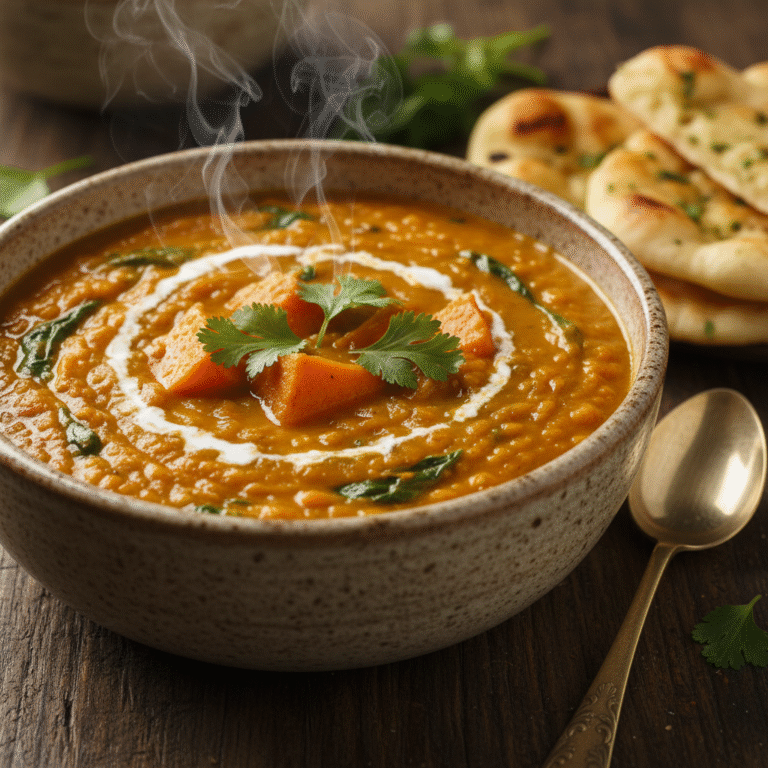
This curry is best served over a bed of fluffy white Basmati or Jasmine rice, which acts as a neutral canvas for the bold flavors. For a healthier option, brown rice or quinoa works beautifully. Warm, garlic-brushed Naan bread or Roti is fantastic for scooping up the excess sauce. To elevate the presentation and flavor, offer a variety of toppings at the table: toasted cashew nuts for crunch, a dollop of coconut yogurt to cool the spice, extra lime wedges, fresh red chili slices for heat, and plenty of chopped cilantro. A side of cool cucumber raita or a mango chutney also pairs wonderfully with the warm spices.
Storage and Reheating Tips
This curry stores exceptionally well and actually tastes better the next day as the flavors have time to meld. Store leftovers in an airtight container in the refrigerator for up to 4-5 days. To reheat, place the desired portion in a saucepan over medium-low heat, adding a splash of water or vegetable broth if the sauce has thickened too much in the fridge. Stir occasionally until heated through. You can also freeze this curry. Place cooled curry in freezer-safe bags or containers and freeze for up to 3 months. Thaw overnight in the refrigerator before reheating. Note that the texture of the cauliflower may become slightly softer upon thawing, but the flavor will remain delicious.
Nutrition Facts (Estimated)
| Serving Size | 1.5 cups |
| Calories | 380 |
| Fat | 22g |
| Saturated Fat | 16g |
| Unsaturated Fat | 5g |
| Trans Fat | 0g |
| Cholesterol | 0mg |
| Sodium | 450mg |
| Carbohydrates | 38g |
| Fiber | 10g |
| Sugar | 6g |
| Protein | 12g |
Frequently Asked Questions
Can I make this recipe in an Instant Pot?
Yes! Sauté the onions, garlic, and spices using the ‘Sauté’ function. Add the rest of the ingredients (except spinach and lime), seal the lid, and cook on High Pressure for 3 minutes. Perform a Quick Release to prevent the cauliflower from turning to mush, then stir in the spinach and lime.
Is this curry very spicy?
As written, the curry is mild to medium, depending on your curry powder blend. The cayenne pepper is optional. If you are sensitive to spice, omit the cayenne and choose a ‘mild’ curry powder. To make it hotter, add fresh chili peppers with the garlic or increase the cayenne.
Can I use frozen cauliflower?
Yes, frozen cauliflower works well. However, it cooks much faster than fresh. Add it only in the last 5-7 minutes of simmering to prevent it from becoming soggy.
What can I use instead of coconut milk for a lower fat option?
You can use ‘light’ canned coconut milk, but the sauce will be much thinner. To thicken it, you might need to mix a teaspoon of cornstarch with water and add it to the simmering sauce. Alternatively, you can use cashew cream or oat milk, though the flavor profile will shift slightly.
My curry tastes bland, what did I do wrong?
Bland curry is usually due to lack of salt or acid. First, try adding another pinch of salt. If that doesn’t help, add a squeeze more lime juice. The acidity wakes up the spices. Also, ensure your spices aren’t expired, as old spices lose their potency.
Can I add meat to this recipe?
Absolutely. Cubed chicken breast or thighs work great. Brown the chicken in the pot after the onions but before the spices, then proceed with the recipe. Ensure the chicken is cooked through to an internal temperature of 165°F.
Is this recipe gluten-free?
Yes, all the ingredients listed are naturally gluten-free. However, always check the labels on your curry powder and vegetable broth to ensure they are certified gluten-free and processed in a safe facility.
Can I use dried chickpeas instead of canned?
Yes, but you must cook them first. Soak dried chickpeas overnight and boil them until tender (about 1-2 hours) before adding them to the curry. You will need about 3 cups of cooked chickpeas to replace the 2 cans.
Conclusion
Whether you are a long-time vegan, a flexitarian, or just someone trying to get more vegetables onto the dinner table, this Chickpea Cauliflower Coconut Curry is a recipe that delivers on all fronts. It is quick enough for a busy Tuesday night yet elegant and flavorful enough to serve to guests at a dinner party. The combination of health benefits, ease of preparation, and deep, soul-satisfying flavor makes it a staple you will want to return to again and again. Don’t forget to make a double batch—your future self will thank you when you have a delicious, ready-to-eat lunch waiting for you in the fridge!