Creamy Vegan White Bean and Vegetable Pasta: The Ultimate 30-Minute Comfort Dinner
Vegan White Bean And Vegetable Pasta Recipe
Discover the magic of using white beans to create a luxuriously creamy, dairy-free pasta sauce that coats every bite. packed with vibrant vegetables and plant-based protein, this 30-minute meal is the perfect solution for busy weeknights when you crave comfort without the heaviness.
15 minutes
20 minutes
35 minutes
4 servings
Main Course
Stovetop
Italian-Inspired
Vegan
There is something undeniably comforting about a warm bowl of pasta. It is the culinary equivalent of a weighted blanket, soothing the soul after a long, chaotic day. However, for those of us navigating the world of plant-based eating, finding a pasta dish that delivers that quintessential creamy, velvety texture without relying on heavy creams or processed dairy alternatives can be a challenge. Enter the humble white bean. This recipe for Vegan White Bean and Vegetable Pasta is not just a meal; it is a revelation in texture and flavor balance. By harnessing the natural starchiness and mild flavor of cannellini beans, we create a sauce that is rich, decadent, and surprisingly nutritious.
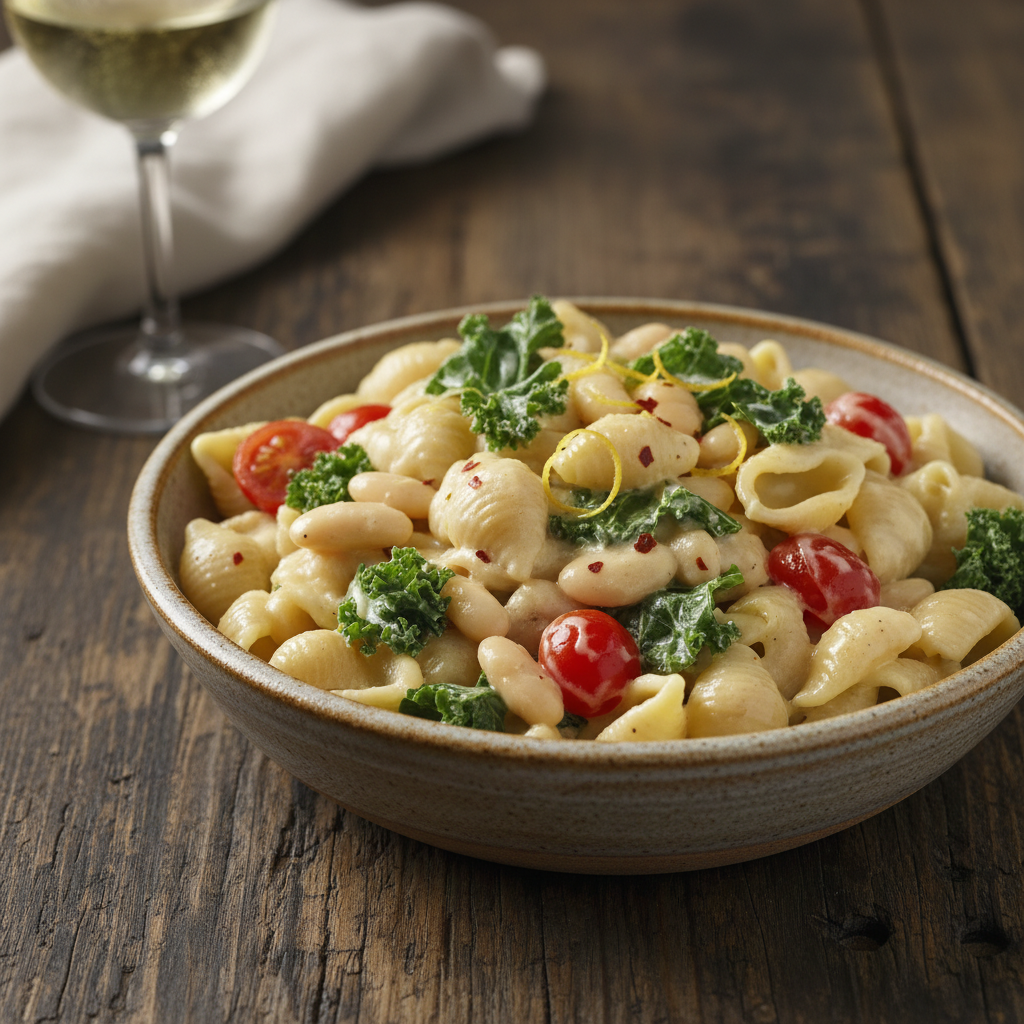
Imagine tender pasta shapes clinging to a sauce that feels indulgent but is actually packed with fiber and protein. The addition of sautéed seasonal vegetables—think crisp kale, sweet carrots, and savory zucchini—adds a satisfying crunch and a burst of color that makes the dish visually stunning. This recipe is designed for the modern home cook who values both health and flavor. It bridges the gap between wholesome, nutrient-dense ingredients and the crave-worthy satisfaction of Italian comfort food. Whether you are a strict vegan, a flexitarian, or just someone looking to reduce their dairy intake, this dish proves that you do not need cheese to achieve creaminess. The lemon zest adds a bright, citrusy finish that cuts through the richness, while a hint of red pepper flakes provides a gentle warmth. It is a harmony of flavors that transforms simple pantry staples into a gourmet experience right in your own kitchen.
History & Origins
The concept of combining pasta and beans is deeply rooted in the culinary traditions of Italy, specifically within the framework of ‘Cucina Povera,’ or peasant cooking. This tradition was born out of necessity, where meat was scarce and expensive, so humble ingredients like dried beans became the primary source of protein. The most famous iteration of this is ‘Pasta e Fagioli’ (pasta and beans), a dish that varies wildly from region to region but always centers on these two staples. In Tuscany, a region renowned for its produce and simplicity, the white bean—specifically the Cannellini bean—is king. Tuscans are often affectionately referred to as ‘mangiafagioli’ or ‘bean eaters’ because of their heavy reliance on this legume.
Historically, these dishes were brothy soups or stews. However, as Italian cuisine migrated to the United States and evolved, so did the interpretations of these classics. The modern vegan movement has taken the foundation of these rustic Italian dishes and adapted them to suit contemporary palates and dietary needs. The innovation of blending beans to create a ‘cream’ sauce is a relatively modern technique, popularized by plant-based chefs looking for whole-food alternatives to cashew creams or processed soy products. This specific recipe pays homage to the rustic roots of Tuscan cooking while embracing modern vegan ingenuity. It respects the history of using simple, affordable ingredients to feed a family while elevating the texture to something that feels sophisticated and new. It represents a culinary journey from the stone farmhouses of Italy to the bustling, health-conscious kitchens of modern America.
Why This Recipe Works
This recipe succeeds because it leverages the unique chemical properties of white beans to mimic the mouthfeel of dairy fat. When cannellini beans are blended with a bit of vegetable broth and olive oil, they emulsify into a thick, luscious mixture. This is due to the high starch content in the beans, which swells and gelatinizes, providing body and viscosity similar to a heavy cream reduction. Unlike nut-based sauces, which can sometimes be gritty or overly sweet, white beans have a neutral profile that readily absorbs the flavors of garlic, herbs, and lemon.
Furthermore, the technique of reserving pasta water is crucial here. The starchy water acts as a binding agent, helping the bean puree cling to the pasta rather than sliding off. We also focus heavily on the ‘soffritto’ base—slowly sautéing onions, carrots, and celery (or variations thereof) to build a foundational layer of sweetness and depth before the liquid is even added. The inclusion of nutritional yeast provides that savory, umami punch often missing when cheese is removed, triggering the same satisfaction centers in the brain. Finally, the textural contrast is key; by keeping half of the beans whole and adding crisp-tender vegetables, we ensure the dish isn’t just a bowl of mush, but a complex interplay of creamy, chewy, and crunchy textures.
Why You’ll Love This Recipe
- ✓100% Vegan and Dairy-Free
- ✓High in Plant-Based Protein and Fiber
- ✓Ready in under 30 minutes
- ✓Budget-friendly pantry staples
- ✓Creamy texture without nuts or soy
- ✓Kid-friendly and easy to customize
Equipment You’ll Need
- ✓Large pot for boiling pasta
- ✓High-speed blender or food processor
- ✓Large skillet or sauté pan
- ✓Chef’s knife
- ✓Cutting board
- ✓Colander
- ✓Microplane or zester
Ingredients
- ✓12 oz short pasta (like orecchiette, penne, or fusilli)
- ✓2 cans (15 oz each) Cannellini beans, rinsed and drained
- ✓1 tbsp olive oil
- ✓1 medium yellow onion, diced
- ✓3 cloves garlic, minced
- ✓1 cup vegetable broth
- ✓1/4 cup nutritional yeast
- ✓1 bunch lacinato kale, stems removed and chopped
- ✓1 cup cherry tomatoes, halved
- ✓1 tsp lemon zest
- ✓1 tbsp fresh lemon juice
- ✓1/2 tsp red pepper flakes (optional)
- ✓Salt and black pepper to taste
Instructions
- Bring a large pot of salted water to a boil. Add the pasta and cook according to package directions until al dente. Reserve 1 cup of the starchy pasta water before draining.
- While the pasta cooks, prepare the sauce base. In a high-speed blender, combine one can of the drained cannellini beans, the vegetable broth, nutritional yeast, 1 tablespoon of olive oil, lemon juice, and a pinch of salt. Blend until completely smooth and creamy. Set aside.
- In a large skillet over medium heat, add a splash of olive oil or water. Add the diced onion and sauté for 5-7 minutes until translucent and fragrant.
- Add the minced garlic and red pepper flakes to the skillet, cooking for another minute until aromatic, being careful not to burn the garlic.
- Add the chopped kale and cherry tomatoes to the skillet. Cook for 3-4 minutes until the kale is wilted and the tomatoes begin to soften.
- Pour the blended bean sauce into the skillet with the vegetables. Stir to combine and reduce heat to low.
- Add the cooked pasta and the remaining can of whole cannellini beans to the skillet. Toss everything together gently.
- If the sauce is too thick, gradually add the reserved pasta water, a few tablespoons at a time, until you reach your desired consistency.
- Stir in the lemon zest and season with salt and generous cracks of black pepper.
- Serve immediately, garnished with extra fresh herbs or a sprinkle of vegan parmesan if desired.
Expert Cooking Tips
- ✓Don’t skip reserving the pasta water; it’s liquid gold for emulsifying the sauce.
- ✓Use a high-quality vegetable broth as it forms the flavor base of the cream.
- ✓If you don’t have a high-speed blender, an immersion blender works right in a deep bowl.
- ✓Toast the garlic just until golden to avoid bitterness.
- ✓Massage the kale with a little olive oil before cooking if you find it too tough.
- ✓Salt your pasta water heavily; it should taste like the sea for the best flavor.
Substitutions and Variations
This recipe is incredibly versatile and forgiving. If you are gluten-free, simply swap the wheat pasta for a chickpea, lentil, or brown rice pasta variety; just be mindful of the cooking time as these can become mushy quickly. If cannellini beans are unavailable, Great Northern beans or Navy beans are excellent substitutes that yield a similar creamy texture. For the vegetables, you can use practically anything in your crisper drawer. Spinach or Swiss chard can replace the kale, though spinach should be added at the very end as it wilts instantly. Broccoli florets, bell peppers, or asparagus chopped into bite-sized pieces also work beautifully. If you do not have nutritional yeast, a tablespoon of white miso paste can provide a similar depth of savory flavor, though the ‘cheesy’ note will be more subtle.
Common Mistakes to Avoid
The most common mistake is overcooking the pasta. Since you will be tossing the pasta in the warm sauce in the skillet, it continues to cook slightly; always drain it when it is just al dente. Another pitfall is not blending the bean sauce enough. You want it perfectly smooth, so let the blender run a bit longer than you think is necessary to eliminate any graininess from the bean skins. Also, be careful with the salt. Canned beans and vegetable broth can both be high in sodium, so taste your sauce before adding extra salt at the end. Finally, do not rinse your pasta after draining. Rinsing removes the starch that helps the sauce cling to the noodles.
Serving Suggestions
This pasta is a complete meal on its own, but it pairs wonderfully with a side of crusty garlic bread to sop up any remaining sauce. A simple arugula salad with a balsamic glaze provides a nice acidic counterpoint to the creamy pasta. For a dinner party, serve this with a crisp, dry white wine like a Pinot Grigio or Sauvignon Blanc, which complements the lemon and herbal notes in the dish. If you want to add more texture, top the finished dish with toasted pine nuts or breadcrumbs fried in a little olive oil and garlic.
Storage and Reheating Tips
Leftovers can be stored in an airtight container in the refrigerator for up to 4 days. The sauce will thicken significantly as it cools because of the bean starch. When reheating, it is essential to add a splash of water or vegetable broth to the pan or microwave bowl to loosen the sauce back to a creamy consistency. Stir frequently while reheating to ensure even warming. This dish does not freeze particularly well, as the pasta can become textureless and the bean sauce may separate upon thawing, so it is best enjoyed fresh or from the fridge.
Nutrition Facts (Estimated)
| Serving Size | 1 large bowl |
| Calories | 450 |
| Fat | 12g |
| Saturated Fat | 2g |
| Unsaturated Fat | 9g |
| Trans Fat | 0g |
| Cholesterol | 0mg |
| Sodium | 480mg |
| Carbohydrates | 68g |
| Fiber | 14g |
| Sugar | 4g |
| Protein | 18g |
Frequently Asked Questions
Can I use dried beans instead of canned?
Absolutely. If using dried beans, soak them overnight and cook them until they are very tender before using them in the recipe. You will need about 3 cups of cooked beans to replace the two cans.
Is this recipe spicy?
It has a very mild kick from the red pepper flakes, but it is not ‘spicy’ in a hot sense. You can omit the flakes entirely if you are sensitive to heat or cooking for young children.
How can I add more protein?
The beans and pasta already provide good protein, but you could add hemp seeds, grilled tofu, or even a crumbled vegan sausage to the mix for an extra protein boost.
Can I make this oil-free?
Yes, you can sauté the vegetables in a splash of water or broth instead of olive oil, and omit the oil from the blender sauce. The texture will be slightly less rich but still delicious.
My sauce is too thick, what happened?
Bean starches thicken as they sit. This is normal. Just add more hot water or broth until it reaches the consistency you like.
Can I use a different type of milk instead of bean puree?
You could use oat milk or soy milk, but the bean puree provides a unique thickness and nutritional profile that mimics heavy cream better than thin plant milks.
Is nutritional yeast necessary?
It adds a cheesy, savory flavor that is classic in vegan creamy sauces. If you skip it, add extra spices or herbs to compensate for the loss of flavor.
What is the best pasta shape for this?
Short shapes with nooks and crannies like orecchiette, shells, or rotini are best because they hold the thick sauce and the small beans well.
Conclusion
This Vegan White Bean and Vegetable Pasta is more than just a quick dinner fix; it is a testament to how delicious plant-based eating can be. It challenges the notion that you need dairy to achieve comfort and creaminess, offering a wholesome alternative that leaves you feeling energized rather than sluggish. With its robust nutritional profile, ease of preparation, and rich, satisfying flavor, it is bound to become a regular in your meal rotation. So, grab that can of beans from the back of your pantry and get ready to transform it into something spectacular. Happy cooking!