Baked Lemon Garlic Salmon Fillet: The Ultimate 20-Minute Healthy Dinner
Baked Lemon Garlic Salmon Fillet Healthy Recipe
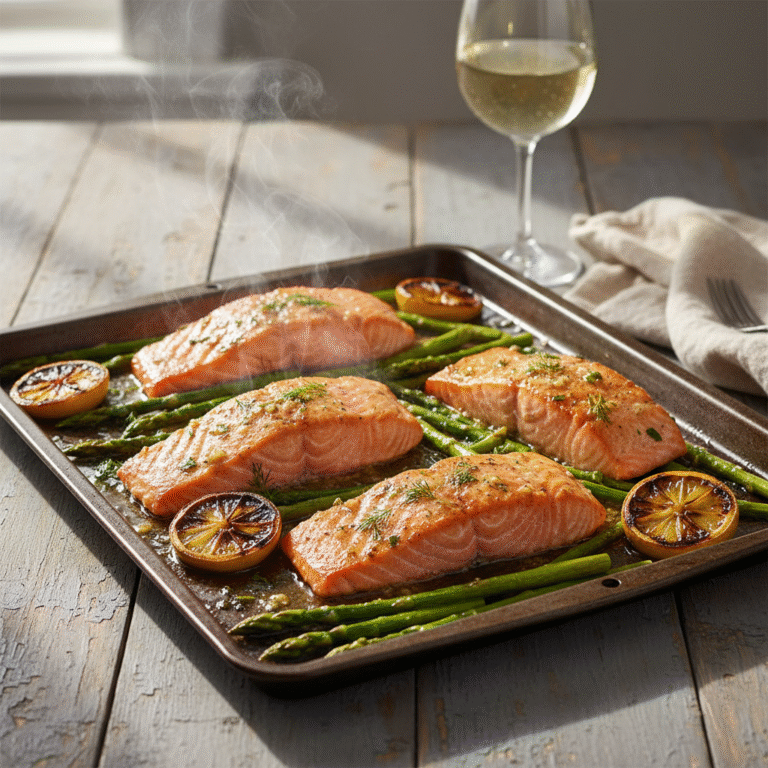
This Baked Lemon Garlic Salmon is the definition of low effort, high reward. Ready in just 20 minutes, it delivers tender, flaky fish drenched in a vibrant garlic-herb butter sauce. It is the perfect weeknight meal that feels like a restaurant-quality indulgence.
10 minutes
15 minutes
25 minutes
4 servings
Main Course
Baking
Mediterranean-American Fusion
Gluten-Free
In the hustle and bustle of modern life, finding a dinner recipe that ticks every box—healthy, delicious, fast, and visually stunning—can feel like searching for a needle in a haystack. Enter the Baked Lemon Garlic Salmon Fillet. This dish is more than just a meal; it is a savior for busy weeknights and a centerpiece for elegant dinner parties alike. There is something undeniably magical about the combination of rich, fatty salmon and the bright, zesty punch of fresh lemon juice, all tied together with the earthy, aromatic warmth of roasted garlic.
When you slide the baking sheet into the oven, the kitchen immediately fills with an intoxicating aroma that promises comfort and satisfaction. Unlike complicated stews or time-consuming roasts, this recipe respects your time without compromising on flavor. The salmon cooks to perfection, retaining its moisture and developing a buttery texture that practically melts in your mouth. We are moving away from the days of dry, flavorless fish and embracing a method that highlights the natural sweetness of the seafood while enhancing it with a savory, herbaceous glaze.
Whether you are a seasoned home cook looking for a reliable staple or a kitchen novice intimidated by cooking fish, this guide is designed for you. We will explore exactly how to achieve that restaurant-quality flake, how to balance the acidity and fat, and why this particular flavor profile has become a beloved classic in American households. Prepare to elevate your dinner rotation with a dish that is as nutritious as it is delicious, packed with heart-healthy Omega-3s and vibrant flavors that will leave your family asking for seconds.
History & Origins
The consumption of salmon dates back thousands of years, deeply rooted in the culinary traditions of indigenous peoples in the Pacific Northwest of North America, as well as in the diets of Northern Europeans and Asians. For Native American tribes such as the Coast Salish and Chinook, salmon was not merely a food source but a spiritual entity, celebrated in the ‘First Salmon Ceremony’ to ensure the return of the fish each year. Traditionally, salmon was smoked, dried, or roasted over open fires on cedar planks, methods that highlighted its rich oil content.
However, the specific marriage of lemon, garlic, and olive oil with fish is a hallmark of the Mediterranean diet, a culinary tradition spanning the coastal regions of Greece, Italy, and Spain. In these cultures, seafood is almost always prepared simply, using acid (lemon or vinegar) to cut through the richness of the fish and garlic to provide an aromatic depth. This style of cooking emphasizes the quality of fresh ingredients over complex techniques.
The fusion of these two worlds—the cold-water salmon of the Atlantic and Pacific with the warm, sunny flavors of the Mediterranean—gained massive popularity in the United States during the health-conscious movements of the 1980s and 1990s. As medical research began to tout the heart-health benefits of Omega-3 fatty acids found in salmon, and the Mediterranean diet was hailed as the gold standard for longevity, the ‘Lemon Garlic Salmon’ became a ubiquitous menu item in American restaurants and a staple in food magazines. It represented a shift towards lighter, fresher eating that didn’t sacrifice flavor, bridging the gap between ancient foraging traditions and modern nutritional science.
Why This Recipe Works
This recipe succeeds because it is built on the fundamental principles of flavor balancing and thermal dynamics. First, let’s talk about flavor. Salmon is an oily fish, rich in fats. From a culinary science perspective, fat coats the tongue and can sometimes feel heavy. The introduction of lemon juice (citric acid) cuts through this fat, cleansing the palate and making each bite taste vibrant and fresh. The garlic adds a pungent, savory note (umami) that rounds out the profile, preventing the dish from being one-dimensional.
Technically, the baking method chosen here is superior to pan-searing for most home cooks because it provides gentle, radiant heat. Pan-searing requires precise temperature control; if the pan is too hot, the outside burns before the inside cooks; too cool, and the fish steams in its own juices. Baking at a moderate-to-high temperature (400°F/200°C) allows the proteins to coagulate gently, ensuring the fish remains moist and tender. By brushing the salmon with the oil and lemon mixture *before* baking, we create a protective barrier that locks in moisture. Furthermore, adding the lemon slices on top or around the fish steams the fillets slightly with aromatic citrus vapor, infusing flavor deep into the meat rather than just sitting on the surface. This dual-action of roasting and aromatic steaming guarantees a foolproof, juicy result every single time.
Why You’ll Love This Recipe
- ✓Ready in under 25 minutes from fridge to table.
- ✓Packed with heart-healthy Omega-3 fatty acids and high-quality protein.
- ✓Uses simple pantry staples like garlic, olive oil, and lemon.
- ✓Minimal cleanup required—perfect for busy weeknights.
- ✓Versatile enough to pair with almost any side dish.
- ✓Keto, Paleo, and Whole30 compliant.
Equipment You’ll Need
- ✓Large baking sheet
- ✓Parchment paper or aluminum foil
- ✓Small mixing bowl
- ✓Whisk or fork
- ✓Pastry brush
- ✓Chef’s knife
- ✓Cutting board
Ingredients
- ✓4 salmon fillets (6 oz each), skin-on or skinless
- ✓2 tablespoons extra virgin olive oil
- ✓2 tablespoons unsalted butter, melted
- ✓2 tablespoons fresh lemon juice (about 1/2 lemon)
- ✓1 tablespoon lemon zest
- ✓4 cloves garlic, minced
- ✓2 tablespoons fresh parsley, chopped
- ✓1/2 teaspoon kosher salt
- ✓1/4 teaspoon freshly cracked black pepper
- ✓1 whole lemon, sliced into rounds (for garnish and baking)
Instructions
- Preheat your oven to 400°F (200°C). Line a large baking sheet with parchment paper or aluminum foil for easy cleanup.
- Remove the salmon fillets from the refrigerator and let them sit at room temperature for about 10 minutes. Pat them dry thoroughly with paper towels. This is crucial for ensuring the sauce adheres to the fish.
- In a small mixing bowl, whisk together the melted butter, olive oil, fresh lemon juice, lemon zest, minced garlic, chopped parsley, salt, and pepper until well combined.
- Place the salmon fillets on the prepared baking sheet, skin-side down if using skin-on fillets. Leave a little space between each fillet to ensure even cooking.
- Using a pastry brush, generously coat the top and sides of each salmon fillet with the garlic-lemon butter mixture. Use all of the sauce; do not be shy!
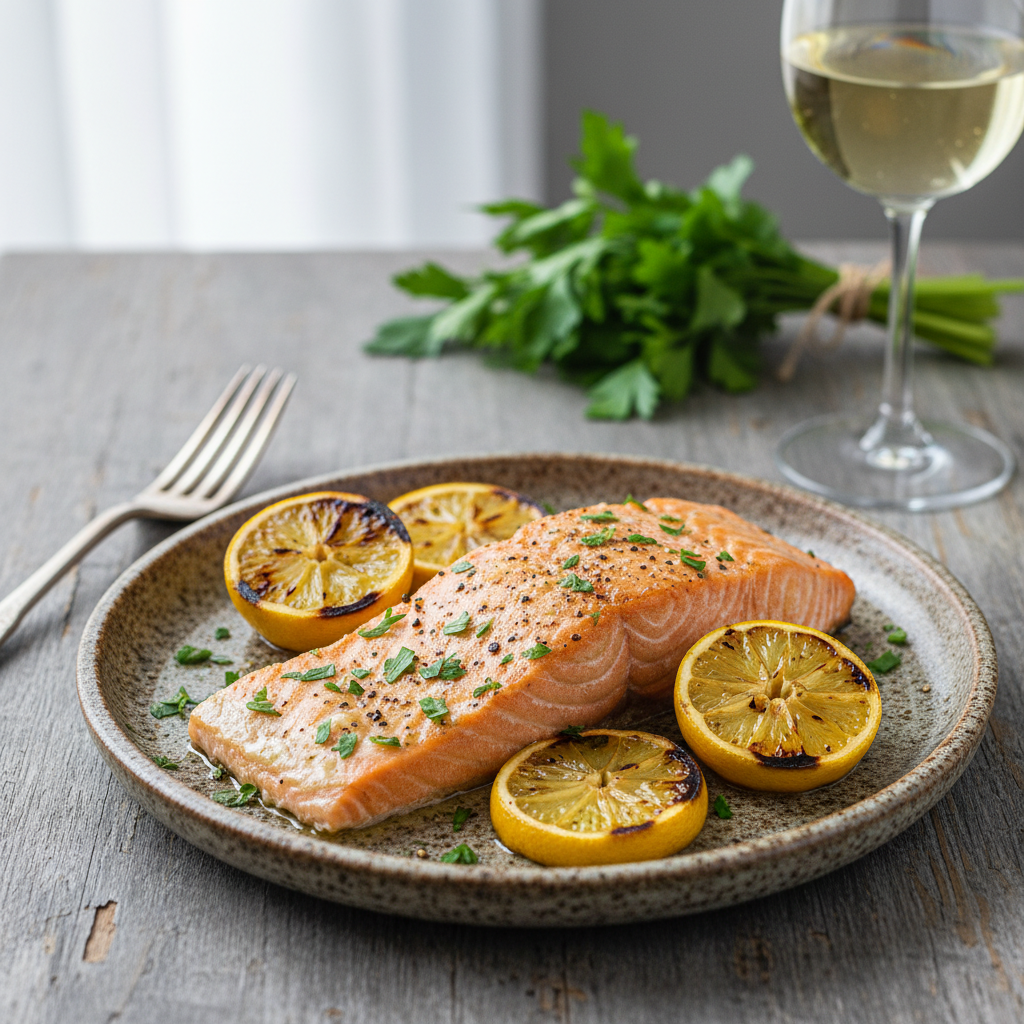
- Place a fresh lemon slice on top of each fillet or scatter them around the pan for extra aromatic steam.
- Bake in the preheated oven for 12-15 minutes. The exact time will depend on the thickness of your fillets. The salmon is done when it is opaque pink and flakes easily with a fork, or reaches an internal temperature of 145°F (63°C).
- Optional: If you prefer a slightly caramelized top, switch the oven to ‘Broil’ for the last 1-2 minutes of cooking, watching closely to prevent burning.
- Remove from the oven and garnish with extra fresh parsley and lemon wedges. Serve immediately.
Expert Cooking Tips
- ✓Don’t Skip the Drying: Patting the salmon dry removes surface moisture, preventing the fish from steaming and helping the butter sauce stick.
- ✓Room Temperature is Key: Letting the fish sit out for 10 minutes before baking ensures it cooks evenly. Cold fish in a hot oven can lead to an overcooked outside and undercooked inside.
- ✓Watch the Thickness: Adjust cook time based on thickness. A thick center-cut fillet needs more time than a thin tail piece.
- ✓Fresh Garlic Matters: Avoid jarred minced garlic if possible; the flavor of freshly minced garlic is far superior in this simple dish.
- ✓Rest the Fish: Let the salmon rest for 2-3 minutes after taking it out of the oven. This allows the juices to redistribute throughout the fillet.
- ✓Use a Thermometer: The most accurate way to prevent dry fish is to pull it when the internal temp hits 140°F—carryover cooking will take it to 145°F.
Substitutions and Variations
This recipe is incredibly flexible. If you don’t have **salmon**, this marinade works beautifully with other fish like trout, arctic char, or even firm white fish like cod or halibut (adjust cooking times accordingly). For the fat, you can use all **olive oil** for a dairy-free version, or all **butter** for a richer taste. If **fresh garlic** is unavailable, use 1 teaspoon of garlic powder, though fresh is highly recommended. **Parsley** can be swapped for fresh dill, cilantro, or basil depending on the flavor profile you want. If you don’t have **lemons**, limes or even oranges can provide a nice citrus acidity, though it will change the flavor profile significantly. For a spicy kick, add a pinch of red pepper flakes or cayenne to the butter mixture.
Common Mistakes to Avoid
The most common mistake is **overcooking the salmon**. Salmon goes from perfectly moist to dry and chalky very quickly. Watch for the white albumin (protein) seeping out—a little is fine, but a lot means it’s overcooked. Another mistake is **not seasoning enough**. Fish can be bland, so don’t skimp on the salt and lemon. Using **bottled lemon juice** gives a metallic, artificial taste; always use fresh lemons for this recipe. Finally, **overcrowding the pan** can cause the fish to steam rather than roast, so ensure there is air circulation around each fillet.
Serving Suggestions
This salmon is a versatile protein that pairs with almost anything. For a low-carb meal, serve it alongside roasted asparagus, steamed broccoli, or a fresh zucchini noodle salad. For a heartier dinner, pair it with garlic mashed potatoes, fluffy jasmine rice, or a creamy mushroom risotto. It also goes beautifully on top of a large Greek salad with feta and olives. A glass of crisp white wine, such as Sauvignon Blanc or Pinot Grigio, complements the lemon and garlic notes perfectly.
Storage and Reheating Tips
Leftover salmon can be stored in an airtight container in the refrigerator for up to 3 days. To reheat, do so gently to avoid drying it out—place it in a 275°F oven covered with foil until just warmed through, or use a microwave on 50% power in short bursts. Alternatively, cold leftover salmon is delicious flaked over salads, mixed into a grain bowl, or used as a filling for wraps or sandwiches, so you don’t strictly need to reheat it.
Nutrition Facts (Estimated)
| Serving Size | 1 fillet (approx 6oz) |
| Calories | 345 |
| Fat | 22g |
| Saturated Fat | 3.5g |
| Unsaturated Fat | 17g |
| Trans Fat | 0g |
| Cholesterol | 95mg |
| Sodium | 380mg |
| Carbohydrates | 3g |
| Fiber | 0.5g |
| Sugar | 0.5g |
| Protein | 34g |
Frequently Asked Questions
How do I know when the salmon is done?
The salmon is done when the color changes from translucent red to opaque pink. When you press it gently with a fork, it should flake apart easily. An instant-read thermometer should read 145°F (63°C) at the thickest part.
Should I bake the salmon covered or uncovered?
Bake it uncovered. This allows the hot air to roast the fish and caramelize the garlic butter slightly. Covering it will steam the fish, which results in a softer, wetter texture.
Can I use frozen salmon?
Yes, but you must thaw it completely before baking. Thaw it overnight in the refrigerator or seal it in a bag and submerge it in cold water for 30 minutes. Baking frozen salmon directly will result in uneven cooking and a watery sauce.
What is the white stuff that comes out of the salmon?
That is albumin, a protein that coagulates when heated. It is perfectly safe to eat. If you see a lot of it, it usually indicates the salmon was cooked too quickly or at too high a temperature, or simply overcooked.
Can I make this in an air fryer?
Absolutely. Preheat your air fryer to 380°F (190°C). Place the seasoned fillets in the basket and cook for 7-10 minutes, depending on thickness. It cooks faster than a conventional oven, so keep an eye on it.
Is it better to use wild-caught or farmed salmon?
Wild-caught salmon generally has a more intense flavor, leaner texture, and higher mineral content, but it can be pricier and dry out faster. Farmed salmon is fattier and more forgiving to cook. Both work well, but if using wild, check it a minute or two earlier.
Can I meal prep this recipe?
Yes, salmon meal preps well for up to 3 days. However, seafood is best eaten fresh. If meal prepping, consider slightly undercooking it so it doesn’t dry out when you reheat it later.
How do I stop the fishy smell?
Fresh salmon shouldn’t smell overly fishy; it should smell like the ocean. Soaking the fish in milk for 20 minutes before cooking can help neutralize odors, but the lemon and garlic in this recipe usually mask any strong fishiness effectively.
Can I leave the skin on?
Yes, keeping the skin on helps hold the fish together and protects the meat from the hot pan. You can easily slide the meat off the skin after baking if you don’t want to eat it.
Is this recipe keto-friendly?
Yes, this recipe is naturally low-carb, high-fat, and high-protein, making it perfect for Keto, Paleo, and Whole30 diets (if using ghee instead of butter for Whole30/Paleo).
Conclusion
Baked Lemon Garlic Salmon is a testament to the idea that great food doesn’t need to be complicated. With just a handful of high-quality ingredients and twenty minutes of your time, you can create a meal that nourishes the body and delights the senses. It is a recipe that belongs in every home cook’s repertoire, ready to save the day when time is short but standards are high. We hope this dish brings a splash of brightness to your dinner table. If you try it, don’t forget to pin it for later and share your results with us!