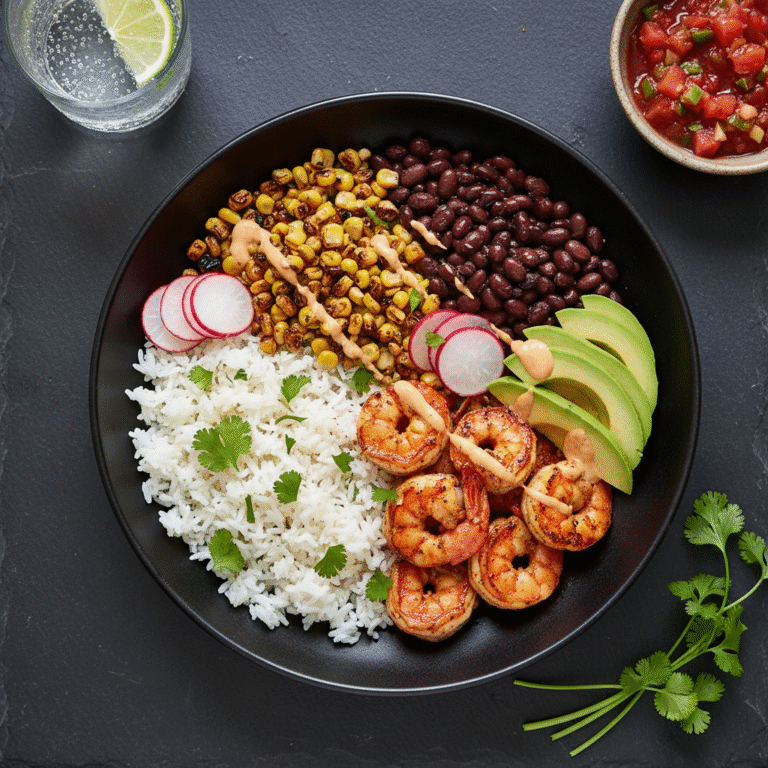
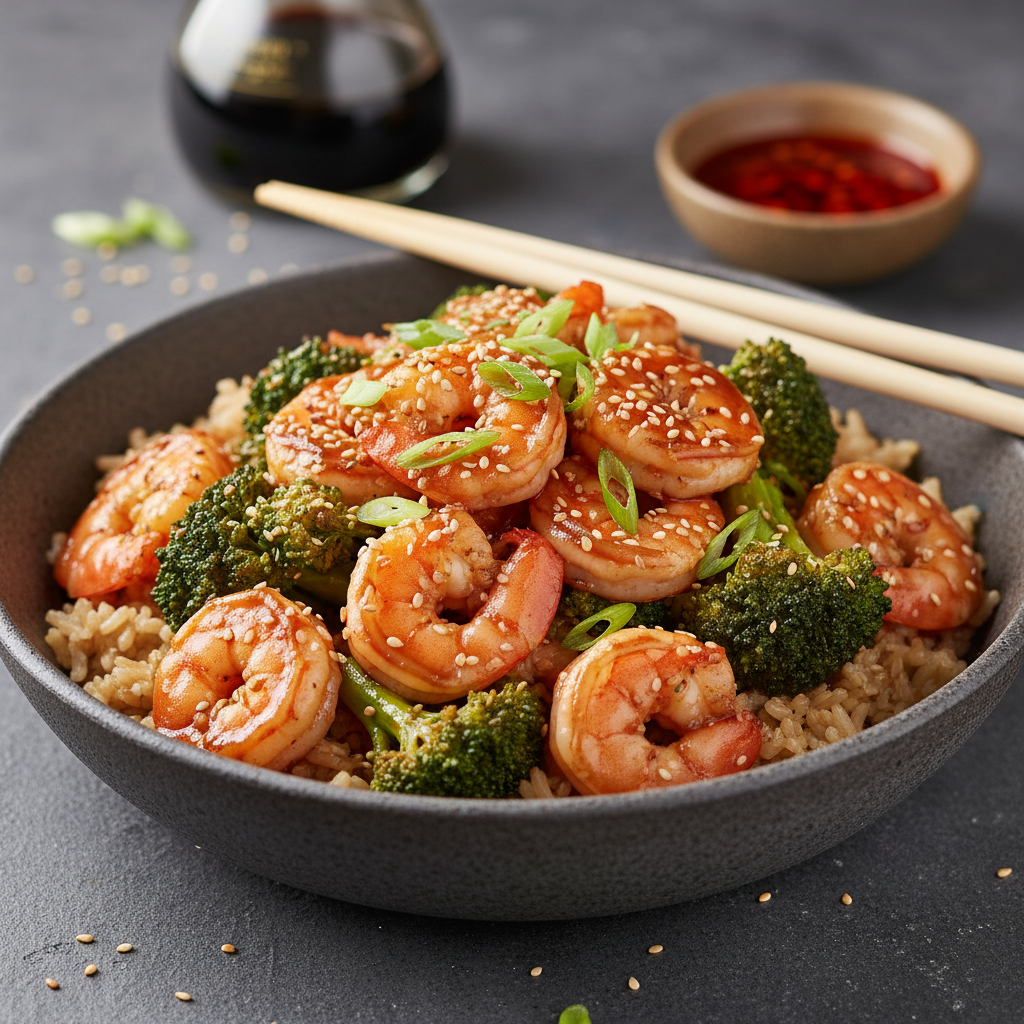
Better-Than-Takeout Shrimp and Broccoli Stir Fry with Nutty Brown Rice
Shrimp And Broccoli Stir Fry With Brown Rice Recipe
Ditch the delivery menu for this vibrant, healthy, and incredibly flavorful Shrimp and Broccoli Stir Fry. Paired with wholesome brown rice and coated in a savory garlic-ginger sauce, this 30-minute meal offers the perfect balance of lean protein, fiber-rich veggies, and complex carbohydrates for a satisfying weeknight dinner.
15 minutes
30 minutes
45 minutes
4 servings
Main Course
Stovetop
Chinese-American
Gluten-Free
In the hustle and bustle of modern life, the dinner dilemma is a tale as old as time: you want something fast, you crave something flavorful, but you know you should be eating something healthy. Often, we succumb to the siren call of the local takeout spot, trading nutrition for convenience and that unmistakable savory hit of soy and garlic. But what if I told you that you could have it all? This Shrimp and Broccoli Stir Fry with Brown Rice is the ultimate answer to your weeknight prayers. It captures the glossy, umami-rich essence of your favorite Chinese-American takeout dish but elevates it with fresh, high-quality ingredients and a nutritional profile that will leave you feeling energized rather than sluggish.
The magic of this dish lies in its simplicity and the harmony of its components. We start with succulent, large shrimp—nature’s fast food—which cook in mere minutes to a tender, snappy perfection. We pair them with vibrant green broccoli florets, which act as little sponges soaking up the sauce while providing a satisfying crunch. But the real game-changer here is the switch to brown rice. Unlike white rice, which can sometimes get lost in the background, brown rice brings a nutty, earthy flavor and a chewy texture that stands up beautifully to the bold stir-fry sauce. It adds a layer of complexity and heartiness that turns a light stir-fry into a substantial, stick-to-your-ribs meal.
Let’s talk about the sauce, because a stir fry is only as good as its coating. This isn’t a jarred, sugary concoction. It’s a homemade blend of low-sodium soy sauce, fresh ginger, pungent garlic, a hint of sesame oil, and just enough sweetness to balance the salt. It thickens into a glossy glaze that clings to every curve of the shrimp and every crevice of the broccoli. As you toss the ingredients in the hot pan, the aroma of searing aromatics fills the kitchen, signaling that something delicious is moments away. Whether you are cooking for a family of four or meal-prepping for the week ahead, this recipe delivers on every front: taste, health, and speed.
History & Origins
The technique of stir-frying, known as ‘chao’ in Mandarin, is an ancient culinary art form that dates back to the Han Dynasty in China. Historically, fuel was scarce and expensive, so cooks developed a method of cutting ingredients into small, uniform bite-sized pieces and cooking them rapidly over high heat in a wok. This conserved fuel while preserving the texture, color, and nutritional value of the food. The wok, with its sloping sides and high conductivity, allowed for the famous ‘wok hei’ or ‘breath of the wok’—that distinct, smoky flavor achieved only through high-heat searing.
When Chinese immigrants began arriving in the United States in the mid-19th century, particularly during the Gold Rush and the construction of the Transcontinental Railroad, they brought their culinary traditions with them. However, they had to adapt to the ingredients available in their new home. Traditional Chinese vegetables like gai lan (Chinese broccoli) were not readily available in the standard American market, so cooks began substituting Western broccoli. This adaptation birthed the now-iconic combination of Beef and Broccoli, and subsequently, Shrimp and Broccoli.
The pairing of shrimp and broccoli specifically gained traction as a lighter, pescatarian-friendly alternative to heavier beef dishes. It became a staple on Chinese-American restaurant menus across the country, symbolizing the successful fusion of traditional Cantonese cooking techniques with Western palate preferences and ingredient availability. The inclusion of brown rice in this recipe reflects a more modern evolution in food culture. As health consciousness rose in the late 20th and early 21st centuries, the demand for whole grains grew. Brown rice, which retains the bran and germ layers removed from white rice, became the preferred carbohydrate for those seeking lower glycemic index options and higher fiber content, marking the latest chapter in the ongoing evolution of this beloved dish.
Why This Recipe Works
This recipe succeeds where many home stir-frys fail because it meticulously addresses the two biggest pitfalls of the genre: texture and sauce consistency. First, let’s address the texture. Shrimp is a delicate protein; cook it too long and it becomes rubbery and tough. This recipe utilizes a two-step cooking process. We sear the shrimp first and remove them from the pan while they are just barely cooked through. This ensures they retain their juicy snap. We then cook the broccoli separately with a splash of water to steam it rapidly. This technique, often called ‘steam-frying,’ ensures the broccoli becomes tender-crisp and vibrant green, rather than brown and mushy or raw and hard.
Secondly, the sauce. Many home cooks struggle with watery sauces that pool at the bottom of the plate rather than coating the food. This recipe employs a cornstarch slurry mixed directly into the sauce base before it hits the pan. By combining the cold sauce ingredients with cornstarch, we ensure that as soon as the liquid hits the hot wok, it gelatinizes instantly, creating a velvet-like consistency that clings to the ingredients. The addition of brown rice is also strategic; its firmer texture prevents it from becoming mushy when mixed with the sauce, unlike some varieties of white rice which can disintegrate. The nutty flavor of the brown rice also bridges the gap between the sweet notes of the shrimp and the earthy, sulfurous notes of the broccoli, creating a perfectly balanced bite.
Why You’ll Love This Recipe
- ✓Ready in under 45 minutes, making it perfect for busy weeknights.
- ✓Packed with lean protein and high-fiber complex carbohydrates.
- ✓Features a homemade, preservative-free sauce that is lower in sodium than takeout.
- ✓Versatile and easily customizable with different veggies or proteins.
- ✓Meal-prep friendly; tastes just as good the next day.
Equipment You’ll Need
- ✓Large Wok or Skillet
- ✓Rice Cooker or Medium Pot
- ✓Small Mixing Bowl (for sauce)
- ✓Whisk
- ✓Chef’s Knife
- ✓Cutting Board
- ✓Measuring Cups and Spoons
Ingredients
- ✓1 lb Large Shrimp (peeled, deveined, tails removed)
- ✓4 cups Broccoli Florets (cut into bite-sized pieces)
- ✓1 cup Uncooked Brown Rice
- ✓2 cups Water or Vegetable Broth (for rice)
- ✓2 tbsp Vegetable Oil or Avocado Oil (divided)
- ✓3 cloves Garlic (minced)
- ✓1 tbsp Fresh Ginger (grated)
- ✓1/2 cup Low-Sodium Soy Sauce (or Tamari for GF)
- ✓1/4 cup Chicken or Vegetable Broth
- ✓1 tbsp Rice Vinegar
- ✓1 tbsp Brown Sugar or Honey
- ✓1 tsp Sesame Oil
- ✓1 tbsp Cornstarch
- ✓1/4 tsp Red Pepper Flakes (optional)
- ✓Green Onions and Sesame Seeds (for garnish)
Instructions
- 1. Cook the Rice: Rinse the brown rice thoroughly under cold water. Combine rice and 2 cups of water (or broth) in a rice cooker or pot. Cook according to package instructions. This usually takes about 30-40 minutes, so start this first.
- 2. Make the Sauce: In a small bowl, whisk together the soy sauce, chicken broth, rice vinegar, brown sugar, sesame oil, grated ginger, minced garlic, red pepper flakes, and cornstarch. Whisk until the cornstarch is completely dissolved and no lumps remain. Set aside.
- 3. Prep the Shrimp: Pat the shrimp completely dry with paper towels. This is crucial for getting a good sear. Season lightly with a pinch of salt and pepper.
- 4. Sear the Shrimp: Heat 1 tablespoon of oil in a large wok or skillet over medium-high heat. Add the shrimp in a single layer (do this in batches if necessary to avoid overcrowding). Cook for 2-3 minutes per side until pink and opaque. Remove shrimp from the pan and set aside on a plate.
- 5. Cook the Broccoli: Wipe out the wok if needed and add the remaining 1 tablespoon of oil. Add the broccoli florets and toss to coat. Cook for 1-2 minutes until bright green. Add 2 tablespoons of water to the pan and immediately cover with a lid to steam for 2-3 minutes, or until the broccoli is tender-crisp.
- 6. Combine: Remove the lid and let any remaining water evaporate. Give the sauce a quick whisk (cornstarch settles) and pour it over the broccoli. Let it bubble and thicken for about 30 seconds.
- 7. Finish: Add the cooked shrimp back into the pan. Toss everything together until the shrimp and broccoli are evenly coated in the glossy sauce and heated through.
- 8. Serve: Fluff the cooked brown rice with a fork. Serve the stir fry over a bed of brown rice, garnished with sliced green onions and toasted sesame seeds.
Expert Cooking Tips
- ✓Dry the Shrimp: Moisture is the enemy of a good sear. Ensure your shrimp are very dry before they hit the hot oil.
- ✓Mise en Place: Stir frying happens fast. Have all your veggies chopped and sauce mixed before you turn on the stove.
- ✓Don’t Overcrowd: If your pan is too full, ingredients will steam instead of sear. Cook in batches if you have a smaller pan.
- ✓Fresh Ginger: Use fresh ginger root instead of powder for a significantly brighter, zesty flavor kick.
- ✓Cold Rice: If you have leftover cold brown rice from the day before, it works even better as the grains are firmer.
Substitutions and Variations
This recipe is incredibly flexible. If you aren’t a fan of shrimp, you can easily swap it for cubed chicken breast, sliced flank steak, or firm tofu. For the tofu, press it first to remove excess water and pan-fry until golden. If broccoli isn’t your favorite, try snap peas, bell peppers, baby bok choy, or asparagus; just adjust the cooking time slightly to ensure they don’t get mushy. For the grains, while brown rice offers a nutty flavor and high fiber, you can substitute it with white jasmine rice, quinoa, or even cauliflower rice for a low-carb option. To make this recipe gluten-free, ensure you use Tamari or coconut aminos instead of traditional soy sauce, as standard soy sauce contains wheat.
Common Mistakes to Avoid
The most common mistake with this dish is overcooking the shrimp. Shrimp cook incredibly fast, and leaving them in the pan while you cook the vegetables will result in a tough, rubbery texture. Always remove them once they turn pink and add them back at the very end. Another mistake is adding the sauce to a cold pan or not whisking it right before pouring. Cornstarch settles at the bottom of the bowl quickly; if you don’t whisk it again, you’ll leave the thickening agent behind and end up with a thin sauce. Lastly, failing to steam the broccoli can leave it tough and raw in the middle; that splash of water and the lid are essential for perfect texture.
Serving Suggestions
Serve this stir fry piping hot in wide, shallow bowls. It pairs beautifully with a side of spring rolls or potstickers for a complete ‘fake-out’ takeout experience. A light cucumber salad with vinegar dressing makes a refreshing side dish to cut through the savory richness of the sauce. For beverages, crisp green tea, a cold lager, or a dry Riesling complements the salty and sweet notes of the stir fry perfectly.
Storage and Reheating Tips
Store leftovers in an airtight container in the refrigerator for up to 3 days. To reheat, it is best to use a skillet over medium heat with a splash of water to loosen the sauce and steam the rice. You can also microwave it, but be careful not to overheat the shrimp, or they will become tough. If you are meal prepping, you can store the rice and the stir fry in separate compartments to maintain the best texture. This dish does not freeze particularly well, as the vegetables can become mushy and the sauce may separate upon thawing.
Nutrition Facts (Estimated)
| Serving Size | 1 bowl (approx 350g) |
| Calories | 420 |
| Fat | 12g |
| Saturated Fat | 2g |
| Unsaturated Fat | 9g |
| Trans Fat | 0g |
| Cholesterol | 185mg |
| Sodium | 680mg |
| Carbohydrates | 48g |
| Fiber | 6g |
| Sugar | 6g |
| Protein | 28g |
Frequently Asked Questions
Can I use frozen shrimp?
Yes, absolutely. Just ensure they are completely thawed and pat them very dry with paper towels before cooking to ensure they sear rather than steam.
Can I use frozen broccoli?
You can, but fresh broccoli yields a much better crunch. If using frozen, skip the steaming step with the lid and just stir fry it until heated through, as it is already blanched.
Is this recipe spicy?
It has a mild kick from the red pepper flakes, but it is not overwhelmingly spicy. You can omit the flakes entirely for a kid-friendly version or add Sriracha for more heat.
Why is my sauce too thick?
If the sauce becomes too thick and gloopy, simply stir in a tablespoon of water or broth at a time until it reaches your desired consistency.
Why is my sauce too thin?
The sauce needs to come to a boil to activate the cornstarch. Ensure the pan is hot enough. If it’s still thin, mix a teaspoon of cornstarch with cold water and add it in.
Can I make this ahead of time?
You can prep all the ingredients (chop veggies, mix sauce) a day in advance. However, the actual cooking is best done right before serving for the best texture.
What kind of brown rice is best?
Short-grain brown rice tends to be stickier and works well for chopstick eating, while long-grain brown rice is fluffier. Either works fine depending on your preference.
Can I double the recipe?
Yes, but be careful not to overcrowd the pan. If doubling, it is best to cook the shrimp and vegetables in two separate batches and combine them in a large bowl at the end.
Conclusion
There you have it—a Shrimp and Broccoli Stir Fry with Brown Rice that checks every box: healthy, delicious, fast, and satisfying. By making this at home, you control the ingredients, the sodium level, and the quality of the produce, resulting in a meal that tastes better and makes you feel better than any takeout container ever could. Whether you are a seasoned chef or a kitchen novice, this recipe is forgiving and rewarding. So, put down the phone, cancel that delivery order, and get your wok heating up. Your taste buds (and your wallet) will thank you.