20-Minute Garlic Butter Shrimp Zucchini Noodle Skillet (Low Carb & Keto)
Garlic Butter Shrimp Zucchini Noodle Skillet Recipe
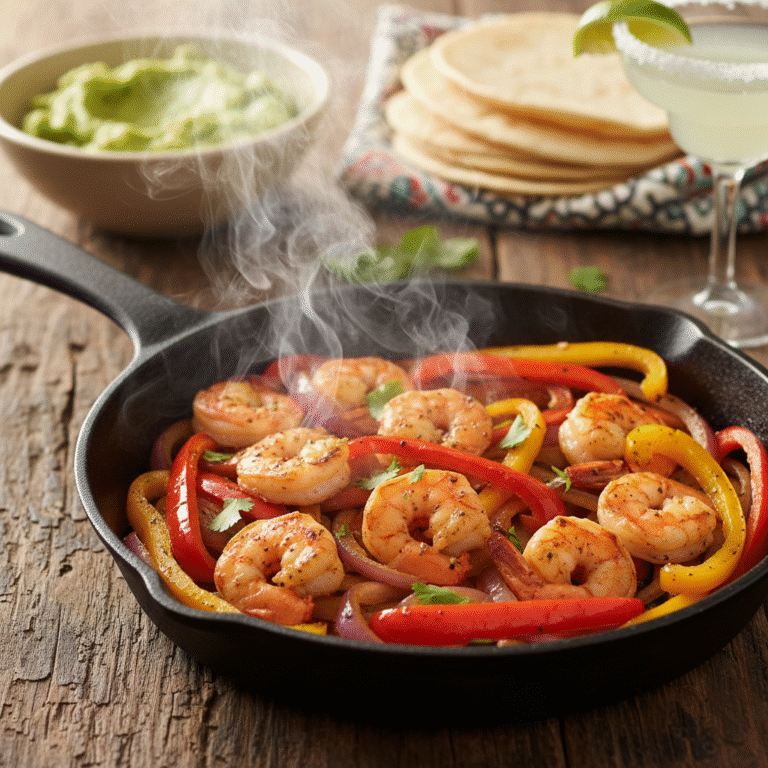
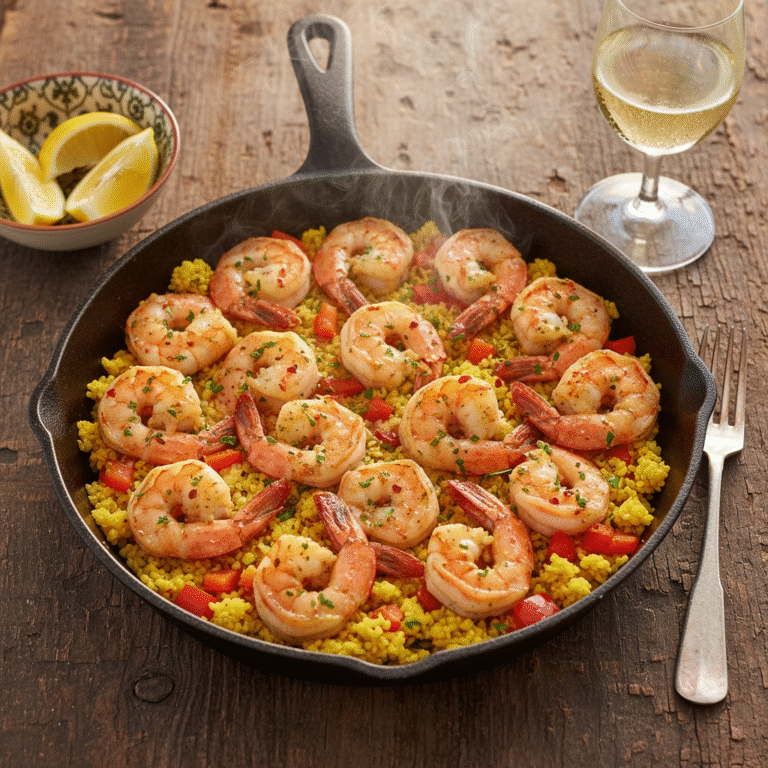
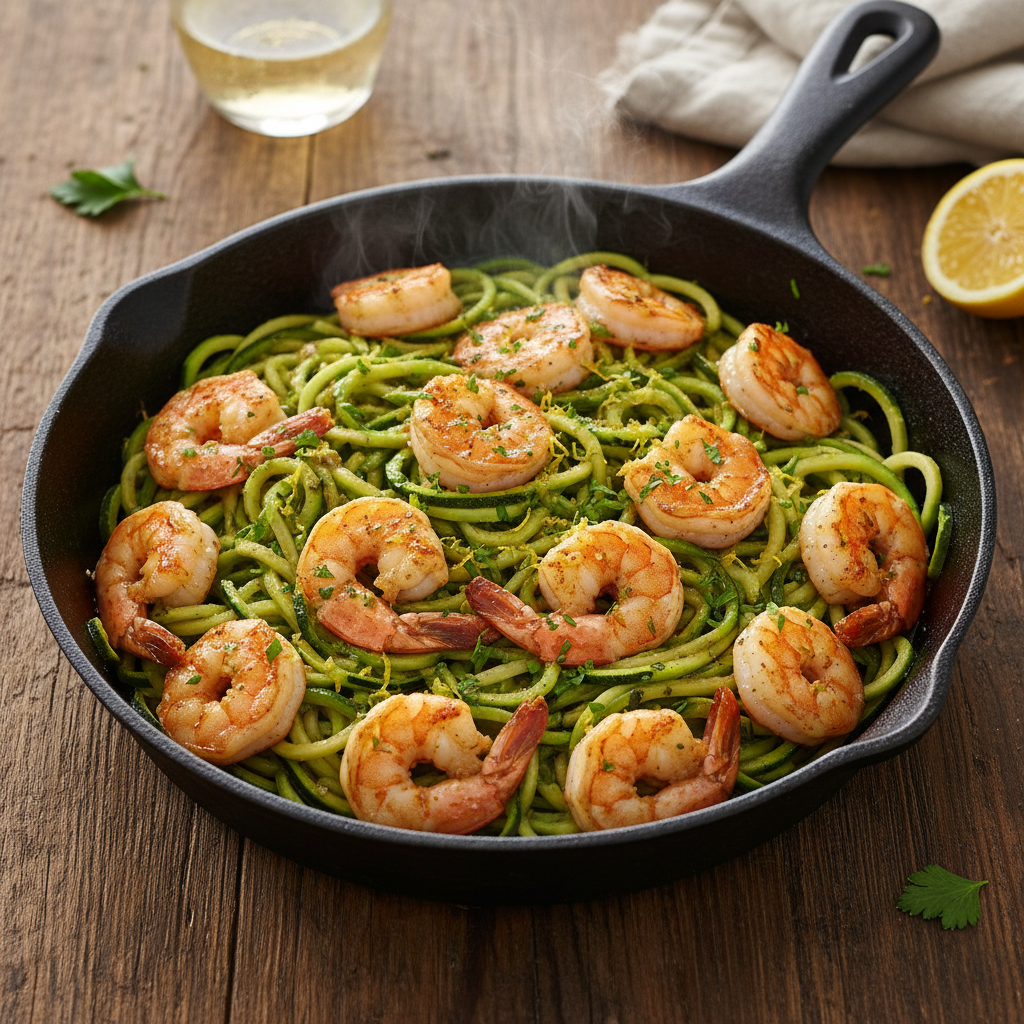
This vibrant Garlic Butter Shrimp Zucchini Noodle Skillet is the ultimate answer to busy weeknights when you crave something decadent yet light. Ready in under 20 minutes, it pairs succulent, pan-seared shrimp with tender-crisp zoodles, all tossed in a rich, lemon-garlic butter sauce. It is a low-carb, keto-friendly masterpiece that refuses to compromise on flavor.
15 minutes
10 minutes
25 minutes
4 servings
Main Course
Stovetop
American / Italian-Fusion
Gluten-Free
Welcome to your new favorite weeknight obsession. In the world of healthy eating, there is often a misconception that cutting carbs means cutting out the joy of eating. This Garlic Butter Shrimp Zucchini Noodle Skillet is here to shatter that myth completely. Imagine the intoxicating aroma of fresh garlic sizzling in high-quality butter, the bright zest of lemon cutting through the richness, and the perfect snap of a well-cooked shrimp. Now, pair that with zucchini noodles—affectionately known as ‘zoodles’—that have been treated with care to ensure they remain al dente, absorbing that liquid gold sauce without becoming a watery mess.
What makes this dish truly spectacular is its simplicity. We aren’t hiding behind heavy creams or complex techniques. We are relying on the holy trinity of flavor: fat, acid, and heat. The butter provides the luxurious mouthfeel, the lemon juice and white wine (or broth) offer the necessary acidity to brighten the palate, and the red pepper flakes add just a hum of heat to keep things interesting. This recipe is specifically designed for the modern home cook who wants a Pinterest-worthy dinner on the table in less time than it takes to order delivery. Whether you are strictly Keto, gluten-free, or just trying to incorporate more vegetables into your diet, this skillet meal checks every single box. It is elegant enough for a date night in, yet rugged enough to be scooped straight from the cast-iron skillet for a comforting solo meal. Let’s dive into how to transform simple garden vegetables and frozen shrimp into a gourmet experience.
History & Origins
To understand the roots of this dish, we have to look at two distinct culinary timelines: the evolution of Shrimp Scampi and the modern rise of the vegetable noodle. The flavor profile here is undeniably rooted in the Italian-American tradition of Shrimp Scampi. The word ‘scampi’ actually refers to a specific crustacean, the langoustine, found in the Mediterranean. When Italian immigrants came to the United States, langoustines were scarce, so they adapted their recipes using the widely available shrimp from the Gulf and Atlantic coasts. They kept the preparation style—sautéing in garlic, butter, wine, and lemon—and thus, the American ‘Shrimp Scampi’ was born.
Fast forward to the early 2010s, and the culinary landscape began to shift dramatically with the wellness revolution. As Paleo, Whole30, and low-carb diets gained traction, home cooks began looking for pasta alternatives. Enter the spiralizer. While vegetable carving has been a part of Asian cuisine for centuries, the specific trend of turning zucchini into spaghetti-like strands exploded in Western kitchens around 2013-2015. It offered a vehicle for sauces that mimicked the texture of pasta without the glycemic load. This recipe is a marriage of that mid-20th-century Italian-American ingenuity and the 21st-century health-conscious movement. It takes the classic, beloved flavors of a scampi and updates them for a generation that values nutrient density as much as taste.
Why This Recipe Works
This recipe succeeds where many other zoodle dishes fail because it addresses the number one enemy of zucchini noodles: moisture. Zucchini is approximately 95% water. When you cook it, that water releases, often turning a delicious sauce into a bland soup. This recipe utilizes a high-heat, quick-sear method. By cooking the shrimp first and removing them, we build a ‘fond’ (flavor base) in the pan. When we add the zucchini noodles later, we do so only for a fleeting moment—just enough to warm them through and coat them in the emulsified butter sauce, but not long enough to break down their cellular structure completely.
Furthermore, the flavor balance is scientifically sound. Shrimp is naturally sweet and mild. It requires aggressive seasoning to shine. The compound butter sauce acts as a lipid delivery system for the garlic and spices, coating the surface area of the noodles and shrimp evenly. The addition of lemon juice is crucial; the citric acid balances the heavy fat content of the butter, cleansing the palate with every bite. Finally, finishing the dish with fresh parsley adds a grassy, herbal note that cuts through the richness, providing a complete sensory experience.
Why You’ll Love This Recipe
- ✓Ready in under 25 minutes from start to finish
- ✓Low-carb, Keto, and Gluten-Free compliant
- ✓One-pan cleanup for easy weeknight cooking
- ✓High protein content keeps you full longer
- ✓Uses simple pantry staples for gourmet flavor
Equipment You’ll Need
- ✓Large Cast Iron Skillet or Non-Stick Pan
- ✓Spiralizer or Julienne Peeler
- ✓Chef’s Knife
- ✓Cutting Board
- ✓Tongs
- ✓Measuring Spoons
- ✓Paper Towels
Ingredients
- ✓1.5 lbs large shrimp, peeled and deveined (tails on or off)
- ✓4 medium zucchini, spiralized into noodles
- ✓3 tablespoons olive oil, divided
- ✓4 tablespoons unsalted butter, divided
- ✓5 cloves garlic, minced
- ✓1/4 cup chicken broth (or dry white wine)
- ✓1 teaspoon red pepper flakes (optional)
- ✓1 large lemon, juiced and zested
- ✓1/4 cup fresh parsley, chopped
- ✓Salt and freshly cracked black pepper to taste
Instructions
- 1. Prep the Zucchini: Spiralize your zucchini into noodles. Lay them out on paper towels and sprinkle lightly with salt. Let them sit for 10 minutes to draw out excess moisture, then pat them very dry. This is the secret to non-soggy zoodles.
- 2. Prep the Shrimp: While the zucchini sits, rinse your shrimp and pat them thoroughly dry with paper towels. Season generously with salt and black pepper.
- 3. Sear the Shrimp: Heat 1 tablespoon of olive oil and 1 tablespoon of butter in a large skillet over medium-high heat. Add the shrimp in a single layer (do this in batches if necessary to avoid steaming). Cook for 1-2 minutes per side until pink and opaque. Remove shrimp from the pan and set aside.
- 4. Make the Sauce: In the same pan, add the remaining butter and olive oil. Once melted, add the minced garlic and red pepper flakes. Sauté for about 30-60 seconds until fragrant, being careful not to burn the garlic.
- 5. Deglaze: Pour in the chicken broth (or white wine) and lemon juice. Use a wooden spoon to scrape up any browned bits from the bottom of the pan. Let the liquid simmer for 2 minutes to reduce slightly.
- 6. Combine: Add the zucchini noodles to the pan and toss with tongs to coat in the sauce. Cook for only 1-2 minutes—just until they begin to soften but still have a crunch.
- 7. Finish: Return the cooked shrimp to the pan. Toss everything together for another 30 seconds to reheat the shrimp. Remove from heat immediately.
- 8. Garnish: Stir in the lemon zest and fresh parsley. Taste and adjust salt/pepper if needed. Serve immediately.
Expert Cooking Tips
- ✓Dry Your Shrimp: Wet shrimp will steam instead of sear. For that golden crust, they must be bone dry before hitting the hot pan.
- ✓Don’t Crowd the Pan: If your skillet is small, cook the shrimp in two batches. Crowding lowers the pan temperature and leads to rubbery shrimp.
- ✓Watch the Garlic: Garlic burns very quickly. Once it hits the hot oil, keep it moving and add your liquids as soon as it becomes aromatic.
- ✓Al Dente Zoodles: Zucchini continues to cook from residual heat even after you take it off the stove. Undercook them slightly in the pan for the perfect texture on the plate.
- ✓Fresh Lemon is Key: Do not use bottled lemon juice. The flavor profile relies heavily on the brightness of fresh citrus.
Substitutions and Variations
This recipe is incredibly versatile. If you aren’t a fan of shrimp, you can easily swap it for bite-sized pieces of chicken breast or thighs; just adjust the cooking time to ensure the chicken is cooked through. For a vegetarian option, chickpeas or firm tofu cubes work beautifully to absorb the garlic butter sauce. If you don’t have a spiralizer or zucchini on hand, this sauce is equally delicious over spaghetti squash, shirataki noodles, or even regular pasta if you aren’t watching carbs. For the sauce, you can substitute vegetable broth for chicken broth. If you are dairy-free, swap the butter for a high-quality vegan butter alternative or simply use more olive oil, though the flavor will be less rich.
Common Mistakes to Avoid
The most common mistake people make with this dish is overcooking the zucchini. Zucchini has a very high water content, and applying heat for too long breaks down the cell walls, releasing all that water into your beautiful sauce, turning it into a soup. Treat the zoodles like delicate angel hair pasta—they only need a minute or two. Another mistake is burning the garlic. If your pan is too hot after searing the shrimp, let it cool for a minute before adding the butter and garlic. Burnt garlic tastes bitter and will ruin the entire dish. Finally, forgetting to salt and drain the zucchini before cooking is a skipped step you will regret; that initial moisture removal is crucial for texture.
Serving Suggestions
This skillet meal is a complete dish on its own, but it pairs wonderfully with a side of crusty garlic bread (or keto bread) to soak up the extra sauce. A crisp, green salad with a light vinaigrette helps cut through the richness of the butter. If you want to bulk up the meal, you can serve this alongside roasted cherry tomatoes or steamed broccoli. For a beverage pairing, a crisp, dry white wine like a Sauvignon Blanc or Pinot Grigio complements the garlic and lemon flavors perfectly.
Storage and Reheating Tips
This dish is best enjoyed fresh, as zucchini noodles tend to release more water as they sit. However, if you have leftovers, store them in an airtight container in the refrigerator for up to 2 days. When reheating, do not use the microwave if possible, as it will make the zoodles mushy. Instead, gently reheat in a skillet over medium heat just until warm. If you are meal prepping, store the cooked shrimp and the raw, spiralized zucchini in separate containers. Reheat the shrimp and toss the raw noodles in a fresh batch of garlic butter sauce right before serving.
Nutrition Facts (Estimated)
| Serving Size | 1 bowl (approx 300g) |
| Calories | 340 |
| Fat | 22g |
| Saturated Fat | 12g |
| Unsaturated Fat | 9g |
| Trans Fat | 0g |
| Cholesterol | 285mg |
| Sodium | 680mg |
| Carbohydrates | 8g |
| Fiber | 3g |
| Sugar | 4g |
| Protein | 28g |
Frequently Asked Questions
Can I use frozen shrimp?
Yes, absolutely. Just make sure to thaw them completely and pat them very dry before cooking. Frozen shrimp often hold more water, so the drying step is extra important.
Do I need to peel the zucchini?
No, peeling is not necessary. The skin adds a nice pop of color and contains many of the nutrients. However, if you prefer a texture more similar to traditional pasta, you can peel them.
Can I make this dairy-free?
Yes. Substitute the butter with ghee (clarified butter) or use a high-quality vegan butter. You can also just stick to olive oil, perhaps using an infused garlic olive oil for extra flavor.
My sauce is too watery, how do I fix it?
This usually happens if the zoodles weren’t drained or were overcooked. You can try removing the solids (shrimp and noodles) and boiling the sauce on high heat to reduce it, or stir in a tiny slurry of cornstarch (or xanthan gum for keto) and water.
Is this dish spicy?
It has a very mild kick from the red pepper flakes. If you are sensitive to spice or cooking for young children, you can omit the flakes entirely without losing the core flavor.
What size shrimp should I buy?
Large or Jumbo shrimp (21-25 count per pound) are best for this recipe. They stay juicy and are less likely to overcook compared to smaller shrimp.
Can I use pre-spiralized zucchini from the store?
Yes, you can. However, check the expiration date carefully as they can spoil faster. You should still salt and drain them as instructed.
How do I clean my cast iron after this?
Wash with warm water and a stiff brush. Avoid soap if your seasoning is new. Dry thoroughly on the stove and rub with a light coat of oil.
Conclusion
There you have it—a restaurant-quality meal that comes together in a single skillet in less than half an hour. The Garlic Butter Shrimp Zucchini Noodle Skillet is proof that healthy food doesn’t have to be boring or time-consuming. It is a celebration of fresh ingredients, bold flavors, and smart cooking techniques. Whether you are a seasoned keto veteran or just looking for a lighter way to enjoy pasta night, this recipe is sure to earn a permanent spot in your rotation. Don’t forget to snap a picture before you dig in; it’s as beautiful as it is delicious!