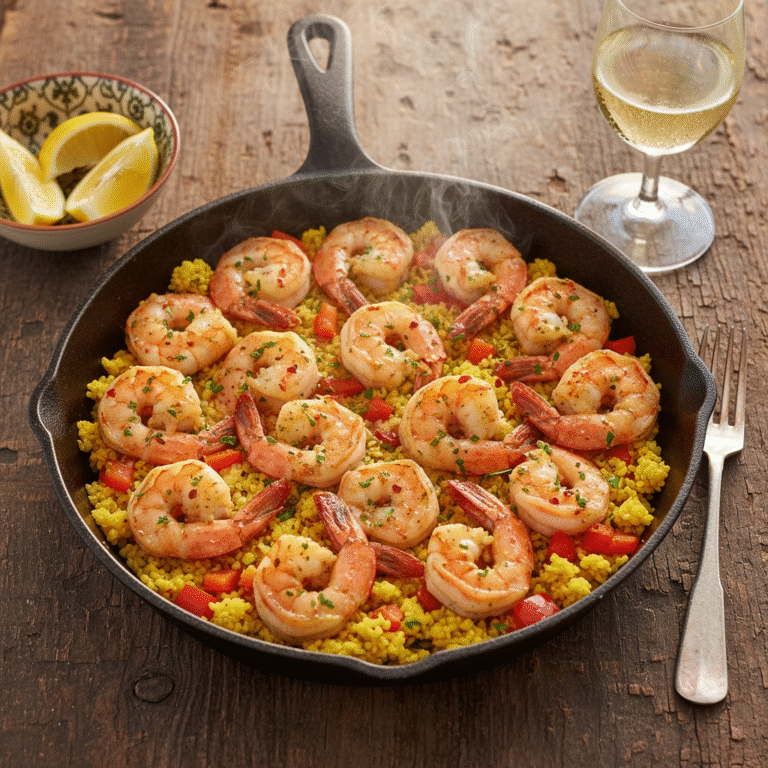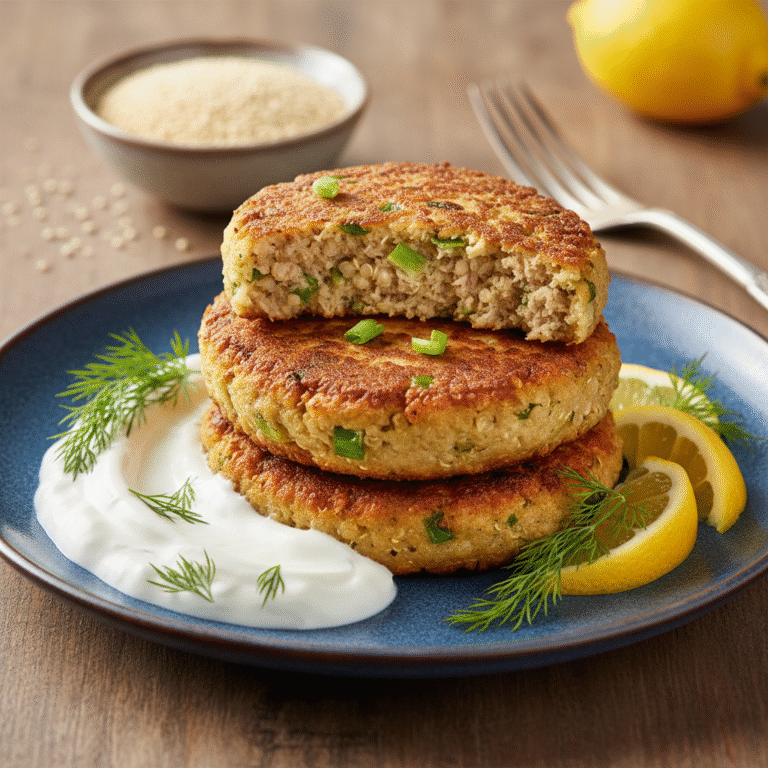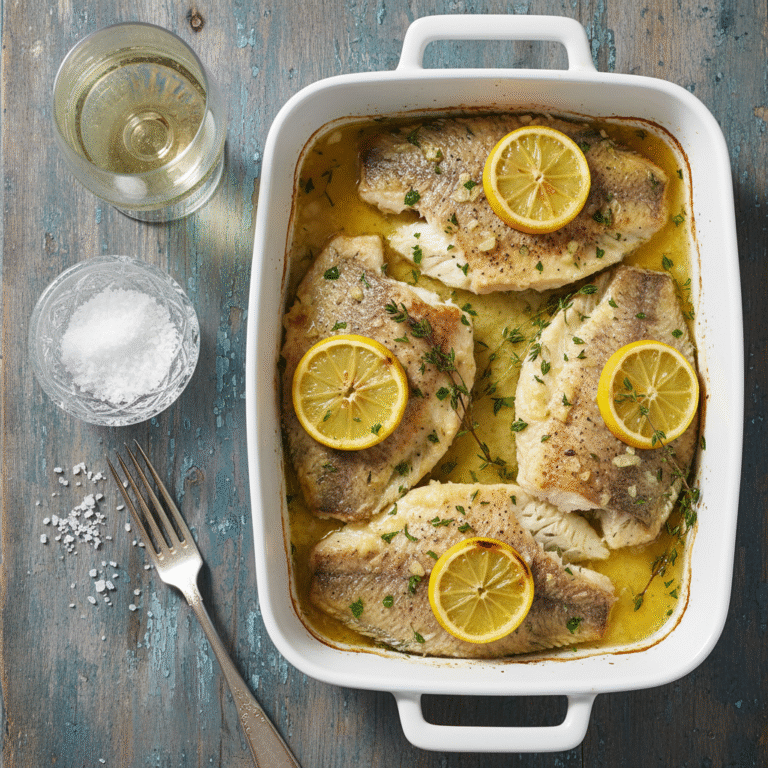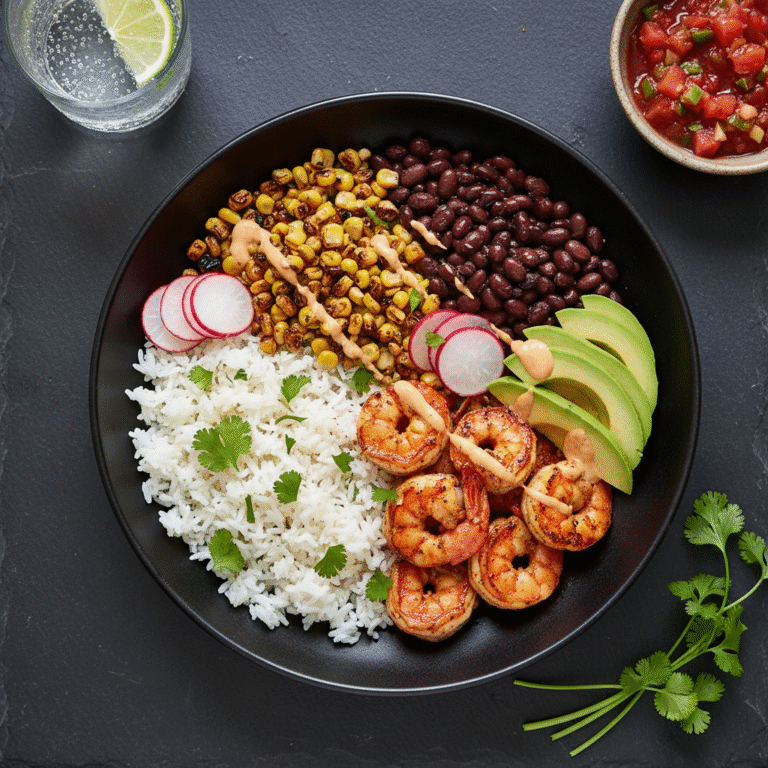
Garlic Butter Salmon and Asparagus Sheet Pan Dinner
Salmon And Asparagus Sheet Pan Dinner Recipe
This vibrant Garlic Butter Salmon and Asparagus Sheet Pan Dinner is the ultimate weeknight savior, coming together in under 30 minutes. Featuring tender, flaky salmon fillets and crisp asparagus spears roasted to perfection in a rich garlic-herb butter sauce, it is a healthy, low-carb meal that tastes like fine dining with zero cleanup.
10 minutes
15 minutes
25 minutes
4 servings
Main Course
Baking
American / Mediterranean Fusion
Gluten-Free
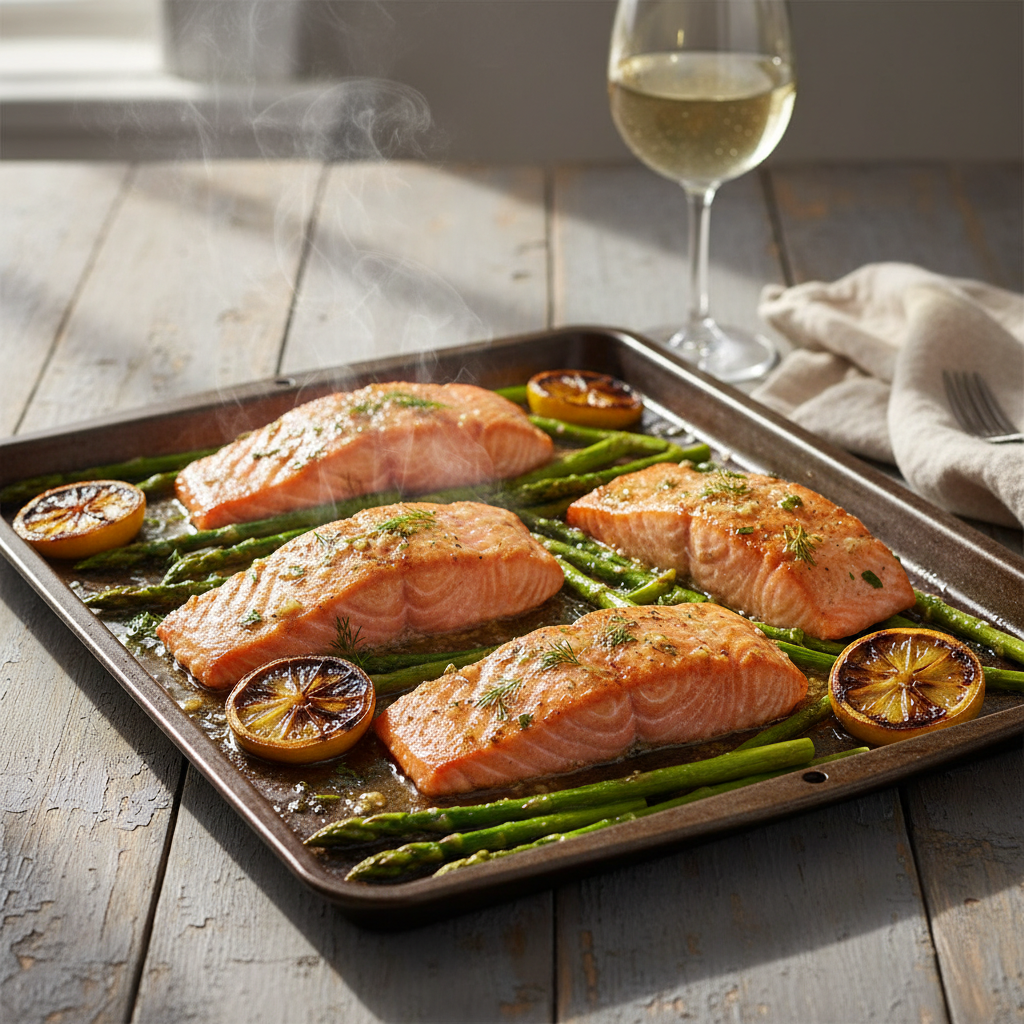
There is something undeniably magical about a dinner that requires nothing more than a single baking sheet and a hot oven. In the chaotic rhythm of modern life, the sheet pan dinner has emerged not just as a trend, but as a culinary lifeline for busy families and health-conscious foodies alike. This Garlic Butter Salmon and Asparagus recipe epitomizes the beauty of this method. It is a symphony of flavors where the richness of the salmon is perfectly balanced by the earthy, fresh crunch of asparagus, all tied together by a luxurious, golden garlic butter sauce that pools around the ingredients as they roast. The beauty of this dish lies in its simplicity; it does not hide behind complex techniques or obscure ingredients. Instead, it celebrates the natural affinity between fresh seafood and spring vegetables. As the salmon roasts, its natural oils mingle with the butter, lemon juice, and minced garlic, creating a self-basting mechanism that ensures every bite is moist and flavorful. The asparagus, positioned alongside the fish, caramelizes slightly at the tips while retaining a tender-crisp bite, absorbing the savory juices on the pan. This recipe is tailor-made for the Pinterest aesthetic—vibrant pinks, deep greens, and sunny lemon slices—but it delivers substance over style. Whether you are following a Keto diet, looking for a heart-healthy meal rich in Omega-3s, or simply need a delicious dinner on the table before the hunger pangs set in, this sheet pan masterpiece is your answer. It transforms a humble weeknight into a restaurant-quality experience with minimal effort and maximum flavor payoff.
History & Origins
The concept of the ‘sheet pan dinner’ or ‘tray bake’ is a relatively modern phenomenon in the timeline of culinary history, gaining massive popularity in the early 21st century as home cooks sought efficiency without sacrificing quality. However, the roots of cooking fish and vegetables together go back centuries. In traditional Mediterranean and French cuisine, fish has long been paired with acidic elements like lemon and fresh green vegetables like asparagus to cut through the richness of the fish oils. The specific pairing of salmon and asparagus is a classic vernal celebration, often appearing on menus as soon as the first stalks of asparagus break through the soil in spring. Salmon, a staple protein in coastal communities across the North Atlantic and Pacific Northwest, was historically preserved or roasted over open fires. The transition to oven-roasting on a flat metal sheet is a result of the modernization of the home kitchen in the mid-20th century. As ovens became standard and reliable, the baking sheet evolved from a tool solely for cookies and pastries into a vessel for savory main courses. This particular iteration—using a garlic butter emulsion—nods to the classic French ‘Meunière’ style, where fish is served with brown butter, chopped parsley, and lemon. By adapting this stovetop technique to a sheet pan, we allow the dry heat of the oven to roast the vegetables simultaneously, a technique that gained traction in food blogs and magazines around 2015 and has remained a staple ever since due to its unparalleled convenience.
Why This Recipe Works
This recipe works exceptionally well because it leverages the science of roasting to create distinct textures while unifying flavors. Unlike beef or root vegetables which require long cooking times, salmon and asparagus have incredibly similar thermal points. A standard salmon fillet and a medium-thickness asparagus spear both require approximately 12 to 15 minutes at 400°F (200°C) to reach perfection. This synchronization eliminates the common sheet pan problem where one component is burnt while the other is raw. Furthermore, the high heat of the oven facilitates the Maillard reaction, browning the butter and garlic slightly to develop a nutty, complex flavor profile that permeates the fish. The fat content in the salmon protects it from drying out, while the butter sauce acts as a conductive medium, ensuring even heat distribution. Placing the lemon slices directly on the pan or under the fish infuses the dish with aromatic steam, brightening the heavy fats with essential citrus oils. Finally, the spatial arrangement on a sheet pan allows for air circulation; by not overcrowding the pan, the asparagus roasts rather than steams, maintaining that desirable snap rather than turning into a mushy disappointment.
Why You’ll Love This Recipe
- ✓Ready in under 30 minutes from prep to plate.
- ✓Requires only one pan for minimal cleanup.
- ✓High in protein and heart-healthy Omega-3 fatty acids.
- ✓Low-carb, Keto-friendly, and Gluten-Free.
- ✓Restaurant-quality presentation with minimal effort.
- ✓Versatile flavor profile that pairs well with various sides.
Equipment You’ll Need
- ✓Large rimmed baking sheet (half sheet pan)
- ✓Parchment paper or aluminum foil
- ✓Small mixing bowl
- ✓Whisk or fork
- ✓Chef’s knife
- ✓Cutting board
- ✓Pastry brush (optional)
Ingredients
- ✓4 salmon fillets (approx. 6oz each), skin-on or off
- ✓1 lb fresh asparagus spears, woody ends trimmed
- ✓4 tablespoons unsalted butter, melted
- ✓2 tablespoons olive oil
- ✓4 cloves garlic, freshly minced
- ✓1 tablespoon fresh lemon juice
- ✓1 teaspoon lemon zest
- ✓1 teaspoon dried parsley (or 1 tbsp fresh)
- ✓1/2 teaspoon dried dill
- ✓Salt and freshly cracked black pepper to taste
- ✓1 lemon, sliced into rounds for garnish
- ✓Fresh parsley or dill for garnish
Instructions
- Preheat your oven to 400°F (200°C). Line a large rimmed baking sheet with parchment paper or aluminum foil for easy cleanup.
- Wash the asparagus and snap off the woody ends. Arrange the asparagus on one side of the baking sheet. Place the salmon fillets on the other side, skin-side down if applicable.
- In a small bowl, whisk together the melted butter, olive oil, minced garlic, lemon juice, lemon zest, dried parsley, and dried dill until well combined.
- Drizzle the garlic butter mixture generously over both the salmon fillets and the asparagus. Use a pastry brush or your hands to ensure everything is evenly coated.
- Season everything liberally with salt and freshly cracked black pepper. Toss the asparagus slightly to coat all sides.
- Place lemon slices on top of the salmon fillets or scattered around the pan for extra aromatic flavor.
- Bake in the preheated oven for 12-15 minutes. The cooking time will depend on the thickness of your salmon. The fish is done when it flakes easily with a fork and is opaque throughout. The asparagus should be tender but still crisp.
- Optional: Switch the oven to broil for the last 1-2 minutes to slightly char the edges of the asparagus and caramelize the top of the salmon. Watch closely to prevent burning.
- Remove from the oven and garnish with fresh chopped parsley or dill. Serve immediately while hot.
Expert Cooking Tips
- ✓Pat the salmon dry with paper towels before adding the butter sauce to ensure it adheres properly.
- ✓Snap the asparagus naturally; hold the spear at both ends and bend until it snaps. It will naturally break where the woody part ends.
- ✓If your salmon fillets are very thick (over 1.5 inches), they may need a few minutes longer than thin asparagus. Add the asparagus to the pan after the salmon has baked for 5 minutes.
- ✓Use room temperature lemons for more juice yield.
- ✓Do not overcrowd the pan; if necessary, use two pans to ensure the vegetables roast instead of steam.
- ✓Check for pin bones in the salmon by running your finger down the center line of the fillet and removing them with tweezers.
Substitutions and Variations
This recipe is incredibly flexible and accommodates various dietary needs and pantry staples. If you are not a fan of salmon, Arctic Char or Steelhead Trout are the closest alternatives in terms of texture and flavor. For a white fish option, Cod or Halibut work well, though they may require slightly less cooking time. If asparagus is out of season, fresh green beans or broccoli florets are excellent substitutes; just ensure broccoli is cut into small pieces to cook through in time. For a dairy-free or Paleo version, substitute the butter with ghee or simply use extra olive oil or avocado oil. You can also swap the lemon for lime for a slightly different citrus profile, or use orange juice and zest for a sweeter glaze. Herb substitutions are endless; try fresh thyme, rosemary, or basil instead of dill and parsley to shift the flavor profile toward Italian or Provencal cuisine.
Common Mistakes to Avoid
The most common mistake with sheet pan salmon is overcooking the fish. Salmon continues to cook slightly after being removed from the oven due to residual heat. If you see white albumin (protein) seeping out excessively, it is likely overdone. Pull it when the center is just translucent. Another error is using wet vegetables. If you wash your asparagus right before cooking, dry it thoroughly; otherwise, the water will steam the fish and make the sauce watery. Using garlic powder instead of fresh garlic is a missed opportunity; fresh garlic caramelizes in the oven, providing a sweetness that powder lacks. Finally, avoid overcrowding the pan. If the asparagus is piled on top of each other, it will become soggy rather than crisp. Give every spear its own space to breathe.
Serving Suggestions
While this sheet pan dinner is a complete meal on its own, it pairs beautifully with a variety of sides to stretch the servings further. For a low-carb option, serve it over cauliflower rice or alongside a crisp arugula salad with a balsamic vinaigrette. If you are not restricting carbs, fluffy jasmine rice, quinoa, or roasted baby potatoes are perfect for soaking up the extra garlic butter sauce. A side of crusty sourdough bread or garlic knots is also excellent for dipping. Beverage-wise, this dish pairs elegantly with a crisp, dry white wine such as a Sauvignon Blanc, Pinot Grigio, or an unoaked Chardonnay, which complements the acidity of the lemon and the richness of the salmon.
Storage and Reheating Tips
To store leftovers, place the salmon and asparagus in an airtight container and refrigerate for up to 3 days. It is best to consume seafood quickly for optimal freshness. When reheating, avoid the microwave if possible, as it tends to dry out the fish and release strong odors. Instead, reheat gently in a skillet over low heat with a splash of water or broth, covered, until warmed through. Alternatively, place it back in a 275°F oven for about 10-15 minutes. If you must use a microwave, use a lower power setting and cover the dish to trap moisture. This dish does not freeze well once cooked, as the asparagus will become mushy and the salmon texture will degrade upon thawing.
Nutrition Facts (Estimated)
| Serving Size | 1 fillet + veggies |
| Calories | 385 |
| Fat | 24g |
| Saturated Fat | 9g |
| Unsaturated Fat | 12g |
| Trans Fat | 0g |
| Cholesterol | 95mg |
| Sodium | 420mg |
| Carbohydrates | 6g |
| Fiber | 3g |
| Sugar | 2g |
| Protein | 34g |
Frequently Asked Questions
Can I use frozen salmon for this recipe?
Yes, but it must be completely thawed before cooking. Thaw it in the refrigerator overnight. If you cook it from frozen, it will release too much water and steam the asparagus.
How do I know when the salmon is fully cooked?
The salmon is done when it flakes easily with a fork. The internal temperature should reach 145°F (63°C) at the thickest part, though many chefs prefer removing it at 135°F (57°C) for a moister texture.
Should I leave the skin on the salmon?
It is a matter of preference. Leaving the skin on helps hold the fish together and keeps the flesh moist. You can easily remove it after cooking if you prefer not to eat it.
Can I prep this meal ahead of time?
You can trim the asparagus and mix the sauce up to 24 hours in advance. Store them separately in the fridge. Assemble on the pan right before baking.
My asparagus is very thin, will it burn?
Pencil-thin asparagus cooks very fast. If yours is thin, add it to the pan halfway through the salmon’s cooking time (after about 7-8 minutes).
Is this recipe spicy?
No, it is savory and citrusy. If you want heat, add a pinch of red pepper flakes to the butter mixture.
Can I use aluminum foil instead of parchment paper?
Yes, foil works great and allows for easy cleanup. You might want to lightly grease the foil where the salmon sits to prevent sticking.
What if I don’t have a sheet pan?
You can use a large rectangular casserole dish or roasting pan, but ensure the sides aren’t too high to allow proper airflow.
Conclusion
This Garlic Butter Salmon and Asparagus Sheet Pan Dinner is proof that healthy eating doesn’t have to be complicated or time-consuming. It brings together the best of fresh ingredients with a foolproof cooking method that delivers consistent, delicious results every time. Whether you are a seasoned home cook or a kitchen novice, this recipe is sure to become a regular in your meal rotation. The vibrant colors, the intoxicating aroma of roasting garlic and lemon, and the satisfaction of a nutritious meal made in under 30 minutes make it a true winner. So grab your sheet pan, preheat your oven, and get ready to enjoy a meal that feeds both the body and the soul.