Better-Than-Takeout Coconut Curry Shrimp With Nutty Brown Rice
Coconut Curry Shrimp With Brown Rice Recipe
This vibrant Coconut Curry Shrimp is a weeknight savior, bursting with aromatic spices, creamy coconut milk, and tender, succulent shrimp. Served over wholesome, nutty brown rice, it is a healthy, dairy-free dinner that feels indulgent yet comes together in under 45 minutes.
15 minutes
30 minutes
45 minutes
4 servings
Main Course
Stovetop
Thai-Fusion
Gluten-Free
There is something undeniably comforting about a bowl of warm curry. It is the culinary equivalent of a weighted blanket—soothing, rich, and deeply satisfying. However, many home cooks are intimidated by the complexity of traditional curries, fearing long lists of obscure spices or hours of simmering. This Coconut Curry Shrimp recipe shatters those misconceptions, offering a gourmet experience that is surprisingly accessible for a Tuesday night dinner.
The magic lies in the marriage of textures and temperatures. We start with a base of full-fat coconut milk and red curry paste, creating a sauce that is velvety, slightly sweet, and humming with a gentle heat. Into this golden pool, we drop plump, juicy shrimp, cooking them just until they snap with freshness. But the unsung hero of this dish is the brown rice. Unlike white rice, which often acts as a mere filler, brown rice offers a chewy texture and a deep, nutty flavor profile that stands up beautifully to the robustness of the curry sauce.
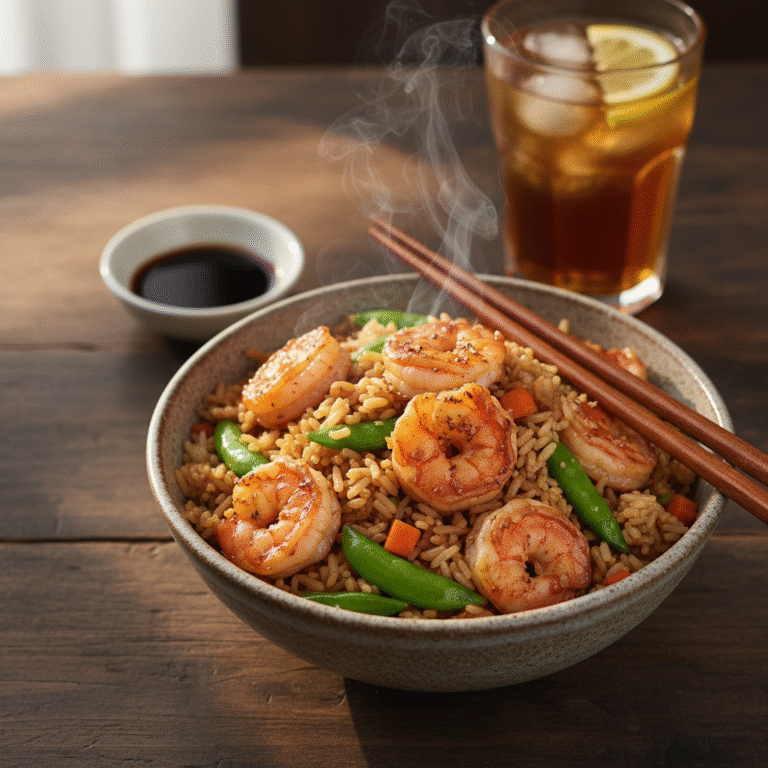
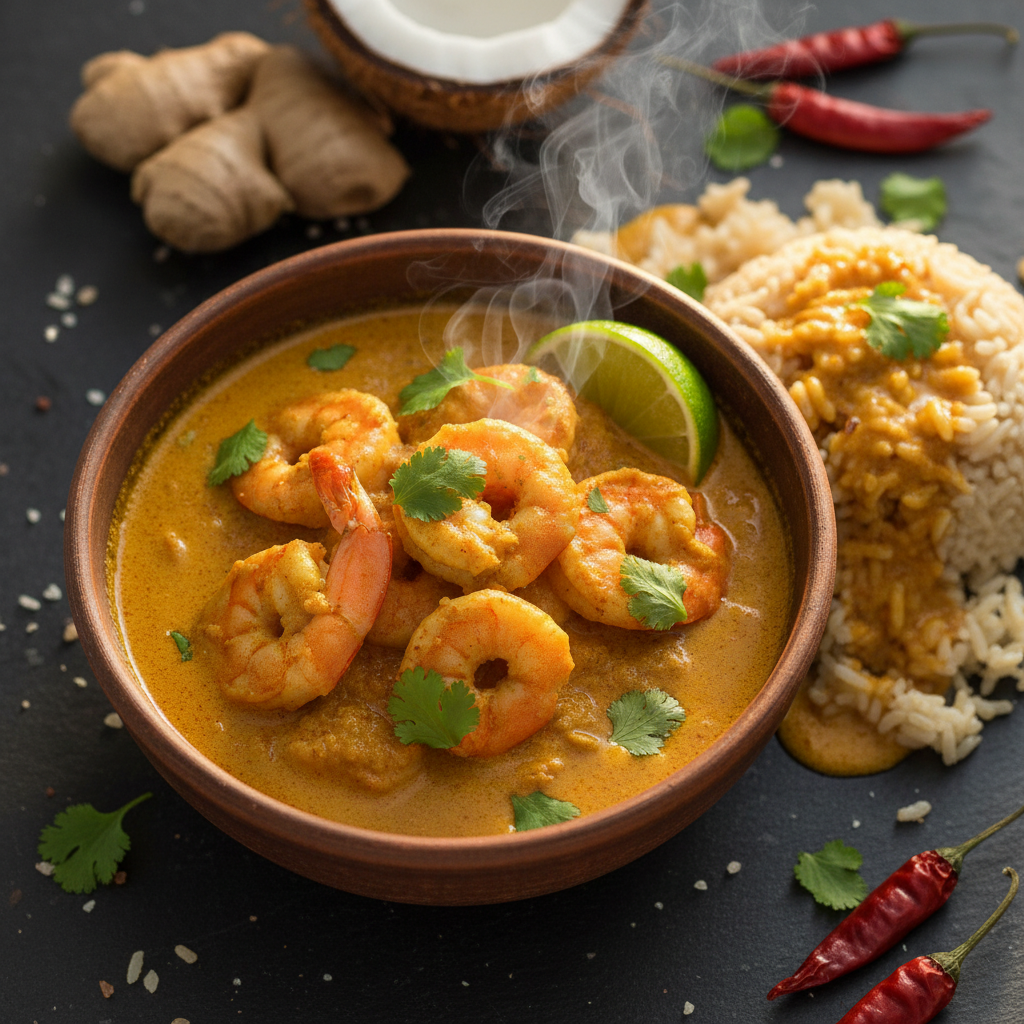
This dish is not just a feast for the palate; it is a visual stunner. The coral-pink shrimp against the turmeric-hued sauce, flecked with bright green cilantro and red bell peppers, makes for an Instagram-worthy presentation. Whether you are looking to impress a date, feed a hungry family, or simply treat yourself to a meal that tastes like an expensive takeout order without the price tag or the grease, this recipe is your new go-to. It is gluten-free, dairy-free, and packed with lean protein and fiber, proving that comfort food can indeed be good for you.
History & Origins
The concept of ‘curry’ is a fascinating journey through culinary history, often misunderstood as a single dish when it actually represents a vast category of spiced stews. The word itself is believed to originate from the Tamil word ‘kari,’ meaning sauce or relish for rice, originating from the Indian subcontinent. As trade routes expanded, the spices and techniques of Indian cooking traveled across the globe, influencing cuisines from Southeast Asia to the Caribbean and eventually the Western world.
This specific iteration—Coconut Curry Shrimp—draws heavy inspiration from the coastal cuisines of Southern India (like Kerala) and Southeast Asia (specifically Thailand). In these tropical regions, coconuts are abundant, and seafood is a staple protein. The use of coconut milk as a base for curries was a natural evolution, providing a cooling counterpoint to the fiery chilies often used in local dishes. Unlike the heavy, dairy-based curries often found in Northern India (which use cream or yogurt), coastal curries rely on the fat of the coconut to carry flavor and provide richness.
The inclusion of brown rice is a distinctly modern, Western adaptation. Traditionally, jasmine or basmati white rice would accompany such a dish to soak up the sauce. However, as global health consciousness rose in the late 20th and early 21st centuries, brown rice gained popularity for its whole-grain benefits. By retaining the bran and germ, brown rice adds a rustic heartiness and a nutritional boost that aligns perfectly with the modern desire for meals that are both traditional in flavor and contemporary in nutrition. This recipe represents that beautiful intersection of ancient spice routes and modern wellness culture.
Why This Recipe Works
This recipe succeeds because it respects the delicate nature of its main protein while maximizing flavor extraction through technique. The most critical step in this recipe—and the reason it tastes restaurant-quality—is ‘blooming’ the curry paste. Many novice cooks make the mistake of whisking the curry paste directly into the coconut milk. However, by frying the paste in a little oil or the cream separated from the coconut milk first, we unlock the oil-soluble flavor compounds in the chilies, lemongrass, and galangal. This process intensifies the aroma and depth of the curry significantly.
Secondly, the texture balance is meticulously engineered. Shrimp is a protein that cooks in the blink of an eye; overcooking results in a rubbery, tough texture. By building the sauce first and letting the vegetables soften, we create a poaching liquid. The shrimp are added at the very end, gently simmering in the hot liquid just until they turn pink. This ensures they remain tender and juicy.
Finally, the choice of brown rice is functional as well as nutritional. The sauce is rich and creamy; the firm, individual grains of brown rice provide a necessary structural contrast, preventing the dish from becoming a mushy bowl. The nuttiness of the bran layer in the rice echoes the toasted notes of the spices, creating a harmonic flavor profile that white rice simply cannot achieve.
Why You’ll Love This Recipe
- ✓Ready in under 45 minutes
- ✓Dairy-free and Gluten-free
- ✓High in protein and fiber
- ✓Restaurant-quality flavor profile
- ✓Perfect for meal prep
- ✓Easily adjustable spice levels
Equipment You’ll Need
- ✓Large skillet or Wok
- ✓Medium saucepan (for rice)
- ✓Chef’s knife
- ✓Cutting board
- ✓Wooden spoon or spatula
- ✓Measuring cups and spoons
Ingredients
- ✓1 cup uncooked brown rice
- ✓2 cups vegetable broth or water (for rice)
- ✓1 lb large shrimp, peeled and deveined (tails on or off)
- ✓1 tablespoon coconut oil or olive oil
- ✓1 medium yellow onion, finely chopped
- ✓1 red bell pepper, sliced into thin strips
- ✓3 cloves garlic, minced
- ✓1 tablespoon fresh ginger, grated
- ✓2-3 tablespoons red curry paste (adjust for spice preference)
- ✓1 can (13.5 oz) full-fat unsweetened coconut milk
- ✓1 tablespoon fish sauce (or soy sauce for vegan option)
- ✓1 tablespoon lime juice, fresh squeezed
- ✓1 teaspoon brown sugar or maple syrup
- ✓1/2 cup fresh cilantro, chopped
- ✓Lime wedges for serving
Instructions
- 1. Cook the Brown Rice: Rinse the brown rice thoroughly under cold water. In a medium saucepan, combine the rice and vegetable broth. Bring to a boil, then reduce heat to low, cover, and simmer for 30-40 minutes, or until the water is absorbed and rice is tender. Remove from heat and let it sit covered for 5 minutes before fluffing with a fork.
- 2. Prep the Shrimp: While the rice cooks, pat the shrimp dry with paper towels. Season lightly with a pinch of salt and set aside.
- 3. Sauté Aromatics: In a large skillet or wok, heat the coconut oil over medium heat. Add the chopped onion and red bell pepper. Sauté for 5-7 minutes until the onion is translucent and peppers are softened.
- 4. Bloom the Spices: Add the minced garlic, grated ginger, and red curry paste to the skillet. Stir constantly for 1-2 minutes. This step is crucial—you want to smell the spices becoming fragrant. Be careful not to burn the garlic.
- 5. Simmer the Sauce: Pour in the coconut milk, stirring to scrape up any browned bits from the bottom of the pan (deglazing). Stir in the fish sauce and brown sugar. Bring the mixture to a gentle simmer. Let it cook for 5 minutes to allow the flavors to meld and the sauce to thicken slightly.
- 6. Cook the Shrimp: Add the shrimp to the simmering sauce. Stir to coat them evenly. Cook for 3-5 minutes, flipping halfway through, until the shrimp are opaque and pink. Do not overcook.
- 7. Finish and Serve: Remove the skillet from the heat. Stir in the fresh lime juice and half of the cilantro. Taste and adjust seasoning (add more salt or lime if needed).
- 8. Plating: Scoop a generous portion of brown rice into bowls. Ladle the creamy shrimp curry over the rice. Garnish with the remaining cilantro and serve with extra lime wedges.
Expert Cooking Tips
- ✓Shake the Coconut Milk: Canned coconut milk often separates into thick cream and water. Shake the can vigorously before opening to ensure a smooth consistency.
- ✓Don’t Skip the Rinse: Rinsing brown rice removes excess starch and prevents it from becoming gummy.
- ✓Fresh is Best: Use fresh ginger and garlic rather than powdered versions for the punchiest flavor.
- ✓Adjust the Heat: Red curry paste varies wildly in heat depending on the brand. Start with 2 tablespoons and add more if you like it spicy.
- ✓Thawing Shrimp: If using frozen shrimp, thaw them quickly by running them under cold water in a colander for 5-10 minutes.
- ✓Fish Sauce is Key: Even if you don’t like fish, don’t skip the fish sauce. It adds ‘umami’ and savory depth, not a fishy taste.
- ✓Let Rice Rest: Letting the rice sit covered after cooking allows the moisture to redistribute, resulting in fluffier grains.
Substitutions and Variations
This recipe is incredibly versatile and can be adapted to suit various dietary needs and pantry limitations.
**Protein**: If you are not a fan of shrimp, cubed chicken breast or thighs work wonderfully; just brown the chicken before adding the onions and ensure it is cooked through in the simmering stage. For a vegetarian or vegan version, use firm tofu (pressed and cubed) or a can of chickpeas. Scallops or white fish chunks are also excellent seafood alternatives.
**Rice**: While brown rice offers a nutty flavor and health benefits, you can swap it for Jasmine rice, Basmati rice, quinoa, or even cauliflower rice for a low-carb option. Adjust cooking times according to the package instructions.
**Vegetables**: The red bell pepper adds sweetness and color, but you can easily substitute or add snow peas, broccoli florets, baby spinach (add at the very end), zucchini rounds, or bamboo shoots.
**Curry Paste**: If red curry paste is too spicy or unavailable, yellow curry paste is a milder, turmeric-heavy alternative, while green curry paste offers a sharper, more herbaceous heat. In a pinch, a tablespoon of curry powder mixed with a little cayenne pepper can mimic the flavor profile, though the texture will differ.
Common Mistakes to Avoid
The most common mistake with shrimp curry is **overcooking the shrimp**. Shrimp cook very quickly, and leaving them in the boiling sauce for too long turns them into rubbery, tough curls. Always add them at the very end and remove the pan from heat as soon as they turn pink.
Another pitfall is **using ‘lite’ coconut milk**. While lower in calories, lite coconut milk has a high water content and won’t yield that luxurious, velvety sauce that clings to the rice. If you must use it, you may need to add cornstarch to thicken the sauce.
Finally, **burning the aromatics** is a frequent error. Garlic and curry paste can burn in seconds, turning bitter. Keep the heat at medium and keep everything moving in the pan during the ‘blooming’ stage. If it starts to darken too quickly, add a splash of the coconut milk immediately to lower the temperature.
Serving Suggestions
To create a full restaurant-style experience, serve this curry with warm naan bread or roti to scoop up the extra sauce. A side of refreshing Cucumber Salad with a vinegar dressing helps cut through the richness of the coconut milk. For a drink pairing, a cold Thai Iced Tea, a Mango Lassi, or a crisp white wine like Riesling or Gewürztraminer complements the spicy and sweet notes perfectly. If you want to add a crunch, top the dish with toasted cashews or crushed peanuts before serving.
Storage and Reheating Tips
This dish stores surprisingly well, making it great for meal prep. Store leftovers in an airtight container in the refrigerator for up to 3 days. When reheating, do so gently on the stovetop over low heat or in the microwave in short intervals. If the sauce has thickened too much in the fridge, add a splash of water or broth to loosen it up.
Freezing is possible but requires care. Coconut milk can sometimes separate and become grainy when frozen and thawed. If you plan to freeze this, it is best to freeze the curry sauce and shrimp separately from the rice. Consume within 2 months for best quality. To reheat frozen curry, let it thaw overnight in the fridge and warm gently, stirring well to re-emulsify the coconut milk.
Nutrition Facts (Estimated)
| Serving Size | 1 bowl |
| Calories | 480 |
| Fat | 22g |
| Saturated Fat | 14g |
| Unsaturated Fat | 6g |
| Trans Fat | 0g |
| Cholesterol | 170mg |
| Sodium | 650mg |
| Carbohydrates | 45g |
| Fiber | 5g |
| Sugar | 4g |
| Protein | 28g |
Frequently Asked Questions
Is this recipe spicy?
It has a mild to medium kick, depending on the brand of red curry paste you use. You can control the heat by using less paste or adding a little more brown sugar to balance it out.
Can I use frozen shrimp?
Absolutely! Frozen shrimp are often fresher than ‘fresh’ shrimp at the seafood counter (which are usually just thawed frozen shrimp). Just ensure they are fully thawed and patted dry before cooking.
Why did my coconut milk curdle?
Curdling can happen if the heat is too high or if an acid (like lime juice) is added while the milk is boiling vigorously. Always simmer gently and add lime juice at the very end, off the heat.
Can I make this in an Instant Pot?
Yes. Cook the rice separately. Use the ‘Sauté’ function for the veggies and spices, add liquids and shrimp, and cook on high pressure for 1 minute with a quick release to avoid overcooking the shrimp.
Do I have to use brown rice?
No, you can use white Jasmine or Basmati rice. They will cook much faster (usually 15-20 minutes), so adjust your timing accordingly.
Is red curry paste gluten-free?
Most authentic brands like Thai Kitchen or Maesri are gluten-free, but always check the label to ensure no wheat-based thickeners or soy sauce were added.
Can I use curry powder instead of paste?
You can, but the flavor profile will be different. Curry paste includes wet aromatics like lemongrass and galangal, while powder is a dry spice blend. If using powder, add some fresh lime zest and extra ginger to mimic the fresh flavors.
What vegetables go well with this?
Snap peas, bamboo shoots, baby corn, spinach, kale, and zucchini are all excellent additions that absorb the curry flavor well.
Is this recipe keto-friendly?
The curry itself is relatively low carb if you omit the sugar, but the brown rice is not. Swap the rice for cauliflower rice to make a delicious Keto meal.
Conclusion
In a world of complicated recipes and endless ingredient lists, this Coconut Curry Shrimp with Brown Rice stands out as a beacon of simplicity and flavor. It brings the exotic, warming tastes of Thailand right into your kitchen without requiring a passport or a culinary degree. The creamy, golden sauce, the snap of the fresh shrimp, and the wholesome chew of the brown rice create a trifecta of satisfaction that will leave you feeling nourished and happy. Whether you are a seasoned chef or a kitchen novice, this dish is forgiving, flexible, and guaranteed to please. So, grab that can of coconut milk, thaw those shrimp, and get ready to elevate your dinner rotation with a meal that is truly better than takeout.