The Ultimate Miso Glazed Salmon With Sesame Broccoli: A 20-Minute Umami Bomb
Miso Glazed Salmon With Sesame Broccoli Recipe
Transform your weeknight dinner routine with this restaurant-quality Miso Glazed Salmon. Featuring a savory-sweet umami glaze and crisp, nutty sesame broccoli, this healthy meal comes together on a single sheet pan in just under 30 minutes.
15 minutes
15 minutes
30 minutes
4 servings
Main Course
Roasting / Broiling
Japanese Fusion
Pescatarian
If there is one flavor profile that truly defines the concept of ‘crave-worthy,’ it is the elusive and magical fifth taste: umami. This Miso Glazed Salmon with Sesame Broccoli recipe is the absolute epitome of umami-rich comfort food, yet it remains light, nutritious, and incredibly fast to prepare. As a food blogger who is constantly on the hunt for recipes that bridge the gap between gourmet dining and practical weeknight cooking, I can confidently say this dish is a game-changer. The secret lies in the glaze—a sticky, golden emulsion of white miso paste, mirin, soy sauce, and a touch of sugar that caramelizes beautifully under the broiler.
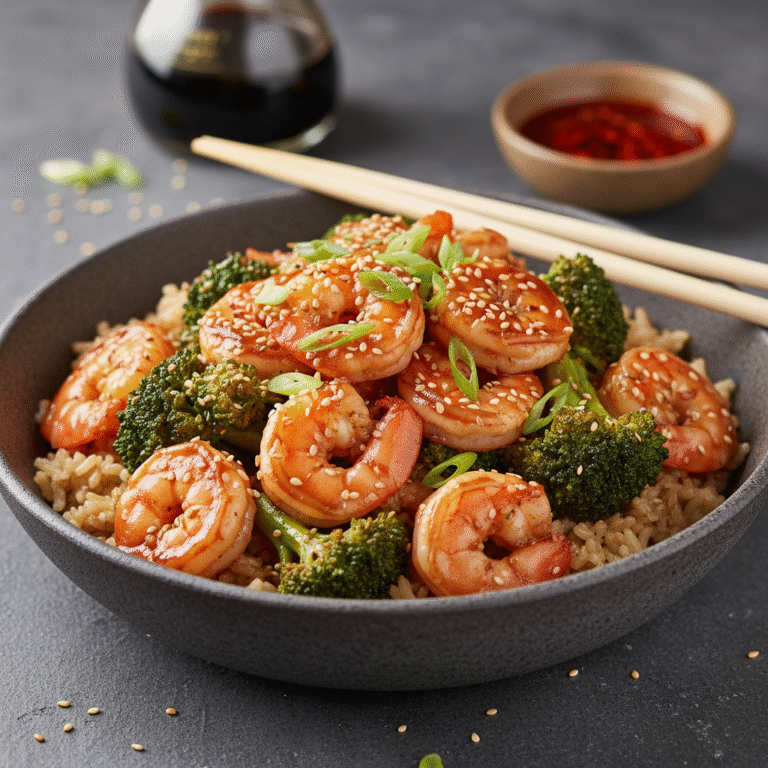
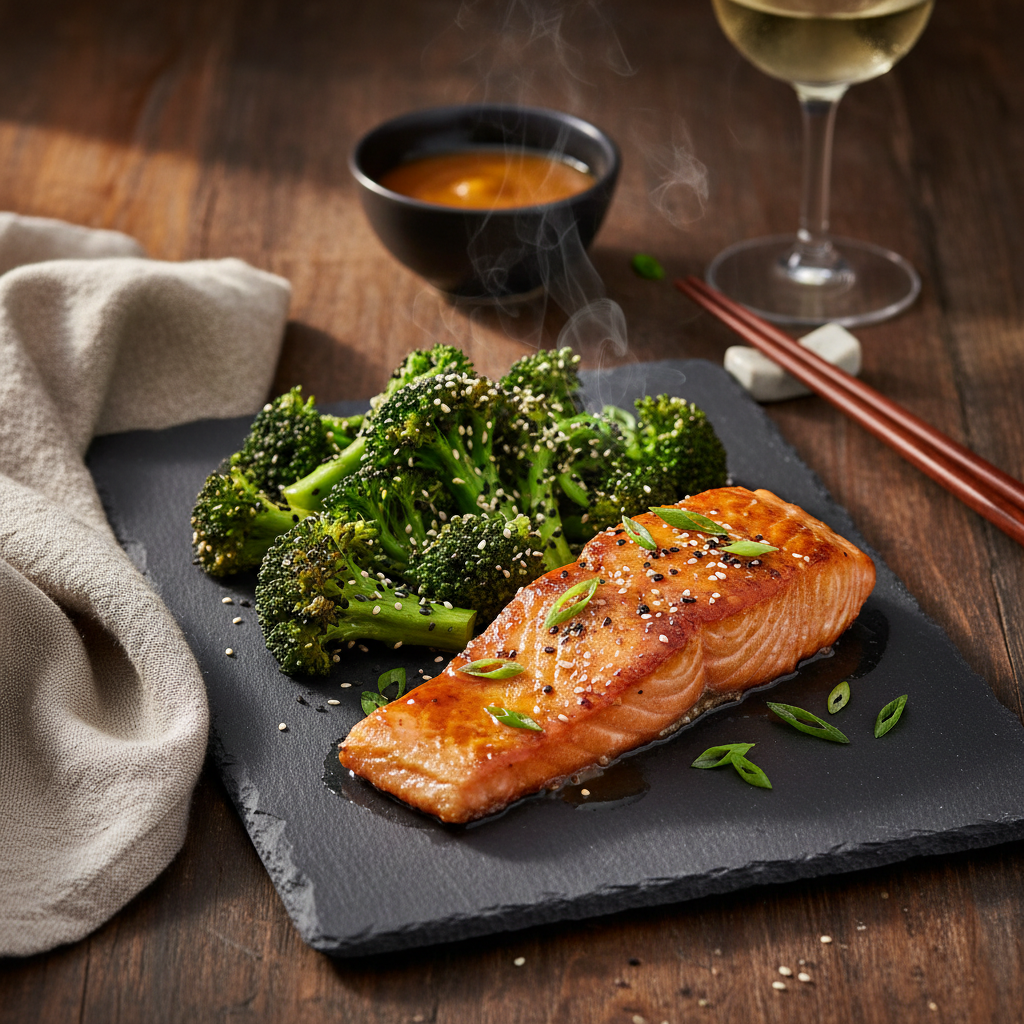
When you pull the sheet pan out of the oven, the salmon is bubbling with a dark, amber lacquer that promises a crispy exterior and a buttery, meltingly tender interior. But we cannot forget the supporting actor that steals the show: the sesame broccoli. Roasted alongside the fish, the florets absorb the high heat, gaining charred, crispy edges that act as the perfect textural counterpoint to the fatty fish. Finished with a drizzle of toasted sesame oil and a scattering of seeds, the broccoli becomes addictive enough to eat on its own. This recipe is perfect for anyone looking to impress guests without spending hours in the kitchen, or for busy parents seeking a healthy meal that doesn’t taste like ‘health food.’ It captures the essence of modern Japanese-inspired home cooking—simple ingredients, precise techniques, and bold, unforgettable flavors.
History & Origins
The culinary roots of this dish run deep into the history of Japanese cuisine, specifically centering on the usage of miso. Miso, a fermented soybean paste, has been a staple in Japanese culture for over a thousand years, though its origins can be traced back to ancient China where a similar fermented product called ‘hishio’ or ‘jiang’ was developed. Introduced to Japan around the 7th century by Buddhist monks, miso evolved from a luxury ingredient reserved for the nobility to a ubiquitous pantry staple essential for samurai rations and everyday farming meals.
While traditional Japanese grilled fish (yakizakana) often uses simple salt or soy-based marinades, the specific style of heavy miso glazing seen in this recipe gained massive international popularity in the late 20th century. Much of this credit goes to the legendary Chef Nobu Matsuhisa, whose ‘Miso Black Cod’ became a global phenomenon. His dish showcased how the sweetness of mirin and sugar could balance the intense salinity of miso, creating a glaze that protected the fish while flavoring it. This Miso Glazed Salmon is a home-cook-friendly adaptation of that high-end restaurant concept. Salmon, though historically consumed in Japan (often salted or dried), became a sushi and sashimi staple more recently due to Norwegian imports in the 1980s. However, cooked salmon glazed with miso (known as ‘Chanchan Yaki’ in Hokkaido cuisine when steamed with vegetables) has long been a regional favorite. This recipe marries these traditional fermentation techniques with the modern Western sheet-pan dinner method, creating a fusion of history and convenience.
Why This Recipe Works
This recipe succeeds because it masters the delicate balance of salt, fat, acid, and heat. Salmon is a naturally oily fish with a robust flavor that can stand up to strong seasonings. White miso (Shiro Miso) is the mildest and sweetest variety of miso, making it the perfect vehicle for a glaze; it provides depth without overpowering the delicate flesh of the fish. The addition of mirin (sweet rice wine) and a touch of brown sugar aids in the Maillard reaction. When this sugary, protein-rich glaze meets the intense radiant heat of the broiler or high-temperature oven, the sugars caramelize rapidly. This creates a ‘lacquered’ effect—a semi-charred, sticky crust that seals in the salmon’s natural juices, preventing it from drying out, which is the most common pitfall in cooking fish.
Furthermore, cooking the broccoli on the same pan isn’t just about saving dishes; it allows for flavor synergy. The broccoli benefits from the high roasting temperature required for the salmon, turning sweet and nutty rather than mushy (which happens when boiling or steaming). The nutty aroma of toasted sesame oil added at the end reinforces the earthiness of the miso. By cutting the broccoli into uniform, bite-sized florets, we ensure it cooks at the same rate as the fish fillets, guaranteeing that both components of your meal hit the plate at peak perfection simultaneously.
Why You’ll Love This Recipe
- ✓Ready in under 30 minutes for quick weeknight dining.
- ✓High in protein and heart-healthy Omega-3 fatty acids.
- ✓Uses a single sheet pan for minimal cleanup.
- ✓Restaurant-quality presentation with a glossy, caramelized glaze.
- ✓Perfect balance of savory, sweet, and nutty flavors.
- ✓Gluten-free adaptable and dairy-free.
Equipment You’ll Need
- ✓Large rimmed baking sheet
- ✓Parchment paper or aluminum foil
- ✓Small mixing bowl
- ✓Whisk
- ✓Chef’s knife
- ✓Cutting board
- ✓Pastry brush
Ingredients
- ✓4 Salmon fillets (approx. 6 oz each), skin-on or off
- ✓3 tbsp White Miso paste (Shiro Miso)
- ✓2 tbsp Mirin (sweet rice wine)
- ✓1 tbsp Soy sauce (or Tamari for gluten-free)
- ✓1 tbsp Brown sugar or honey
- ✓1 tsp Grated fresh ginger
- ✓1 tsp Rice vinegar
- ✓1 lb Broccoli, cut into florets
- ✓2 tbsp Neutral oil (avocado or canola)
- ✓1 tbsp Toasted sesame oil
- ✓1 tbsp Toasted sesame seeds (white or black)
- ✓2 Green onions, thinly sliced
- ✓Salt and black pepper to taste
Instructions
- Preheat your oven to 400°F (200°C). Line a large rimmed baking sheet with parchment paper or foil for easy cleanup.
- In a small bowl, whisk together the white miso paste, mirin, soy sauce, brown sugar, grated ginger, and rice vinegar until smooth. If the mixture is too thick, add a teaspoon of warm water to loosen it. Set aside.
- Pat the salmon fillets dry with paper towels. This is crucial for getting a good glaze adherence. Place the salmon on one side of the prepared baking sheet.
- Brush the salmon fillets generously with the miso glaze, reserving about a tablespoon for later use. Let the salmon sit with the glaze while you prep the broccoli.
- Place the broccoli florets on the other side of the baking sheet. Drizzle with the neutral oil and toss with your hands to coat evenly. Season the broccoli lightly with salt and pepper (remember the miso is salty, so go easy on the salt). Arrange the florets in a single layer, ensuring they are not overlapping.
- Roast in the preheated oven for 10-12 minutes. The salmon should be opaque and flake easily with a fork, and the broccoli should be tender-crisp with browned edges.
- Optional but recommended: Switch the oven to ‘Broil’ (High) and move the rack to the upper third of the oven. Broil for 1-2 minutes, watching closely! This will caramelize the glaze on the salmon and char the broccoli tips. Do not walk away, as miso burns quickly.
- Remove from the oven. Drizzle the toasted sesame oil over the broccoli and the salmon. Brush the reserved fresh glaze over the cooked salmon for an extra glossy finish.
- Garnish everything with toasted sesame seeds and sliced green onions before serving immediately.
Expert Cooking Tips
- ✓Use White Miso (Shiro Miso) for this recipe; Red Miso is too salty and intense for the delicate sweetness required here.
- ✓Pat the salmon very dry before glazing. Moisture creates steam, which prevents the glaze from sticking and caramelizing properly.
- ✓Cut broccoli florets into uniform sizes to ensure they cook at the same rate as the fish.
- ✓Watch the broiler like a hawk. The sugar content in mirin and miso can go from caramelized to burnt in seconds.
- ✓If your salmon fillets are very thick, they may need a few minutes longer than the broccoli. You can start the salmon 5 minutes before adding the broccoli to the pan.
- ✓Toasting your sesame seeds in a dry pan for 1-2 minutes before garnishing releases their essential oils and enhances flavor.
Substitutions and Variations
This recipe is highly versatile and can be adapted to various dietary needs and pantry situations. If you cannot find white miso, yellow miso is the next best substitute, though you may want to slightly increase the sugar to balance the saltiness. Avoid red miso if possible. For the protein, this glaze works exceptionally well with Black Cod (Sablefish), Sea Bass, or even firm tofu for a vegetarian option. If using tofu, press it firmly to remove water before glazing. If you don’t have mirin, you can substitute it with dry sherry or sweet marsala wine, or simply use more rice vinegar with extra sugar. For a gluten-free version, ensure you are using Tamari instead of traditional soy sauce and check that your miso paste is certified gluten-free (some contain barley). As for the vegetable, if broccoli isn’t your favorite, try broccolini, asparagus, or green beans. Just adjust the cooking time slightly—asparagus cooks faster than broccoli florets.
Common Mistakes to Avoid
The most common mistake with miso glazed dishes is burning the glaze. Because miso and sugar burn at lower temperatures than protein cooks, placing the fish too close to the broiler element for too long will result in a bitter, blackened crust. Always roast first to cook the fish through, and broil only for the final finish. Another mistake is over-salting. Miso and soy sauce are sodium-rich ingredients. If you salt the salmon fillet directly before adding the glaze, the final result may be inedible. Rely on the glaze for the salt content on the fish, and only lightly season the broccoli. Finally, overcrowding the pan is a classic sheet-pan error. If the broccoli is piled on top of each other, it will steam instead of roast, resulting in soggy vegetables rather than crisp, caramelized ones. Use two pans if necessary.
Serving Suggestions
This Miso Glazed Salmon is a flavor powerhouse, so it pairs best with neutral sides that can soak up the extra sauce. Steamed Jasmine or Japanese short-grain rice (sushi rice) is the traditional and most popular choice. For a lighter option, cauliflower rice or quinoa works beautifully. You can also serve this over a bed of cold soba noodles tossed in a light sesame dressing for a refreshing contrast. A side of cucumber salad (Sunomono) pickled in rice vinegar adds a nice acidic crunch that cuts through the richness of the salmon fat. Complete the meal with a warm bowl of miso soup to echo the flavor profile.
Storage and Reheating Tips
Leftover miso salmon stores surprisingly well, though the skin will lose its crispness. Store the salmon and broccoli in an airtight container in the refrigerator for up to 3 days. To reheat, avoid the microwave if possible, as it can make the fish rubbery and the broccoli mushy. Instead, reheat gently in a skillet over low heat with a splash of water and a lid, or in a toaster oven at 275°F (135°C) until just warmed through. This dish is not recommended for freezing, as the texture of the cooked salmon and broccoli degrades significantly upon thawing, becoming watery and soft.
Nutrition Facts (Estimated)
| Serving Size | 1 fillet + 1 cup broccoli |
| Calories | 450 |
| Fat | 22g |
| Saturated Fat | 3.5g |
| Unsaturated Fat | 16g |
| Trans Fat | 0g |
| Cholesterol | 85mg |
| Sodium | 890mg |
| Carbohydrates | 18g |
| Fiber | 4g |
| Sugar | 12g |
| Protein | 38g |
Frequently Asked Questions
Can I use frozen salmon for this recipe?
Yes, absolutely. Just ensure the salmon is completely thawed in the refrigerator overnight before cooking. Pat it extremely dry with paper towels to remove excess moisture from the thawing process.
Is miso paste gluten-free?
Most miso is made from fermented soybeans and rice (koji), which is gluten-free. However, some varieties use barley or wheat. Always check the label if you have celiac disease or a gluten intolerance.
Do I have to use skin-on salmon?
No, skinless fillets work just fine. However, the skin helps hold the fish together and provides a barrier against the hot pan, keeping the flesh moist. You can simply leave the skin behind on the plate if you don’t wish to eat it.
What does white miso taste like?
White miso (Shiro Miso) has a mild, slightly sweet, and nutty flavor with a creamy texture. It is less salty and pungent than darker misos, making it ideal for dressings, glazes, and light soups.
Can I marinate the salmon overnight?
It is not recommended to marinate seafood in a high-salt marinade like miso for too long, as it can start to cure the fish, changing its texture. 30 minutes to 2 hours is the sweet spot. Overnight marinating may make the fish tough.
Can I make this recipe in an air fryer?
Yes! Preheat your air fryer to 375°F. Place the glazed salmon and broccoli in the basket (in batches if needed) and cook for 8-10 minutes. The circulating air creates a fantastic glaze.
Where can I buy mirin?
Mirin is widely available in the Asian section of most major grocery stores. Look for ‘Aji-Mirin’ or ‘Hon-Mirin’. If you can’t find it, a mix of white wine and sugar is a decent substitute.
Is this recipe spicy?
Not at all. The ginger adds a warm note, but no heat. If you want spice, feel free to add a teaspoon of Sriracha or chili flakes to the glaze.
Conclusion
There is something deeply satisfying about a meal that looks and tastes like it came from a high-end kitchen but was actually thrown together on a Tuesday night in your pajamas. This Miso Glazed Salmon with Sesame Broccoli offers that exact satisfaction. It’s a testament to the power of simple, high-quality ingredients coming together to create something greater than the sum of their parts. The savory depth of the miso, the sweetness of the mirin, and the crunch of the fresh broccoli create a harmony of flavors that your family will ask for again and again. So, grab that sheet pan, preheat your oven, and get ready to add a new favorite to your recipe rotation. Happy cooking!