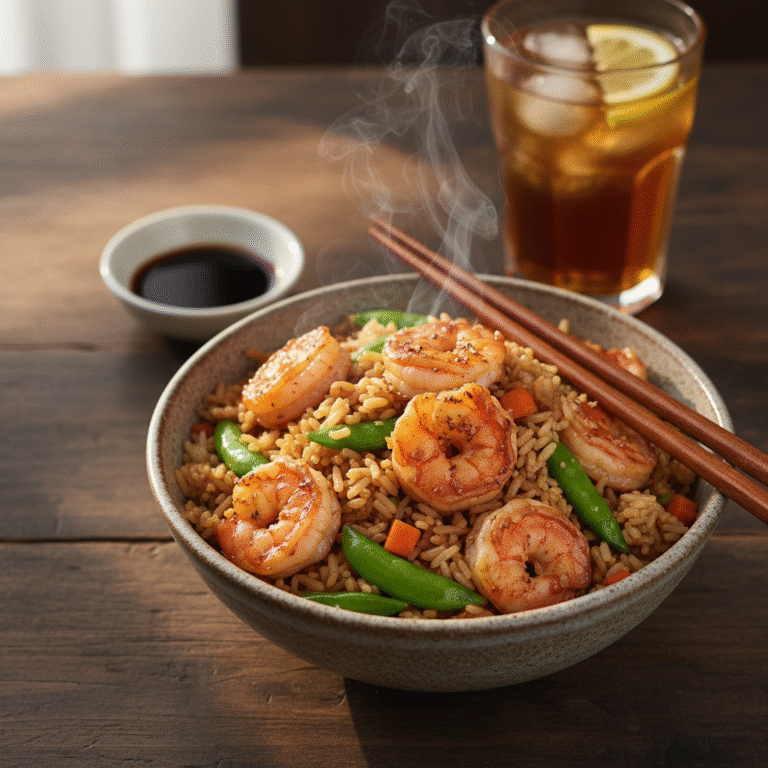
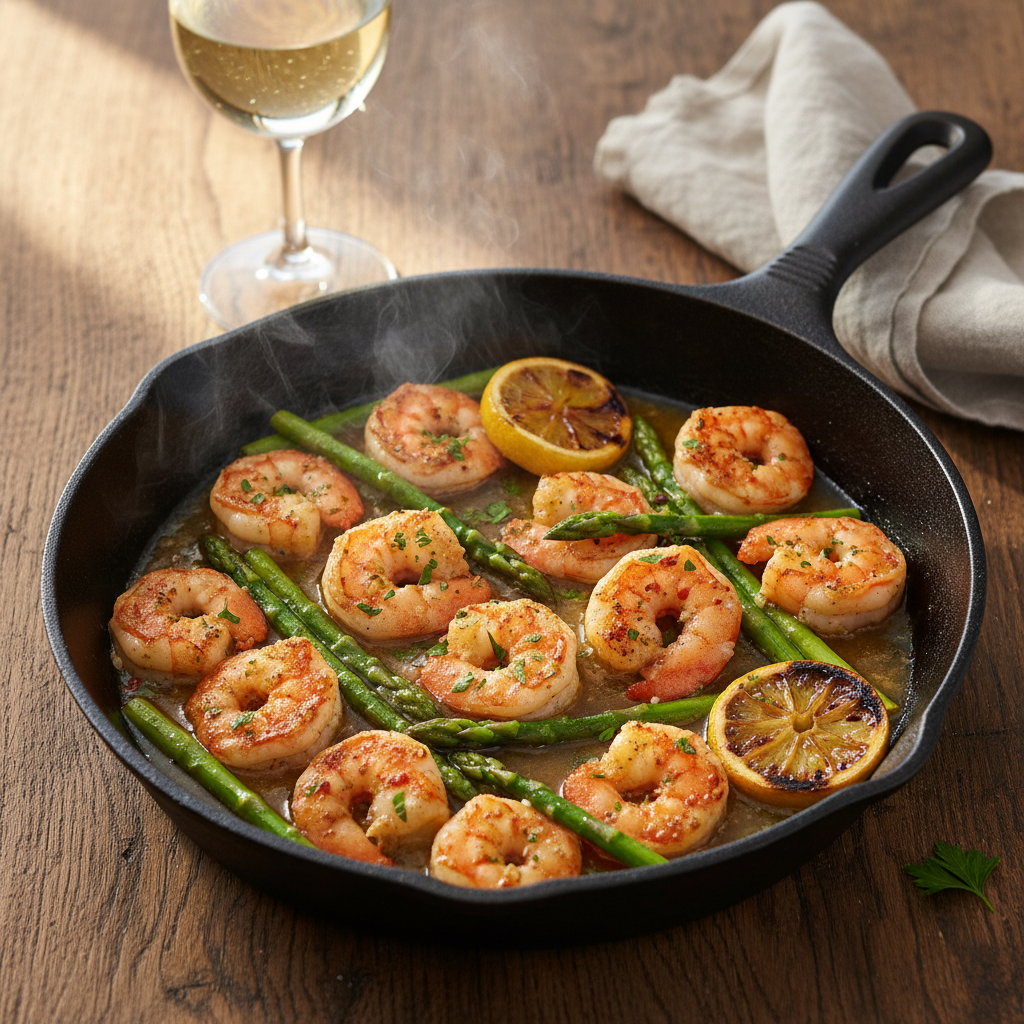
20-Minute Garlic Lemon Shrimp and Asparagus Skillet
Garlic Lemon Shrimp And Asparagus Skillet Recipe
This vibrant Garlic Lemon Shrimp and Asparagus Skillet is the ultimate weeknight savior, coming together in just 20 minutes. Bursting with zesty citrus notes and savory garlic butter, it is a low-carb, keto-friendly masterpiece that tastes like a gourmet meal without the cleanup.
10 minutes
10 minutes
20 minutes
4 servings
Main Course
Stovetop
American / Mediterranean Fusion
Gluten-Free
In the fast-paced rhythm of modern life, finding a recipe that bridges the gap between ‘healthy’ and ‘crave-worthy’ often feels like an impossible task. We all want that nutritious, protein-packed dinner, but after a long day, the temptation to order takeout is strong. Enter the Garlic Lemon Shrimp and Asparagus Skillet—a dish that has quickly become a cornerstone of my weekly meal rotation and a viral sensation on Pinterest for good reason. This recipe is not just food; it is a sensory experience. From the moment the butter hits the hot skillet and the garlic begins to sizzle, filling your kitchen with an intoxicating aroma, you know you are in for a treat.
What makes this dish truly spectacular is its simplicity. It relies on high-quality, fresh ingredients rather than heavy sauces or complicated techniques. The sweetness of the jumbo shrimp pairs perfectly with the earthy, slightly grassy notes of fresh asparagus. When you introduce the brightness of fresh lemon juice and the richness of butter, you create a sauce that is light yet incredibly decadent. It is the kind of meal that feels fancy enough for a Saturday night date at home but is fast enough for a frantic Tuesday evening.
Moreover, this skillet dinner is a nutritional powerhouse. Naturally gluten-free, low in carbohydrates, and high in lean protein, it fits seamlessly into Keto, Paleo, and Whole30 dietary lifestyles without requiring any weird substitutions. It celebrates whole foods in their most delicious form. Whether you serve it over a bed of cauliflower rice, toss it with angel hair pasta, or eat it straight from the pan with a crusty piece of bread to mop up the juices, this Garlic Lemon Shrimp and Asparagus Skillet promises to deliver big flavor with minimal effort.
History & Origins
While the specific combination of ‘shrimp and asparagus skillet’ is a relatively modern invention of the American food blogosphere, its roots are deeply entrenched in Mediterranean culinary traditions. The pairing of seafood with citrus and garlic is as old as coastal cooking itself. In regions along the Mediterranean Sea—from the Amalfi Coast of Italy to the shores of Greece—fishermen have long understood that the brininess of fresh catch needs the acidity of lemon to balance the palate. Olive oil and garlic are the pillars of this cuisine, used liberally to enhance rather than mask the delicate flavors of the ocean.
Asparagus, historically revered as a delicacy in ancient Rome and Egypt, has been cultivated for thousands of years. The Romans were so fond of it that they even developed methods to freeze it (using the snow in the Alps) for later consumption. However, the concept of the ‘one-pan skillet dinner’ is a distinctly American evolution, born out of the mid-20th-century desire for convenience. As household dynamics shifted and time became a scarcer commodity, the elaborate, multi-course meals of the Victorian era gave way to casseroles and, eventually, stovetop wonders.
The resurgence of this specific dish can be traced to the low-carb and Keto movements of the 2010s. As people moved away from pasta-heavy Italian-American dishes like Shrimp Scampi, they sought vegetable-forward alternatives. Asparagus, with its sturdy texture and ability to caramelize quickly, became the perfect stand-in for starch. Today, this dish represents the intersection of Old World flavor profiles with New World convenience culture, embodying a global shift towards lighter, fresher, and faster home cooking.
Why This Recipe Works
This recipe succeeds where many others fail because of its strategic approach to heat management and timing. A common pitfall in one-pan seafood dishes is the texture discrepancy: shrimp cooks in the blink of an eye, while fibrous vegetables like asparagus require a bit more time to become tender-crisp. If you throw everything in at once, you are destined for a meal of rubbery, overcooked shrimp and tough, undercooked asparagus—or conversely, perfect shrimp with mushy vegetables.
Our method solves this by utilizing a two-stage cooking process. We sear the shrimp first to lock in their juices and develop a golden crust, then remove them from the heat. This allows the asparagus to cook in the shrimp-infused fond (the flavorful browned bits left in the pan), absorbing that seafood essence while softening to perfection. By returning the shrimp to the pan only at the very end to toss with the garlic lemon butter, we ensure that every protein and vegetable is cooked to its exact optimal texture.
Furthermore, the flavor profile works on the principle of ‘fat, acid, heat.’ The butter provides the mouth-coating fat, the lemon juice provides the necessary acid to cut through that richness, and the red pepper flakes add a subtle background heat that wakes up the palate. This balance ensures that the dish is rich but never heavy, keeping you coming back for bite after bite.
Why You’ll Love This Recipe
- ✓Ready in under 20 minutes from prep to plate.
- ✓One-pan meal means minimal cleanup.
- ✓Low-carb, Keto, and Gluten-Free friendly.
- ✓High protein content keeps you full longer.
- ✓Restaurant-quality presentation with everyday ingredients.
Equipment You’ll Need
- ✓Large Cast Iron Skillet or Heavy-Bottomed Pan
- ✓Chef’s Knife
- ✓Cutting Board
- ✓Tongs
- ✓Garlic Press
- ✓Measuring Spoons
Ingredients
- ✓1 lb Jumbo Shrimp (peeled and deveined, tails on or off)
- ✓1 bunch Asparagus (woody ends trimmed and cut into 2-inch pieces)
- ✓3 tbsp Unsalted Butter (divided)
- ✓1 tbsp Olive Oil
- ✓4 cloves Garlic (minced)
- ✓1 tsp Onion Powder
- ✓1 tsp Italian Seasoning
- ✓1/2 tsp Red Pepper Flakes (optional for heat)
- ✓Salt and Black Pepper (to taste)
- ✓1/2 Lemon (juiced)
- ✓1/2 Lemon (sliced for garnish)
- ✓Fresh Parsley (chopped, for garnish)
Instructions
- Wash and prepare the vegetables. Snap the woody ends off the asparagus and cut the spears into 2-inch pieces. Mince the garlic and chop the parsley.
- Pat the shrimp completely dry with paper towels. This is crucial for getting a good sear. In a medium bowl, toss the shrimp with onion powder, Italian seasoning, salt, and pepper.
- Heat a large skillet over medium-high heat. Add 1 tablespoon of butter and 1 tablespoon of olive oil. Once the butter is foaming, arrange the shrimp in a single layer.
- Cook the shrimp for 1-2 minutes per side until they are pink and opaque. Do not overcook. Remove the shrimp from the skillet and set aside on a plate.
- In the same skillet (do not wipe it out), add the asparagus pieces. Season with a pinch of salt and pepper. Sauté for 4-5 minutes until the asparagus is tender-crisp and bright green.
- Reduce the heat to medium. Add the remaining 2 tablespoons of butter, minced garlic, and red pepper flakes to the pan with the asparagus. Sauté for 1 minute until the garlic is fragrant, being careful not to burn it.
- Return the cooked shrimp to the skillet. Pour in the fresh lemon juice and toss everything together to coat in the garlic butter sauce. Let it heat through for about 1 minute.
- Remove from heat immediately. Garnish with fresh chopped parsley and lemon slices. Serve warm.
Expert Cooking Tips
- ✓Dry the shrimp thoroughly before seasoning; moisture creates steam and prevents searing.
- ✓Use fresh lemon juice, not bottled, for the brightest flavor profile.
- ✓Snap the asparagus ends by hand; they naturally break where the woody part ends.
- ✓Have all ingredients prepped and near the stove (mise en place) as the cooking process moves very fast.
- ✓If using a cast-iron skillet, be careful with the lemon juice as acidic foods can strip the seasoning if left too long; serve immediately.
- ✓For extra flavor, use wild-caught shrimp which tend to be sweeter than farmed varieties.
Substitutions and Variations
This recipe is highly adaptable to whatever you have in your crisper drawer. If you aren’t a fan of asparagus, fresh green beans or broccoli florets work wonderfully, though you may need to blanch broccoli for a minute before sautéing to ensure it cooks through. For the protein, scallops are a luxurious 1:1 swap for shrimp, requiring a similar quick sear. If you don’t eat seafood, chicken breast cut into bite-sized chunks works well, though you will need to increase the initial cooking time to ensure the chicken is cooked through. For a dairy-free or Paleo version, swap the butter for ghee or additional high-quality olive oil. If you don’t have Italian seasoning, a mix of dried oregano and basil is a perfect alternative.
Common Mistakes to Avoid
The most common mistake with this dish is overcooking the shrimp. Shrimp cook incredibly fast, and they continue to cook slightly from residual heat once removed from the pan. If they curl into tight ‘O’ shapes, they are likely overdone and rubbery; aim for a ‘C’ shape. Another mistake is burning the garlic. Garlic turns bitter the moment it burns, which can ruin the entire sauce. This is why we add the garlic later in the process with the asparagus and butter, rather than at the high-heat searing stage. Finally, overcrowding the pan when searing the shrimp will cause them to boil in their own juices rather than sear, so cook in two batches if your skillet isn’t large enough.
Serving Suggestions
This dish is versatile enough to be a complete meal on its own, especially for those following a low-carb diet. However, it pairs beautifully with carbohydrates if you want to bulk it up. Serve it over a bed of al dente linguine or angel hair pasta to soak up the lemon garlic butter. For a gluten-free but hearty option, serve it alongside roasted baby potatoes or fluffy quinoa. A crisp, green salad with a vinaigrette dressing makes an excellent side to cut through the buttery richness. Don’t forget a slice of crusty baguette or garlic bread to clean the plate!
Storage and Reheating Tips
Leftovers can be stored in an airtight container in the refrigerator for up to 3 days. However, seafood is always best enjoyed fresh. When reheating, do so gently to avoid making the shrimp rubbery. The microwave can be harsh on shrimp; instead, reheat the leftovers in a skillet over low heat with a splash of water or broth to re-emulsify the butter sauce. We do not recommend freezing this fully cooked dish, as the texture of the asparagus will become mushy and the shrimp will lose their succulent texture upon thawing and reheating.
Nutrition Facts (Estimated)
| Serving Size | 1.5 cups |
| Calories | 285 |
| Fat | 16g |
| Saturated Fat | 8g |
| Unsaturated Fat | 7g |
| Trans Fat | 0g |
| Cholesterol | 220mg |
| Sodium | 450mg |
| Carbohydrates | 6g |
| Fiber | 3g |
| Sugar | 2g |
| Protein | 28g |
Frequently Asked Questions
Can I use frozen shrimp?
Yes, absolutely. Just ensure they are fully thawed before cooking. You can thaw them quickly by placing the sealed bag in a bowl of cold water for 15-20 minutes. Pat them extremely dry before searing.
How do I choose the best asparagus?
Look for stalks that are firm to the touch, not limp. The tips should be tightly closed and compact. Thickness is a matter of preference, but medium stalks generally sauté better than very thick ones.
Can I add cheese to this recipe?
Parmesan cheese is a fantastic addition! Sprinkle freshly grated Parmesan over the dish right before serving for a salty, nutty finish that complements the lemon.
Is this recipe spicy?
It has a very mild kick from the red pepper flakes. If you are sensitive to spice or cooking for young children, you can omit the red pepper flakes entirely without losing the core flavor.
What wine pairs best with this dish?
A crisp, dry white wine pairs perfectly. Look for a Sauvignon Blanc or a Pinot Grigio. The acidity in these wines matches the lemon and cuts through the butter.
Can I make this ahead of time for meal prep?
Yes, it works for meal prep, but consume it within 3 days. Store the shrimp and asparagus in airtight containers. When reheating, do it gently to preserve the texture.
Why is my sauce watery?
This usually happens if the shrimp weren’t dried enough before cooking, releasing water into the pan. Alternatively, the heat might have been too low to evaporate the liquid. Make sure your pan is hot!
Do I have to remove the shrimp tails?
Leaving the tails on adds flavor to the sauce and makes for a pretty presentation, but removing them makes the dish easier to eat. It is entirely up to your personal preference.
Conclusion
The Garlic Lemon Shrimp and Asparagus Skillet is more than just a quick dinner solution; it is a testament to how a few simple, fresh ingredients can come together to create something truly magical. Whether you are a seasoned home cook or a kitchen novice, this recipe delivers high-impact flavor with low-stress preparation. It’s healthy, vibrant, and undeniably delicious—a dish that invites you to slow down and savor the moment, even on the busiest of nights. Give it a try this week, and it might just become your new favorite way to eat seafood.