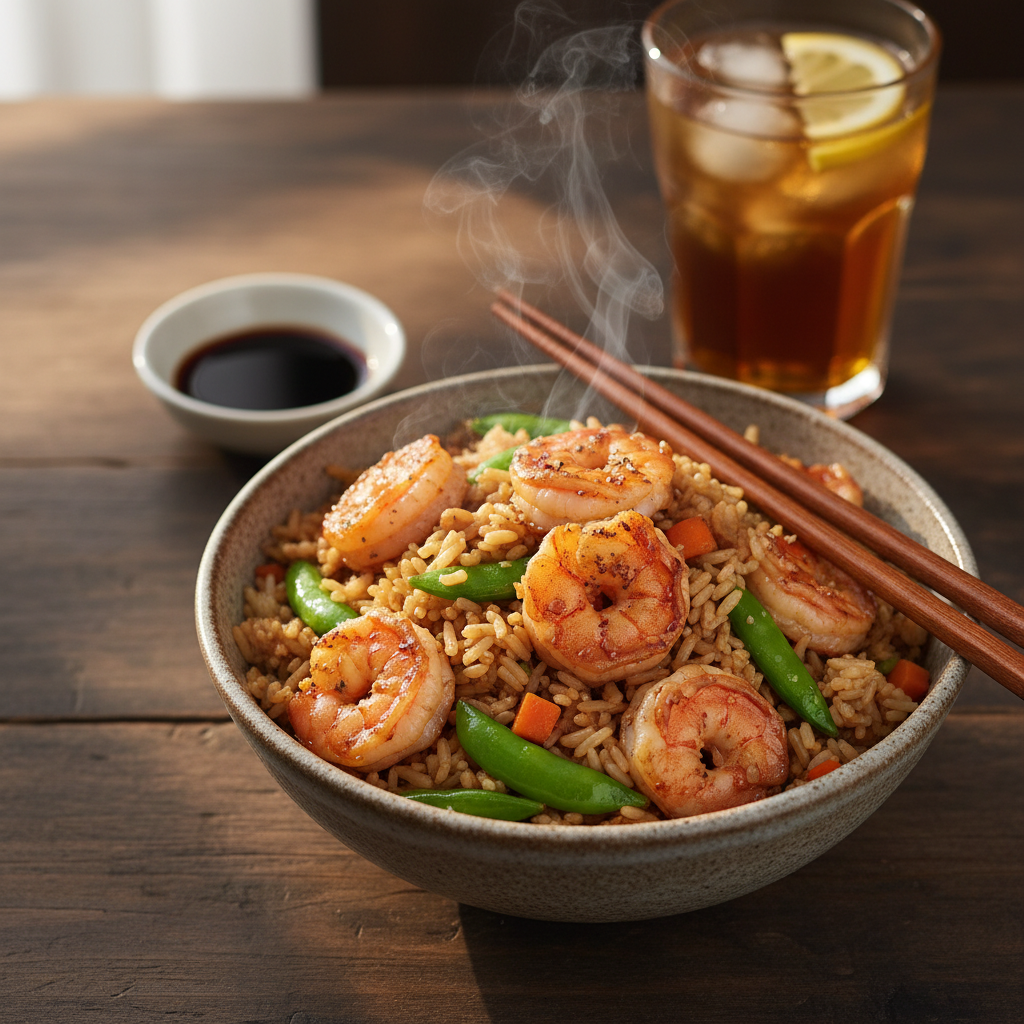
Better-Than-Takeout Shrimp Fried Brown Rice With Vegetables
Shrimp Fried Brown Rice With Vegetables Recipe
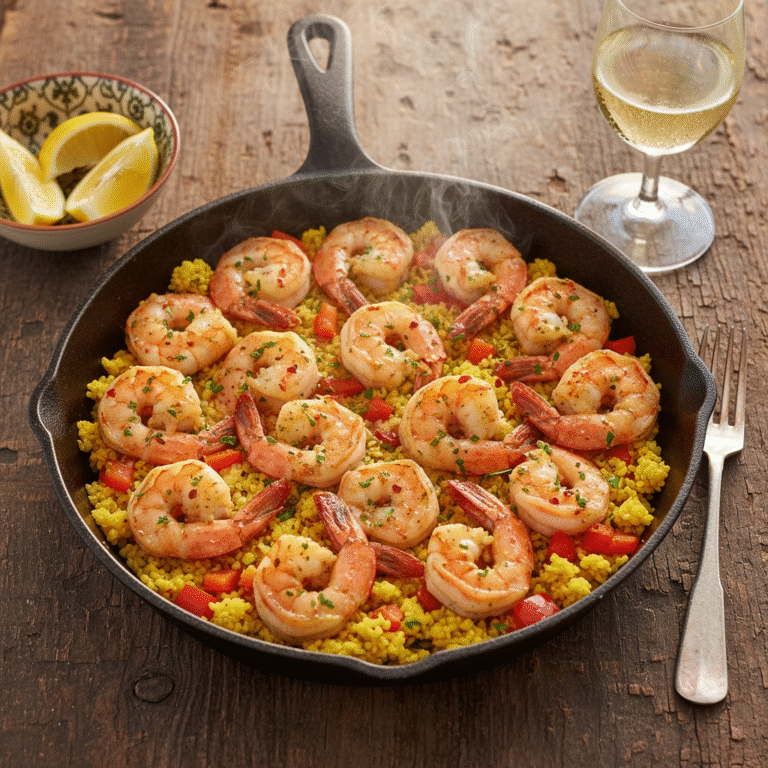
Ditch the delivery menu for this wholesome, nutrient-packed Shrimp Fried Brown Rice. Featuring succulent shrimp, nutty whole-grain rice, and a rainbow of crisp vegetables, this 30-minute meal delivers authentic takeout flavor without the guilt.
15 minutes
15 minutes
30 minutes
4 servings
Main Course
Stir-Fry
Chinese-American
Dairy-Free
We have all been there: it is 6:00 PM on a Tuesday, the day has been exhaustingly long, and the temptation to order takeout is overwhelming. But before you reach for that delivery app, let me introduce you to a dish that satisfies those savory cravings while nourishing your body: Shrimp Fried Brown Rice with Vegetables. This recipe is more than just a quick dinner solution; it is a masterclass in texture and flavor balance. By swapping traditional white rice for hearty brown rice, we introduce a delightful nutty undertone and a chewy texture that holds up remarkably well against the high heat of a wok.
The magic of this dish lies in the harmony of its components. The shrimp, marinated briefly to ensure tenderness, offer a sweet, briny contrast to the earthy grains. We load up on fresh vegetables—snap peas for crunch, bell peppers for sweetness, and carrots for color—making this a complete meal in a single bowl. The sauce is a savory blend of soy, sesame, and aromatics that coats every grain without making the dish heavy or greasy. Unlike restaurant versions that can often leave you feeling lethargic, this homemade variation provides sustained energy thanks to the complex carbohydrates and lean protein. It is the kind of meal that proves healthy eating does not have to mean sacrificing the comfort food flavors we all love. Whether you are meal-prepping for the week or scrambling for a quick family dinner, this recipe is guaranteed to become a staple in your kitchen rotation.
History & Origins
Fried rice is a culinary icon with deep roots in Chinese history, believed to have originated during the Sui Dynasty (589–618 AD) in the city of Yangzhou. Historically, the dish was born out of necessity and frugality; it was an ingenious way to repurpose leftover cold rice and scraps of meat or vegetables to prevent food waste. In Chinese culture, wasting food is often frowned upon, and frying day-old rice with aromatics and soy sauce revived the hardened grains into a steaming, flavorful meal.
Over centuries, fried rice migrated across the globe, adapting to local ingredients and palates. As Chinese immigrants settled in the United States during the 19th and 20th centuries, they brought this versatile technique with them, and it quickly became a staple of Chinese-American cuisine. The version many Americans know today often features white rice, peas, carrots, and egg. However, the modern wellness movement has ushered in a new era for this classic dish. The substitution of brown rice reflects a contemporary shift towards whole grains and fiber-rich diets. Brown rice, which retains its bran and germ, was historically considered ‘peasant food’ in some Asian cultures compared to the refined elegance of white rice, but today it is celebrated for its nutritional profile. This specific iteration—pairing the rustic ancient grain with fresh vegetables and shrimp—represents the intersection of traditional Cantonese cooking techniques with modern Western nutritional values.
Why This Recipe Works
This recipe succeeds where many home-cooked fried rice attempts fail because it strictly adheres to the fundamental principles of wok cooking, adapted for the home kitchen. First and foremost, the use of day-old, cold brown rice is non-negotiable. Freshly cooked rice is laden with moisture, which leads to a mushy, clumpy disaster when fried. Cold rice has undergone retrogradation, where the starches crystallize, allowing the grains to remain separate and firm when hit with heat. Brown rice is actually superior to white rice in this specific regard because its outer bran layer provides a structural integrity that prevents it from breaking down, resulting in a satisfyingly chewy texture.
Secondly, this recipe emphasizes cooking in batches. Home stovetops rarely generate the BTUs of a commercial wok burner. If you crowd the pan with shrimp, veggies, and rice all at once, the temperature drops, and the ingredients steam rather than fry. By searing the shrimp first and removing them, then stir-frying the vegetables, and finally adding the rice, we ensure that each component achieves that elusive ‘wok hei’ (breath of the wok)—a smoky, seared flavor that defines authentic stir-fry. Finally, the sauce ratio is calibrated to season the dish without drowning it, relying on oyster sauce for umami depth and toasted sesame oil for a fragrant finish.
Why You’ll Love This Recipe
- ✓Uses whole grain brown rice for added fiber and nutrients.
- ✓Ready in under 30 minutes, perfect for busy weeknights.
- ✓High protein content from succulent shrimp and eggs.
- ✓Customizable with whatever vegetables you have in the fridge.
- ✓Achieves authentic ‘wok hei’ flavor on a standard stovetop.
Equipment You’ll Need
- ✓Large Wok or Cast Iron Skillet
- ✓Chef’s Knife
- ✓Cutting Board
- ✓Small Mixing Bowl
- ✓Wooden Spatula or Wok Ladle
- ✓Measuring Cups and Spoons
Ingredients
- ✓3 cups cooked brown rice, chilled (preferably day-old)
- ✓1 lb large shrimp, peeled and deveined
- ✓2 tablespoons vegetable oil or avocado oil, divided
- ✓2 large eggs, whisked
- ✓1 cup sugar snap peas, chopped
- ✓1 red bell pepper, diced
- ✓1/2 cup carrots, diced small
- ✓3 green onions, sliced (whites and greens separated)
- ✓3 cloves garlic, minced
- ✓1 tablespoon fresh ginger, grated
- ✓1/2 cup frozen peas, thawed
- ✓3 tablespoons low-sodium soy sauce (or tamari)
- ✓1 tablespoon oyster sauce (or vegetarian mushroom sauce)
- ✓1 teaspoon toasted sesame oil
- ✓1/4 teaspoon white pepper
- ✓Sesame seeds for garnish
Instructions
- Take the chilled brown rice out of the refrigerator and break up any large clumps with your hands. Set aside.
- In a small bowl, whisk together the soy sauce, oyster sauce, sesame oil, and white pepper. This is your stir-fry sauce.
- Heat a large wok or heavy skillet over medium-high heat. Add 1 teaspoon of oil. Add the whisked eggs and scramble quickly until just set. Remove the eggs from the pan and set aside on a plate.
- Wipe the wok clean if necessary. Increase heat to high and add 1 tablespoon of oil. Add the shrimp in a single layer. Sear for 1-2 minutes per side until pink and opaque. Do not overcook. Remove shrimp and set aside with the eggs.
- Add the remaining tablespoon of oil to the hot wok. Add the diced carrots, red bell pepper, and sugar snap peas. Stir-fry for 2-3 minutes until the vegetables are tender-crisp.
- Add the white parts of the green onions, minced garlic, and grated ginger. Stir-fry for 30 seconds until fragrant, being careful not to burn the garlic.
- Add the chilled brown rice and the thawed peas to the wok. Pour the sauce mixture evenly over the rice.
- Stir-fry vigorously for 3-4 minutes, tossing the rice to ensure it is evenly coated with sauce and heated through. You want the rice to toast slightly on the hot surface.
- Return the cooked shrimp and scrambled eggs to the wok. Toss everything together for another minute to combine flavors and warm the proteins.
- Remove from heat. Stir in the green parts of the green onions.
- Serve immediately, garnished with sesame seeds and extra soy sauce if desired.
Expert Cooking Tips
- ✓Cold rice is king: Always use rice that has been refrigerated for at least 12 hours for the best texture.
- ✓High heat is essential: Keep your burner on high to fry the ingredients rather than steam them.
- ✓Prep ahead: Stir-frying happens fast. Have all your veggies chopped and sauces mixed before you turn on the stove.
- ✓Don’t overcrowd: If your pan is small, cook the rice in two batches to ensure it fries properly.
- ✓Dry the shrimp: Pat your shrimp dry with paper towels before searing to get a nice golden crust.
- ✓Season the wok: If using a carbon steel wok, ensure it is properly seasoned to prevent sticking.
Substitutions and Variations
This recipe is incredibly versatile and forgiving. If you do not have shrimp, chicken breast, flank steak, or firm tofu make excellent protein alternatives. For a vegetarian version, omit the shrimp and oyster sauce, replacing the latter with vegetarian mushroom stir-fry sauce. You can swap the brown rice for white jasmine rice, quinoa, or even cauliflower rice for a low-carb option (though the cooking time for cauliflower rice will be much shorter). The vegetables are entirely customizable; broccoli florets, baby corn, zucchini, edamame, and bok choy are all fantastic additions. If you are gluten-free, ensure you use Tamari instead of traditional soy sauce and check that your oyster sauce is certified gluten-free.
Common Mistakes to Avoid
The most common mistake is using freshly cooked, warm rice, which releases too much starch and moisture, turning the dish into a gummy mash. Another frequent error is overcrowding the wok; this lowers the temperature significantly and causes the vegetables to release water, resulting in a soggy stir-fry. Many home cooks also burn their aromatics (garlic and ginger) by adding them too early with the hard vegetables; they should be added just before the rice to preserve their flavor without scorching. Finally, avoid overcooking the shrimp. Shrimp cook very quickly and will become rubbery if left in the pan while the rice fries. Always cook them first and add them back at the very end.
Serving Suggestions
This Shrimp Fried Brown Rice is a complete meal on its own, but it pairs beautifully with a side of spicy cucumber salad or steamed garlic bok choy to add more greens to your plate. For a fun appetizer, serve it alongside vegetable spring rolls or potstickers. A light, broth-based soup like egg drop soup or miso soup makes for a comforting starter. If you like a kick of heat, serve with a side of chili crisp or Sriracha.
Storage and Reheating Tips
Leftover fried rice stores surprisingly well. Place any leftovers in an airtight container and refrigerate for up to 3 days. To reheat, it is best to use the stovetop or a wok to revive the texture; simply add a splash of water or broth to the pan to steam the rice slightly as it fries again. If using a microwave, cover the bowl with a damp paper towel to prevent the rice from drying out. We do not recommend freezing this dish if it contains cooked shrimp, as the texture of the shrimp can become tough and rubbery upon thawing and reheating.
Nutrition Facts (Estimated)
| Serving Size | 1.5 cups |
| Calories | 420 |
| Fat | 12g |
| Saturated Fat | 2g |
| Unsaturated Fat | 9g |
| Trans Fat | 0g |
| Cholesterol | 185mg |
| Sodium | 680mg |
| Carbohydrates | 52g |
| Fiber | 6g |
| Sugar | 4g |
| Protein | 28g |
Frequently Asked Questions
Can I use instant brown rice?
Yes, you can use instant brown rice, but the texture might be softer. Ensure it is fully cooled and chilled before frying.
Why is my fried rice mushy?
Mushy fried rice is usually caused by using warm, fresh rice or overcrowding the pan. Use day-old cold rice and cook in batches if necessary.
Can I make this recipe vegan?
Absolutely. Omit the shrimp and eggs, use tofu or edamame for protein, and swap the oyster sauce for a vegetarian mushroom sauce.
Do I need a wok to make this?
While a wok is ideal for heat distribution and tossing, a large cast-iron skillet or a wide non-stick pan works very well.
How do I cool rice quickly for fried rice?
Spread the freshly cooked rice out on a large baking sheet in a thin layer. Let it steam off for 10 minutes, then place the tray in the fridge for at least 30 minutes.
Is brown rice healthier than white rice?
Generally, yes. Brown rice is a whole grain that retains the bran and germ, providing more fiber, magnesium, and other nutrients compared to refined white rice.
Can I use frozen shrimp?
Yes, frozen shrimp works great. Just ensure they are fully thawed and patted very dry before cooking to prevent excess water in the pan.
What oil is best for fried rice?
Oils with a high smoke point are best, such as avocado oil, vegetable oil, canola oil, or grapeseed oil. Save the sesame oil for finishing flavor.
Conclusion
Shrimp Fried Brown Rice with Vegetables is the ultimate proof that healthy food does not have to be boring or complicated. It brings together the best of both worlds: the comforting, savory satisfaction of your favorite Chinese takeout and the nutritional benefits of whole foods cooked right in your own kitchen. With its vibrant colors, robust flavors, and quick cooking time, it is a recipe that respects your busy schedule while caring for your well-being. I hope this dish finds a permanent spot in your meal rotation, bringing a little bit of ‘wok hei’ magic to your dinner table. Happy cooking!