Creamy 30-Minute Shrimp and Veggie Coconut Curry Soup
Shrimp And Veggie Coconut Curry Soup Recipe
This vibrant Shrimp and Veggie Coconut Curry Soup is the ultimate weeknight comfort food. Bursting with aromatic Thai flavors, tender shrimp, and fresh vegetables, it comes together in just 30 minutes for a healthy, dairy-free dinner that tastes like it simmered all day.
20 minutes
20 minutes
40 minutes
4 servings
Main Course
Stovetop
Thai-Inspired
Gluten-Free
Welcome back to the kitchen, friends! If you have been searching for that perfect bowl of comfort that warms you from the inside out without weighing you down, you have officially arrived. This Shrimp and Veggie Coconut Curry Soup is one of those magical recipes that sits right at the intersection of ‘incredibly healthy’ and ‘sinfully delicious.’ We are talking about a velvety, golden broth infused with red curry paste, ginger, and garlic, enriched by the creamy decadence of coconut milk. It is spicy, savory, slightly sweet, and packed with texture from the succulent shrimp and crisp-tender vegetables.
What I love most about this recipe is its versatility and speed. In the time it takes to order takeout, you can have a restaurant-quality meal on the table that smells absolutely divine. The aroma of lemongrass and galangal wafting through your kitchen is enough to cure the blues on a rainy day. This dish is heavily inspired by Thai flavors but adapted for the busy home cook, utilizing accessible ingredients you can find at most local grocery stores. It is naturally gluten-free and dairy-free, making it a crowd-pleaser for various dietary needs. Whether you are serving it over a bed of jasmine rice to soak up that liquid gold or enjoying it on its own with a squeeze of fresh lime, every spoonful is a journey for your taste buds. Let’s dive into the details of how to make this stunning soup that is sure to become a staple in your weekly rotation.
History & Origins
While this specific recipe is a modern interpretation tailored for Western kitchens, its roots are deeply embedded in the culinary traditions of Southeast Asia, specifically Thailand. The concept of ‘Kaeng’ (Thai curry) dates back centuries and is a cornerstone of Thai cuisine. Historically, these dishes were born from the abundance of fresh ingredients available in the tropical climate—coconuts from the palms, fresh seafood from the coasts and rivers, and a myriad of aromatic herbs and spices like lemongrass, galangal, and chilies grown in the fertile soil.
The use of coconut milk in curries is believed to have been influenced by Indian trade routes that brought spices to the region, which were then adapted by local cooks who substituted dairy (common in Indian cooking) with the readily available coconut milk. This substitution created the distinctively rich, sweet, and floral profile that defines Thai curries today. Unlike Indian curries which often use dried spice blends, Thai curries rely on wet pastes made from pounding fresh ingredients with a mortar and pestle. This method releases the essential oils and vibrant flavors that are characteristic of the cuisine.
Over time, as these recipes traveled across the globe, they evolved. In the United States and Europe, ‘curry soup’ became a popular fusion genre, blending the intensity of traditional curries with the lighter, brothier consistency of Western soups. This Shrimp and Veggie Coconut Curry Soup pays homage to those ancient traditions by respecting the balance of the four essential Thai flavor elements: salty (fish sauce), spicy (chilies), sour (lime), and sweet (coconut/sugar), while presenting it in a format that fits the modern lifestyle of quick, nutritious, one-pot meals.
Why This Recipe Works
This recipe succeeds because it is built on the fundamental principle of flavor layering. Many quick soup recipes fall flat because they simply dump ingredients into a pot of boiling water. Here, we start by blooming the red curry paste in oil. This step is scientifically crucial; the heat extracts fat-soluble flavor compounds from the chilies and aromatics in the paste, intensifying the flavor profile significantly before any liquid is added. If you were to just whisk the paste into the broth later, the soup would taste raw and disjointed.
Furthermore, the use of full-fat coconut milk provides a natural emulsifier. The fat content coats the tongue, which not only creates a luxurious mouthfeel but also helps to mitigate the sharp heat of the chilies, making the spice level palatable and pleasant rather than overwhelming. We also add the vegetables in stages based on their density—harder veggies like carrots go in first, while delicate ones like bell peppers and spinach go in last. This ensures that every element is cooked to its perfect texture. Finally, poaching the shrimp gently in the hot liquid at the very end guarantees they remain plump and juicy. Shrimp cook incredibly fast, and boiling them vigorously creates a rubbery texture. By adding them last, we utilize the residual heat to cook them gently, preserving their delicate sweetness.
Why You’ll Love This Recipe
- ✓Ready in under 45 minutes, perfect for busy weeknights.
- ✓Dairy-free and Gluten-free, accommodating multiple diets.
- ✓High in protein and loaded with nutrient-dense vegetables.
- ✓Customizable spice level to suit kids or heat-seekers.
- ✓One-pot cleanup makes post-dinner chores a breeze.
- ✓Leftovers taste even better the next day as flavors meld.
Equipment You’ll Need
- ✓Large Heavy-Bottomed Pot or Dutch Oven
- ✓Chef’s Knife
- ✓Cutting Board
- ✓Wooden Spoon
- ✓Measuring Cups and Spoons
- ✓Ladles
Ingredients
- ✓1 tablespoon coconut oil or olive oil
- ✓1 medium yellow onion, diced
- ✓1 red bell pepper, sliced into thin strips
- ✓1 cup carrots, sliced into rounds
- ✓2 tablespoons fresh ginger, grated
- ✓3 cloves garlic, minced
- ✓3-4 tablespoons Thai red curry paste (adjust for heat)
- ✓2 cans (13.5 oz each) full-fat coconut milk
- ✓2 cups vegetable or chicken broth
- ✓1 lb large shrimp, peeled and deveined (tails on or off)
- ✓2 cups fresh baby spinach or bok choy
- ✓1 tablespoon fish sauce (or soy sauce for vegan option)
- ✓1 tablespoon brown sugar or coconut sugar
- ✓2 tablespoons fresh lime juice
- ✓Fresh cilantro, for garnish
- ✓Sliced red chilies or jalapeños, for garnish (optional)
- ✓Cooked jasmine rice, for serving
Instructions
- Prepare your vegetables: Dice the onion, slice the bell peppers and carrots, and grate the ginger and garlic. Have your shrimp peeled and ready.
- Heat the coconut oil in a large pot or Dutch oven over medium heat. Once the oil is shimmering, add the diced onion and carrots. Sauté for about 5-6 minutes until the onions become translucent and the carrots slightly tender.
- Add the grated ginger and minced garlic to the pot. Cook for another minute until fragrant, being careful not to burn the garlic.
- Stir in the red curry paste. Cook this mixture for 2-3 minutes, stirring constantly. This ‘blooming’ step is critical for releasing the flavors of the curry paste.
- Pour in the chicken (or vegetable) broth and scrape the bottom of the pot to deglaze any browned bits. Then, pour in the two cans of coconut milk. Stir well to combine until the broth is smooth and uniform.
- Bring the soup to a gentle simmer. Reduce the heat to low and let it simmer uncovered for about 10 minutes to allow the flavors to meld and the liquid to reduce slightly.
- Add the sliced red bell peppers and the brown sugar and fish sauce. Simmer for another 3-4 minutes until the peppers are tender but still have a bite.
- Add the raw shrimp and the baby spinach (or bok choy) to the pot. Stir gently to submerge the shrimp.
- Cook for just 3-5 minutes, or until the shrimp turn pink and opaque and the greens have wilted. Do not overcook the shrimp.
- Remove the pot from the heat immediately. Stir in the fresh lime juice. Taste the broth and adjust seasoning—add more fish sauce for saltiness, sugar for sweetness, or lime for acidity.
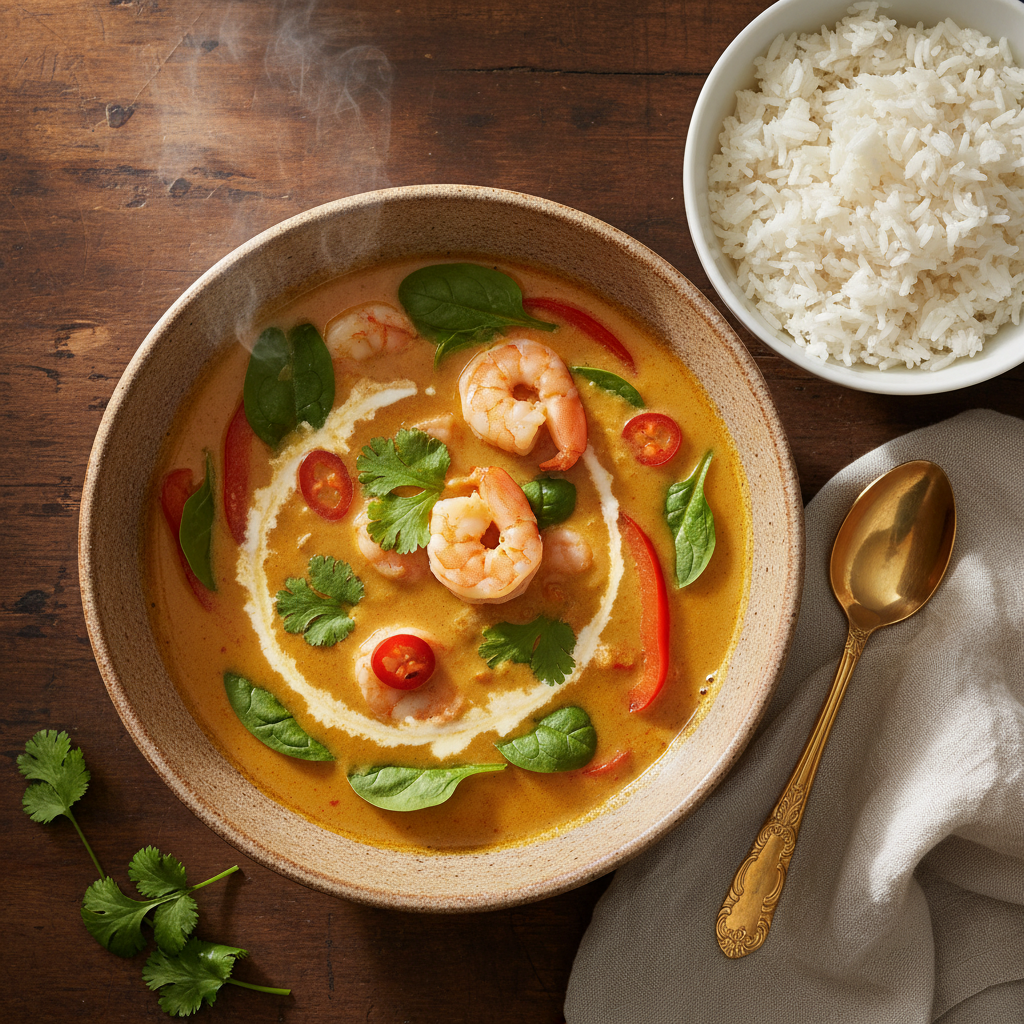
- Ladle into bowls over a scoop of jasmine rice if desired. Top generously with fresh cilantro and extra chili slices.
Expert Cooking Tips
- ✓Use full-fat coconut milk for the creamiest texture; ‘light’ versions will result in a thin, watery soup.
- ✓Don’t skip blooming the curry paste; frying it in the oil transforms the flavor from raw to robust.
- ✓If you are sensitive to spice, start with 2 tablespoons of curry paste and add more to taste.
- ✓Thaw frozen shrimp completely before adding them to the soup to ensure even cooking and to prevent cooling down the broth too much.
- ✓Fresh ginger and garlic make a huge difference compared to the powdered versions.
- ✓Add the lime juice only after removing the pot from the heat to preserve its fresh, zesty brightness.
Substitutions and Variations
This recipe is incredibly flexible and welcomes substitutions. If you are not a fan of shrimp, you can easily swap it for cubed chicken breast or thighs—just be sure to add the chicken earlier in the cooking process (with the broth) so it cooks through completely. For a vegetarian or vegan version, substitute the shrimp with cubes of firm tofu or a can of drained chickpeas, and swap the fish sauce for soy sauce or tamari. Vegetable-wise, the sky is the limit. You can use snap peas, zucchini, broccoli florets, sweet potatoes, or bamboo shoots. If you don’t have brown sugar, maple syrup or honey works well as a sweetener. For the aromatics, if you can find fresh lemongrass, bruise a stalk and simmer it in the broth for an authentic citrusy kick, removing it before serving.
Common Mistakes to Avoid
The most common mistake with this soup is overcooking the shrimp. Shrimp go from perfectly tender to rubbery and tough in a matter of seconds. Watch them closely and remove the pot from the heat the moment they turn pink. Another mistake is boiling the coconut milk too vigorously. High heat can cause coconut milk to separate or ‘break,’ resulting in a grainy texture. Keep the soup at a gentle simmer, never a rolling boil, once the milk is added. Lastly, under-seasoning is a frequent issue. Thai food relies on the balance of salty, sweet, sour, and spicy. If it tastes bland, it likely needs a splash more fish sauce or a squeeze of lime, not just table salt.
Serving Suggestions
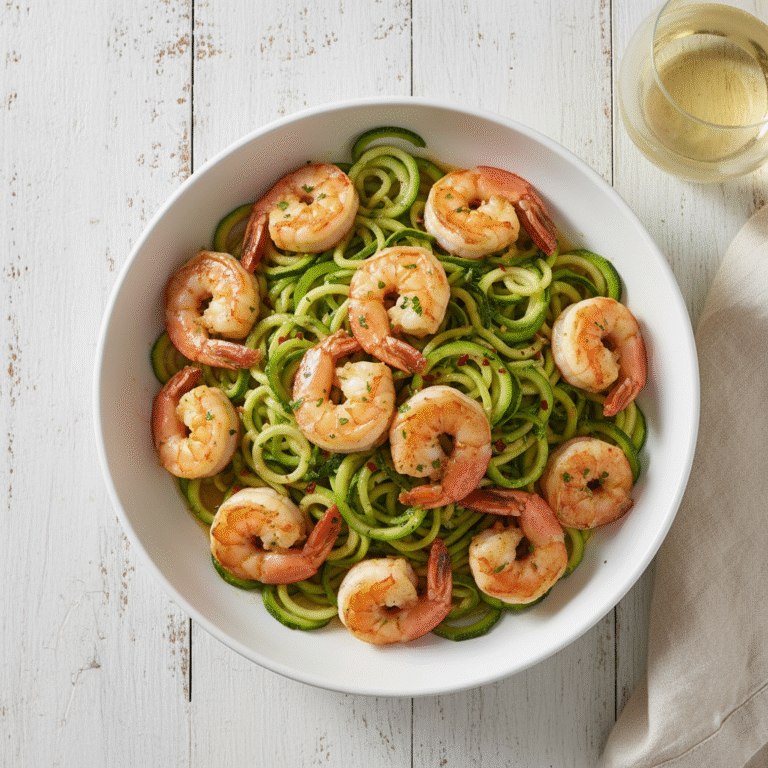
This soup is hearty enough to be a meal on its own, but it is traditionally served with steamed jasmine rice. The rice acts as a sponge for the flavorful broth. For a lower-carb option, serve it over cauliflower rice or zucchini noodles. A side of warm naan bread or flaky roti is excellent for dipping. To elevate the presentation for a dinner party, serve the soup in wide-rimmed bowls garnished with fresh cilantro, a wedge of lime, and a drizzle of chili oil. A crisp cucumber salad with a vinegar dressing makes a refreshing side dish to cut through the richness of the coconut milk.
Storage and Reheating Tips
Store leftovers in an airtight container in the refrigerator for up to 3 days. The flavors often improve the next day as the spices continue to marry. To reheat, warm the soup gently on the stovetop over medium-low heat. Avoid microwaving on high power, as this can make the shrimp rubbery. If you plan to freeze this soup, it is best to do so without the shrimp, as the texture of cooked shrimp can suffer after freezing and reheating. Freeze the vegetable curry base for up to 2 months, thaw in the fridge overnight, and add fresh shrimp when reheating.
Nutrition Facts (Estimated)
| Serving Size | 1.5 cups |
| Calories | 380 |
| Fat | 24g |
| Saturated Fat | 18g |
| Unsaturated Fat | 4g |
| Trans Fat | 0g |
| Cholesterol | 185mg |
| Sodium | 980mg |
| Carbohydrates | 14g |
| Fiber | 4g |
| Sugar | 6g |
| Protein | 26g |
Frequently Asked Questions
Can I use green curry paste instead of red?
Absolutely! Green curry paste tends to be slightly sweeter and spicier than red curry paste, but it works beautifully in this recipe. Yellow curry paste is another milder, more turmeric-forward option.
Is this soup very spicy?
The spice level depends entirely on the brand of curry paste you use and how much you add. Most grocery store brands are mild to medium. Start with less and add more to taste.
Can I make this in a slow cooker?
Yes. Sauté the aromatics and bloom the paste first, then add everything except the shrimp, spinach, and lime to the slow cooker. Cook on low for 4 hours. Add shrimp and spinach in the last 20 minutes.
What if my soup is too thin?
The soup is meant to be brothy, but if you want it thicker, you can simmer it longer to reduce, or mix 1 teaspoon of cornstarch with a little water and stir it in.
Do I have to use fish sauce?
Fish sauce provides the authentic ‘umami’ flavor, but if you dislike it or are allergic, soy sauce or tamari are acceptable substitutes.
Can I use frozen vegetables?
Yes, frozen stir-fry vegetable blends work well. Add them towards the end of the simmering time so they don’t become mushy.
Is coconut milk from a carton okay?
It is not recommended. Carton coconut milk is a beverage and is too thin and watery for cooking. Use canned, unsweetened coconut milk for the correct texture.
How do I devein shrimp?
Use a small paring knife to make a shallow slit along the back of the peeled shrimp. Lift out the dark vein with the tip of the knife and discard.
Conclusion
There you have it—a bowl of sunshine that is ready in under an hour! This Shrimp and Veggie Coconut Curry Soup is truly a testament to how easy it can be to bring bold, global flavors into your home kitchen without stress. It’s the kind of meal that feels special enough for a Saturday night dinner with friends but is simple enough for a Tuesday night when you are exhausted. The creamy texture, the pop of the shrimp, and the zing of the lime create a symphony of flavors that I know you are going to love. If you make this recipe, please leave a comment below and let me know how you customized it. Happy cooking, and stay delicious!