The Ultimate Salmon Avocado Sushi Bowl: A Healthy, Deconstructed Sushi Feast
Salmon Avocado Sushi Bowl Healthy Recipe
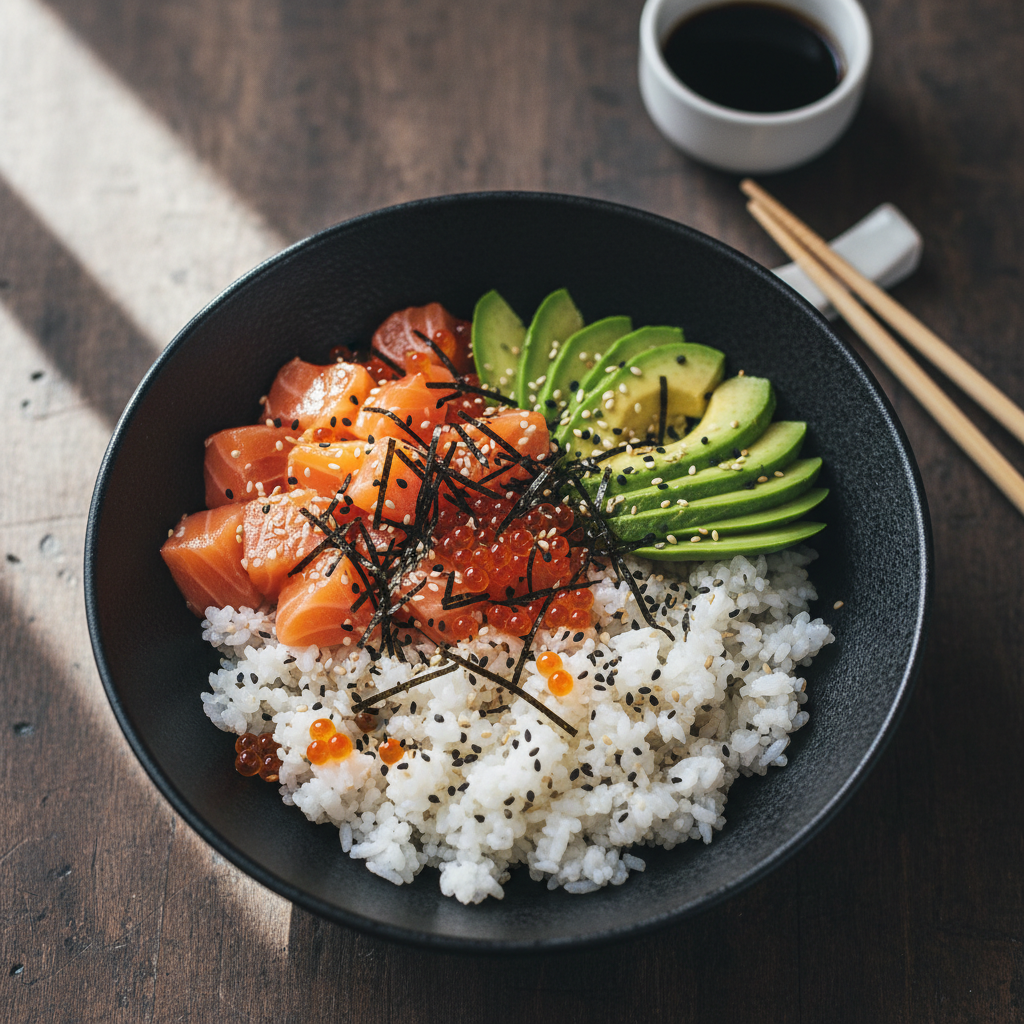
Experience all the vibrant flavors of your favorite sushi roll without the hassle of rolling. This Salmon Avocado Sushi Bowl combines sashimi-grade salmon, creamy avocado, and crisp vegetables over perfectly seasoned rice for a nutritious, 15-minute meal that feels like a luxury.
20 minutes
20 minutes
40 minutes
2 Servings
Main Course
Rice Cooker / No-Cook Assembly
Japanese-Fusion
Pescatarian
If you have ever found yourself craving the delicate balance of flavors found in a high-end sushi roll but lacked the time, patience, or technical skill to roll your own at home, this Salmon Avocado Sushi Bowl is the answer to your culinary prayers. Often referred to as ‘Chirashi’s modern cousin’ or a deconstructed sushi roll, this dish strips away the complexity of the bamboo mat while amplifying the volume and nutritional value. We start with a base of short-grain sushi rice, seasoned to perfection with a blend of rice vinegar, sugar, and salt—the holy trinity of sushi preparation. Topping this is the star of the show: fresh, buttery salmon rich in omega-3 fatty acids, paired with the lush creaminess of ripe avocado. But we do not stop there. To transform this into a truly wholesome meal, we introduce crunchy cucumbers for texture, edamame for a protein boost, and a sprinkle of nori and sesame seeds to deliver that quintessential umami punch. The beauty of this bowl lies not just in its taste, which is fresh, clean, and invigorating, but in its versatility. It is a canvas for whatever fresh produce you have on hand, making it the ultimate healthy weeknight dinner that does not compromise on flavor. Whether you are a sushi aficionado or a health-conscious foodie looking for a macro-balanced meal, this recipe delivers a restaurant-quality experience right at your dining table. It is vibrant, it is fresh, and it is about to become a staple in your weekly rotation.
History & Origins
To truly appreciate the Salmon Avocado Sushi Bowl, we must look back at the evolution of sushi itself. The concept of serving fish over rice dates back centuries in Japan, originally as a method of preservation known as Nare-zushi, where fermented rice preserved the fish. Over time, this evolved into the fresh sushi we know today during the Edo period. Specifically, this bowl draws heavy inspiration from ‘Chirashizushi’ (scattered sushi), a traditional Japanese dish where sashimi and garnishes are served over a bed of vinegared rice. Chirashi is often eaten on festive occasions and allows for a variety of ingredients without the need for shaping nigiri or rolling makizushi. However, the specific combination of salmon and avocado is a relatively modern, Western-influenced innovation. The introduction of salmon to sushi is famously attributed to Norwegian marketing efforts in the 1980s, which convinced the Japanese market that their fatty Atlantic salmon was safe and delicious for raw consumption. Meanwhile, the ‘California Roll,’ invented in North America in the 1970s, popularized the use of avocado as a creamy substitute for fatty tuna (toro). The modern ‘Sushi Bowl’ or ‘Poke Bowl’ trend that has swept across the United States in the last decade fuses these histories—taking the traditional Chirashi format, applying the Western palate’s love for salmon and avocado, and adding a health-conscious, salad-bowl spin. It represents a global culinary dialogue, merging ancient Japanese preparation methods with contemporary dietary preferences for accessible, nutrient-dense meals.
Why This Recipe Works
This recipe works because it masterfully balances the five basic tastes—sweet, sour, salty, bitter, and umami—while also playing with texture and temperature, which are crucial elements of a satisfying meal. First, the foundation: the sushi rice. By washing the rice until the water runs clear and seasoning it while it is still hot, we achieve that distinctively sticky yet fluffy texture and a glossy appearance. The vinegar mixture provides a tart counterpoint to the natural sweetness of the rice and the richness of the fish. Second, the fat ratio. Both salmon and avocado are high in healthy fats. If eaten alone, they might be too heavy, but when paired with the crisp, watery crunch of cucumber and the acidity of the pickled ginger and soy dressing, the richness is cut through perfectly, cleansing the palate with every bite. Third, the ease of assembly ensures consistency. Rolling sushi requires practice to get the rice-to-filling ratio correct; a bowl eliminates this error margin, guaranteeing that every forkful has the perfect distribution of ingredients. Finally, the visual appeal cannot be overstated; the vibrant orange of the salmon against the bright green avocado and white rice triggers an appetite response, proving the old adage that we eat with our eyes first.
Why You’ll Love This Recipe
- ✓Ready in under 30 minutes
- ✓High in Omega-3s and healthy fats
- ✓No sushi rolling mat required
- ✓Restaurant-quality presentation
- ✓Easily customizable with various toppings
- ✓Gluten-free adaptable
Equipment You’ll Need
- ✓Rice Cooker or Heavy-bottomed pot
- ✓Sharp Chef’s Knife
- ✓Cutting Board
- ✓Small Mixing Bowl
- ✓Wooden Spoon or Rice Paddle
- ✓Fan (optional, for cooling rice)
Ingredients
- ✓1 cup Sushi Rice (short-grain Japanese rice)
- ✓1.25 cups Water
- ✓2 tbsp Rice Vinegar (unseasoned)
- ✓1 tbsp White Sugar
- ✓1 tsp Sea Salt
- ✓0.5 lb Sashimi-grade Salmon, cubed
- ✓1 large Ripe Avocado, sliced or cubed
- ✓1 cup Cucumber, diced
- ✓0.5 cup Shelled Edamame, steamed
- ✓2 Green Onions, thinly sliced
- ✓1 sheet Nori (seaweed), cut into thin strips
- ✓1 tbsp Sesame Seeds (toasted)
- ✓Pickled Ginger (optional)
- ✓Wasabi (optional)
- ✓Soy Sauce or Tamari for drizzling
- ✓Spicy Mayo (optional: mayo mixed with sriracha)
Instructions
- Rinse the sushi rice in a fine-mesh sieve under cold water until the water runs clear. This removes excess starch. Drain well.
- Combine the rice and water in a rice cooker or pot. Cook according to the manufacturer’s instructions or bring to a boil, cover, reduce heat to low, and simmer for 18-20 minutes.
- While the rice cooks, prepare the sushi vinegar. In a small bowl, whisk together the rice vinegar, sugar, and salt until the sugar is fully dissolved. You can microwave it for 15 seconds to help it dissolve if needed.
- Once the rice is cooked, transfer it to a large, wide bowl (traditionally a wooden hangiri). Pour the sushi vinegar mixture evenly over the hot rice.
- Using a rice paddle or wooden spoon, gently fold the vinegar into the rice using a slicing motion. Do not mash the grains. Ideally, fan the rice while mixing to cool it down and give it a glossy shine. Let it cool to room temperature.
- While the rice cools, prepare your toppings. Cube the sashimi-grade salmon into bite-sized pieces. Slice the avocado, dice the cucumber, and slice the green onions.
- Assemble the bowls: Place a generous scoop of the seasoned sushi rice at the bottom of two bowls.
- Arrange the salmon, avocado, cucumber, and edamame in distinct sections on top of the rice for a beautiful presentation.
- Garnish with sliced green onions, nori strips, sesame seeds, and pickled ginger.
- Serve immediately with a side of soy sauce, wasabi, and spicy mayo if desired.
Expert Cooking Tips
- ✓Use high-quality short-grain rice; long-grain rice will not provide the correct sticky texture.
- ✓Fan the rice while seasoning to create a glossy finish and prevent it from becoming mushy.
- ✓Ensure your salmon is labeled ‘sashimi-grade’ or ‘sushi-grade’ for safety when eating raw.
- ✓Cut the avocado just before serving to prevent browning, or squeeze a little lemon juice on it.
- ✓Wet your knife with water before cutting the avocado or fish to get clean, smooth cuts.
- ✓Do not refrigerate the seasoned rice before serving; cold rice becomes hard and unappetizing.
Substitutions and Variations
This recipe is incredibly flexible. If you cannot find sashimi-grade salmon, you can use smoked salmon, poached shrimp, or even canned tuna mixed with spicy mayo for a budget-friendly version. For a vegetarian or vegan option, swap the fish for marinated tofu or simply load up on extra veggies like radishes, shredded carrots, and seaweed salad. If you are watching your carb intake, you can replace the white sushi rice with brown rice, quinoa, or a cauliflower rice base, though the traditional sticky texture will be different. Coconut aminos can be used in place of soy sauce for a soy-free or lower-sodium alternative. Those who do not like nori can substitute it with furikake seasoning or just extra toasted sesame seeds.
Common Mistakes to Avoid
The most common mistake is using the wrong type of rice. Long-grain or jasmine rice will not hold the seasoning properly and lacks the chewy texture essential for a sushi experience. Another error is seasoning the rice when it is cold; the rice must be hot to absorb the vinegar mixture effectively. Overworking the rice while mixing is also a pitfall—using a stirring motion instead of a cutting motion can result in a gummy, mashed paste rather than distinct, glossy grains. Finally, buying supermarket fish that is not intended for raw consumption is a major health risk. Always buy from a reputable fishmonger who can guarantee the fish is safe for raw consumption, or opt for cooked alternatives.
Serving Suggestions
Serve these bowls immediately while the rice is at room temperature and the fish is cold. This temperature contrast is key to the experience. Pair the dish with a warm bowl of miso soup to start, which prepares the palate. A side of chilled seaweed salad (wakame) or simple steamed spinach with sesame dressing (goma-ae) complements the meal beautifully. For drinks, a crisp, dry Japanese beer like Asahi, a chilled Junmai sake, or a hot green tea (sencha) pairs wonderfully with the clean flavors of the fish and rice.
Storage and Reheating Tips
Sushi bowls are best enjoyed fresh. However, if you have leftovers, store the fish and avocado separately from the rice if possible. The fish should be consumed within 24 hours. The avocado will brown, so it is best to eat that fresh. Seasoned sushi rice should not be refrigerated if you plan to eat it soon, as it hardens; however, for food safety with fish involved, you must refrigerate the entire bowl if it is already assembled. To reheat, remove the fish and fresh vegetables, then gently microwave the rice with a sprinkle of water to rehydrate it before reassembling the toppings. Do not freeze this dish.
Nutrition Facts (Estimated)
| Serving Size | 1 Bowl |
| Calories | 580 |
| Fat | 22g |
| Saturated Fat | 3.5g |
| Unsaturated Fat | 16g |
| Trans Fat | 0g |
| Cholesterol | 45mg |
| Sodium | 980mg |
| Carbohydrates | 68g |
| Fiber | 8g |
| Sugar | 6g |
| Protein | 28g |
Frequently Asked Questions
Can I use brown rice instead of white sushi rice?
Yes, you can use short-grain brown rice. It will be nuttier and less sticky, but it is a healthier whole-grain alternative that works well in bowls.
Is it safe to eat raw salmon from the grocery store?
Generally, no. You should look for fish specifically labeled ‘sashimi-grade’ or ‘sushi-grade,’ which indicates it has been frozen at very low temperatures to kill parasites. If unsure, ask the fishmonger.
Can I make this recipe ahead of time for meal prep?
You can prep the ingredients ahead of time, but store them separately. Keep the rice, fish, and veggies in different containers and assemble just before eating to maintain the best texture and freshness.
What if I don’t have rice vinegar?
You can substitute with apple cider vinegar or white wine vinegar mixed with a little extra sugar, though the flavor profile will be slightly different.
How do I stop the avocado from turning brown?
Toss the avocado cubes in a little lime or lemon juice immediately after cutting. This slows down the oxidation process.
Can I cook the salmon instead?
Absolutely. Pan-searing, baking, or air-frying the salmon with a teriyaki glaze is a delicious alternative if you prefer not to eat raw fish.
Is this recipe gluten-free?
It can be easily made gluten-free by using Tamari instead of regular soy sauce and ensuring your imitation crab (if using) or other condiments are certified gluten-free.
What is furikake?
Furikake is a dry Japanese seasoning usually meant to be sprinkled on top of cooked rice, vegetables, and fish. It typically consists of a mixture of dried fish, sesame seeds, chopped seaweed, sugar, and salt.
Conclusion
There you have it—a stunning, nutritious, and utterly delicious Salmon Avocado Sushi Bowl that rivals any takeout order. By mastering the simple art of seasoning sushi rice and sourcing fresh ingredients, you can bring the authentic taste of Japan into your kitchen with minimal effort. This recipe proves that healthy eating does not have to be bland or boring; it can be a vibrant celebration of textures and flavors. We hope this becomes a cherished recipe in your home, bringing smiles and satisfaction to your table. Happy cooking!