The Ultimate Healthy Chicken and Vegetable Noodle Soup
Chicken And Vegetable Noodle Soup Healthy Recipe
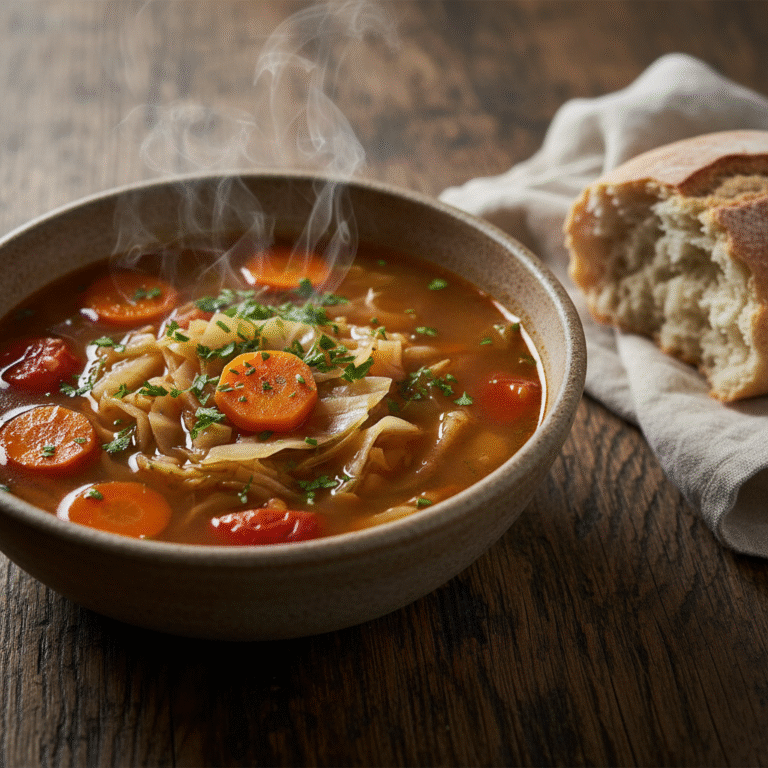
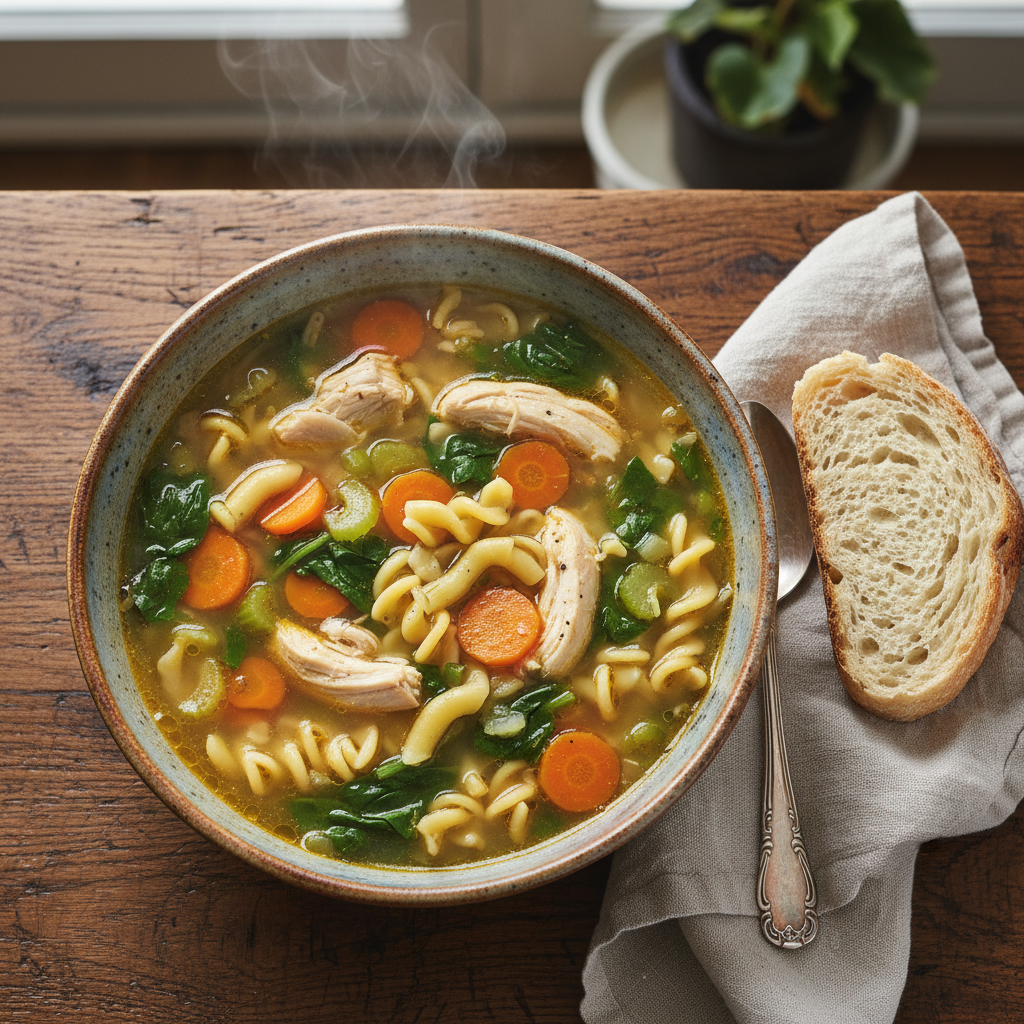
This soul-warming Healthy Chicken and Vegetable Noodle Soup is the ultimate comfort food makeover. Packed with lean protein, vibrant fresh vegetables, and immunity-boosting broth, it delivers a hug in a bowl without the guilt. Perfect for chilly nights or when you need a nutritious reset, this recipe comes together in under an hour.
20 minutes
40 minutes
60 minutes
6 servings
Main Course
Stovetop
American
Dairy-Free
There are few dishes in the culinary world that evoke as much nostalgia and comfort as a steaming bowl of chicken noodle soup. It is the universal sign of care, a culinary hug that transcends borders and generations. However, this recipe takes that classic foundation and elevates it into a powerhouse of nutrition and flavor. We are moving beyond the salty, preservative-laden canned versions of our childhoods and embracing a pot filled with fresh, vibrant ingredients that nourish the body from the inside out. This Healthy Chicken and Vegetable Noodle Soup is designed to be the cornerstone of your meal rotation, bridging the gap between wholesome eating and pure comfort food satisfaction.
The secret lies in the layering of flavors. We start with a robust mirepoix—the holy trinity of onions, carrots, and celery—sautéed slowly to release their natural sugars. To this aromatic base, we add garlic and fresh thyme, creating a savory perfume that will fill your kitchen and draw the family to the table. Unlike heavy cream-based soups, this broth is clear, light, and restorative, allowing the ingredients to shine. We utilize lean chicken breast for a high-protein, low-fat profile, but cook it gently within the broth to ensure it remains tender and juicy, never dry.
Furthermore, this soup is a textural delight. The crunch of perfectly cooked vegetables contrasts beautifully with the soft, slippery noodles and the tender shreds of chicken. We’ve also snuck in some leafy greens at the very end—spinach or kale—to add a pop of color and a boost of vitamins without altering the classic flavor profile. Whether you are fighting off a seasonal cold, looking for a light post-holiday meal, or simply craving warmth on a rainy Tuesday, this soup delivers on every front. It is hydration, nutrition, and comfort, all simmered to perfection in a single pot.
History & Origins
The concept of chicken soup as a restorative dish is as old as culinary history itself, dating back thousands of years. Often referred to as ‘Jewish Penicillin,’ the healing reputation of chicken soup is not merely an old wives’ tale but is rooted in ancient wisdom. The ancient Greeks were known to drink chicken broth for its therapeutic properties, and in the 12th century, the Jewish philosopher and physician Maimonides recommended chicken soup as a treatment for respiratory tract symptoms. He believed it had the power to cure the common cold and even leprosy, establishing a medicinal lineage for the dish that persists in cultural consciousness today.
Across the globe, almost every culture has developed its own variation of chicken soup. In China, chicken soup is often brewed with medicinal herbs like ginseng and goji berries to balance the body’s chi. In Latin America, ‘Caldo de Pollo’ is a staple, often hearty with potatoes, corn, and cilantro. The addition of noodles, however, transformed the dish from a simple broth into a sustaining meal. Noodles, a staple of both Italian and Asian cuisines, found their way into the broth to provide carbohydrates and energy, making the soup a complete meal for the working class and the ailing alike.
In the United States, the modern version of chicken noodle soup became ubiquitous in the early 20th century, largely due to the industrialization of food and the invention of condensed soups by Campbell’s in the 1930s. While this made the soup accessible to millions, it often sacrificed nutritional density for shelf life. This recipe seeks to reclaim the historical roots of the dish—returning to the slow-simmered, nutrient-dense, scratch-made origins that our ancestors relied upon for health and vitality. It honors the global tradition of the ‘restorative broth’ while adapting it for the modern, health-conscious kitchen.
Why This Recipe Works
This recipe succeeds where others fail because it meticulously balances the cooking times of the various components to preserve texture and flavor. A common pitfall in homemade soups is the ‘mush factor’—vegetables that disintegrate and noodles that bloat into a paste. In this recipe, we stagger the addition of ingredients. We sweat the aromatics first to build a flavor foundation, but we don’t boil the life out of the vegetables. The carrots and celery retain a pleasant bite, providing a necessary textural contrast to the soft noodles.
Secondly, the method of poaching the chicken directly in the broth serves a dual purpose: it flavors the liquid with savory meat juices while keeping the chicken incredibly moist. Roasting or searing chicken beforehand can dry it out, but gentle poaching ensures the protein remains tender enough to shred effortlessly. We also emphasize the importance of fresh herbs over dried ones; adding fresh thyme and parsley at specific stages infuses the broth with a brightness that dried herbs simply cannot replicate.
Finally, the broth-to-noodle ratio is calculated to ensure this remains a soup, not a stew. Starch from the noodles naturally thickens the liquid slightly, giving it a velvety mouthfeel without the need for heavy cream or flour roux. This keeps the calorie count low while maintaining a satisfying richness. By finishing with a squeeze of fresh lemon juice, we brighten the acidity, cutting through the savory notes and making the flavors pop on the palate. It is a symphony of chemistry and culinary technique designed for the home cook.
Why You’ll Love This Recipe
- ✓High-protein and low-fat for a balanced meal.
- ✓Packed with immunity-boosting vitamins from fresh vegetables.
- ✓One-pot preparation minimizes cleanup.
- ✓Uses pantry staples and accessible fresh ingredients.
- ✓Freezer-friendly (without noodles) for meal prep.
- ✓Kid-friendly flavors that are comforting and familiar.
Equipment You’ll Need
- ✓Large Dutch oven or heavy-bottomed soup pot
- ✓Chef’s knife
- ✓Cutting board
- ✓Wooden spoon
- ✓Tongs
- ✓Forks for shredding chicken
- ✓Measuring cups and spoons
Ingredients
- ✓1 tablespoon olive oil
- ✓1 large yellow onion, diced
- ✓3 large carrots, peeled and sliced into rounds
- ✓3 stalks celery, sliced
- ✓4 cloves garlic, minced
- ✓1.5 lbs boneless, skinless chicken breasts
- ✓8 cups high-quality chicken broth or bone broth
- ✓1 teaspoon dried oregano
- ✓1 teaspoon fresh thyme leaves (or 1/2 tsp dried)
- ✓1/2 teaspoon turmeric powder (for color and anti-inflammatory benefits)
- ✓1 teaspoon salt (adjust to taste)
- ✓1/2 teaspoon black pepper
- ✓6 oz whole wheat egg noodles or gluten-free pasta
- ✓2 cups fresh spinach or kale, chopped
- ✓1/4 cup fresh parsley, chopped
- ✓1 tablespoon fresh lemon juice
Instructions
- Heat the olive oil in a large Dutch oven or soup pot over medium heat.
- Add the diced onion, carrots, and celery. Sauté for 5-7 minutes until the onions become translucent and the vegetables begin to soften.
- Add the minced garlic, dried oregano, thyme, and turmeric. Cook for another 1 minute, stirring constantly, until the spices are fragrant.
- Pour in the chicken broth and stir to combine, scraping up any browned bits from the bottom of the pot.
- Add the raw chicken breasts directly into the pot. Bring the soup to a boil, then reduce the heat to low, cover, and simmer for 20-25 minutes, or until the chicken is cooked through and tender.
- Remove the cooked chicken from the pot using tongs and place it on a cutting board. Let it rest for 5 minutes.
- While the chicken rests, increase the heat to medium-high and bring the soup back to a gentle boil. Add the noodles and cook according to package directions (usually 6-8 minutes) until al dente.
- While the noodles cook, shred the chicken into bite-sized pieces using two forks.
- Once the noodles are cooked, return the shredded chicken to the pot.
- Stir in the chopped spinach (or kale) and cook for 1-2 minutes until wilted.
- Remove the pot from the heat. Stir in the fresh lemon juice and fresh parsley.
- Taste and adjust seasoning with additional salt and pepper if needed. Serve hot.
Expert Cooking Tips
- ✓Use bone broth for extra protein and gut-healing collagen.
- ✓Don’t overcook the noodles; they will continue to soften in the hot broth.
- ✓If you plan to freeze the soup, cook the noodles separately and add them when serving to prevent them from becoming mushy.
- ✓Adding turmeric gives the soup a beautiful golden hue and adds anti-inflammatory properties.
- ✓For a richer flavor, you can use bone-in chicken thighs and remove the bones after poaching.
- ✓Seasoning is key; taste your broth before serving as different stock brands vary in sodium levels.
Substitutions and Variations
This recipe is incredibly versatile and forgiving, allowing for numerous substitutions based on dietary needs or pantry availability. For the protein, while chicken breast is the leanest option, boneless skinless chicken thighs offer a richer flavor and stay tender longer. You can also use leftover rotisserie chicken; simply skip the poaching step and add the shredded meat at the end to warm through. For a vegetarian version, substitute the chicken with chickpeas or firm tofu cubes and use vegetable broth.
Regarding the noodles, whole wheat egg noodles provide more fiber, but you can easily swap them for gluten-free pasta, rice noodles, or even quinoa for a grain-free option. If using rice noodles or quinoa, adjust the cooking time accordingly. Vegetable substitutions are endless; feel free to add zucchini, green beans, peas, or diced bell peppers. For the greens, spinach is mild, but kale or Swiss chard adds a heartier texture—just ensure you cook them a few minutes longer to soften. If you don’t have fresh thyme, dried thyme works well, but use half the amount as dried herbs are more potent.
Common Mistakes to Avoid
The most common mistake when making chicken noodle soup is overcooking the noodles. Pasta acts like a sponge, and if left in the hot broth for too long, especially during reheating, it absorbs the liquid and turns into a mushy, unappetizing paste. To avoid this, cook noodles until they are just barely al dente. Another mistake is under-seasoning. Soup requires a significant amount of salt to bring out the flavors of the vegetables and meat; if it tastes bland, it likely just needs more salt or a splash of acid like lemon juice. Additionally, boiling the chicken vigorously instead of simmering can result in tough, rubbery meat. Always keep the heat low when poaching the chicken to ensure it remains tender. Finally, do not ignore the quality of your broth. Since broth makes up the bulk of the dish, using a low-quality or overly salty bouillon can ruin the final flavor profile. Opt for low-sodium, organic broths or homemade stock whenever possible.
Serving Suggestions
This Healthy Chicken and Vegetable Noodle Soup is a complete meal on its own, but it pairs beautifully with a variety of sides. For a classic combination, serve it with crusty whole-grain bread or garlic toast for dipping. A crisp green salad with a light vinaigrette offers a refreshing temperature contrast to the hot soup. If you are looking for something heartier, a grilled cheese sandwich is the ultimate comfort food companion. For a low-carb option, serve with a side of roasted broccoli or a simple cucumber salad. Garnish the soup individually with extra fresh herbs, a sprinkle of parmesan cheese, or a dash of hot sauce for a spicy kick.
Storage and Reheating Tips
Proper storage is crucial for maintaining the quality of this soup. Leftovers can be stored in an airtight container in the refrigerator for up to 4 days. When reheating, you may notice the noodles have absorbed some broth; simply add a splash of water or extra stock to reach your desired consistency.
For freezing, it is highly recommended to freeze the soup *without* the noodles. Cook the soup base with vegetables and chicken, let it cool completely, and freeze in airtight containers or souper cubes for up to 3 months. When ready to eat, thaw the soup base in the refrigerator overnight, heat it on the stove, and cook fresh noodles directly in the simmering broth. If you have already cooked the noodles and must freeze the leftovers, be aware that the noodles will be very soft upon reheating.
Nutrition Facts (Estimated)
| Serving Size | 1.5 cups |
| Calories | 285 |
| Fat | 6g |
| Saturated Fat | 1.5g |
| Unsaturated Fat | 3.5g |
| Trans Fat | 0g |
| Cholesterol | 65mg |
| Sodium | 650mg |
| Carbohydrates | 28g |
| Fiber | 3g |
| Sugar | 4g |
| Protein | 28g |
Frequently Asked Questions
Can I make this soup in a slow cooker?
Yes! Add all ingredients except the noodles, spinach, lemon juice, and parsley to the slow cooker. Cook on Low for 6-7 hours or High for 3-4 hours. Remove chicken, shred it, and return to the pot. Stir in the noodles and cook on High for another 20-30 minutes until tender, then add the greens and finish.
How do I make this recipe gluten-free?
Simply substitute the whole wheat egg noodles with your favorite gluten-free pasta brand. excessive stirring can break fragile GF pasta, so be gentle. Alternatively, use white or brown rice.
Can I use pre-cooked chicken?
Absolutely. Using a rotisserie chicken is a great time-saver. Sauté your veggies, add the broth and seasonings, simmer for 10 minutes to blend flavors, then add the noodles. Add the shredded cooked chicken at the very end just to heat it through.
Why does my soup taste bland?
Bland soup usually means a lack of salt or acid. Try adding salt a quarter teaspoon at a time. If it’s salty enough but still flat, the tablespoon of lemon juice at the end is critical—it wakes up the flavors.
Can I add potatoes to this soup?
Yes, potatoes make a great addition. Peel and dice 2 medium potatoes and add them at the same time as the carrots and celery. You may need a little extra broth as the starch from the potatoes will thicken the soup.
Is this soup keto-friendly?
As written, no, because of the noodles and carrots. To make it keto, omit the carrots and replace the noodles with zucchini noodles (zoodles) or shirataki noodles. Add the zoodles in the last 2-3 minutes of cooking.
How can I make the broth richer?
Sautéing the vegetables in butter instead of oil adds richness. You can also simmer a parmesan cheese rind in the broth while the chicken cooks (remove before serving) for a deep umami flavor.
Can I use water instead of broth?
Technically yes, but you will lose a significant amount of flavor. If using water, you must increase the seasonings significantly and perhaps add bouillon paste or cubes to compensate.
What other herbs work well?
Rosemary and sage are excellent winter herbs that pair well with chicken. Dill is also a classic addition to chicken soup, offering a fresh, grassy note similar to traditional matzo ball soup.
Conclusion
In a world of complicated diets and fast food, this Healthy Chicken and Vegetable Noodle Soup stands as a testament to the power of simple, wholesome ingredients. It is a recipe that invites you to slow down, breathe in the aromatic steam, and nourish your body with intention. Whether you are an experienced chef or a kitchen novice, this soup is approachable, forgiving, and endlessly rewarding. It’s more than just dinner; it’s a remedy for the winter blues, a booster for your immune system, and a delicious way to bring the family together. So, grab your Dutch oven, chop those veggies, and get ready to enjoy the best bowl of soup you’ve ever made.