The Ultimate 20-Minute Baked Cod with Garlic Butter (Low Carb & Keto)
Baked Cod With Garlic Butter Low Carb Recipe
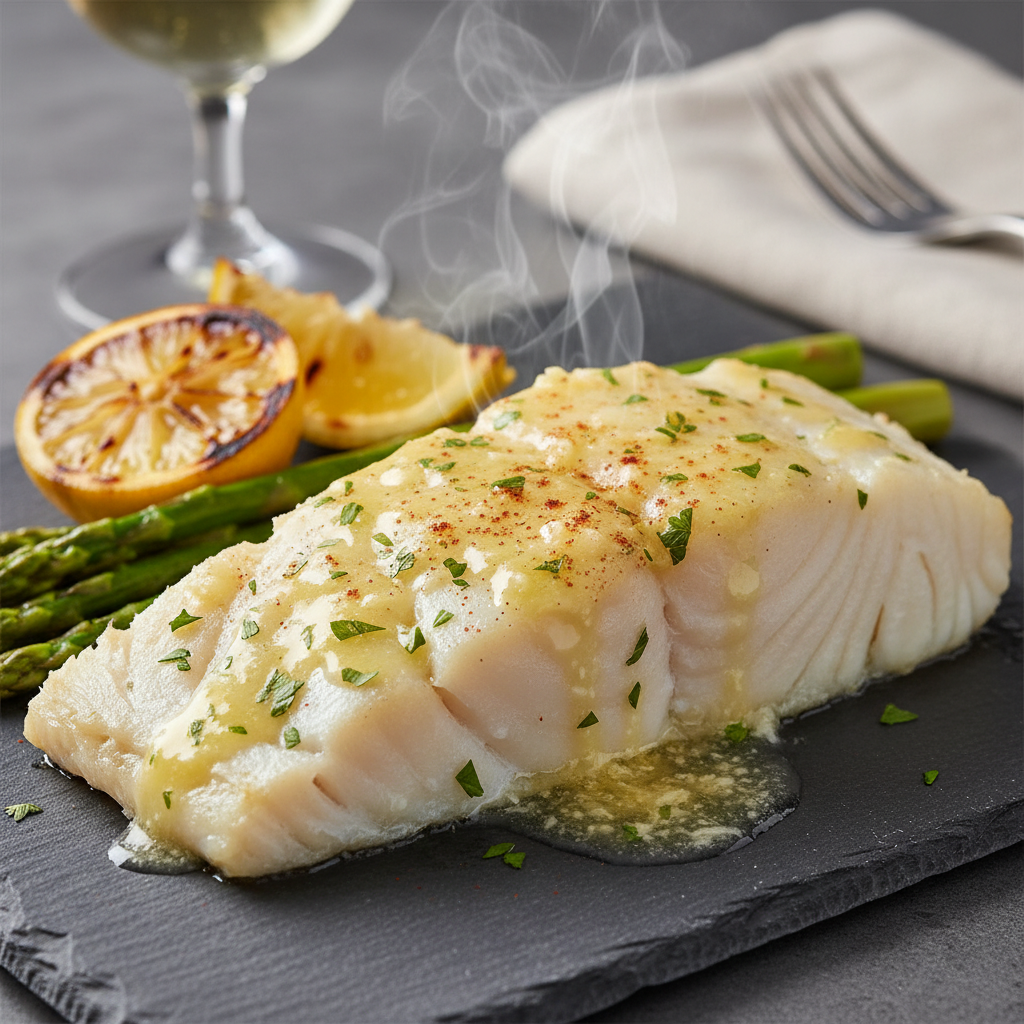
This effortless Baked Cod with Garlic Butter recipe delivers tender, flaky fish drenched in a rich, savory lemon-garlic sauce. Ready in just 20 minutes, it is the perfect low-carb, keto-friendly weeknight dinner that tastes like a restaurant-quality meal.
5 minutes
15 minutes
20 minutes
4 servings
Main Course
Baking
American / Continental
Gluten-Free
If there is one protein that often gets a bad reputation for being bland or difficult to cook, it is white fish. We have all been there—staring at a rubbery, flavorless piece of cod and wondering where we went wrong. But I am here to tell you that cod is actually one of the most versatile, forgiving, and delicious ingredients you can keep in your kitchen, provided you treat it with a little respect and a lot of flavor. This Baked Cod with Garlic Butter recipe is my absolute go-to solution for busy weeknights when I need something nutritious, high-protein, and incredibly satisfying without spending hours over the stove. The magic lies in the simplicity of the ingredients. Cod is a mild, slightly sweet fish with a delicate flake, making it the perfect canvas for bold flavors. By pairing it with a robust mixture of melted butter, minced garlic, fresh parsley, and a hit of bright lemon juice, we transform a humble fillet into a luxurious dining experience. The butter doesn’t just add flavor; it acts as a protective barrier during the baking process, basting the fish as it cooks to ensure it remains moist and tender, never dry. This dish is a celebration of textures and aromas—the sizzle of the garlic butter, the vibrant green of the parsley, and that melt-in-your-mouth consistency that only perfectly baked fish can offer. Whether you are strictly following a keto lifestyle, looking to reduce your carb intake, or simply searching for a healthy dinner that the whole family will love, this recipe checks every single box. It is elegant enough for a dinner party yet simple enough for a Tuesday night, proving that healthy eating never has to compromise on taste.
History & Origins
The history of cod as a culinary staple is as vast and deep as the oceans from which it is pulled. For centuries, Atlantic cod has been a cornerstone of Western civilization, fueling economies and even sparking wars. From the Vikings who dried it to survive long voyages, to the Basque fishermen who discovered the rich Grand Banks off the coast of Newfoundland, cod has been essential to human survival. Historically, because fresh fish spoiled so quickly, cod was almost exclusively eaten cured or salted (bacalhau), a tradition that remains strong in Mediterranean and Portuguese cuisines today. However, the transition to enjoying fresh, baked cod as a delicacy is a relatively modern luxury afforded by refrigeration and faster transport. The specific pairing of fish with ‘garlic butter’ or ‘beurre à la bourguignonne’ (though traditionally for snails) draws heavy influence from classic French cooking techniques. The French mastered the art of ‘Meunière’—cooking fish in brown butter and lemon—which set the global standard for how white fish should be treated. This recipe is a modern, Americanized evolution of those classic European techniques. It strips away the flour dredging common in French cooking to suit the modern low-carb and gluten-free dietary landscape, focusing purely on the harmony between the natural saline sweetness of the fish and the rich, emulsified fat of the butter. As the ketogenic diet gained popularity in the early 21st century, recipes like this saw a massive resurgence, bridging the gap between old-world culinary tradition and new-world nutritional science.
Why This Recipe Works
This recipe succeeds where many others fail because it addresses the primary enemy of cooking lean white fish: moisture loss. Cod is a lean protein with very little intramuscular fat. When exposed to dry heat without protection, the muscle fibers contract tightly and squeeze out moisture, resulting in a dry, tough texture. This recipe utilizes a high-fat compound butter sauce that serves a dual purpose. First, the fat conducts heat more gently than hot air, cooking the fish evenly. Second, as the butter melts, it creates a basting liquid that continually coats the fish, trapping steam and juices inside the fillet. Furthermore, the addition of lemon juice is not just for flavor; the acidity helps to denature the proteins slightly, tenderizing the flesh and balancing the richness of the butter so the dish doesn’t feel heavy on the palate. We also use a specific two-step cooking method: baking at a moderate-high temperature to cook the fish through, followed by a very brief broil (optional) or simply resting the fish in the hot pan. This resting period allows the residual heat to finish the cooking process gently, ensuring the flakes slide apart effortlessly rather than crumbling. The garlic is minced finely to infuse the butter rapidly, ensuring that every bite is packed with aromatic flavor without needing a long marination time.
Why You’ll Love This Recipe
- ✓Ready in under 20 minutes from fridge to table.
- ✓High protein and rich in healthy Omega-3 fatty acids.
- ✓Zero carb and keto-friendly, perfect for weight management.
- ✓Requires only one baking dish, minimizing cleanup.
- ✓Restaurant-quality flavor with budget-friendly ingredients.
- ✓Versatile leftovers that are great for salads or tacos.
Equipment You’ll Need
- ✓9×13 Baking Dish or Ceramic Casserole Dish
- ✓Small Microwave-Safe Bowl
- ✓Chef’s Knife
- ✓Cutting Board
- ✓Pastry Brush or Spoon
- ✓Measuring Spoons
Ingredients
- ✓4 fresh Atlantic Cod loins or fillets (approx. 6oz each)
- ✓1/4 cup unsalted butter, melted
- ✓3 cloves garlic, minced finely
- ✓1 tablespoon fresh parsley, chopped (plus extra for garnish)
- ✓1 tablespoon fresh lemon juice
- ✓1/2 teaspoon paprika (sweet or smoked)
- ✓1/2 teaspoon sea salt
- ✓1/4 teaspoon black pepper
- ✓Lemon wedges for serving
Instructions
- Preheat your oven to 400°F (200°C). Grease a 9×13 inch baking dish lightly with olive oil or cooking spray.
- Remove the cod fillets from their packaging and pat them thoroughly dry with paper towels. This is crucial to prevent the fish from steaming in its own water.
- Place the cod fillets into the prepared baking dish, spacing them out slightly so they are not touching.
- In a small bowl, combine the melted butter, minced garlic, chopped parsley, lemon juice, paprika, salt, and black pepper. Whisk until well combined.
- Pour the garlic butter mixture generously over the cod fillets. Use a pastry brush or a spoon to ensure every inch of the fish is coated in the sauce.
- Place the baking dish in the preheated oven and bake for 12-15 minutes. The exact time will depend on the thickness of your fillets. The fish is done when it is opaque and flakes easily with a fork.
- Optional: If you prefer a little color, switch the oven to ‘Broil’ for the last 1-2 minutes, keeping a close eye on it to ensure the garlic doesn’t burn.
- Remove from the oven and spoon the pan juices back over the fish.
- Garnish with extra fresh parsley and serve immediately with fresh lemon wedges.
Expert Cooking Tips
- ✓Always pat the fish dry before baking; excess surface moisture prevents the butter from adhering and can make the sauce watery.
- ✓If using frozen fish, ensure it is completely thawed in the refrigerator overnight for the best texture.
- ✓Do not overcook the cod. It should reach an internal temperature of 145°F (63°C). It will continue to cook slightly after removing from the oven.
- ✓Use high-quality butter, such as Kerrygold, as the flavor is prominent in this simple dish.
- ✓For an extra kick of heat, add a pinch of red pepper flakes to the butter mixture.
- ✓If your fillets are of uneven thickness, fold the thin tail end under itself to create a uniform shape for even cooking.
Substitutions and Variations
This recipe is incredibly flexible and accommodates various dietary needs and pantry staples. If you cannot find cod, any firm white fish will work beautifully, such as halibut, haddock, pollock, or even sea bass. For a dairy-free or Paleo version, substitute the butter with high-quality ghee or extra virgin olive oil; however, ghee will mimic the buttery flavor best. If you don’t have fresh garlic, you can use 1 teaspoon of garlic powder, though fresh is highly recommended for the texture. Dried parsley can be used in place of fresh (use 1 teaspoon dried for 1 tablespoon fresh), but add it to the butter before melting to let it rehydrate. For the paprika, smoked paprika adds a lovely depth, but sweet paprika or even Old Bay seasoning can be used for a different regional twist.
Common Mistakes to Avoid
The most common mistake people make with baked cod is overcooking it. Cod is delicate; leaving it in the oven just a few minutes too long results in a rubbery, dry texture that is difficult to chew. Trust the timing and check it at the 12-minute mark. Another mistake is not drying the fish. If the fish is wet, the butter sauce slides right off, and the fish ends up boiling in a pool of water rather than baking in the fat. Finally, avoid using bottled lemon juice if possible. The preservatives in bottled juice can add a metallic or artificial taste that clashes with the delicate sweetness of the fish. Fresh lemon juice provides the clean, bright acidity needed to cut through the rich butter.
Serving Suggestions
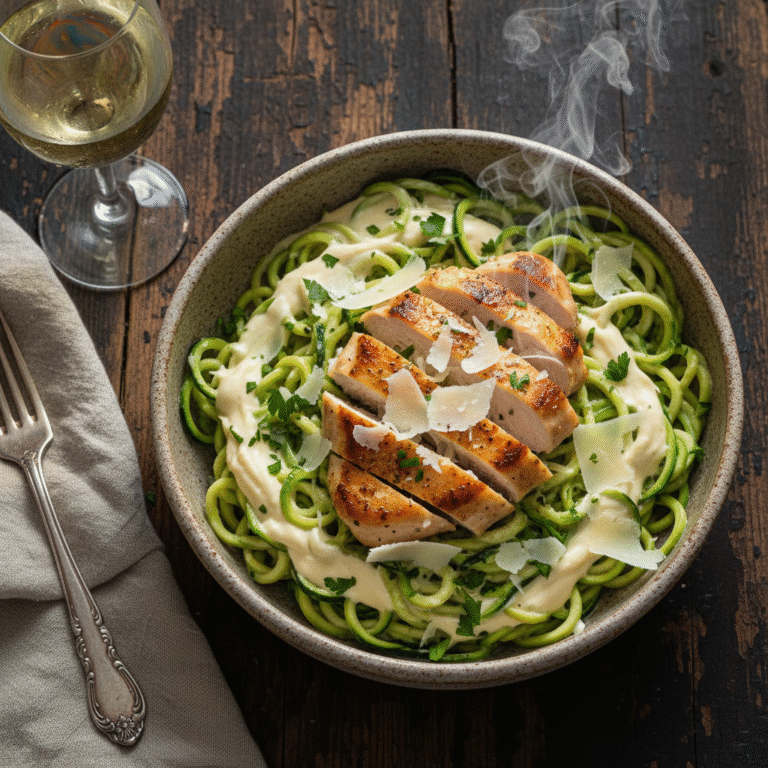
To keep this meal low-carb and keto-friendly, serve the cod alongside roasted asparagus, sautéed spinach with garlic, or a creamy cauliflower mash which soaks up the extra garlic butter sauce perfectly. Zucchini noodles (zoodles) are another excellent option for a light pasta alternative. If you are not strictly watching carbs, this dish pairs wonderfully with wild rice, roasted baby potatoes, or a crusty piece of sourdough bread to dip into the delicious pan juices. A crisp, dry white wine like a Sauvignon Blanc or Pinot Grigio complements the lemon and garlic notes beautifully.
Storage and Reheating Tips
Baked cod is best enjoyed fresh, but leftovers can be stored in an airtight container in the refrigerator for up to 3 days. To reheat, avoid the microwave if possible, as it tends to make the fish rubbery and releases a strong fishy odor. Instead, place the fish in a baking dish, cover it with foil to trap moisture, and reheat in a 275°F (135°C) oven for about 10-15 minutes until warmed through. If you must use a microwave, use a low power setting and cover the dish. We do not recommend freezing the cooked fish, as the texture will degrade significantly upon thawing, becoming mushy and watery.
Nutrition Facts (Estimated)
| Serving Size | 1 fillet (approx 6oz) |
| Calories | 280 |
| Fat | 18g |
| Saturated Fat | 10g |
| Unsaturated Fat | 7g |
| Trans Fat | 0g |
| Cholesterol | 95mg |
| Sodium | 320mg |
| Carbohydrates | 1g |
| Fiber | 0g |
| Sugar | 0g |
| Protein | 30g |
Frequently Asked Questions
Can I use frozen cod for this recipe?
Yes, absolutely. Frozen cod is often flash-frozen at sea and can be fresher than ‘fresh’ fish at the counter. Just ensure you thaw it completely in the refrigerator overnight and pat it very dry before baking.
How do I know when the cod is done?
The fish is done when it turns from translucent to opaque white and flakes easily when you twist a fork into the thickest part. The internal temperature should read 145°F (63°C).
Is this recipe spicy?
Not at all. The paprika adds a mild warmth and color, but no heat. If you want spice, add cayenne pepper or red chili flakes to the butter.
Can I prepare this ahead of time?
You can mix the butter sauce ahead of time and store it in the fridge. However, avoid putting the lemon juice on the raw fish until just before baking, as the acid can start to ‘cook’ the fish (like ceviche) and change the texture.
What if I don’t have a baking dish?
You can bake this on a standard rimmed baking sheet lined with parchment paper or foil for easy cleanup. Just be careful with the juices when removing it from the oven.
Is cod healthy?
Extremely. Cod is a low-calorie, high-protein food that is rich in B vitamins and minerals like phosphorus and selenium. It is lean and heart-healthy.
Why did my fish turn out rubbery?
Rubbery fish is almost always a sign of overcooking. Fish cooks very fast. Reduce the cooking time next time or check the internal temperature sooner.
Can I grill this instead of baking?
Yes! To grill, create a foil packet for the fish and the butter mixture to prevent flare-ups and keep the moisture in. Grill over medium heat for about 10-12 minutes.
Conclusion
There you have it—a foolproof, elegant, and incredibly delicious way to enjoy seafood without the stress. This Baked Cod with Garlic Butter proves that eating healthy doesn’t mean eating boring food. The combination of rich butter, aromatic garlic, and zesty lemon brings out the absolute best in the fish, creating a meal that feels indulgent while remaining light and nutritious. Whether you are a seasoned home cook or a kitchen novice, this recipe is guaranteed to earn a spot in your regular rotation. So, grab some fresh fillets, melt that butter, and get ready to impress your family (and yourself) with a dinner that tastes like it came from a high-end coastal bistro. Happy cooking!