Light & Hearty Beef and Vegetable Stew with Clear Broth
Beef And Vegetable Stew Lighter Broth Recipe
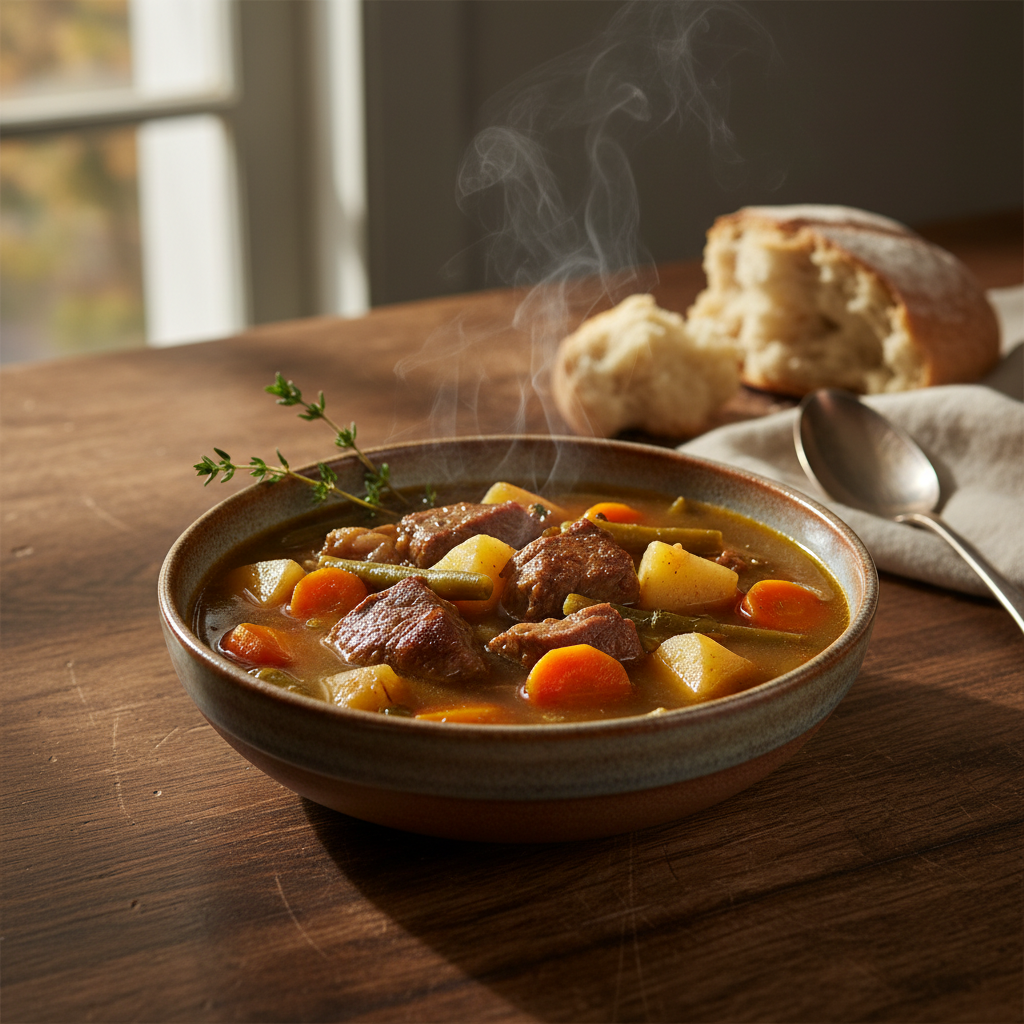
This clean-eating Beef and Vegetable Stew features a lighter, flavorful broth that lets the fresh ingredients shine without the heavy thickeners. It is the perfect balance of tender, melt-in-your-mouth beef and vibrant garden vegetables for a comforting yet healthy meal.
20 minutes
2 hours
2 hours 20 minutes
6 servings
Main Course
Stovetop
American / French Inspired
Gluten-Free
There is something undeniably comforting about a pot of beef stew simmering on the stove, filling the kitchen with the rich aroma of savory herbs and roasting meat. However, traditional beef stews are often laden with heavy roux, flour thickeners, or cornstarch slurries that can leave you feeling weighed down after a bowl. This recipe takes a refreshing departure from the gravy-heavy classics, focusing instead on a crystal-clear, robustly flavored broth that feels restorative and nourishing. By skipping the heavy thickeners, we allow the true essence of the quality beef chuck and the sweetness of the root vegetables to take center stage.
The beauty of this lighter broth version lies in its versatility. It is hearty enough to warm you up on a freezing winter evening, yet light enough to enjoy during the transitional days of spring. The broth is infused with aromatics like garlic, onions, and fresh thyme, creating a complex flavor profile that tastes like it has been simmering for days. We focus on layering flavors—searing the beef deeply to build a fond, deglazing with a splash of acidity, and letting the vegetables cook to perfection rather than turning to mush. This dish is a celebration of simple, wholesome ingredients coming together to create something greater than the sum of their parts. It is rustic, elegant, and incredibly satisfying without the ‘food coma’ that often follows heavier comfort foods.
History & Origins
The concept of stewing meat is as old as cooking itself, dating back to prehistoric times when our ancestors learned that boiling tough cuts of meat in water over an open fire made them tender and palatable. Historically, stews were the quintessential peasant food, designed to stretch meager ingredients to feed large families. Every culture has its version: the French have Pot-au-Feu, the Irish have their famous stew, and Hungarians have Goulash.
In early American history, beef stew became a staple due to the availability of cattle and root vegetables that could be stored through the winter. Traditionally, these stews were often thickened with whatever grain or flour was available to create a sense of fullness. However, the ‘clear broth’ style draws inspiration closer to the French Pot-au-Feu or a Consommé, where the clarity of the soup is prized as a sign of culinary skill. In the mid-20th century, as convenience foods rose, canned stews with thick, gelatinous gravies became the norm, altering our perception of what a stew ‘should’ look like. This recipe reclaims the older, more rustic tradition of broth-based stews. It reflects a modern shift towards ‘clean eating’ and paleo-friendly diets, moving away from heavy carbohydrate fillers and focusing on protein and nutrient-dense vegetables. It honors the ancient method of slow-cooking while adapting to contemporary tastes that prefer lighter, fresher textures.
Why This Recipe Works
This recipe succeeds because it prioritizes technique over additives. Many stews rely on flour to mask a lack of depth in the broth, but here, we build flavor from the bottom up. First, we aggressively sear the beef cubes. This Maillard reaction creates a caramelized crust that dissolves into the liquid during the slow simmer, providing a rich, umami backbone that no bouillon cube can replicate.
Secondly, the ‘lighter broth’ aspect works because it prevents flavor fatigue. Heavy, flour-thickened gravies can coat the tongue and dull the palate after a few bites. A clear broth keeps the palate cleansed, allowing you to taste the distinct sweetness of the carrots, the earthiness of the potatoes, and the savory punch of the beef in every spoonful. We also stage the cooking of the vegetables. Hard root vegetables like carrots and potatoes go in earlier, while softer vegetables like peas or green beans are added at the very end. This ensures that every element retains its texture and structural integrity, avoiding the dreaded ‘mushy stew’ syndrome. Finally, a splash of red wine vinegar or lemon juice at the very end brightens the entire pot, cutting through the richness of the beef fat.
Why You’ll Love This Recipe
- ✓No heavy thickeners or flour—perfect for gluten-free diets.
- ✓Rich, deep flavor developed through proper searing and deglazing.
- ✓Packed with nutrient-dense vegetables like carrots, celery, and green beans.
- ✓Tender, melt-in-your-mouth beef chuck roast.
- ✓Freezes beautifully for meal prep.
- ✓One-pot wonder for easy cleanup.
Equipment You’ll Need
- ✓Large Dutch Oven or Heavy-Bottomed Pot
- ✓Chef’s Knife
- ✓Cutting Board
- ✓Tongs
- ✓Wooden Spoon
- ✓Measuring Cups and Spoons
- ✓Vegetable Peeler
Ingredients
- ✓2 lbs Beef Chuck Roast, trimmed and cut into 1.5-inch cubes
- ✓2 tbsp Olive Oil, divided
- ✓1 large Yellow Onion, chopped
- ✓3 cloves Garlic, minced
- ✓4 cups Beef Bone Broth (high quality)
- ✓1 cup Water (or red wine for extra depth)
- ✓1 tbsp Tomato Paste
- ✓1 tsp Dried Thyme
- ✓1 tsp Dried Rosemary
- ✓2 Bay Leaves
- ✓1 lb Yukon Gold Potatoes, cut into 1-inch chunks
- ✓3 large Carrots, peeled and sliced into rounds
- ✓2 stalks Celery, sliced
- ✓1 cup Frozen Green Beans or Peas
- ✓Salt and Freshly Cracked Black Pepper to taste
- ✓2 tbsp Fresh Parsley, chopped (for garnish)
Instructions
- Pat the beef cubes dry with paper towels. This is crucial for getting a good sear. Season generously with salt and pepper.
- Heat 1 tablespoon of olive oil in a large Dutch oven over medium-high heat. Working in batches to avoid overcrowding, sear the beef cubes until browned on all sides (about 3-4 minutes per batch). Remove browned beef and set aside on a plate.
- Lower the heat to medium. Add the remaining tablespoon of olive oil to the pot. Add the chopped onions, carrots, and celery. Sauté for 5-6 minutes until the onions begin to soften and turn translucent.
- Add the minced garlic and tomato paste. Cook for another minute, stirring constantly until fragrant, being careful not to burn the garlic.
- Pour in a splash of the beef broth (or red wine if using) to deglaze the pan. Use a wooden spoon to scrape up the browned bits (fond) from the bottom of the pot—this is pure flavor.
- Return the beef and any accumulated juices to the pot. Pour in the remaining beef broth and water. Add the thyme, rosemary, and bay leaves.
- Bring the mixture to a boil, then immediately reduce the heat to low. Cover and simmer gently for 1 hour and 15 minutes, or until the beef is starting to get tender.
- Add the chunked potatoes to the pot. Stir well. Cover and continue to simmer for another 20-25 minutes, or until the potatoes and beef are fork-tender.
- Stir in the frozen green beans or peas and cook for 5 more minutes until heated through and bright green.
- Remove the bay leaves. Taste the broth and adjust seasoning with more salt and pepper if needed. Garnish with fresh parsley before serving.
Expert Cooking Tips
- ✓Don’t skip the sear! Browning the meat creates the foundation of the broth’s flavor.
- ✓Use a chuck roast rather than pre-cut ‘stew meat’ from the store. You’ll get better marbling and tenderness.
- ✓Cut your vegetables into uniform sizes so they cook evenly.
- ✓If the broth evaporates too much during cooking, add a splash more water or broth.
- ✓For an even clearer broth, skim any foam that rises to the top during the first few minutes of simmering.
- ✓Let the stew rest for 10-15 minutes off the heat before serving to let the flavors meld.
- ✓Use low-sodium broth so you can control the salt level yourself.
Substitutions and Variations
This recipe is incredibly flexible. If you don’t eat red meat, you can substitute the beef for lamb shoulder or even chicken thighs (adjust cooking time down for chicken). For a vegetarian version, use vegetable broth and swap the meat for hearty portobello mushrooms and extra root vegetables like parsnips or turnips. If you don’t have Yukon Gold potatoes, Russets work well but may break down more, thickening the broth slightly; Red potatoes will hold their shape best. You can swap the yellow onion for leeks or shallots for a milder flavor. Fresh herbs can always be used instead of dried—just triple the amount (e.g., 1 tbsp fresh thyme instead of 1 tsp dried). If you want to add wine but avoid alcohol, a splash of balsamic vinegar or Worcestershire sauce adds similar acidity and depth.
Common Mistakes to Avoid
The most common mistake is boiling the stew instead of simmering it. A rolling boil will toughen the meat fibers, making them chewy rather than tender. Keep the heat low and gentle. Another mistake is overcrowding the pan when searing the beef; if the meat is too crowded, it will steam instead of brown, and you’ll miss out on that essential flavor base. Adding the potatoes too early is also a frequent error—they will turn into mush by the time the beef is tender. Always time your vegetable additions based on how long they take to cook. Finally, under-seasoning is a crime for clear broths. Since there is no heavy fat or flour to hide behind, you need to ensure your salt and acidity levels are balanced.
Serving Suggestions
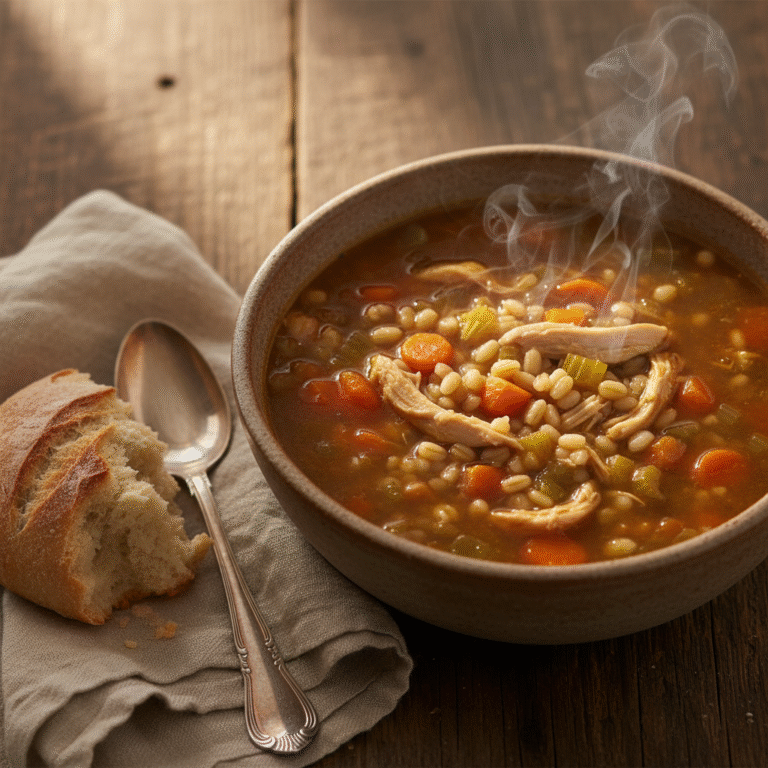
This lighter beef stew pairs wonderfully with a slice of crusty sourdough bread or a warm baguette to soak up the delicious broth. For a low-carb option, serve it alongside a simple green salad with a vinaigrette dressing. If you want to make it heartier without adding gluten, a side of quinoa or brown rice works well. A glass of medium-bodied red wine, like a Pinot Noir or Merlot, complements the beef and herbs perfectly. Top each bowl with a sprinkle of fresh parsley or chives for a pop of color and freshness.
Storage and Reheating Tips
Stew is one of those magical dishes that often tastes better the next day. Store leftovers in an airtight container in the refrigerator for up to 4 days. To reheat, place the desired portion in a saucepan over medium-low heat until warmed through. Avoid boiling it vigorously to keep the vegetables intact. This stew also freezes exceptionally well. Let it cool completely, then transfer to freezer-safe containers or heavy-duty freezer bags. It can be frozen for up to 3 months. Thaw overnight in the refrigerator before reheating. If the broth looks a bit separated upon reheating, just give it a gentle stir.
Nutrition Facts (Estimated)
| Serving Size | 1.5 cups |
| Calories | 320 |
| Fat | 14g |
| Saturated Fat | 5g |
| Unsaturated Fat | 8g |
| Trans Fat | 0g |
| Cholesterol | 75mg |
| Sodium | 650mg |
| Carbohydrates | 18g |
| Fiber | 4g |
| Sugar | 4g |
| Protein | 28g |
Frequently Asked Questions
Can I make this in a slow cooker?
Absolutely. Sear the beef and sauté the aromatics on the stove first for the best flavor, then transfer everything to the slow cooker. Cook on Low for 7-8 hours or High for 3-4 hours. Add the peas/green beans in the last 30 minutes.
Can I use an Instant Pot?
Yes! Use the Sauté function to brown the beef and veggies. Then add liquids, seal, and cook on High Pressure for 35 minutes with a natural release. Add softer veggies like peas after the pressure cooking is done, using the residual heat.
Why is my meat tough?
Tough meat usually means it hasn’t cooked long enough. The collagen in chuck roast needs time to break down into gelatin. If it’s tough, keep simmering gently for another 30 minutes.
How can I thicken the broth slightly without flour?
You can mash one or two of the cooked potatoes into the broth. This releases natural starch and adds body without gluten or processed thickeners.
Is this recipe Whole30 compliant?
Yes, as long as you use a compliant broth and avoid adding any non-compliant ingredients like wine (use vinegar instead) or Worcestershire sauce with sugar/soy.
Can I use sweet potatoes?
Yes, sweet potatoes are a delicious addition. They cook slightly faster than regular potatoes, so add them about 15-20 minutes before the end.
Do I have to peel the carrots?
It is a personal preference. If you scrub them very well, you can leave the skins on for a more rustic look and extra nutrients. However, peeling gives a cleaner, brighter appearance.
What is the best cut of beef for stew?
Beef chuck roast is the gold standard. It has the right balance of fat and connective tissue to stay moist during long cooking. Leaner cuts like round roast tend to dry out.
Conclusion
This Beef and Vegetable Stew with Lighter Broth proves that comfort food doesn’t have to be heavy or complicated. It brings warmth and nourishment to your table with minimal fuss and maximum flavor. Whether you are meal-prepping for a busy week or hosting a cozy Sunday family dinner, this recipe is sure to become a staple in your rotation. The clear, savory broth highlights the quality of your ingredients, making every bite a delight. So grab your Dutch oven, pour a glass of wine, and enjoy the process of creating a pot of pure, wholesome goodness.