Creamy Golden Cauliflower and Potato Curry Soup – A Healthy, Vegan Comfort Bowl
Cauliflower And Potato Curry Soup Healthy Recipe
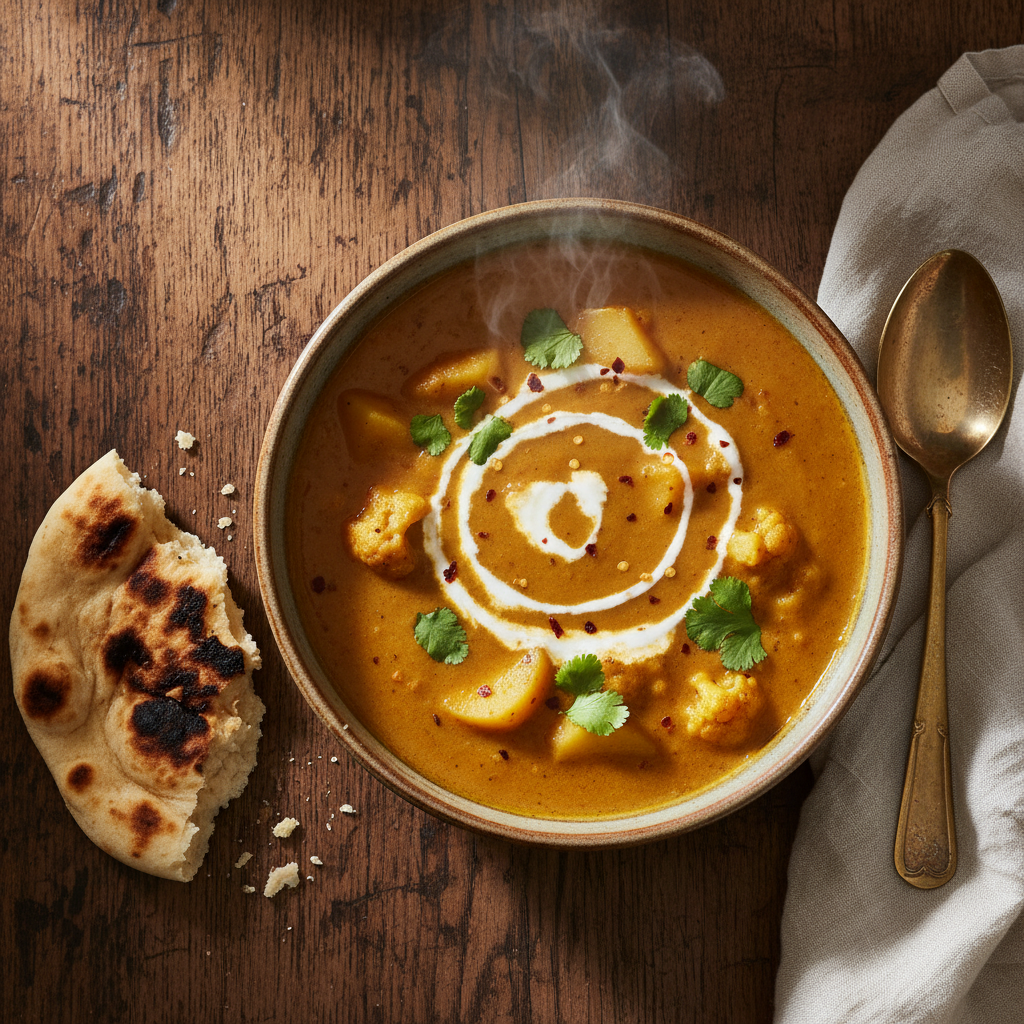
This vibrant Cauliflower and Potato Curry Soup is the ultimate healthy comfort food, blending the heartiness of potatoes with the lightness of cauliflower in a rich, spiced broth. Naturally vegan and gluten-free, it comes together in under 45 minutes for a nourishing weeknight dinner.
15 minutes
30 minutes
45 minutes
6 servings
Soup
Stovetop
Indian-Fusion
Vegan
There are few things in the culinary world as universally comforting as a warm bowl of soup, but this Cauliflower and Potato Curry Soup elevates the concept of comfort to an entirely new level. Imagine the perfect marriage between the rustic, hearty texture of a classic potato chowder and the vibrant, aromatic complexity of an Indian vegetable curry. This recipe is designed for those days when you crave something deeply satisfying but don’t want to compromise on your health goals. The magic lies in the base: a blend of Yukon Gold potatoes and fresh cauliflower florets that are simmered until tender and then partially puréed. This technique creates a luxurious, velvety texture without the need for heavy cream or dairy, making it naturally vegan and lighter on the stomach.
The flavor profile is a warming symphony of turmeric, cumin, coriander, and ginger—spices known not just for their taste but for their potent anti-inflammatory properties. As the soup simmers, the kitchen fills with an intoxicating aroma that promises warmth and nourishment. It is a dish that bridges the gap between a light starter and a hearty main course; substantial enough to stand alone with a piece of crusty naan bread, yet light enough to serve alongside a fresh salad. Whether you are a dedicated vegan, a gluten-free eater, or simply someone looking to incorporate more vegetables into your diet without sacrificing flavor, this soup is a revelation. It transforms humble pantry staples into a golden, glowing bowl of sunshine that chases away the chill of any season.
History & Origins
To understand the roots of this Cauliflower and Potato Curry Soup, we must look toward the Indian subcontinent and the beloved dish known as ‘Aloo Gobi.’ Aloo (potato) and Gobi (cauliflower) have been paired together in Indian cuisine for centuries, typically as a dry curry sautéed with spices, onions, and tomatoes. This combination is a staple in North Indian and Pakistani households, celebrated for its ability to provide sustenance and flavor inexpensively. However, the transformation of these ingredients into a blended soup is a more modern, fusion concept, likely influenced by the British love for puréed vegetable soups and the anglicized adaptation of ‘curry’ flavors.
The potato itself has a fascinating history, originating in the Andes of South America before being introduced to India by the Portuguese in the early 17th century. Initially a garden curiosity, it quickly became a staple crop due to its caloric density. Cauliflower, on the other hand, traces its lineage to the Mediterranean and Asia Minor, arriving in India much later, likely during the Mughal era or with British colonialists. The concept of ‘curry powder’—which this recipe utilizes for ease and consistency—is distinctly a British invention from the 18th century, created to export the flavors of Indian masala blends back to the West. This soup, therefore, represents a beautiful culinary evolution: taking the ancient, harmonious pairing of Aloo and Gobi, applying the Western technique of soup-making, and utilizing a spice blend that represents a centuries-old cultural exchange. It is a modern classic that honors its diverse roots.
Why This Recipe Works
This recipe succeeds where many vegetable soups fail because it meticulously balances texture, flavor depth, and dietary needs without relying on artificial thickeners or excessive fats. First, the choice of Yukon Gold potatoes is deliberate; unlike russets which can become grainy, or waxy red potatoes that hold their shape too well, Yukon Golds have a medium starch content that creates a naturally creamy, buttery mouthfeel when blended. This allows us to skip heavy dairy cream entirely, using full-fat coconut milk instead to provide richness and carry the fat-soluble flavor compounds of the spices.
Secondly, the technique of ‘blooming’ the spices is critical. By adding the curry powder, turmeric, and cumin to the hot oil with the aromatics (onions, garlic, ginger) *before* adding the liquid, we release the essential oils in the spices, intensifying their flavor and preventing the soup from tasting ‘dusty’ or raw.
Finally, the partial blending method ensures the soup is interesting to eat. By puréeing about half to three-quarters of the soup and leaving the rest chunky, you get the best of both worlds: a thick, coat-your-spoon broth and satisfying bites of tender vegetables. The addition of lime juice at the very end is the secret weapon; the acid cuts through the richness of the coconut milk and starch, brightening the entire dish and making the spices pop.
Why You’ll Love This Recipe
- ✓Naturally Vegan & Gluten-Free
- ✓Packed with Anti-Inflammatory Spices
- ✓Ready in Under 45 Minutes
- ✓Creamy Texture Without Dairy
- ✓Budget-Friendly Ingredients
- ✓Freezer-Friendly for Meal Prep
Equipment You’ll Need
- ✓Large Dutch Oven or Soup Pot
- ✓Immersion Blender or Stand Blender
- ✓Chef’s Knife
- ✓Cutting Board
- ✓Wooden Spoon
- ✓Measuring Cups and Spoons
Ingredients
- ✓1 large head of cauliflower, cut into bite-sized florets
- ✓3 medium Yukon Gold potatoes, peeled and diced into 1/2 inch cubes
- ✓1 large yellow onion, chopped
- ✓3 cloves garlic, minced
- ✓1 tbsp fresh ginger, grated
- ✓2 tbsp olive oil or coconut oil
- ✓2 tbsp mild yellow curry powder
- ✓1 tsp ground turmeric
- ✓1 tsp ground cumin
- ✓1/2 tsp ground coriander
- ✓1/4 tsp cayenne pepper (optional for heat)
- ✓4 cups vegetable broth (low sodium preferred)
- ✓1 can (13.5 oz) full-fat coconut milk
- ✓1 tsp salt (plus more to taste)
- ✓1/2 tsp black pepper
- ✓1 tbsp fresh lime juice
- ✓Fresh cilantro, chopped (for garnish)
Instructions
- Prepare all your vegetables. Wash and chop the cauliflower into florets. Peel and dice the potatoes into uniform cubes to ensure even cooking. Dice the onion, mince the garlic, and grate the ginger.
- Heat the olive oil (or coconut oil) in a large Dutch oven or heavy-bottomed pot over medium heat. Once the oil is shimmering, add the chopped onion and a pinch of salt. Sauté for 5-6 minutes until the onion is soft and translucent.
- Add the minced garlic and grated ginger to the pot. Cook for another 1-2 minutes, stirring constantly to prevent burning, until fragrant.
- Stir in the curry powder, turmeric, cumin, coriander, and cayenne pepper (if using). Cook the spices with the aromatics for about 1 minute to bloom them. The mixture will be fragrant and pasty.
- Add the diced potatoes and cauliflower florets to the pot. Stir well to coat the vegetables in the spice mixture.
- Pour in the vegetable broth. Increase the heat to high and bring the mixture to a boil. Once boiling, reduce the heat to low, cover the pot, and let it simmer for 15-20 minutes, or until the potatoes and cauliflower are fork-tender.
- Once the vegetables are tender, stir in the can of coconut milk. Let it warm through for 2-3 minutes.
- Turn off the heat. Using an immersion blender, blend the soup directly in the pot. For a chunky texture, blend only about half of the soup. If you prefer a completely smooth bisque, blend until silky. (Note: If using a stand blender, transfer the soup in batches and be careful with the hot liquid).
- Stir in the fresh lime juice. Taste the soup and adjust seasoning with additional salt and pepper if needed.
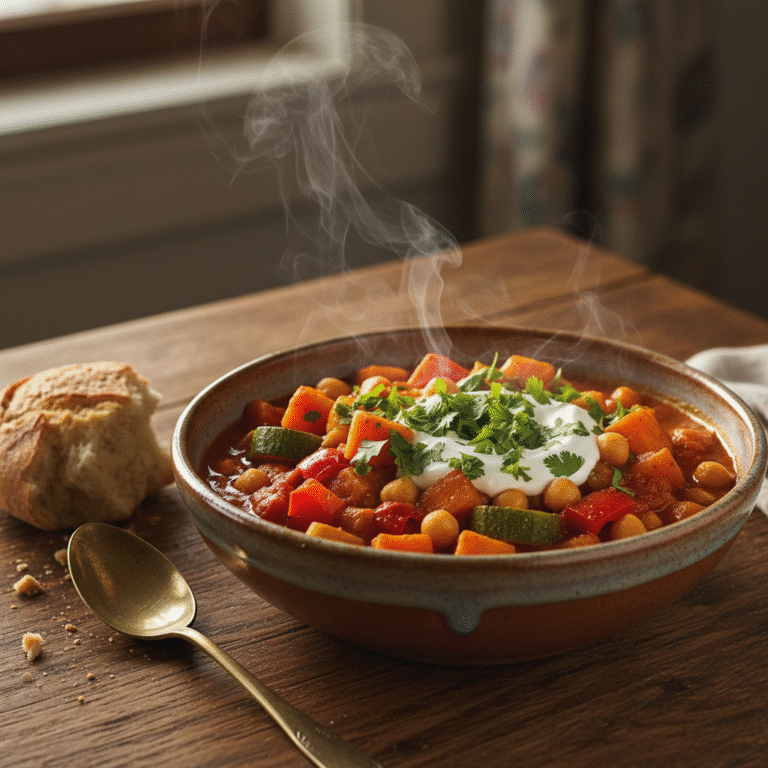
- Ladle into bowls and garnish generously with fresh chopped cilantro. Serve hot.
Expert Cooking Tips
- ✓Uniform Chopping: Cut your potatoes and cauliflower into similar-sized pieces so they finish cooking at the same time.
- ✓Bloom the Spices: Never skip the step of frying the spices in oil before adding the broth; this unlocks the full flavor potential.
- ✓Don’t Boil the Coconut Milk: Add the coconut milk towards the end and avoid a rolling boil to prevent it from separating or curdling.
- ✓Texture Control: If you over-blend, you can always add a few reserved roasted cauliflower florets on top for texture.
- ✓Broth Quality: Since this is a soup, the quality of your vegetable broth matters. Use a high-quality organic brand or homemade stock.
- ✓Ginger Freshness: Fresh ginger provides a zing that powdered ginger cannot replicate; use fresh if possible.
- ✓Resting Time: Like many curries, this soup tastes even better the next day after the flavors have had time to meld.
Substitutions and Variations
This recipe is incredibly versatile and forgiving. If you don’t have Yukon Gold potatoes, Russet potatoes will work for a thicker, starchier soup, while Red potatoes will result in a chunkier texture as they hold their shape better. For the cauliflower, you can substitute half of it with broccoli, though this will change the color to a greener hue. If you are not strictly vegan, you can use chicken broth instead of vegetable broth for a different flavor profile, and heavy cream can replace coconut milk if you prefer a traditional dairy richness, though coconut milk pairs best with the curry spices. For the aromatics, a teaspoon of ginger paste can replace fresh ginger. If you don’t have a pre-mixed curry powder, you can make your own blend using more cumin, coriander, turmeric, and a dash of fenugreek and cardamom. For protein, feel free to add a can of rinsed chickpeas or cooked red lentils during the simmering stage.
Common Mistakes to Avoid
One of the most common mistakes is under-seasoning. Potatoes absorb a significant amount of salt, so taste frequently at the end and adjust. Another error is boiling the soup too vigorously once the coconut milk is added, which can cause the fats to separate and look oily. Be careful not to burn the garlic and spices during the sautéing phase; if the pan is too hot, they can turn bitter in seconds—keep the heat medium and stir constantly. Finally, be cautious when blending hot liquids in a standard blender. The steam can build up pressure and blow the lid off; always remove the center cap of the lid and cover with a towel, or stick to an immersion blender for safety.
Serving Suggestions
This soup is a star on its own, but the right sides can turn it into a feast. Serve it with warm, garlic butter naan bread or roti to scoop up the thick broth. For a gluten-free option, crispy papadums are excellent. To add texture, top the soup with roasted chickpeas, toasted pumpkin seeds, or croutons. A dollop of coconut yogurt or regular plain yogurt swirled on top adds a cooling contrast to the warm spices. Fresh herbs are essential; besides cilantro, chopped scallions or mint can add a fresh bite. For a heavier meal, serve a small bowl alongside a quinoa salad or a grilled cheese sandwich with sharp cheddar and chutney.
Storage and Reheating Tips
This soup stores beautifully, making it perfect for meal prep. Allow the soup to cool completely to room temperature before transferring it to airtight containers. It will keep in the refrigerator for up to 4-5 days. The soup may thicken as it sits in the fridge due to the potato starch; simply stir in a splash of water or broth when reheating. To reheat, warm it gently on the stovetop over medium-low heat or in the microwave, stirring occasionally. For freezing, place the cooled soup in freezer-safe bags or containers, leaving an inch of space for expansion. It can be frozen for up to 3 months. While freezing potatoes can sometimes alter their texture, because they are partially puréed in this recipe, the texture change is negligible. Thaw overnight in the fridge before reheating.
Nutrition Facts (Estimated)
| Serving Size | 1.5 cups |
| Calories | 285 |
| Fat | 12g |
| Saturated Fat | 8g |
| Unsaturated Fat | 3g |
| Trans Fat | 0g |
| Cholesterol | 0mg |
| Sodium | 450mg |
| Carbohydrates | 38g |
| Fiber | 6g |
| Sugar | 4g |
| Protein | 7g |
Frequently Asked Questions
Can I make this soup in a slow cooker?
Yes! Sauté the onion, garlic, ginger, and spices in a pan first, then transfer them to the slow cooker with the vegetables and broth. Cook on low for 6-7 hours or high for 3-4 hours. Stir in the coconut milk and lime juice at the end before blending.
Is this soup very spicy?
As written, the soup is mild to medium, depending on your curry powder. The cayenne pepper is optional. If you are sensitive to spice, omit the cayenne and choose a ‘mild’ curry powder blend.
Can I use frozen cauliflower?
Absolutely. Frozen cauliflower works great in soups. You may need to reduce the simmering time slightly as frozen vegetables cook faster than fresh ones.
What if I don’t like coconut milk?
You can substitute coconut milk with heavy cream, half-and-half, or a neutral-flavored oat milk for a creamy texture. Cashew cream is another excellent vegan alternative.
Do I have to peel the potatoes?
It is recommended to peel the potatoes for the smoothest texture, especially if using Russets. However, if you use Yukon Gold or thin-skinned potatoes and wash them well, you can leave the skin on for extra fiber and a rustic texture.
How can I add more protein to this dish?
To boost the protein content, you can add a can of drained and rinsed chickpeas (garbanzo beans) or cooked red lentils. Tofu cubes added at the end also work well.
Why does my soup taste bland?
Potatoes are notorious for needing salt. If it tastes bland, add salt in 1/4 teaspoon increments. Also, adding more acid (lime juice) can often wake up the flavors better than salt alone.
Can I use sweet potatoes instead?
Yes, sweet potatoes make a delicious variation. They will add a distinct sweetness that pairs lovely with the curry spices, though the flavor profile will shift from savory to sweet-savory.
Conclusion
This Cauliflower and Potato Curry Soup is more than just a recipe; it’s a reliable companion for busy weeknights, chilly evenings, and healthy lifestyle resets. It proves that eating well doesn’t mean eating boring food. The vibrant colors, the rich, creamy texture, and the layers of aromatic spices come together to create a meal that nourishes both the body and the soul. Whether you are cooking for a family of omnivores or a gathering of vegans, this pot of gold is sure to please everyone at the table. Give it a try, and don’t forget to make a double batch—your future self will thank you when you have a delicious, healthy lunch ready to go in the fridge!