Ultimate Mediterranean Chicken and Veggie Couscous Lunch Bowl
Chicken And Veggie Couscous Lunch Bowl Recipe
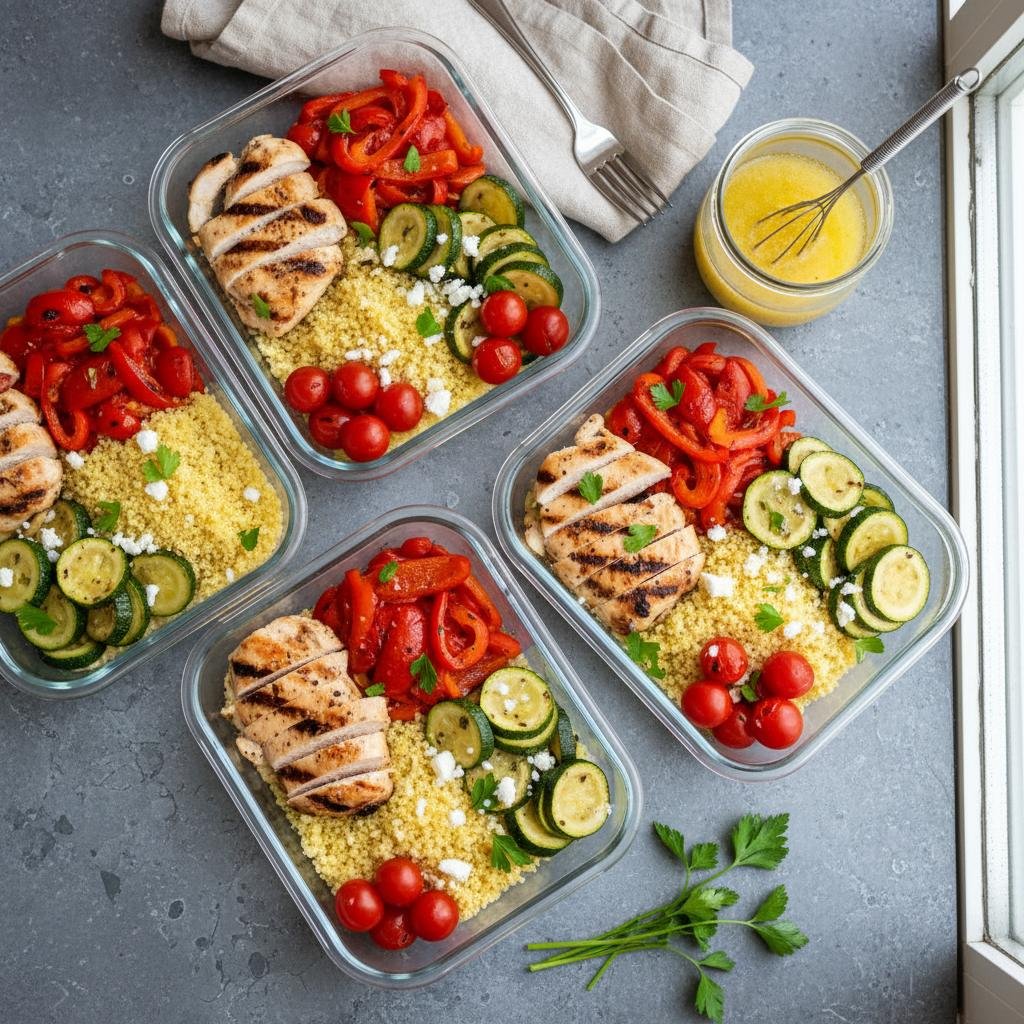
In the fast-paced rhythm of modern life, lunch often becomes an afterthought—a rushed sandwich eaten over a keyboard or a greasy takeout meal that leaves you feeling sluggish by 2:00 PM. It is time to reclaim your midday break with a meal that is as vibrant and energizing as it is delicious. Enter the Chicken and Veggie Couscous Lunch Bowl, a recipe designed to banish the ‘sad desk lunch’ forever. This dish is a celebration of textures and fresh, Mediterranean-inspired flavors that come together in a harmony of nutrition and taste. Imagine fluffy, cloud-like pearls of couscous acting as the perfect canvas for tender, herb-marinated chicken breast and a colorful medley of sautéed vegetables. The beauty of this bowl lies not just in its taste, but in its visual appeal; the bright reds of bell peppers, the deep greens of zucchini, and the golden hue of the turmeric-spiced grains make eating a feast for the eyes before you even take the first bite.
What makes this recipe a staple for meal preppers and busy families alike is its incredible balance. It provides the satiating power of lean protein, the sustained energy of complex carbohydrates, and the vital micronutrients found in fresh produce. Unlike salads that wilt or sandwiches that get soggy, this couscous bowl holds its integrity beautifully in the refrigerator, often tasting even better the next day as the flavors meld. Finished with a zesty lemon-herb dressing that cuts through the savory elements, every forkful offers a bright pop of acidity that keeps your palate engaged. Whether you are looking to streamline your weekly meal prep, seeking a healthy dinner option that comes together in under 45 minutes, or simply wanting to nourish your body with wholesome ingredients, this bowl is your answer. It is comfort food that loves you back, proving that healthy eating doesn’t have to mean sacrificing flavor or spending hours in the kitchen.
15 minutes
25 minutes
40 minutes
4 servings
Lunch / Main Course
Stovetop
Mediterranean Fusion
Dairy-Free Options
History & Origins
To truly appreciate the culinary significance of this dish, we must look to the origins of its star ingredient: couscous. While often mistaken for a grain like rice or quinoa, couscous is actually a tiny pasta made from semolina (durum wheat) and water. Its roots run deep in North African history, specifically within the Maghreb region (Morocco, Algeria, Tunisia, Mauritania, and Libya). The word ‘couscous’ is derived from the Berber language, and for centuries, it has been the staple food of the Berber people. Traditionally, preparing couscous was a labor-intensive communal activity where women would gather to hand-roll semolina flour with water to create the tiny pellets, which were then dried in the sun.
The traditional cooking method involves a ‘couscoussier,’ a double-chambered food steamer. The meat and vegetable stew cooks in the bottom pot, while the steam rises to cook the couscous granules in the top section, infusing them with aromatic flavors. This method results in an incredibly light and fluffy texture that is distinct from the ‘instant’ couscous commonly found in Western supermarkets today. As trade routes expanded and populations migrated, couscous crossed the Mediterranean Sea, finding a warm welcome in Southern Europe, particularly in France where it remains one of the most popular dishes. In the United States, the rise of the ‘grain bowl’ or ‘Buddha bowl’ trend in the early 21st century propelled couscous into the spotlight as a quick-cooking, versatile base for healthy lunches. This specific recipe marries the ancient tradition of North African grain preparation with the modern American demand for high-protein, convenient, and nutritionally balanced meal prep solutions.
Why This Recipe Works
This recipe succeeds where many other lunch bowls fail because of its meticulous attention to texture and flavor layering. First, we address the common complaint of dry, rubbery chicken by utilizing a quick marinade of olive oil, lemon juice, and dried herbs. The acidity in the lemon juice tenderizes the meat fibers, while the oil carries the lipid-soluble flavors of oregano and garlic deep into the protein. When seared, this creates a golden crust that locks in moisture.
Secondly, the choice of couscous as the base is strategic. Unlike rice, which can take 20 minutes or more to cook, couscous is ready in five minutes simply by steeping in hot liquid. By using chicken or vegetable broth instead of plain water, we infuse the base layer with savory depth from the inside out. The vegetables are cooked quickly over high heat—sautéed rather than steamed—to ensure they retain a slight crunch (‘al dente’), which contrasts pleasantly with the soft couscous.
Finally, the dressing acts as the unifying element. A vinaigrette based on lemon and olive oil doesn’t just add flavor; the acid brightens the earthiness of the grains and cuts through the richness of the chicken. Because couscous is porous, it absorbs this dressing over time, meaning the bowl becomes more flavorful as it sits in your fridge, preventing the blandness that often plagues leftovers. The combination of lean protein, fiber-rich veggies, and carbohydrates creates a macronutrient profile that provides sustained energy without the heavy crash associated with refined carbs.
Why You’ll Love This Recipe
- ✓Ready in under 45 minutes, perfect for weeknight dinners or Sunday meal prep.
- ✓High in protein and fiber to keep you full throughout the afternoon.
- ✓Highly customizable with whatever vegetables you have in your crisper drawer.
- ✓Holds up exceptionally well in the fridge for up to 4 days.
- ✓Budget-friendly ingredients that yield a gourmet-style result.
- ✓A balanced, one-bowl meal that covers all major food groups.
Equipment You’ll Need
- ✓Large skillet or sauté pan
- ✓Medium saucepan with lid
- ✓Chef’s knife
- ✓Cutting board
- ✓Small mixing bowl or jar (for dressing)
- ✓Whisk
- ✓Meal prep containers (glass preferred)
Ingredients
- ✓1.5 lbs Boneless, skinless chicken breasts, cut into bite-sized chunks
- ✓1 cup Dry couscous (uncooked)
- ✓1.25 cups Chicken or vegetable broth
- ✓2 tbsp Olive oil (divided for cooking)
- ✓1 large Red bell pepper, diced
- ✓1 large Zucchini, chopped into half-moons
- ✓1/2 Red onion, diced
- ✓1 cup Cherry tomatoes, halved
- ✓1 tsp Dried oregano
- ✓1 tsp Garlic powder
- ✓1/2 tsp Smoked paprika
- ✓Salt and Black Pepper to taste
- ✓For the Dressing: 3 tbsp Extra virgin olive oil
- ✓For the Dressing: 2 tbsp Fresh lemon juice
- ✓For the Dressing: 1 tsp Dijon mustard
- ✓For the Dressing: 1 clove Garlic, minced
- ✓Optional Garnish: Crumbled feta cheese, fresh parsley, lemon wedges
Instructions
- 1. Marinate the Chicken: In a medium bowl, combine the chicken chunks with 1 tablespoon of olive oil, dried oregano, garlic powder, smoked paprika, salt, and pepper. Toss well to coat evenly. Let it sit for at least 10 minutes while you prep the vegetables.
- 2. Prepare the Couscous: In a small saucepan, bring the chicken broth to a boil. Once boiling, remove from heat immediately. Stir in the dry couscous and a pinch of salt. Cover the pot tightly with a lid and let it sit undisturbed for 5 minutes. After 5 minutes, fluff the couscous with a fork to separate the grains. Set aside.
- 3. Cook the Chicken: Heat a large skillet over medium-high heat. Add the marinated chicken in a single layer (do this in batches if necessary to avoid overcrowding). Cook for 5-7 minutes, stirring occasionally, until the chicken is golden brown on the outside and cooked through (internal temperature of 165°F). Remove chicken from the pan and set aside on a plate.
- 4. Sauté the Vegetables: In the same skillet (don’t wipe it out; keep those flavorful brown bits!), add the remaining 1 tablespoon of olive oil. Add the red onion and bell pepper. Sauté for 3-4 minutes until they begin to soften. Add the zucchini and cook for another 3 minutes until tender-crisp. Finally, toss in the cherry tomatoes and cook for just 1 minute until warm. Season veggies with a pinch of salt and pepper.
- 5. Make the Dressing: While the veggies are cooking, whisk together the extra virgin olive oil, fresh lemon juice, Dijon mustard, minced garlic, salt, and pepper in a small bowl or shake vigorously in a jar until emulsified.
- 6. Assemble the Bowls: You can either mix everything together in the skillet or assemble individual bowls. To assemble, place a base of fluffy couscous, top with the cooked chicken and sautéed veggies. Drizzle the dressing generously over the top.
- 7. Finish: Garnish with crumbled feta cheese and fresh parsley if desired. Serve immediately or portion into containers for the week.
Expert Cooking Tips
- ✓Do not boil the couscous while it is in the water; simply add it to boiled water and remove from heat to prevent it from becoming mushy.
- ✓Cut all your vegetables into roughly the same size to ensure they cook evenly.
- ✓Let the chicken rest for a few minutes after cooking before cutting or serving to retain its juices.
- ✓If using for meal prep, keep the dressing in a separate small container and add it right before eating to keep the texture fresh.
- ✓Toast the dry couscous in a little butter or oil for 2 minutes before adding the boiling broth for a nuttier flavor profile.
- ✓Don’t overcrowd the pan when searing chicken; this causes it to steam rather than sear, losing that delicious golden crust.
Substitutions and Variations
This recipe is incredibly flexible and forgiving, allowing for numerous substitutions based on dietary needs or pantry availability. If you are gluten-free, couscous is not suitable as it is wheat-based; however, you can easily swap it for quinoa, millet, or even cauliflower rice for a low-carb option. Just be sure to adjust the cooking times and liquid ratios according to the package instructions for the alternative grain. For the protein, while chicken breast is lean and classic, chicken thighs offer a juicier bite. Vegetarians can replace the chicken with a can of chickpeas (rinsed and roasted) or cubes of firm tofu. As for the vegetables, use whatever is in season. Asparagus, broccoli florets, snap peas, or roasted eggplant all work beautifully in this bowl. If you don’t have fresh lemons, red wine vinegar or apple cider vinegar can substitute for the acid in the dressing, though fresh lemon provides the most authentic Mediterranean flavor. Dairy-free eaters can simply omit the feta cheese or use a vegan feta alternative or kalamata olives for that salty kick.
Common Mistakes to Avoid
The most common mistake with couscous is overcooking it or using too much water, resulting in a gummy, clumping mash rather than light, separate grains. Always measure your liquid-to-grain ratio carefully (usually 1:1 or 1.25:1) and never keep the heat on once the grains are added. Another pitfall is overcooking the vegetables. You want the peppers and zucchini to retain a bit of ‘snap’ and vibrant color; cooking them until they are gray and mushy will ruin the textural contrast of the bowl. Regarding the chicken, many cooks overcrowd the pan, which lowers the temperature and causes the meat to release water and steam. This results in pale, dry chicken. Cook in batches if your pan isn’t large enough. Lastly, under-seasoning is a crime in simple dishes like this. Because the ingredients are simple, salt, pepper, and the dressing are crucial to bringing the flavors to life. Taste your couscous and veggies before assembling.
Serving Suggestions
These bowls are incredibly versatile in how they can be served. For a cozy dinner, serve the components warm right out of the pan, perhaps with a side of warm pita bread and a dollop of hummus or tzatziki sauce to dip the chicken in. If you are packing this for lunch, it is delicious served cold or at room temperature, similar to a pasta salad. If you prefer it warm for lunch, microwave it for 90 seconds, but try to add the fresh herbs and feta cheese after heating. A sprinkle of toasted pine nuts or slivered almonds on top adds a fantastic crunch that elevates the dish. For a lighter dinner, serve the bowl over a bed of mixed greens or baby spinach to bulk up the volume without adding extra calories.
Storage and Reheating Tips
Proper storage is key to making this recipe a meal prep success. Allow all the cooked components (chicken, couscous, veggies) to cool completely to room temperature before sealing them in containers. This prevents condensation from building up inside the lid, which drips back down and makes the food soggy and accelerates spoilage. Store the bowls in airtight glass or BPA-free plastic containers in the refrigerator for up to 4 days. If you are prepping for the entire week, it is highly recommended to store the dressing in a separate small jar or container and dress the salad just before serving. While you can freeze the cooked chicken and couscous, the zucchini and peppers tend to become very soft and watery upon thawing, so freezing is not recommended for the vegetable portion of this dish. To reheat, sprinkle a teaspoon of water over the couscous to rehydrate it and microwave on medium power until warmed through.
Nutrition Facts (Estimated)
| Serving Size | 1 Bowl (approx. 400g) |
| Calories | 485 |
| Fat | 18g |
| Saturated Fat | 3.5g |
| Unsaturated Fat | 13g |
| Trans Fat | 0g |
| Cholesterol | 85mg |
| Sodium | 620mg |
| Carbohydrates | 48g |
| Fiber | 7g |
| Sugar | 6g |
| Protein | 34g |
Frequently Asked Questions
Is couscous gluten-free?
No, couscous is made from semolina, which is a form of wheat. Therefore, it contains gluten. For a gluten-free version, substitute with quinoa or brown rice.
Can I use rotisserie chicken instead of cooking raw chicken?
Absolutely! Using rotisserie chicken is a great time-saver. Simply shred or cube the cooked rotisserie meat and add it to the bowl. You might want to toss it in the dressing to add flavor since it won’t have the specific marinade used in the recipe.
What is the difference between pearl couscous and regular couscous?
Regular couscous is very small and cooks by steaming in hot water for 5 minutes. Pearl couscous (or Israeli couscous) consists of larger, pea-sized balls that need to be simmered in boiling water for about 10-12 minutes, similar to pasta. You can use either, but adjust cooking methods accordingly.
Can I eat this bowl cold?
Yes, this recipe works excellently as a cold salad. The flavors often meld better after sitting in the fridge. It’s perfect for office lunches where a microwave might not be available.
How do I prevent the couscous from clumping?
The key is to fluff it with a fork immediately after the 5-minute absorption period. Adding a teaspoon of olive oil or butter to the boiling water before adding the grains also helps coat them and keep them separate.
Is this recipe dairy-free?
The core recipe of chicken, veggies, couscous, and dressing is naturally dairy-free. Just ensure you omit the optional feta cheese garnish to keep it fully dairy-free.
Can I double this recipe for a crowd?
Yes, this recipe scales up very easily. Just double all ingredients. When cooking the chicken and veggies, you will definitely need to cook in multiple batches or use two skillets to ensure proper searing.
What other dressings would work with this?
If you don’t want to make the lemon vinaigrette, a store-bought Greek dressing, balsamic vinaigrette, or even a tahini-lemon sauce would pair wonderfully with these flavors.
Conclusion
The Chicken and Veggie Couscous Lunch Bowl is more than just a recipe; it is a strategy for better eating. It proves that you don’t need hours of time or a degree in culinary arts to put a meal on the table that is healthy, satisfying, and bursting with flavor. By combining the convenience of quick-cooking couscous with the nutritional powerhouse of lean protein and fresh vegetables, you create a meal that supports your busy lifestyle rather than complicating it. Whether you are meal-prepping on a Sunday afternoon or throwing together a quick Tuesday night dinner, this bowl is sure to become a rotating favorite in your kitchen. So, grab your skillet, chop those veggies, and get ready to upgrade your lunch game significantly.