Ultimate Chicken Fajita Meal Prep Bowls with Roasted Peppers and Onions
Chicken Fajita Meal Prep Bowl With Peppers Recipe
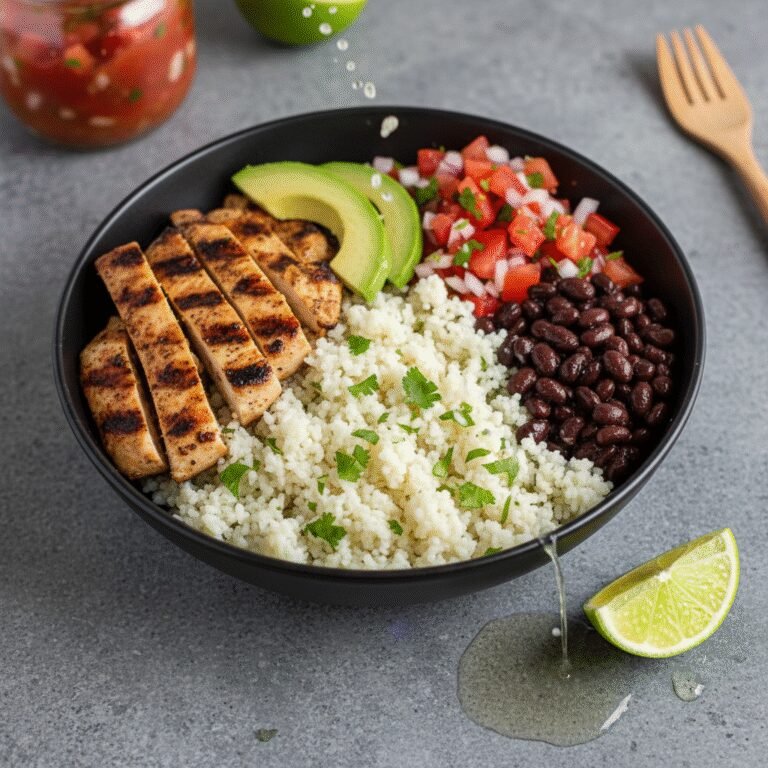
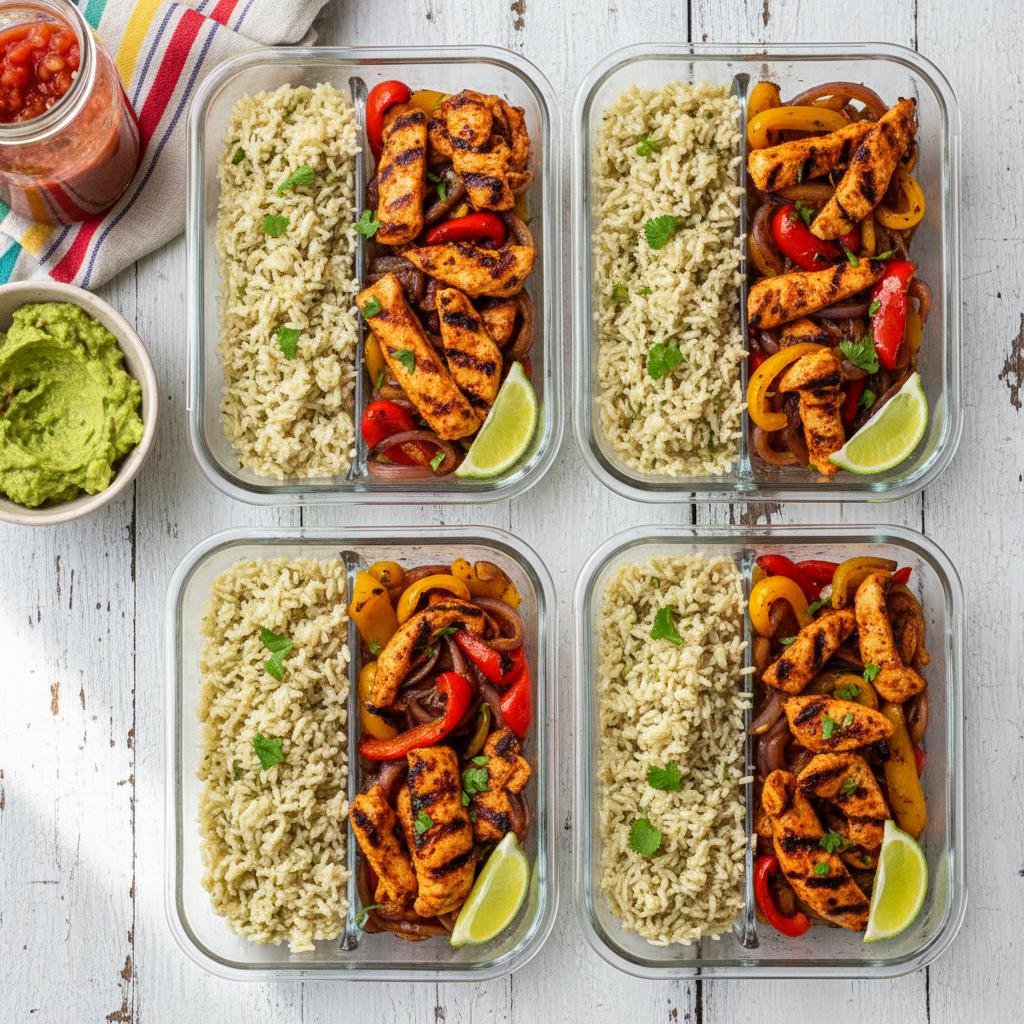
In the hustle and bustle of modern life, the midday meal often becomes an afterthought—a sad sandwich eaten over a keyboard or a greasy takeout order that leaves you feeling sluggish. Enter the Chicken Fajita Meal Prep Bowl, a vibrant, flavor-packed solution that reclaims your lunch hour and fuels your body with wholesome ingredients. Imagine opening your refrigerator to find a stack of neatly organized containers, each filled with tender, juicy strips of chicken coated in a smoky, homemade spice blend, nestled alongside sweet, charred bell peppers and caramelized onions. The aroma of cumin, chili powder, and garlic instantly transports you from your office desk to a lively Tex-Mex cantina. This recipe is not just about convenience; it is a celebration of bold flavors and nutritional balance. By preparing these bowls on a Sunday, you are setting yourself up for a week of success, ensuring that you have a high-protein, fiber-rich meal ready to go when hunger strikes. The beauty of this dish lies in its versatility and the magic of the sheet-pan method. By roasting the chicken and vegetables together at a high temperature, you achieve that coveted sear and caramelization that defines a great fajita, without the need for a sizzling cast-iron skillet or standing over a hot stove. We pair the protein and veggies with a base of fluffy brown rice or quinoa to provide complex carbohydrates for sustained energy, and finish it off with fresh lime and cilantro to cut through the richness. Whether you are a fitness enthusiast looking to hit your macros, a busy parent managing a chaotic schedule, or simply a food lover who refuses to compromise on taste during the workweek, these Chicken Fajita Meal Prep Bowls are the ultimate game-changer. Say goodbye to the lunch rut and hello to a fiesta in a bowl that gets better with every bite.
20 minutes
25 minutes
45 minutes
4 servings
Main Course
Sheet Pan / Roasting
Tex-Mex
Gluten-Free
History & Origins
The history of the fajita is a fascinating tale of culinary ingenuity born out of necessity, deeply rooted in the ranching culture of the Texas-Mexico border. The term ‘fajita’ is derived from the Spanish word ‘faja’, meaning ‘strip’ or ‘belt’, referring specifically to the skirt steak—a tough, flavorful cut of beef from the diaphragm of the steer. In the 1930s and 1940s, Mexican vaqueros (cowboys) working on cattle ranches in the Rio Grande Valley were often paid partially in meat. They were given the least desirable cuts, including the head, entrails, and the skirt steak. These resourceful cooks discovered that by marinating the tough skirt steak in lime juice to tenderize it and grilling it quickly over mesquite coals, they could transform it into a delicious meal. They would serve the sliced meat on flour tortillas, often with simple condiments. For decades, this dish remained a regional secret, a backyard staple known only to the locals and ranch hands of South Texas. It wasn’t until the late 1960s and early 1970s that fajitas began to make their way into the public eye. Sonny Falcon, often called the ‘Fajita King’, began operating a concession stand at outdoor festivals in Kyle, Texas, popularizing the dish. Simultaneously, Ninfa Laurenzo, the matriarch of the famous Ninfa’s restaurant in Houston, put ‘tacos al carbon’ on her menu in 1973, which catapulted the dish to national stardom. As the popularity of fajitas exploded, the definition expanded beyond just skirt steak to include chicken, shrimp, and vegetables, adapting to broader palates and dietary preferences. The ‘fajita bowl’ is a modern evolution of this classic, born from the 21st-century meal prep and wellness movement. It strips away the tortilla to lower the carbohydrate content and focuses on the core components—protein and vegetables—served over grains, reflecting a shift towards nutrient-dense, functional eating while paying homage to the smoky, spicy flavors of the original campfire meals.
Why This Recipe Works
This recipe works exceptionally well because it leverages the efficiency of sheet-pan cooking without sacrificing the signature texture and flavor profile of authentic fajitas. Traditional fajitas rely on high-heat searing in a skillet to create a char, but when cooking for meal prep, doing this in batches can be time-consuming and messy. By utilizing a high-temperature oven roast (400°F/200°C), we mimic that direct heat, allowing the edges of the peppers and onions to caramelize and the chicken to brown, locking in juices rather than steaming the ingredients in their own moisture. Another key reason for the success of this recipe is the homemade spice blend. Store-bought fajita packets are often laden with sodium, preservatives, and artificial thickeners that can leave a chalky aftertaste. By mixing your own blend of chili powder, cumin, paprika, and oregano, you control the sodium levels and ensure a robust, fresh flavor that permeates the meat. Furthermore, the decision to slice the chicken and vegetables into uniform strips ensures that everything cooks at the same rate, preventing the common issue of dried-out chicken or mushy vegetables. The meal prep format also allows the flavors to meld over time; as the bowls sit in the fridge, the spices continue to infuse the chicken and rice, making the meal on Thursday taste just as good, if not better, than the one on Monday. Finally, the balance of macronutrients—lean protein from the chicken, fiber and vitamins from the peppers, and complex carbs from the rice—creates a meal that provides sustained energy without the post-lunch crash.
Why You’ll Love This Recipe
- ✓High-protein meal that keeps you full for hours
- ✓Vibrant, antioxidant-rich peppers and onions
- ✓Homemade seasoning blend with no artificial fillers
- ✓Sheet-pan method minimizes cleanup and active cooking time
- ✓Highly customizable with various toppings like guacamole and salsa
- ✓Budget-friendly ingredients that yield four generous servings
Equipment You’ll Need
- ✓Large sheet pan (18×13 inch)
- ✓Chef’s knife
- ✓Cutting board
- ✓Small mixing bowl
- ✓Large mixing bowl
- ✓Measuring spoons and cups
- ✓4 Meal prep containers (glass preferred)
Ingredients
- ✓1.5 lbs boneless, skinless chicken breasts, sliced into strips
- ✓3 large bell peppers (red, yellow, and green), sliced into strips
- ✓1 large red onion, sliced into strips
- ✓3 tablespoons olive oil or avocado oil
- ✓1 tablespoon chili powder
- ✓1.5 teaspoons ground cumin
- ✓1 teaspoon smoked paprika
- ✓1 teaspoon garlic powder
- ✓1 teaspoon onion powder
- ✓1/2 teaspoon dried oregano
- ✓1 teaspoon salt (adjust to taste)
- ✓1/2 teaspoon black pepper
- ✓1/4 teaspoon cayenne pepper (optional for heat)
- ✓2 cups cooked brown rice or quinoa
- ✓1 lime, juiced
- ✓1/4 cup fresh cilantro, chopped
Instructions
- Preheat your oven to 400°F (200°C). Line a large sheet pan with parchment paper or aluminum foil for easy cleanup.
- If you haven’t already, cook your brown rice or quinoa according to package instructions. Once cooked, fluff with a fork and stir in half of the chopped cilantro and a squeeze of lime juice. Set aside.
- In a small bowl, combine the chili powder, cumin, smoked paprika, garlic powder, onion powder, oregano, salt, black pepper, and cayenne pepper. Mix well to create your fajita seasoning.
- Place the sliced chicken strips in a large bowl. Drizzle with 1.5 tablespoons of olive oil and sprinkle with half of the spice mixture. Toss until the chicken is evenly coated.
- In a separate bowl (or the same one after removing the chicken), toss the sliced bell peppers and onions with the remaining 1.5 tablespoons of olive oil and the remaining spice mixture.
- Spread the chicken and vegetables out in a single layer on the prepared sheet pan. Try to keep them somewhat separated or mixed loosely, but ensure they are not piled on top of each other to promote roasting rather than steaming.
- Roast in the preheated oven for 20-25 minutes, or until the chicken is cooked through (internal temperature of 165°F) and the vegetables are tender and slightly charred at the edges. For extra char, you can broil for the last 2-3 minutes, watching closely to prevent burning.
- Remove the pan from the oven and drizzle fresh lime juice over the chicken and veggies while they are still hot.
- Assemble the meal prep bowls: Divide the cilantro-lime rice evenly among 4 containers. Top each with an equal portion of the chicken and vegetable mixture.
- Garnish with remaining fresh cilantro. Allow the food to cool completely before securing the lids and storing in the refrigerator.
Expert Cooking Tips
- ✓Dry the chicken thoroughly with paper towels before slicing and seasoning to help the spices adhere and promote better browning.
- ✓Cut your veggies and chicken into similar-sized strips to ensure they cook at the same rate.
- ✓Do not overcrowd the sheet pan; use two pans if necessary. Overcrowding causes the food to steam instead of roast, leading to soggy vegetables.
- ✓For a deeper flavor, let the chicken marinate in the spice blend and oil for 30 minutes in the fridge before cooking.
- ✓If you prefer dark meat, boneless skinless chicken thighs are a more forgiving and juicy alternative to breasts.
- ✓Wait until the food is completely cool before putting the lids on your meal prep containers to prevent condensation and sogginess.
- ✓Add a splash of water or chicken broth to the containers before reheating to keep the rice moist.
Substitutions and Variations
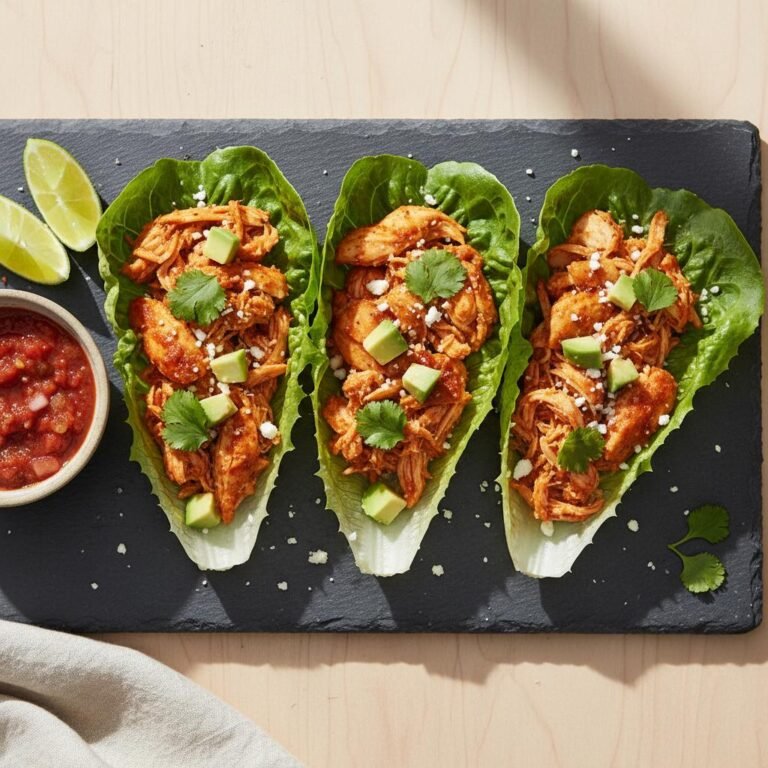
This recipe is highly adaptable to various dietary needs and pantry staples. If you are looking to make this vegetarian or vegan, you can swap the chicken for portobello mushrooms sliced into thick strips, firm tofu, or even a can of drained and rinsed chickpeas; the roasting time may need to be adjusted slightly (15-20 minutes for veggies/tofu). For those following a low-carb, Keto, or Paleo diet, replace the brown rice or quinoa with cauliflower rice or simply serve the fajita mixture over a bed of mixed greens or in lettuce wraps. If you don’t have all the individual spices, a high-quality, low-sodium store-bought taco or fajita seasoning packet can be used, though the homemade version offers better flavor control. You can also vary the vegetables; zucchini, yellow squash, or poblano peppers make excellent additions or substitutions for bell peppers. For the oil, avocado oil is a great high-heat alternative to olive oil. If you are dairy-free, ensure you skip cheese toppings or use a plant-based sour cream. Lastly, shrimp is a fantastic protein alternative, but it cooks much faster than chicken; if using shrimp, roast the veggies for 10-15 minutes first, then add the seasoned shrimp to the pan for the final 5-8 minutes.
Common Mistakes to Avoid
The most frequent mistake when making sheet pan fajitas is overcrowding the pan. When ingredients are piled on top of each other, moisture gets trapped, and the food steams rather than roasts. This results in pale chicken and mushy peppers instead of the desired caramelized, slightly charred finish. To avoid this, spread ingredients out or use two baking sheets. Another common error is cutting the chicken and vegetables into vastly different sizes. If the chicken strips are thick and the peppers are thin, the peppers will burn before the chicken is safe to eat. Aim for uniform 1/2-inch strips. Under-seasoning is another pitfall; chicken breast is lean and mild, so it relies heavily on the spice rub for flavor—don’t be shy with the salt and spices. Overcooking the chicken breast is also a risk, resulting in dry, rubbery meat. Check the chicken around the 18-minute mark; it is done as soon as it hits 165°F. Finally, putting the lids on the meal prep containers while the food is still hot creates a ‘sauna effect,’ leading to bacterial growth potential and soggy rice. Always cool completely on the counter first.
Serving Suggestions
While these bowls are delicious on their own, toppings can elevate them to restaurant quality. Serve with a side of guacamole or sliced fresh avocado for healthy fats and creaminess. A dollop of Greek yogurt or sour cream adds a cooling tangy element that balances the spices. Fresh pico de gallo or a roasted corn salsa can add texture and brightness. For a spicy kick, add pickled jalapeños or a drizzle of chipotle mayo. If you are eating this right away rather than for meal prep, warm flour or corn tortillas on the side are a classic addition. A wedge of lime is essential for squeezing over the dish just before eating to wake up the flavors. For a beverage pairing, a sparkling water with lime, a cold lager, or a classic margarita complements the Tex-Mex flavors perfectly.
Storage and Reheating Tips
Proper storage is crucial for meal prep safety and quality. Allow the cooked ingredients to cool to room temperature (but no longer than 2 hours) before assembling the bowls. Use airtight glass containers, as plastic can sometimes stain from the chili powder and retain odors. These bowls will keep well in the refrigerator for up to 4 days. To freeze, place the cooled mixture (rice, chicken, and peppers) in freezer-safe containers; they can be frozen for up to 3 months. Note that the peppers may lose some texture and become softer upon thawing. To reheat from the fridge, microwave on high for 1.5 to 2 minutes. It helps to place a damp paper towel over the container to steam the rice and prevent it from drying out. If reheating from frozen, it is best to let the container thaw in the fridge overnight before microwaving. Alternatively, the mixture can be reheated in a skillet over medium heat with a splash of water until warmed through.
Nutrition Facts (Estimated)
| Serving Size | 1 Bowl |
| Calories | 465 |
| Fat | 14g |
| Saturated Fat | 2.5g |
| Unsaturated Fat | 10g |
| Trans Fat | 0g |
| Cholesterol | 85mg |
| Sodium | 580mg |
| Carbohydrates | 48g |
| Fiber | 7g |
| Sugar | 6g |
| Protein | 38g |
Frequently Asked Questions
Can I use chicken thighs instead of breasts?
Absolutely. Boneless, skinless chicken thighs are actually preferred by many chefs for fajitas because they have a higher fat content, which keeps them juicier and more flavorful during the roasting process. They may require an extra 2-3 minutes of cooking time compared to breasts.
How do I keep the rice from drying out when reheating?
The trick is to add moisture before microwaving. Sprinkle a teaspoon of water or chicken broth over the rice, or place a damp paper towel over the top of the container. This creates steam during the reheating process, fluffing the rice back up.
Is this recipe spicy?
As written, the recipe has a mild to medium kick, primarily from the chili powder and cayenne. If you are sensitive to spice, omit the cayenne pepper entirely. Conversely, if you love heat, increase the cayenne or add red pepper flakes.
Can I freeze these meal prep bowls?
Yes, you can freeze them. The chicken and rice freeze very well. The bell peppers will become softer and lose their crispness once thawed and reheated, but the flavor will still be excellent. Consume frozen meals within 3 months.
Can I use a store-bought fajita seasoning packet?
Yes, you can use a packet for convenience. Use one standard packet for this amount of meat and veggies. However, be aware that store-bought packets often contain higher sodium and cornstarch, so you might not need to add extra salt.
What is the best way to cut the peppers?
Slice the top and bottom off the pepper, remove the core and seeds, and then slice the pepper vertically into strips about 1/2 inch wide. This shape mimics the chicken strips and makes for easy eating.
Can I make this low carb?
Yes. Simply swap the brown rice for cauliflower rice, broccoli rice, or a bed of fresh salad greens. The chicken and veggie mixture itself is naturally low carb.
How long does this last in the fridge?
When stored properly in airtight containers, these bowls are safe and delicious to eat for up to 4 days. If you need them to last longer, it is better to freeze the later portions.
Conclusion
Incorporating these Chicken Fajita Meal Prep Bowls into your weekly routine is a small investment of time that pays massive dividends in flavor and health. By dedicating less than an hour on a Sunday, you secure four days of nutritious, restaurant-quality lunches that will make your coworkers jealous. The combination of smoky spices, juicy chicken, and sweet roasted peppers is a classic for a reason—it is satisfying, comforting, and undeniably delicious. Whether you stick to the recipe strictly or use it as a canvas for your own culinary creativity with different grains and toppings, the result is a stress-free week of eating well. So, grab your sheet pan, mix up those spices, and get ready to enjoy a fiesta of flavors all week long. Happy cooking!