Creamy Vegan Chickpea and Spinach Coconut Curry (30-Minute Meal)
Chickpea And Spinach Coconut Curry Vegan Recipe
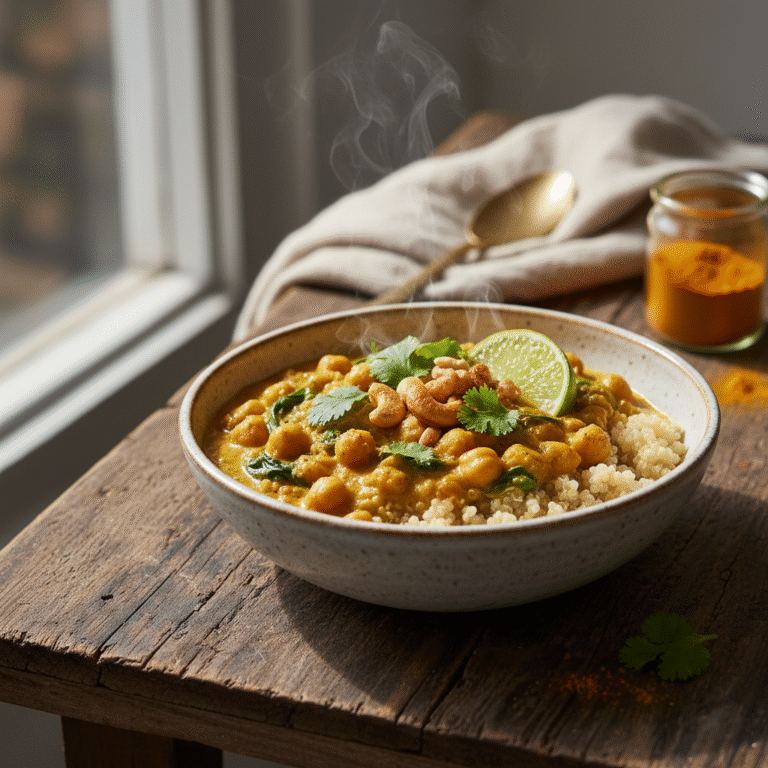
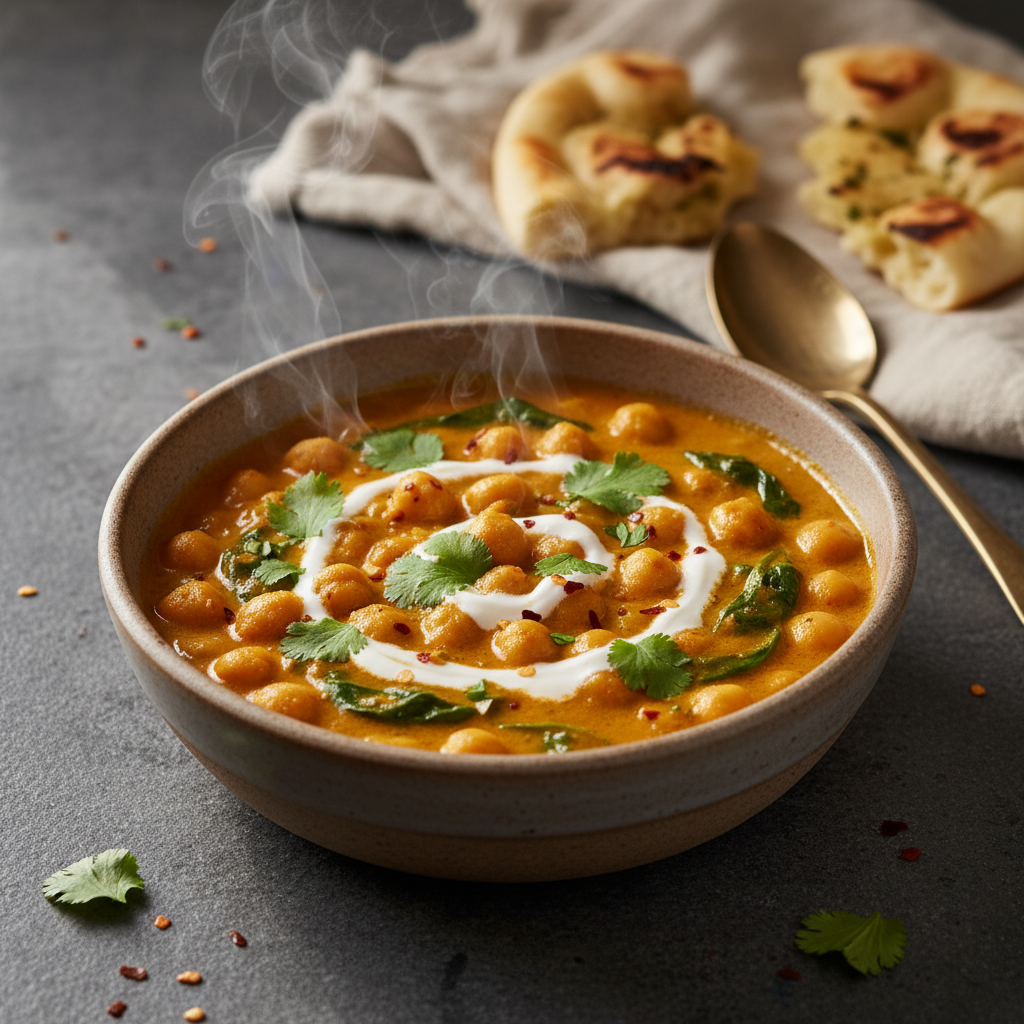
This vibrant, soul-warming Chickpea and Spinach Coconut Curry is the ultimate weeknight savior. Packed with plant-based protein and swimming in a rich, aromatic golden broth, it comes together in just 30 minutes but tastes like it simmered all day.
10 minutes
20 minutes
30 minutes
4 servings
Main Course
Stovetop
Indian Fusion
Vegan
There is something undeniably magical about the alchemy of coconut milk, spices, and aromatics. It transforms humble pantry staples into a meal that feels luxurious, comforting, and deeply satisfying. This Chickpea and Spinach Coconut Curry is a testament to that magic. As a food blogger who is constantly testing recipes, I often find myself returning to this specific dish when I am craving something that feels like a warm hug but also nourishes my body.
The beauty of this curry lies in its complexity of flavor versus its simplicity of preparation. It starts with the holy trinity of Indian-inspired cooking: onions, garlic, and fresh ginger, sautéed until golden and fragrant. When you hit that base with warming spices like cumin, coriander, and turmeric, the kitchen fills with an intoxicating aroma that instantly stimulates the appetite. The addition of full-fat coconut milk creates a velvety, luxurious texture that coats every chickpea, making this dish incredibly satiating without the need for dairy or heavy meats.
What I love most about this recipe is its versatility and its nutritional profile. It is naturally vegan and gluten-free, making it a crowd-pleaser for diverse dietary needs. The chickpeas provide a hearty dose of plant-based protein and fiber, while the spinach adds a pop of color and essential vitamins. Whether you serve it over fluffy basmati rice, with a side of warm naan for dipping, or even on its own as a thick stew, it is a meal that never disappoints. It’s the kind of dinner that makes you look forward to leftovers, as the flavors only deepen and marry further overnight in the fridge.
History & Origins
The concept of ‘curry’ is a complex tapestry woven through centuries of history, trade, and cultural exchange. While the word itself is an anglicized umbrella term often traced back to the Tamil word ‘kari’ (meaning sauce or relish for rice), the culinary tradition of stewing vegetables and legumes in spiced sauces originates from the Indian subcontinent, dating back thousands of years to the Indus Valley Civilization.
This specific iteration—pairing chickpeas (chana) with coconut milk—draws inspiration from the coastal regions of Southern India, such as Kerala, and also shares DNA with certain Thai curries. In Northern India, chickpeas are most famously known in ‘Chana Masala,’ a tomato-based dish with a sharper, tangy profile. However, as you move South, the use of dairy decreases, and the use of coconut (both milk and oil) increases due to the abundance of coconut palms in the tropical climate.
The integration of spinach into chickpea dishes is also deeply rooted in Indian cuisine, often seen in dishes like ‘Chana Saag’ or ‘Palak Chana.’ Historically, these combinations were born out of necessity and wisdom; combining legumes with leafy greens and spices created a nutritionally complete meal that was affordable and sustainable. In the modern Western context, this recipe represents the global evolution of these traditional methods. It retains the soul of the traditional spice blends—turmeric for anti-inflammatory properties, ginger for digestion, and chili for heat—while adapting the cooking method for the modern, fast-paced kitchen. It is a beautiful example of how ancient foodways can be adapted to fit contemporary vegan lifestyles without losing their cultural essence.
Why This Recipe Works
This recipe succeeds because it meticulously balances the five key flavor profiles: salty, sweet, sour, bitter, and umami, while also paying close attention to texture. The foundation of the flavor comes from ‘blooming’ the spices. By frying the spices in oil before adding the liquid, we release their essential oils (a process called tempering or tadka in Indian cooking), which deepens their flavor and prevents the curry from tasting powdery.
The coconut milk acts as the primary fat source, providing a natural sweetness that counteracts the acidity of the tomatoes and the heat of the chili powder. Using full-fat coconut milk is non-negotiable here; the fat content emulsifies with the spices and tomato juices to create a cohesive, glossy sauce that clings to the chickpeas rather than sliding off.
Texture-wise, the chickpeas offer a creamy, nutty bite that contrasts perfectly with the soft, wilted spinach. We add the spinach at the very end, off the heat, to ensure it retains its bright green color and fresh texture, rather than becoming slimy and overcooked. Finally, the finishing touch of lime juice is the secret weapon. This hit of acid brightens the heavy coconut fats, lifting the entire flavor profile and making the dish taste fresh and vibrant.
Why You’ll Love This Recipe
- ✓Ready in under 30 minutes
- ✓Naturally Vegan and Gluten-Free
- ✓High in plant-based protein and fiber
- ✓Uses pantry staple ingredients
- ✓Freezer-friendly for meal prep
- ✓Rich, creamy texture without dairy
Equipment You’ll Need
- ✓Large skillet or Dutch oven
- ✓Chef’s knife
- ✓Cutting board
- ✓Wooden spoon or spatula
- ✓Can opener
- ✓Measuring spoons
Ingredients
- ✓1 tbsp Coconut Oil (or olive oil)
- ✓1 large Yellow Onion, finely diced
- ✓3 cloves Garlic, minced
- ✓1 tbsp Fresh Ginger, grated
- ✓1 tsp Ground Cumin
- ✓1 tsp Ground Coriander
- ✓1 tsp Ground Turmeric
- ✓1/2 tsp Chili Powder (or Cayenne for heat)
- ✓1 tsp Garam Masala (added at the end)
- ✓1 can (14oz) Diced Tomatoes
- ✓2 cans (14oz each) Chickpeas, drained and rinsed
- ✓1 can (13.5oz) Full-Fat Coconut Milk
- ✓1 tsp Salt (adjust to taste)
- ✓5 oz Fresh Spinach (about 3-4 large handfuls)
- ✓1 tbsp Fresh Lime Juice
- ✓Fresh Cilantro, for garnish
Instructions
- Heat the coconut oil in a large skillet or Dutch oven over medium heat. Once the oil is shimmering, add the diced onion. Sauté for 5-6 minutes until the onion is translucent and starting to brown on the edges.
- Add the minced garlic and grated ginger to the pan. Cook for another 1-2 minutes, stirring constantly to prevent the garlic from burning. You want it to be very fragrant.
- Stir in the cumin, coriander, turmeric, and chili powder. ‘Bloom’ the spices by cooking them in the oil and onion mixture for about 30-60 seconds. This step is crucial for depth of flavor.
- Pour in the diced tomatoes (with their juices) and scrape the bottom of the pan to release any browned bits (fond). Let the tomatoes cook down for 3-4 minutes until they soften and the mixture thickens slightly.
- Add the drained chickpeas and the can of coconut milk. Stir well to combine. Bring the mixture to a gentle simmer.
- Reduce the heat to low and let the curry simmer uncovered for 10-15 minutes. This allows the sauce to reduce and thicken, and the chickpeas to absorb the flavors.
- Stir in the garam masala and salt. Taste and adjust seasoning if necessary.
- Remove the pan from the heat. Immediately stir in the fresh spinach. The residual heat will wilt the spinach perfectly in about 1 minute without overcooking it.
- Finish by squeezing in the fresh lime juice and stirring once more.
- Serve hot over rice or with naan, garnished with fresh cilantro.
Expert Cooking Tips
- ✓Always rinse your chickpeas thoroughly to remove excess sodium and starch.
- ✓Do not shake the coconut milk can before opening if you want to skim the thick cream off the top for an extra rich garnish.
- ✓If you are sensitive to spice, start with half the chili powder and add more to taste.
- ✓Fresh ginger makes a huge difference compared to powdered ginger; use a microplane for easy grating.
- ✓Toast your naan bread on an open flame or in a hot dry pan for a restaurant-style char.
- ✓If the curry gets too thick, splash in a little vegetable broth or water to reach your desired consistency.
Substitutions and Variations
This recipe is incredibly forgiving and adaptable to whatever you have in your pantry. If you don’t have chickpeas, white beans (cannellini) or even lentils work beautifully as a protein substitute, though cooking times for lentils will vary. For the greens, kale or swiss chard are excellent alternatives to spinach; just be sure to remove the tough stems and cook them for a few minutes longer than the spinach, as they are hardier. If you are out of coconut milk, you can use heavy cream or cashew cream, though this will change the flavor profile slightly. For a lighter version, lite coconut milk works, but the sauce will be thinner—you might want to smash some chickpeas to thicken it. If you don’t have fresh ginger or garlic, you can use pastes, but try to avoid the dried powders for the aromatics if possible as the flavor is much flatter.
Common Mistakes to Avoid
The most common mistake with this curry is rushing the onion and spice stage. If you don’t cook the onions long enough, the curry will lack that sweet, savory base. Similarly, if you dump the liquid in before the spices have had a chance to fry in the oil, the spices can taste raw and gritty. Another frequent error is boiling the coconut milk too vigorously. While coconut milk is stable, boiling it on high heat for too long can sometimes cause the oils to separate or the texture to become slightly grainy. Keep it at a gentle simmer. Lastly, adding the spinach too early is a sin; it turns the vibrant greens into a brown, slimy mess. Always add delicate greens at the very end, off the heat.
Serving Suggestions
This curry is best served over a bed of fluffy Basmati or Jasmine rice, which soaks up the creamy sauce perfectly. For a lower-carb option, cauliflower rice is a fantastic pairing. To elevate the meal, serve warm garlic naan or roti on the side for scooping. A dollop of vegan yogurt or raita can add a cooling contrast to the warm spices. For crunch and texture, you can top the dish with toasted cashews or crispy fried onions. A side salad of cucumber, red onion, and tomato with a lemon dressing (Kachumber salad) cuts through the richness of the coconut milk nicely.
Storage and Reheating Tips
This curry stores beautifully and actually tastes better the next day as the flavors have more time to meld. Store leftovers in an airtight container in the refrigerator for up to 4-5 days. Reheat gently on the stovetop over medium-low heat, adding a splash of water or vegetable broth if the sauce has thickened too much in the fridge. You can also microwave it, stirring halfway through. For freezing, let the curry cool completely, then transfer to freezer-safe bags or containers. It will keep well for up to 3 months. Thaw overnight in the fridge before reheating. Note that the texture of the spinach might become slightly softer after freezing, but the flavor will remain excellent.
Nutrition Facts (Estimated)
| Serving Size | 1 bowl (approx 300g) |
| Calories | 380 |
| Fat | 22g |
| Saturated Fat | 14g |
| Unsaturated Fat | 6g |
| Trans Fat | 0g |
| Cholesterol | 0mg |
| Sodium | 450mg |
| Carbohydrates | 38g |
| Fiber | 10g |
| Sugar | 6g |
| Protein | 12g |
Frequently Asked Questions
Can I use dried chickpeas instead of canned?
Absolutely. If using dried chickpeas, you will need to soak them overnight and boil them until tender before adding them to the curry. You will need about 3 cups of cooked chickpeas to match the amount in this recipe.
Is this curry very spicy?
As written, this recipe has a mild to medium heat. The chili powder provides a gentle kick, but the coconut milk mellows it out significantly. You can omit the chili powder entirely for a kid-friendly version.
Can I make this in an Instant Pot?
Yes! Sauté the aromatics and spices on ‘Sauté’ mode, add liquids and chickpeas, and cook on High Pressure for 5 minutes. Quick release, then stir in the spinach and lime juice.
What can I use if I hate cilantro?
If you have the soap-gene for cilantro, simply swap it out for fresh parsley or even chopped green onions for a fresh finish.
Why is my curry sauce too runny?
This can happen if the tomatoes were very watery or you used lite coconut milk. To fix it, let it simmer longer uncovered, or mash a small portion of the chickpeas against the side of the pan to release starch.
Can I add other vegetables?
Definitely. Sweet potatoes, cauliflower florets, or bell peppers are great additions. Add hard vegetables like sweet potatoes at the same time as the tomatoes so they have time to cook through.
Is garam masala necessary?
Garam masala adds a specific sweet-warm flavor profile that is signature to this dish. In a pinch, you can use a generic curry powder, but the flavor will be different and less authentic to the style.
Is this recipe keto-friendly?
Chickpeas are legumes and are relatively high in carbohydrates, so this is generally not considered keto-friendly, although it is high in healthy fats.
Conclusion
Whether you are a dedicated vegan, a ‘Meatless Monday’ enthusiast, or just someone looking for a delicious, hassle-free dinner, this Chickpea and Spinach Coconut Curry is sure to earn a spot in your regular rotation. It proves that healthy eating doesn’t have to mean sacrificing flavor or spending hours in the kitchen. The creamy, spiced broth combined with the hearty chickpeas creates a meal that is comforting, restorative, and utterly delicious. Give it a try this week, and don’t forget to make a double batch—your future self will thank you for the leftovers!