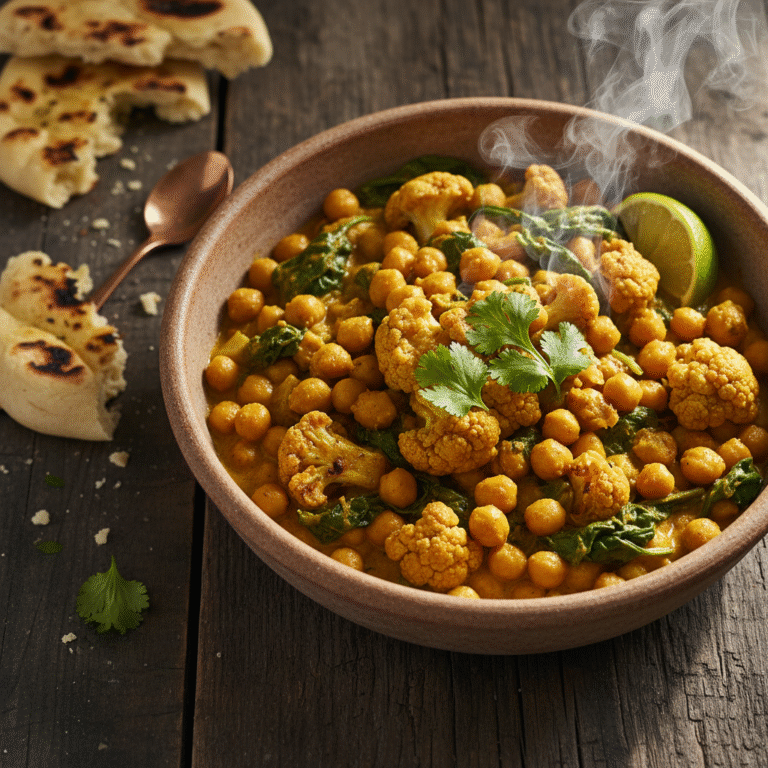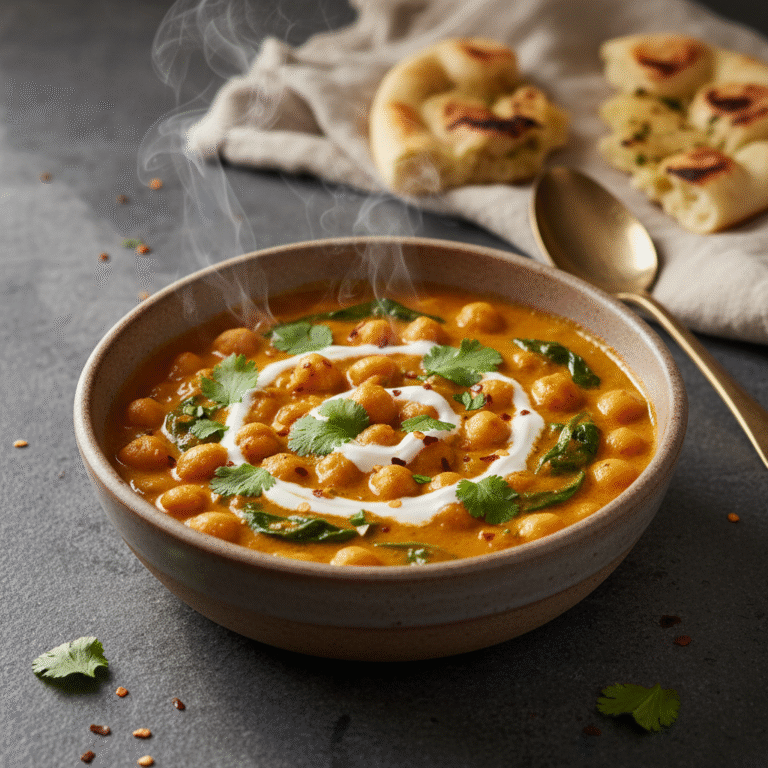
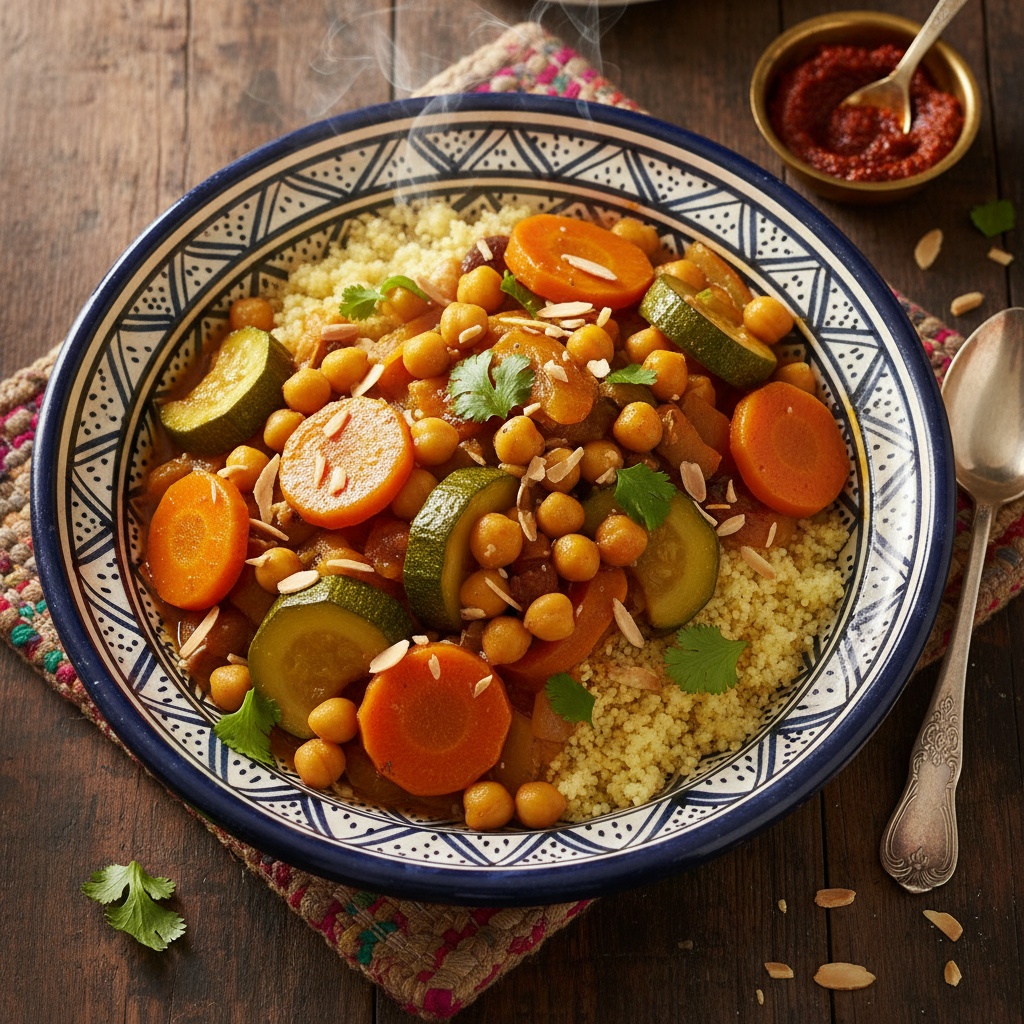
Golden Moroccan Chickpea and Vegetable Tagine with Fluffy Couscous
Chickpea And Vegetable Tagine With Couscous Recipe
Transport your taste buds to North Africa with this aromatic Chickpea and Vegetable Tagine. Bursting with warm spices like cumin and cinnamon, and served over fluffy couscous, this hearty, plant-based stew is the ultimate weeknight comfort food that feels like a gourmet escape.
20 minutes
40 minutes
1 hour
4-6 servings
Main Course
Stovetop / Braising
Moroccan / North African
Vegetarian
There is something profoundly magical about the aroma of a tagine simmering on the stove. It is a scent that tells a story of distant spice markets, sun-drenched landscapes, and the timeless tradition of slow-cooked meals shared with loved ones. This Chickpea and Vegetable Tagine with Couscous is more than just a dinner recipe; it is an invitation to slow down and savor the complex layering of flavors that defines Moroccan cuisine. At the heart of this dish is the balance between the savory depth of the spices—cumin, coriander, turmeric, and a hint of cinnamon—and the natural sweetness of root vegetables and dried fruits. The chickpeas provide a creamy, protein-packed foundation that soaks up the golden, saffron-hued broth, transforming humble ingredients into a feast fit for royalty.
What makes this recipe particularly special is its versatility and accessibility. While traditional tagines are cooked in conical clay pots over charcoal fires, this version is adapted for the modern home kitchen without sacrificing authenticity. The vegetables are braised until tender but not mushy, retaining their vibrant colors and distinct textures. The sauce is rich and fragrant, thickened slightly by the breakdown of the vegetables and the starch from the chickpeas. When spooned over a mound of steaming, fluffy couscous, every bite offers a perfect textural contrast. Whether you are a lifelong vegetarian or a meat-eater looking to incorporate more plant-based meals into your diet, this tagine delivers a level of satisfaction that feels indulgent and wholesome all at once. It is the kind of meal that warms you from the inside out, perfect for chilly evenings or whenever you need a culinary hug.
History & Origins
The history of the tagine is as rich and layered as the dish itself. Originating from the Berber communities of North Africa, the word ‘tagine’ refers to both the slow-cooked stew and the unique earthenware vessel in which it is cooked. The vessel consists of a wide, circular base and a distinctive cone-shaped cover. This ingenious design was born out of necessity in arid environments where water supplies were limited. The conical shape traps steam as the food cooks, condensing it back into liquid that trickles down the sides to keep the ingredients moist and tender, requiring very little added water. This method of cooking dates back centuries, with references found in the famous ‘One Thousand and One Nights’ from the 9th century.
Over time, the tagine evolved through various cultural influences. The Arab invasions brought spices like cinnamon, ginger, and saffron from the East, while the Moorish influence from Andalusia introduced the pairing of sweet and savory elements, such as combining meat or savory vegetables with fruits like apricots, dates, or prunes. During the French colonial period, the dish gained further international recognition, eventually becoming a staple in French cuisine as well. Today, the tagine stands as a symbol of Moroccan hospitality. It is traditionally eaten communally from the pot, using pieces of bread to scoop up the sauce and vegetables. This Chickpea and Vegetable Tagine honors that ancient lineage, celebrating the enduring legacy of North African culinary artistry while adapting it for the contemporary table.
Why This Recipe Works
This recipe works beautifully because it respects the fundamental principles of flavor building found in Moroccan cooking: the ‘charmoula’ or spice base, the balance of textures, and the interplay of sweet and savory. First, we bloom the spices in oil. Unlike simply dumping spices into a liquid, sautéing the cumin, coriander, and turmeric in warm oil releases their essential oils, deepening their flavor profile and preventing the dish from tasting ‘dusty.’ This creates a robust foundation for the broth.
Secondly, the timing of the vegetables is crucial. We start with the hardier root vegetables like carrots and onions, allowing them to soften and caramelize slightly, before adding quicker-cooking vegetables like zucchini. This ensures that by the time the stew is ready, every component is perfectly cooked—the carrots are tender-crisp, and the zucchini holds its shape. The addition of dried apricots or golden raisins is the secret weapon here; their subtle sweetness cuts through the acidity of the tomatoes and the earthiness of the chickpeas, providing a bright pop of flavor that elevates the entire dish. Finally, the method for the couscous—steaming it in boiling broth off the heat rather than boiling it actively—guarantees light, separate grains rather than a clumpy mash, providing the perfect canvas for the rich, saucy tagine.
Why You’ll Love This Recipe
- ✓Packed with plant-based protein and fiber from chickpeas.
- ✓Features a rich, aromatic blend of authentic Moroccan spices.
- ✓Naturally vegan and easily adaptable for gluten-free diets.
- ✓One-pot meal potential for easy cleanup.
- ✓Perfect balance of sweet and savory flavors.
- ✓Ready in under an hour but tastes like it simmered all day.
Equipment You’ll Need
- ✓Large heavy-bottomed pot, Dutch oven, or traditional Tagine
- ✓Chef’s knife
- ✓Cutting board
- ✓Wooden spoon
- ✓Measuring cups and spoons
- ✓Medium bowl (for couscous)
- ✓Fork (for fluffing couscous)
Ingredients
- ✓2 tablespoons olive oil
- ✓1 large yellow onion, chopped
- ✓3 cloves garlic, minced
- ✓1 tablespoon fresh ginger, grated
- ✓2 large carrots, peeled and sliced into rounds
- ✓1 red bell pepper, chopped
- ✓1 large zucchini, sliced into half-moons
- ✓2 teaspoons ground cumin
- ✓1.5 teaspoons ground coriander
- ✓1 teaspoon ground turmeric
- ✓1 teaspoon ground cinnamon
- ✓1/2 teaspoon paprika (smoked or sweet)
- ✓1/4 teaspoon cayenne pepper (optional for heat)
- ✓1 can (14 oz) diced tomatoes, undrained
- ✓2 cans (15 oz each) chickpeas, rinsed and drained
- ✓3 cups vegetable broth
- ✓1/2 cup dried apricots, chopped (or golden raisins)
- ✓1 cup dry couscous
- ✓Salt and black pepper to taste
- ✓Fresh cilantro or parsley, chopped (for garnish)
- ✓Lemon wedges (for serving)
- ✓Toasted almond slivers (optional garnish)
Instructions
- Prepare your vegetables: Chop the onion, mince the garlic, grate the ginger, slice the carrots, chop the bell pepper, and slice the zucchini. Have all spices measured and ready.
- Heat the olive oil in a large Dutch oven or heavy pot over medium heat. Add the chopped onion and cook for about 5 minutes until softened and translucent.
- Add the carrots and bell pepper to the pot. Cook for another 5-7 minutes, stirring occasionally, until the vegetables begin to soften slightly.
- Stir in the minced garlic, grated ginger, cumin, coriander, turmeric, cinnamon, paprika, and cayenne. Cook for 1 minute, stirring constantly, until the spices are fragrant. Do not let the garlic burn.
- Pour in the diced tomatoes with their juices, the drained chickpeas, chopped apricots, and 1.5 cups of the vegetable broth. Stir well to combine and scrape up any browned bits from the bottom of the pot.
- Bring the mixture to a gentle boil, then reduce the heat to low. Cover the pot and simmer for 20-25 minutes, or until the carrots are tender.
- About 10 minutes before the stew is done, add the zucchini slices. Cover and continue to simmer. The zucchini needs less time to cook and should remain slightly firm.
- While the tagine simmers, prepare the couscous. In a small saucepan, bring the remaining 1.5 cups of vegetable broth to a boil. Place the dry couscous in a heatproof bowl. Pour the boiling broth over the couscous.
- Cover the bowl tightly with plastic wrap or a lid and let it sit undisturbed for 5-10 minutes. After the time is up, remove the cover and fluff the couscous with a fork to separate the grains.
- Taste the tagine stew and adjust seasoning with salt, pepper, or a squeeze of fresh lemon juice if needed.
- Serve the hot vegetable tagine over a bed of fluffy couscous. Garnish generously with fresh cilantro, toasted almonds, and lemon wedges on the side.
Expert Cooking Tips
- ✓Bloom your spices: Always sauté the spices in the oil for a minute before adding liquids to unlock their full flavor potential.
- ✓Don’t overcook the zucchini: Add softer vegetables like zucchini or squash towards the end of the cooking process so they don’t turn into mush.
- ✓Use quality broth: Since the broth forms the base of the sauce, use a high-quality vegetable stock for the best depth of flavor.
- ✓Toast the couscous: For a nuttier flavor, briefly toast the dry couscous in a dry pan for 2-3 minutes before adding the boiling liquid.
- ✓Let it rest: Like many stews, this dish tastes even better the next day as the flavors have more time to meld together.
Substitutions and Variations
This recipe is incredibly forgiving and adaptable to whatever you have in your pantry. If you don’t have chickpeas, you can easily substitute them with white beans, lentils, or even cubes of firm tofu for a different protein source. For the vegetables, sweet potatoes or butternut squash make excellent replacements for carrots, adding a lovely sweetness and creamy texture. If zucchini isn’t in season, try using green beans, cauliflower florets, or even eggplant (though eggplant may require a bit more oil). If you are gluten-free, simply swap the couscous for quinoa, millet, or fluffy white rice; the stew itself is naturally gluten-free. For the dried fruit, dried cranberries, raisins, or chopped dates work just as well as apricots to provide that essential sweet counterpoint. Finally, if you don’t have fresh ginger, 1/2 teaspoon of ground ginger can be used, though fresh offers a brighter kick.
Common Mistakes to Avoid
One of the most common mistakes when making tagine is rushing the onion and spice cooking stage. If you don’t allow the onions to soften and the spices to bloom properly in the oil, the final sauce can taste raw or gritty. Another frequent error is adding all the vegetables at once. Root vegetables like carrots take significantly longer to cook than soft vegetables like zucchini or bell peppers. If you dump everything in together, you will end up with some veggies that are hard and others that are disintegrating. Additionally, be careful with the liquid ratios for the couscous. Adding too much water will result in a gummy, sticky paste rather than fluffy, separate grains. Always measure your liquid carefully and resist the urge to stir the couscous while it is steaming; only fluff it with a fork after it has absorbed the liquid completely. Lastly, don’t skip the acid at the end—a squeeze of lemon juice brightens the heavy, spiced flavors significantly.
Serving Suggestions
This Chickpea and Vegetable Tagine is a complete meal on its own, but it shines even brighter with a few traditional accompaniments. Serve it alongside warm pita bread or Naan to scoop up every last drop of the delicious sauce. A side of cooling cucumber yogurt sauce (tzatziki) or a simple dollop of plain Greek yogurt (or coconut yogurt for vegans) creates a wonderful temperature and flavor contrast to the hot, spiced stew. For a fresh element, a simple Moroccan salad of diced tomatoes, cucumbers, and red onions dressed with olive oil and lemon juice pairs perfectly. If you want to elevate the presentation for a dinner party, sprinkle the top with pomegranate seeds for a burst of color and juice, and serve with a pot of fresh mint tea to cleanse the palate after the meal.
Storage and Reheating Tips
This dish is a meal prep champion because the flavors improve with time. Store leftover tagine in an airtight container in the refrigerator for up to 4-5 days. The couscous should ideally be stored in a separate container to prevent it from becoming soggy, though mixing them is fine for grab-and-go lunches. To reheat, gently warm the stew on the stove over medium-low heat, adding a splash of water or broth if the sauce has thickened too much in the fridge. Alternatively, microwave individual portions for 2-3 minutes, stirring halfway through. This recipe also freezes beautifully. Place the cooled tagine (without the couscous) in freezer-safe bags or containers and freeze for up to 3 months. Thaw overnight in the refrigerator before reheating. It is best to make fresh couscous when you are ready to serve the frozen stew, as couscous takes only minutes to prepare and doesn’t freeze as well.
Nutrition Facts (Estimated)
| Serving Size | 1 bowl (approx 350g) |
| Calories | 420 |
| Fat | 10g |
| Saturated Fat | 1.5g |
| Unsaturated Fat | 8g |
| Trans Fat | 0g |
| Cholesterol | 0mg |
| Sodium | 580mg |
| Carbohydrates | 68g |
| Fiber | 14g |
| Sugar | 12g |
| Protein | 16g |
Frequently Asked Questions
Can I make this recipe in a slow cooker?
Absolutely! Sauté the onions, garlic, and spices in a pan first to release the flavors, then transfer everything (except the zucchini and couscous) to the slow cooker. Cook on low for 6-7 hours or high for 3-4 hours. Add the zucchini during the last 30-45 minutes of cooking to prevent it from becoming mushy.
Is this dish spicy?
This recipe is designed to be aromatic and warming rather than hot. The cayenne pepper is optional, so if you omit it, the dish will have zero heat, making it very kid-friendly. If you prefer a spicy kick, you can increase the cayenne or add a spoonful of Harissa paste.
What is the difference between a stew and a tagine?
Technically, a tagine is a type of stew cooked in a specific conical clay pot that circulates steam. However, the term usually implies a North African flavor profile featuring spices like cumin, cinnamon, and coriander, often combining savory meats or vegetables with dried fruits, whereas a standard Western stew might use herbs like thyme and rosemary.
Can I use dried chickpeas instead of canned?
Yes, dried chickpeas are excellent and often have a better texture. You will need to soak them overnight and boil them until tender (about 1-1.5 hours) before adding them to the recipe. You would need about 1 cup of dried chickpeas to equal the 2 cans called for in this recipe.
What if I don’t have a tagine pot?
No problem at all! A Dutch oven, a heavy-bottomed soup pot, or a deep skillet with a tight-fitting lid works perfectly. The key is to keep the lid on to simulate the steaming environment of a traditional tagine.
Is couscous gluten-free?
No, traditional couscous is made from semolina wheat, so it contains gluten. For a gluten-free version, serve the tagine over quinoa, millet, brown rice, or certified gluten-free couscous made from maize or tapioca.
Can I add meat to this recipe?
Certainly. Chicken thighs or lamb shoulder are traditional choices. Brown the meat in the pot after the onions but before the spices, then simmer it along with the broth and vegetables. You may need to extend the cooking time to ensure the meat is tender.
How do I prevent my couscous from being clumpy?
The trick is not to boil the couscous. Pour boiling water over it, cover it tightly, and let it steam off the heat. Once it has absorbed the water, use a fork (not a spoon) to gently scrape and fluff the grains. Adding a teaspoon of oil or butter to the water also helps keep grains separate.
Conclusion
There are few dishes that offer as much comfort, nutrition, and flavor payoff for such little effort as this Chickpea and Vegetable Tagine. It captures the essence of Moroccan cuisine—warmth, hospitality, and the art of blending spices—in a bowl that is accessible to home cooks everywhere. Whether you are looking for a healthy weeknight dinner, a vibrant dish to impress guests, or a meal that provides leftovers for days, this recipe ticks every box. The interplay of the savory broth, the sweet apricots, and the tender vegetables over fluffy couscous is a culinary experience that you will want to return to again and again. So, gather your spices, chop your veggies, and get ready to fill your kitchen with the enchanting aromas of North Africa. Happy cooking!