Mediterranean Couscous Salad With Chickpeas And Cucumber: The Ultimate 20-Minute Meal Prep
Couscous Salad With Chickpeas And Cucumber Recipe
This vibrant Couscous Salad with Chickpeas and Cucumber is the definition of fresh, fast, and flavorful. Packed with crunchy vegetables, protein-rich chickpeas, and a zesty lemon-herb vinaigrette, it comes together in under 20 minutes for the perfect lunch or potluck side.
15 minutes
5 minutes
20 minutes
4-6 servings
Salad
No-Cook / Steaming
Mediterranean
Vegetarian
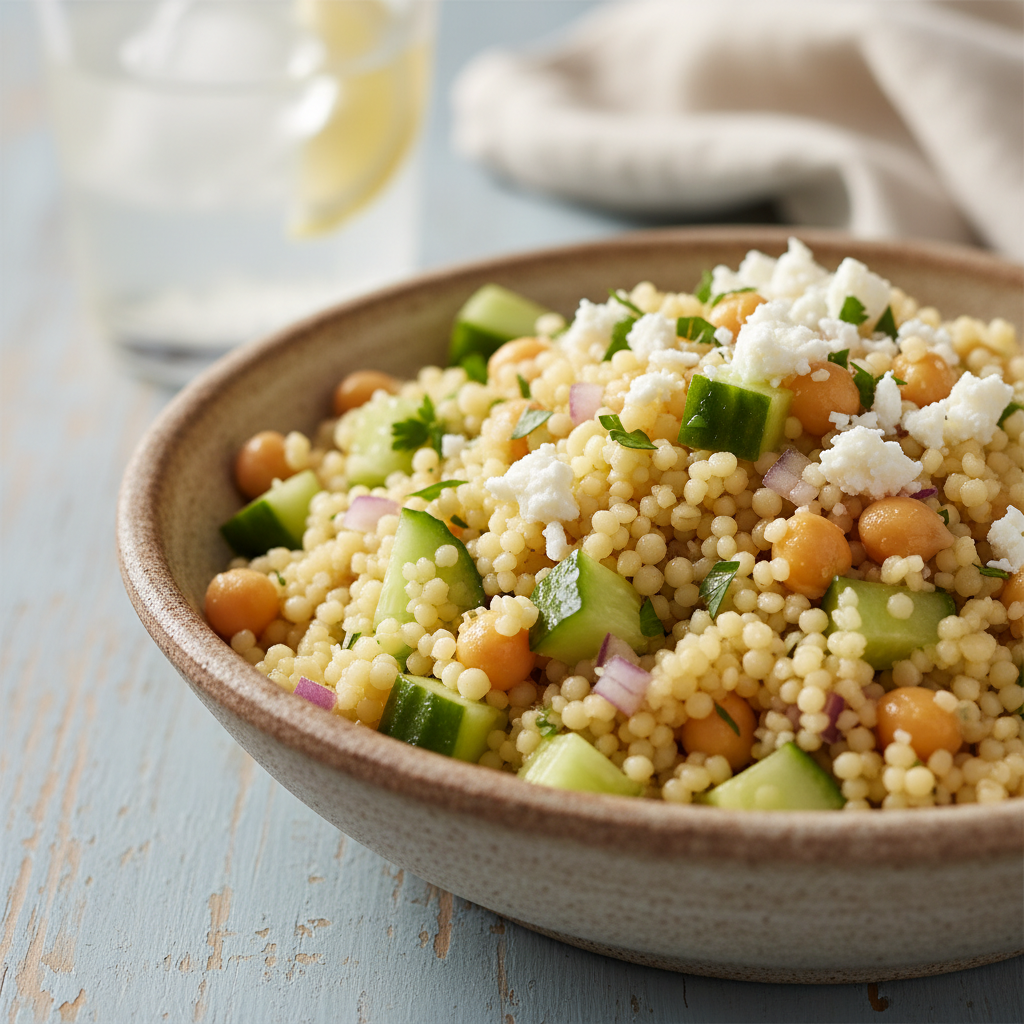
If there is one dish that perfectly captures the essence of effortless Mediterranean cooking, it is this Couscous Salad with Chickpeas and Cucumber. As a food blogger who is constantly on the hunt for recipes that bridge the gap between nutritious fuel and crave-worthy flavor, this salad has become a staple in my kitchen rotation. Imagine the fluffiest, lightest grains of couscous acting as a sponge for a bright, garlic-infused lemon dressing, interspersed with the satisfying crunch of cool English cucumbers and the nutty, creamy texture of chickpeas. It is a symphony of textures that dances on the palate, offering a refreshing bite that never feels heavy.
What makes this salad truly standout is its incredible versatility. It shines as a light vegetarian main course for a sunny afternoon lunch, but it also holds its own as a robust side dish next to grilled lamb, lemon-herb chicken, or seared salmon. The beauty lies in its simplicity; it requires no heavy cooking, just a kettle of boiling water and some chopping skills. It is the kind of recipe that saves you on busy weeknights when the idea of turning on the oven feels impossible, yet it looks elegant enough to serve in a large ceramic bowl at a summer garden party. The fresh parsley and mint add a verdant pop of color and an herbaceous aroma that immediately signals freshness. Whether you are a meal-prep enthusiast looking for a lunch that won’t wilt by Wednesday or simply craving a bowl of wholesome goodness, this couscous salad delivers on every front.
History & Origins
To truly appreciate this dish, we must look to the origins of its star ingredient: couscous. Often mistaken for a grain, couscous is actually a type of pasta made from semolina (durum wheat) and water, traditionally hand-rolled into tiny pellets. Its roots run deep in North African history, specifically within the Maghreb region (modern-day Morocco, Algeria, Tunisia, and Libya). Historians believe that the Berber people have been preparing couscous as a staple food for over a thousand years. Traditionally, it was steamed in a ‘couscoussier’ over a simmering stew, absorbing the aromatic vapors of the meat and vegetables below. It was, and remains, a dish of celebration, community, and daily sustenance.
Chickpeas, or garbanzo beans, share a similarly ancient lineage, having been domesticated in the Middle East around 7,500 years ago. They became a cornerstone of Mediterranean and Middle Eastern diets, valued for their durability and nutritional density. The marriage of couscous and chickpeas is a classic combination found in tagines and stews across North Africa. However, the interpretation of these ingredients as a cold, refreshing salad is a more modern, Western-influenced evolution. As Mediterranean diets gained global popularity in the late 20th century for their health benefits, cooks began adapting traditional hot dishes into lighter, salad-forward formats suitable for warmer climates and on-the-go lifestyles. This specific recipe represents that beautiful cross-cultural exchange—honoring the ancient ingredients of the Maghreb while embracing the modern desire for fresh, crisp, salad-style eating.
Why This Recipe Works
This recipe works because it is built on the fundamental culinary principle of contrast. First, we have the contrast of textures: the soft, fluffy nature of properly prepared couscous provides a delicate background for the sharp, watery crunch of fresh cucumber and the firm, starchy bite of the chickpeas. Without this variety, a grain salad can feel monotonous; here, every bite is interesting. Second, we have a balance of flavors. Couscous on its own is relatively bland, which is actually its greatest strength. It acts as a blank canvas, ready to absorb the high-acid, punchy vinaigrette made from lemon juice and extra virgin olive oil. The acidity cuts through the starchiness of the grains and beans, while the fresh herbs lift the entire profile, preventing it from feeling heavy.
Furthermore, this recipe succeeds practically because of its ‘steaming’ method. Unlike pasta or rice that requires active boiling and draining, couscous simply needs to sit in hot liquid off the heat. This eliminates the risk of overcooking or mushiness if you follow the ratios correctly. The inclusion of chickpeas adds a significant protein and fiber boost, transforming what could be a simple side dish into a satiating meal that regulates blood sugar rather than spiking it. Finally, the durability of the ingredients means this salad holds up well in the refrigerator. Unlike lettuce-based salads that wilt within hours of dressing, the cucumbers stay relatively crisp and the flavors actually meld and improve after sitting for a few hours, making it a superior choice for meal prepping.
Why You’ll Love This Recipe
- ✓Ready in under 20 minutes with no stove-top cooking required.
- ✓Packed with plant-based protein and fiber for a filling meal.
- ✓Perfect for meal prep—tastes even better the next day.
- ✓Highly customizable with seasonal vegetables or different herbs.
- ✓Budget-friendly ingredients that are easy to find.
- ✓Naturally vegan (if omitting feta) and easily made gluten-free with quinoa.
Equipment You’ll Need
- ✓Large mixing bowl
- ✓Small saucepan or electric kettle
- ✓Whisk
- ✓Chef’s knife
- ✓Cutting board
- ✓Measuring cups and spoons
- ✓Fork (for fluffing)
Ingredients
- ✓1 cup dry couscous (uncooked)
- ✓1 1/4 cups boiling water or vegetable broth
- ✓1 (15 oz) can chickpeas, rinsed and drained
- ✓1 large English cucumber, diced
- ✓1/2 cup red onion, finely chopped
- ✓1/2 cup fresh parsley, chopped
- ✓1/4 cup fresh mint, chopped
- ✓1/3 cup extra virgin olive oil
- ✓3 tablespoons fresh lemon juice (about 1 lemon)
- ✓1 clove garlic, minced
- ✓1 teaspoon ground cumin
- ✓1/2 teaspoon salt (plus more to taste)
- ✓1/4 teaspoon black pepper
- ✓1/2 cup crumbled feta cheese (optional)
Instructions
- Place the dry couscous in a large heatproof bowl. Pour the boiling water (or boiling vegetable broth) over the couscous. Immediately cover the bowl tightly with plastic wrap or a lid to trap the steam.
- Let the couscous sit undisturbed for 5 to 7 minutes. Do not stir it during this time; let the steam do the work.
- While the couscous is steaming, prepare the dressing. In a small bowl or jar, whisk together the olive oil, lemon juice, minced garlic, cumin, salt, and black pepper until emulsified.
- Chop the cucumber, red onion, parsley, and mint. Rinse and drain the chickpeas thoroughly.
- Once the couscous has absorbed the water, remove the cover. Use a fork to gently scrape and fluff the grains, separating any clumps. It should be light and airy.
- Add the chickpeas, diced cucumber, red onion, and fresh herbs to the bowl with the couscous.
- Pour the dressing over the salad and toss gently to combine, ensuring everything is evenly coated.
- If using, gently fold in the crumbled feta cheese at the very end to keep it from breaking down too much.
- Taste and adjust seasoning with extra salt or lemon juice if needed. Serve immediately or refrigerate for 30 minutes to let flavors meld.
Expert Cooking Tips
- ✓Use a fork, not a spoon, to fluff the couscous. A spoon will mash the grains together, creating a dense, clumpy texture, whereas a fork separates them perfectly.
- ✓Rinse your chickpeas thoroughly until the water runs clear to remove excess sodium and the starchy canning liquid, which improves the texture.
- ✓Soak the chopped red onions in ice water for 10 minutes before adding them to the salad if you find their flavor too sharp. This mellows the bite.
- ✓For extra flavor, use hot vegetable broth instead of plain water to steam the couscous.
- ✓Toast the cumin seeds briefly in a dry pan before grinding (if using whole spices) to unlock a deeper, smokier flavor profile.
Substitutions and Variations
This salad is incredibly forgiving and adaptable to whatever is in your pantry. If you are gluten-free, simply swap the couscous for quinoa or millet; just remember that quinoa requires boiling rather than just steaming. For a lower-carb option, you can use cauliflower rice, though the texture will be quite different. If you don’t have chickpeas, white cannellini beans or even lentils make excellent protein substitutes. The vegetables are easily swappable too—cherry tomatoes, bell peppers, diced zucchini, or roasted red peppers are delicious additions. If you don’t have lemons, red wine vinegar or apple cider vinegar can provide the necessary acidity, though lemon offers the freshest flavor. For a vegan version, simply omit the feta cheese or use a plant-based feta alternative. You can also swap the parsley and mint for cilantro and dill for a different herbal note.
Common Mistakes to Avoid
The most common mistake with couscous is using too much water, which results in a mushy, paste-like consistency. Stick strictly to the 1:1.25 ratio of couscous to liquid. Another frequent error is adding the dressing while the couscous is still piping hot. While warm couscous absorbs flavor well, if it’s too hot, it can slightly cook the fresh herbs and cucumbers, making them lose their crispness. Let the couscous cool to at least room temperature or lukewarm before tossing in the fresh vegetables. Finally, don’t skip the fluffing step! If you try to mix the salad without fluffing the grains first, you will end up with large, unappetizing lumps of grain rather than a light, confetti-like texture.
Serving Suggestions
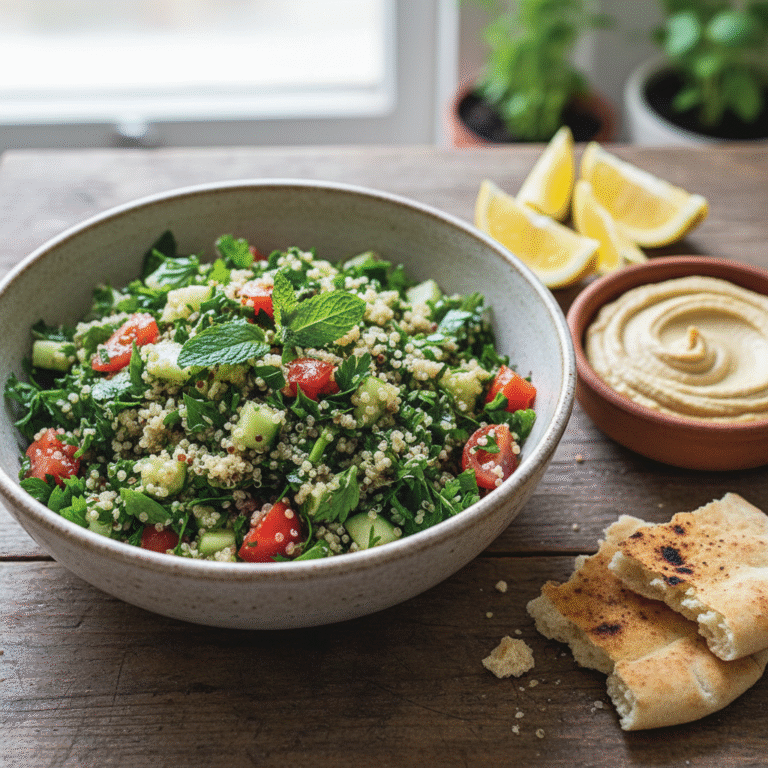
This couscous salad is a chameleon on the dining table. It serves beautifully as a light standalone lunch, perhaps accompanied by some warm pita bread and a dollop of hummus or tzatziki. For a more substantial dinner, serve it as a bed for grilled proteins—lemon-garlic shrimp, grilled chicken skewers (souvlaki), or pan-seared halloumi cheese are perfect matches. It also makes a fantastic side dish for barbecues and potlucks because it doesn’t require reheating and pairs well with burgers or sausages. To elevate the presentation for a dinner party, serve it on a large platter garnished with extra sprigs of mint, a drizzle of high-quality olive oil, and a sprinkling of toasted pine nuts or slivered almonds for added crunch.
Storage and Reheating Tips
One of the best features of this salad is its storage capability. It can be stored in an airtight container in the refrigerator for up to 4 days. In fact, the flavors often taste better on day two as the dressing has had time to marry with the grains and beans. If you plan to keep it for several days, you might find the couscous absorbs most of the dressing; simply refresh it with a splash of lemon juice and a drizzle of olive oil before serving. This dish does not freeze well, as the cucumber will become mushy and release water upon thawing, ruining the texture of the salad. It is best enjoyed fresh or refrigerated.
Nutrition Facts (Estimated)
| Serving Size | 1.5 cups |
| Calories | 320 |
| Fat | 12g |
| Saturated Fat | 2g |
| Unsaturated Fat | 9g |
| Trans Fat | 0g |
| Cholesterol | 5mg |
| Sodium | 450mg |
| Carbohydrates | 45g |
| Fiber | 8g |
| Sugar | 4g |
| Protein | 10g |
Frequently Asked Questions
Can I use pearl couscous (Israeli couscous) instead?
Yes, you can! However, pearl couscous requires a different cooking method. It needs to be simmered in boiling water for about 10 minutes, much like pasta, rather than just steamed. The texture will be chewier and larger.
Is couscous gluten-free?
No, couscous is made from semolina wheat, so it contains gluten. For a gluten-free alternative, use quinoa or millet prepared in a similar fashion.
Can I make this salad ahead of time?
Absolutely. This is an excellent meal-prep recipe. You can make it fully up to 3 days in advance. If making it for a party, you can chop the veggies and make the dressing separately, then combine everything an hour before serving.
How do I prevent the couscous from getting clumpy?
The key is to fluff it thoroughly with a fork immediately after the steaming time is up. Adding a teaspoon of olive oil to the boiling water before pouring it over the grains also helps keep them separate.
Can I add meat to this salad?
Yes, shredded rotisserie chicken, grilled steak strips, or canned tuna are popular additions that turn this side dish into a protein-packed main course.
What if my salad tastes dry the next day?
Couscous is very absorbent. If it dries out in the fridge, just revive it with a squeeze of fresh lemon juice and a drizzle of olive oil, then toss to coat.
Do I have to peel the cucumber?
If you are using an English (hothouse) cucumber, the skin is thin and palatable, so peeling is unnecessary. If using a standard garden cucumber with thick, waxy skin, it is best to peel it.
Is this salad served hot or cold?
It is most commonly served cold or at room temperature, making it ideal for picnics and summer meals. However, it can be eaten warm if you mix the veggies in immediately after fluffing the hot couscous.
Conclusion
This Couscous Salad with Chickpeas and Cucumber is truly a recipe that keeps on giving. It offers the perfect blend of convenience, nutrition, and vibrant Mediterranean flavor that appeals to just about everyone. Whether you are a busy parent looking for a quick dinner fix, a student needing a budget-friendly meal prep option, or a host seeking a reliable side dish for your next gathering, this salad fits the bill. The crunch of the fresh vegetables against the tender grains and the zest of the lemon dressing creates a bite that is refreshing yet satisfying. I hope this becomes a go-to in your kitchen just as it has in mine. Don’t forget to pin this recipe for later and share your creations with me on social media!